Golestan Palace: UNESCO Guide to Tehran’s Qajar Landmark
Golestan Palace: Highlights & Tips

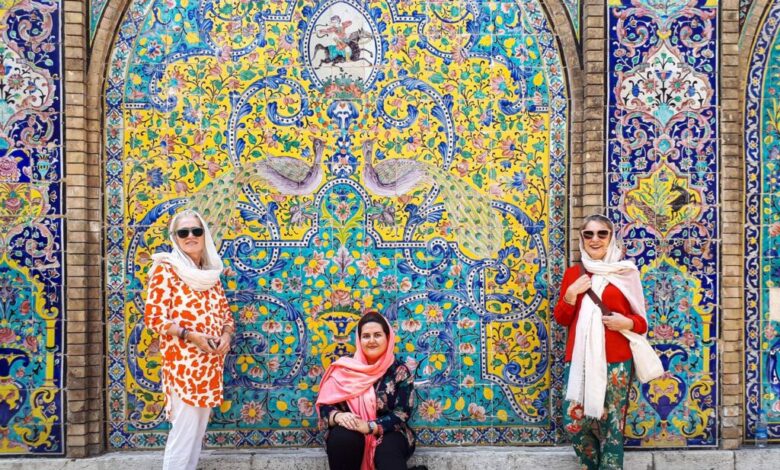
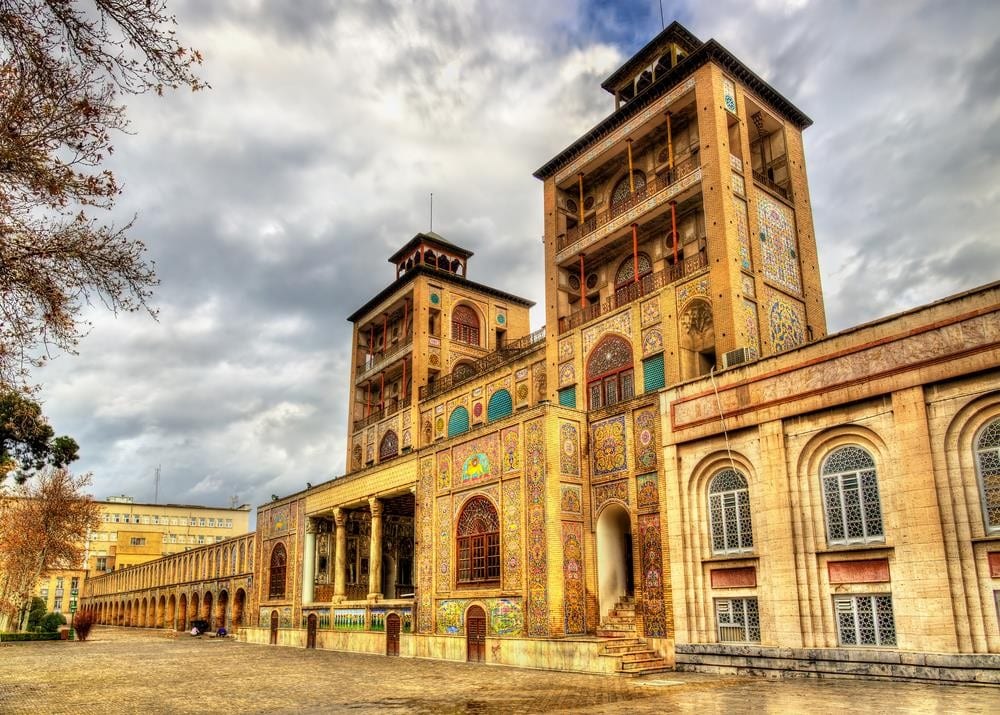
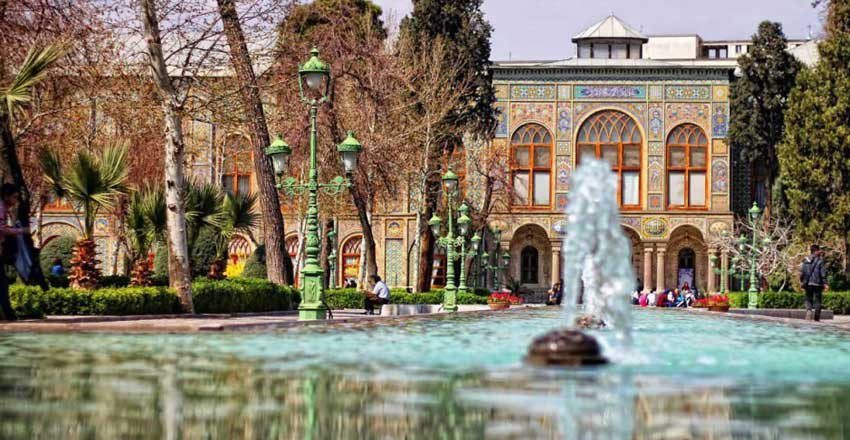
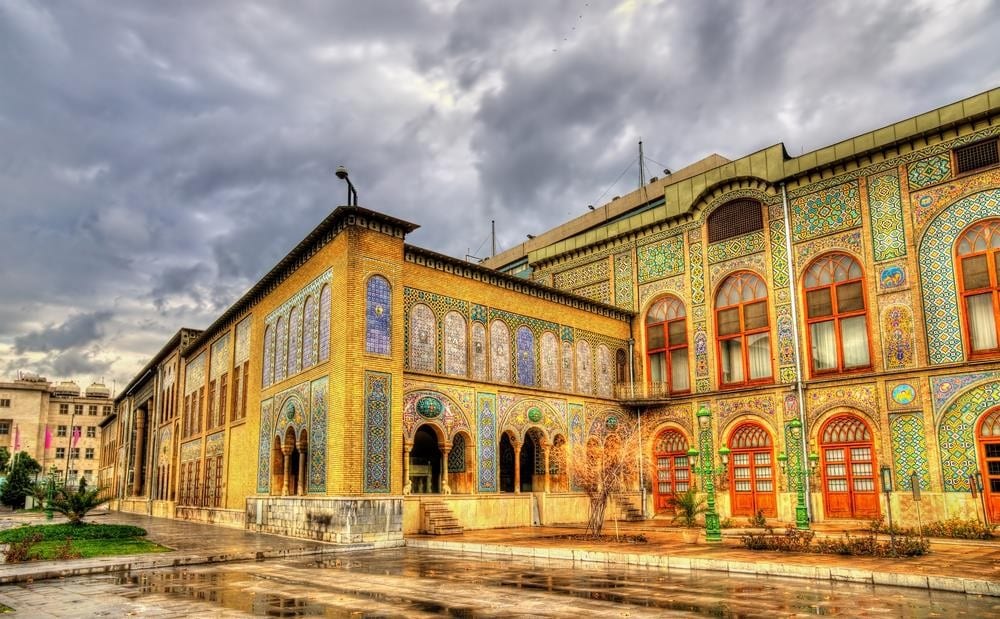
Golestan Palace is one of Tehran’s most important historic landmarks and a UNESCO World Heritage Site. In the city’s historic core, the complex preserves gardens, ceremonial halls, royal residences, tilework, mirrorwork and museum spaces that document the development of Qajar art and architecture.
UNESCO inscribed Golestan Palace on the World Heritage List in 2013 under criteria (ii), (iii) and (iv). Its significance lies especially in the way Persian artistic traditions were combined with European motifs, technologies and architectural influences during the 19th century.
Contents
Why Golestan Palace Matters
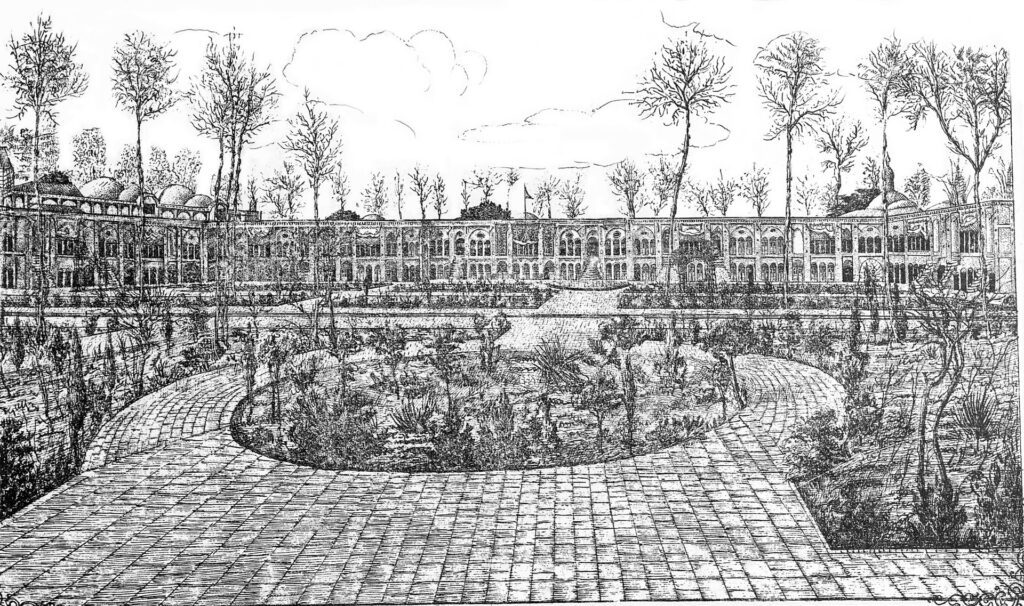
Golestan developed within Tehran’s older Safavid citadel and became a royal residence, government seat and centre of artistic production under the Qajars. Much of its characteristic appearance belongs to the 19th century, particularly the legacy of Naser al-Din Shah. The surviving compound is only part of the former royal precinct: successive rulers demolished and replaced other buildings around it.
What to See at Golestan Palace
The Marble Throne terrace and Karim Khani Nook help explain the complex’s earlier development. Visit Iran associates these structures with the Zand period, before the extensive Qajar additions. Read them alongside the later ceremonial halls rather than treating every building as the work of one ruler.
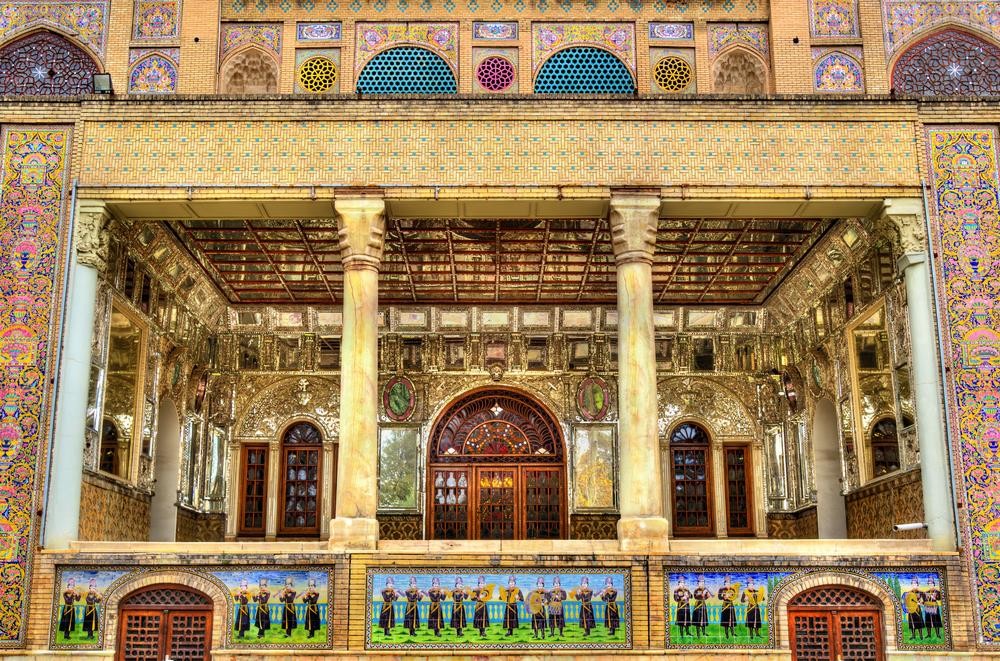
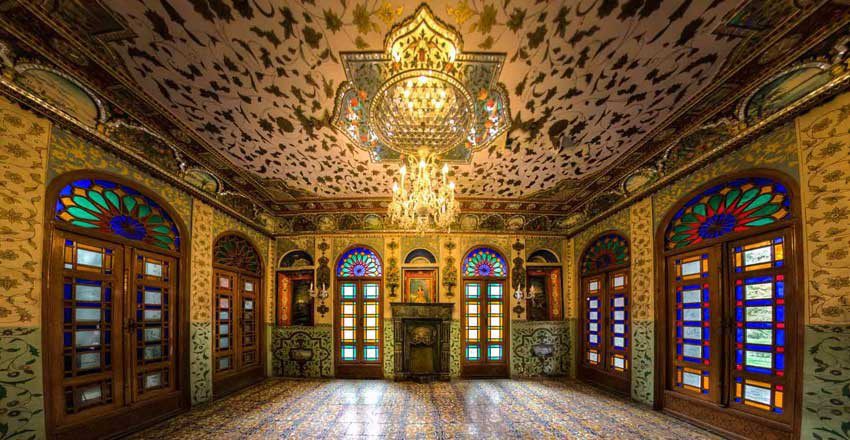
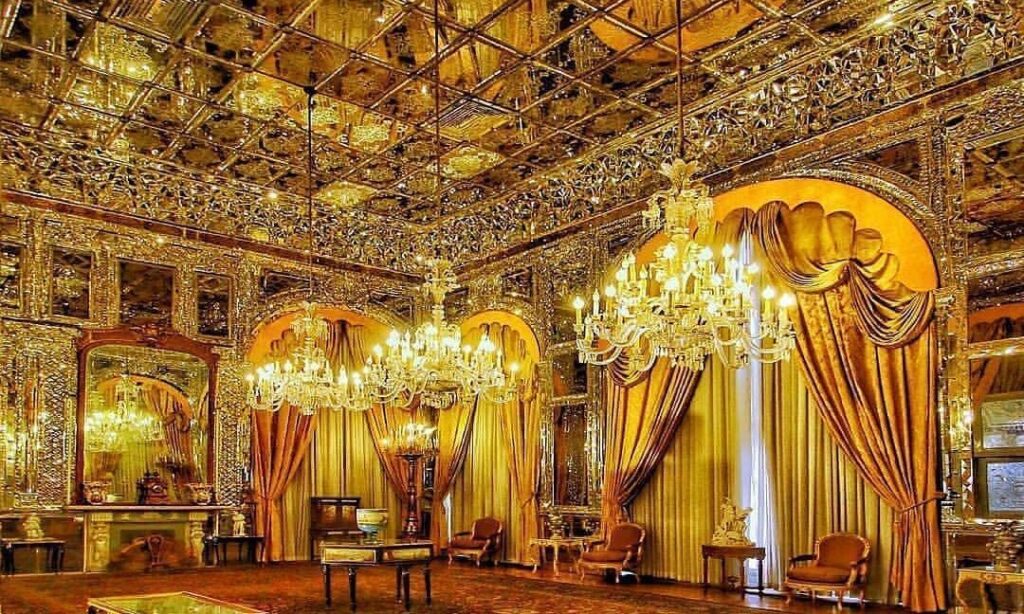
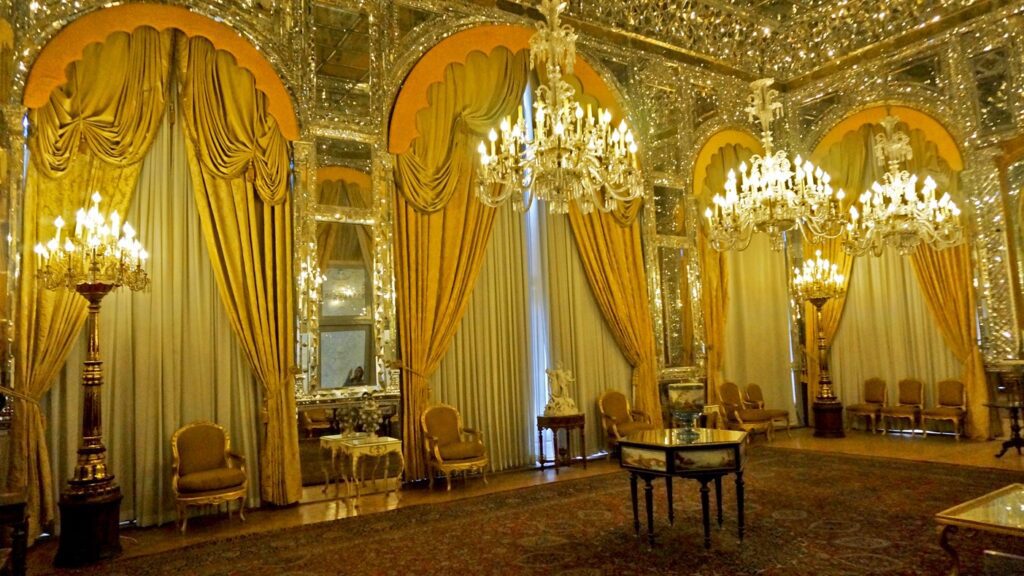
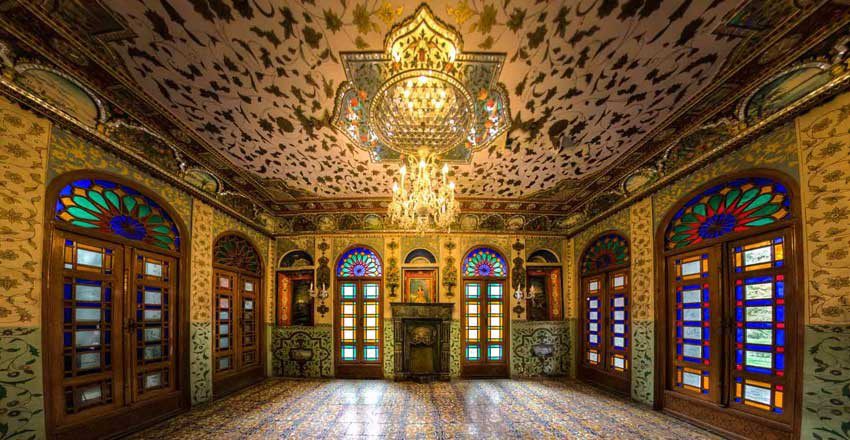
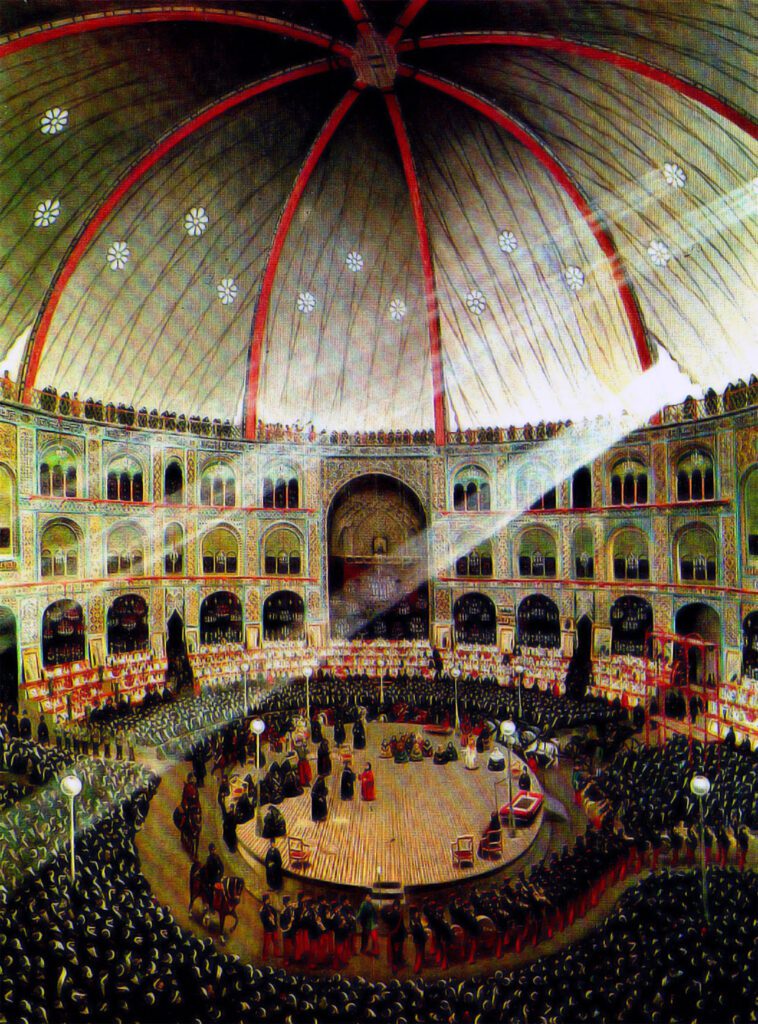
The Hall of Salutation and Hall of Mirrors are separate spaces. Visit Iran also identifies the pool house associated with the Salutation Hall, the Ivory Hall, the Brilliant Hall and the Diamond Hall. Keeping these names distinct makes it easier to follow the complex map and understand the photo gallery below.
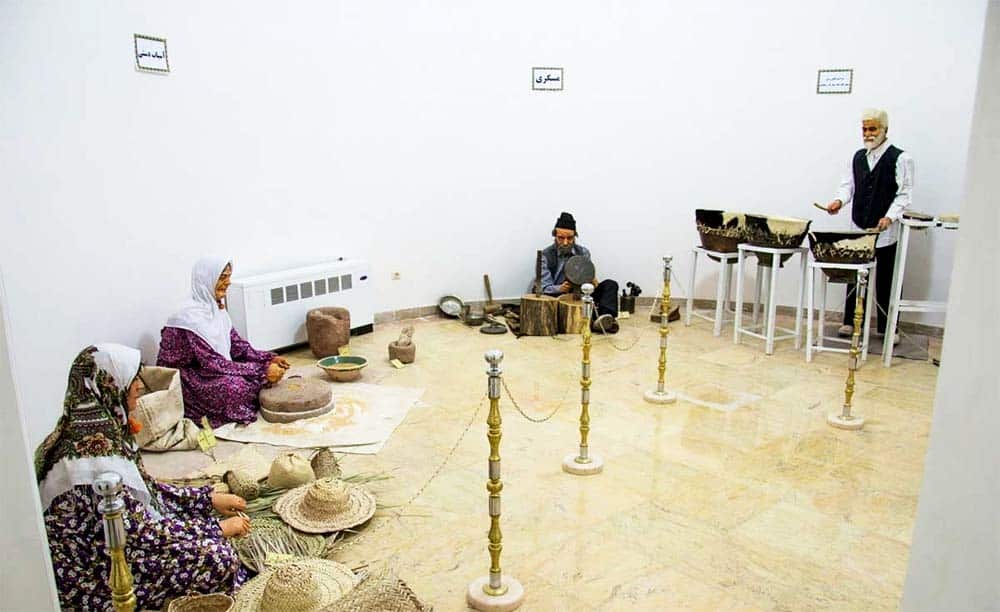
Shams-ol-Emareh, the Badgir Mansion and Abyaz Palace broaden the visit beyond the main halls. The complex combines ceremonial, residential and museum functions. Select the spaces that interest you from the day’s available route; the presence of a building on a historic plan does not establish that its interior is open.
Architecture and Decorative Arts
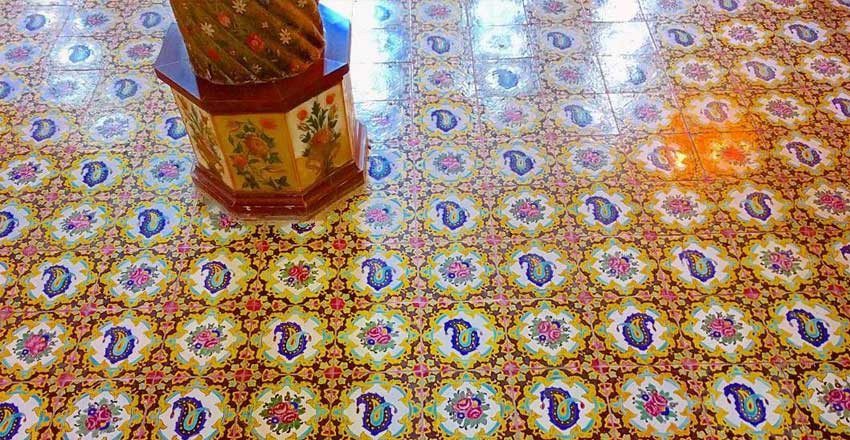
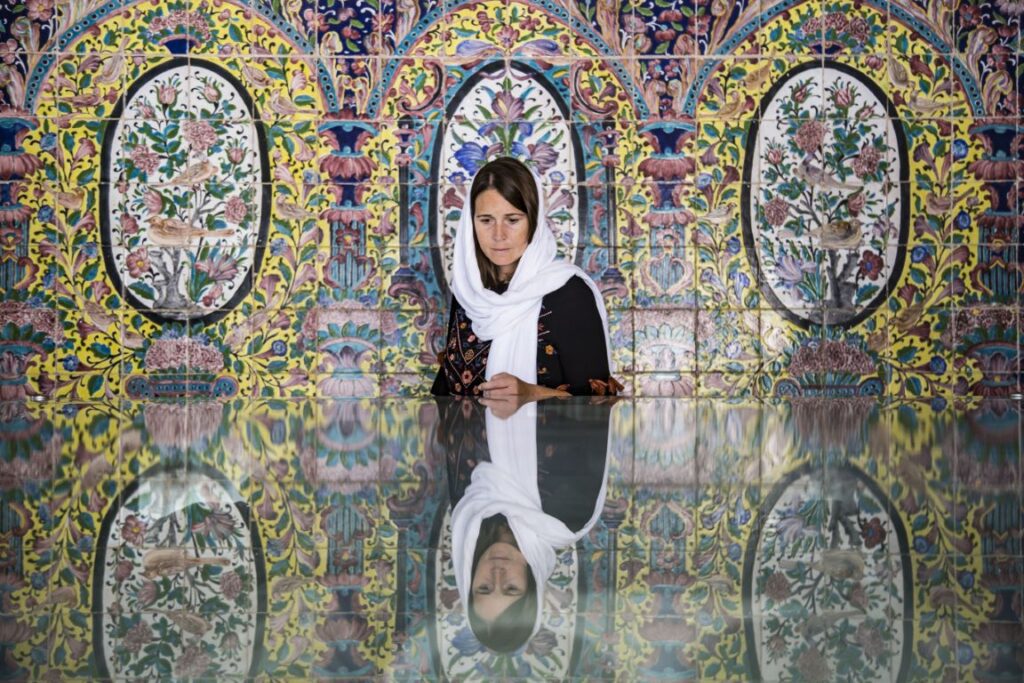
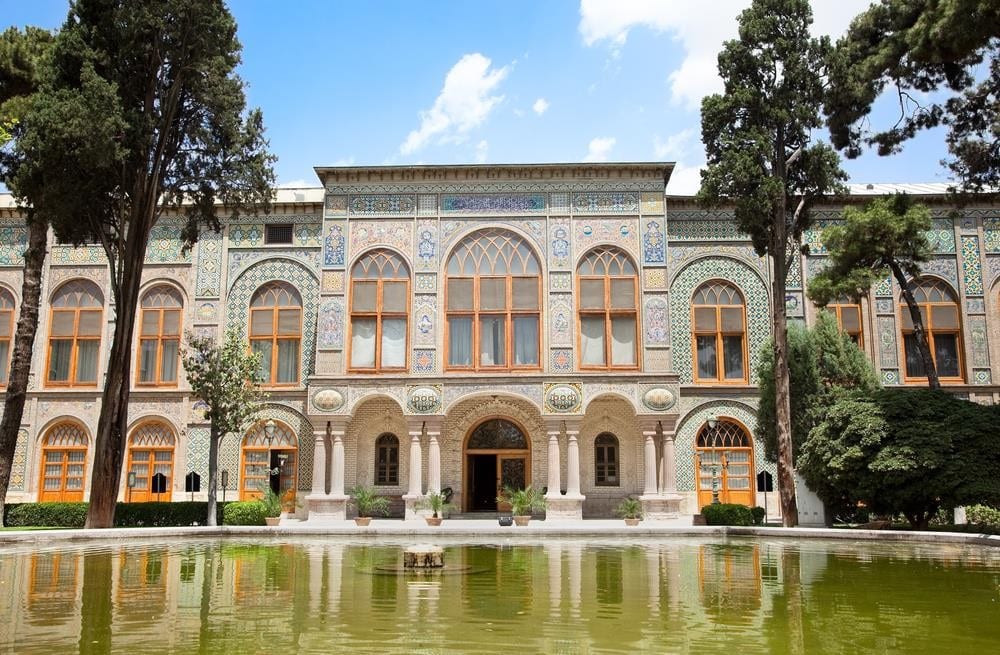
Look at the materials as well as the decoration. Tile panels, mirror mosaics, carved stone and painted surfaces are part of the palace’s artistic vocabulary. UNESCO also highlights the adaptation of European construction technology, including cast iron used for load bearing. Golestan’s significance therefore extends beyond ornamental motifs to changes in how buildings were designed and made.
Planning Your Visit
Golestan Palace is near Tehran Grand Bazaar and is convenient to combine with a walk through the historic centre. The 15 Khordad metro area is the usual public-transport approach. Opening hours, ticket rules and access to individual buildings can change, so check current information before travelling.
For a wider city itinerary, see the Tehran travel guide. Sources for this historical overview are the UNESCO World Heritage Centre’s Golestan Palace property record and Visit Iran’s Golestan Palace description. UNESCO records its 2013 inscription and explains the surviving compound; Visit Iran identifies individual buildings and earlier phases of development.
Golestan Palace Photos