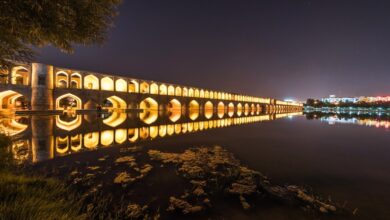
Naqsh-e Jahan Square: Isfahan UNESCO Visitor Guide
The Splendor of Naqsh-e Jahan Square: Iran's Cultural Treasure

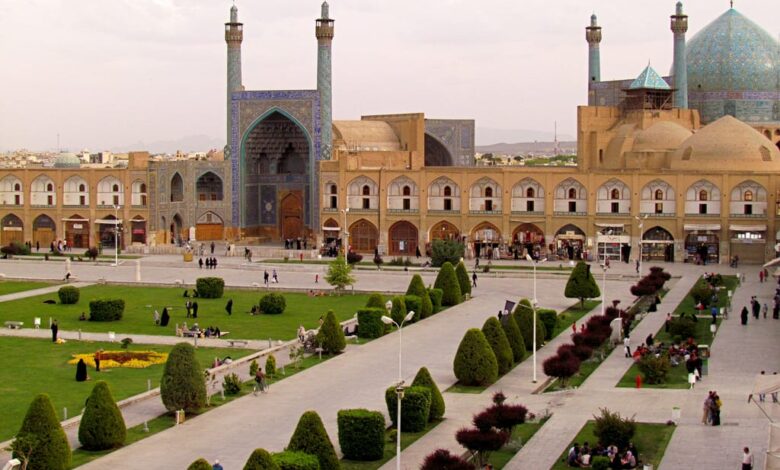
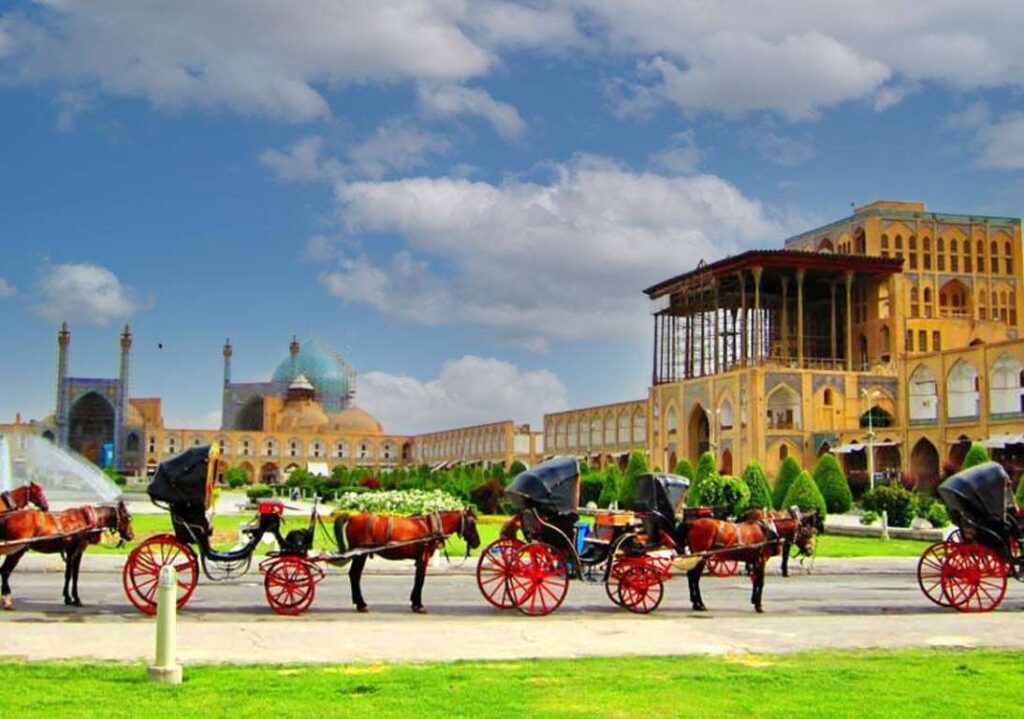
Naqsh-e Jahan Square, also known as Meidan Emam, is the monumental heart of Isfahan’s Safavid-era cityscape. UNESCO inscribed the square on the World Heritage List in 1979, recognizing an exceptional urban ensemble where royal, religious and commercial architecture meets in one coherent public space.
Contents
Why Naqsh-e Jahan Square Matters
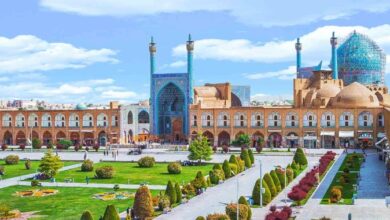
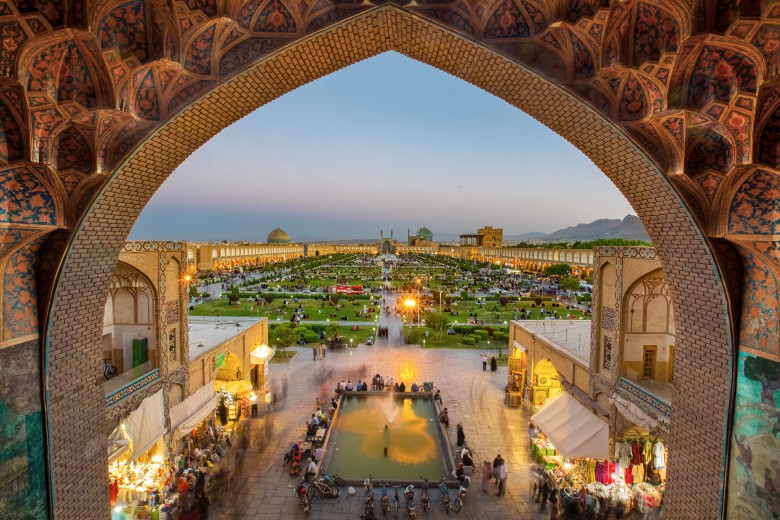
Shah Abbas I developed the square at the beginning of the 17th century after making Isfahan the Safavid capital. UNESCO records the square at about 560 metres long and 160 metres wide, covering almost nine hectares. Two-storey arcades frame the space, while four major monuments anchor its sides.
The square brought together several functions of Safavid public life. It served commerce through the bazaar, religion through its mosques, royal government through Ali Qapu and public life through ceremonies, promenades, polo and other gatherings.
The Four Monuments Around the Square
Imam Mosque
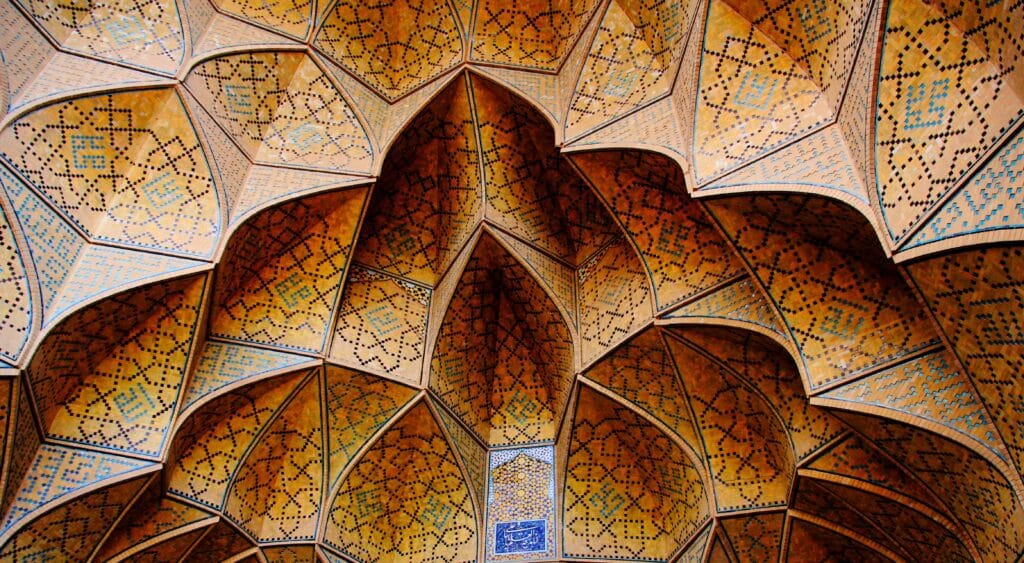
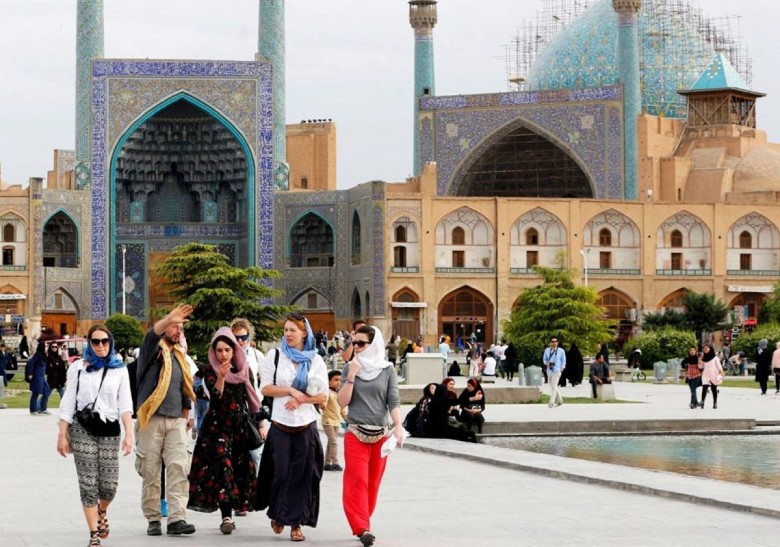
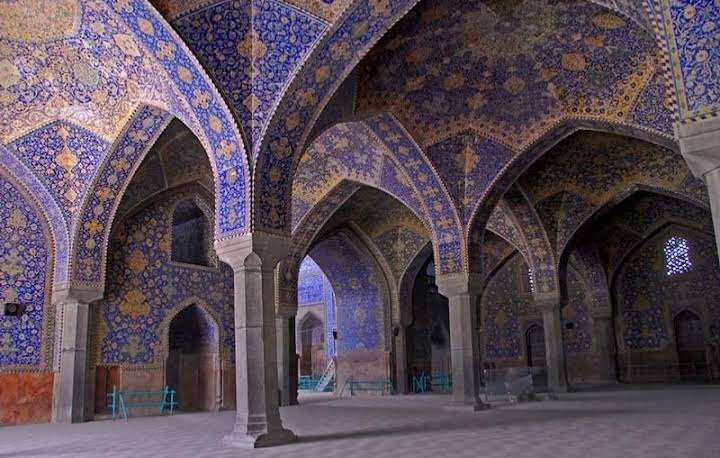
The former Royal Mosque, now commonly called Imam Mosque, stands on the south side. Its monumental portal faces the square, while the mosque itself turns toward Mecca. The complex is celebrated for its tilework, monumental scale and four-iwan courtyard plan.
Sheikh Lotfollah Mosque
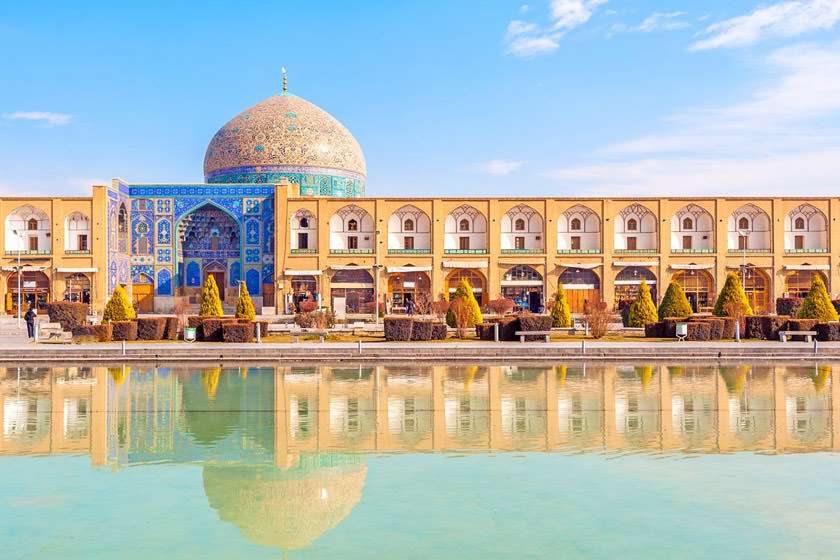
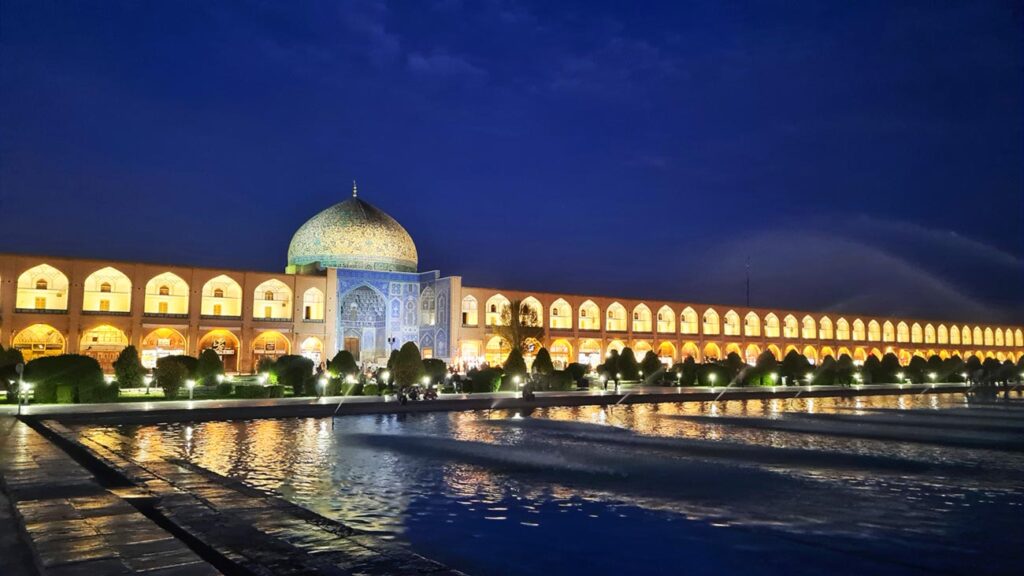
On the east side, Sheikh Lotfollah Mosque was built for the royal court. Unlike the larger congregational mosque opposite, it has no courtyard or minarets. Its dome, tilework and carefully angled entrance corridor make it one of the most distinctive Safavid buildings in Isfahan.
Ali Qapu Palace
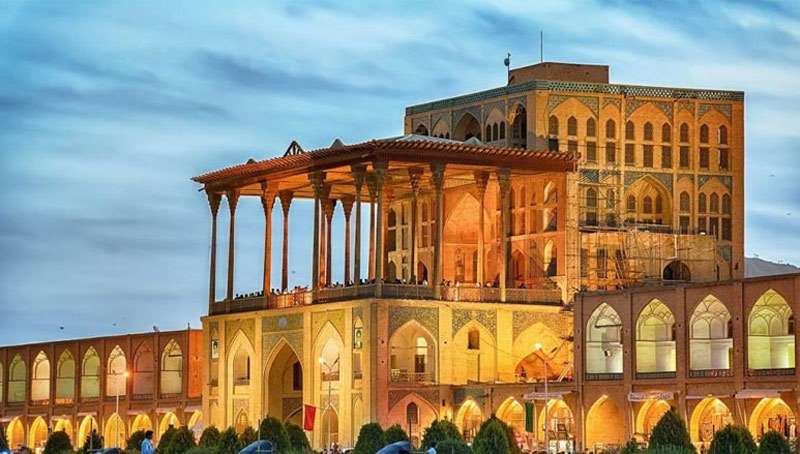
Ali Qapu Palace rises on the west side. The pavilion formed the monumental entrance to the Safavid palatial precinct. Its elevated terrace gave the court a commanding view across the square, while the upper interiors include richly decorated rooms associated with royal receptions and music.
Qeysarieh Gate and Isfahan Bazaar
The Qeysarieh portico marks the northern side and leads into Isfahan’s historic bazaar. Shops continue around the square beneath the arcades, maintaining the commercial role that has long been central to this part of the city.
A Living Public Space
Naqsh-e Jahan is not only a collection of monuments. The square remains part of everyday life in central Isfahan. Visitors share the space with local families, shoppers and craftspeople, while the surrounding bazaar remains active.
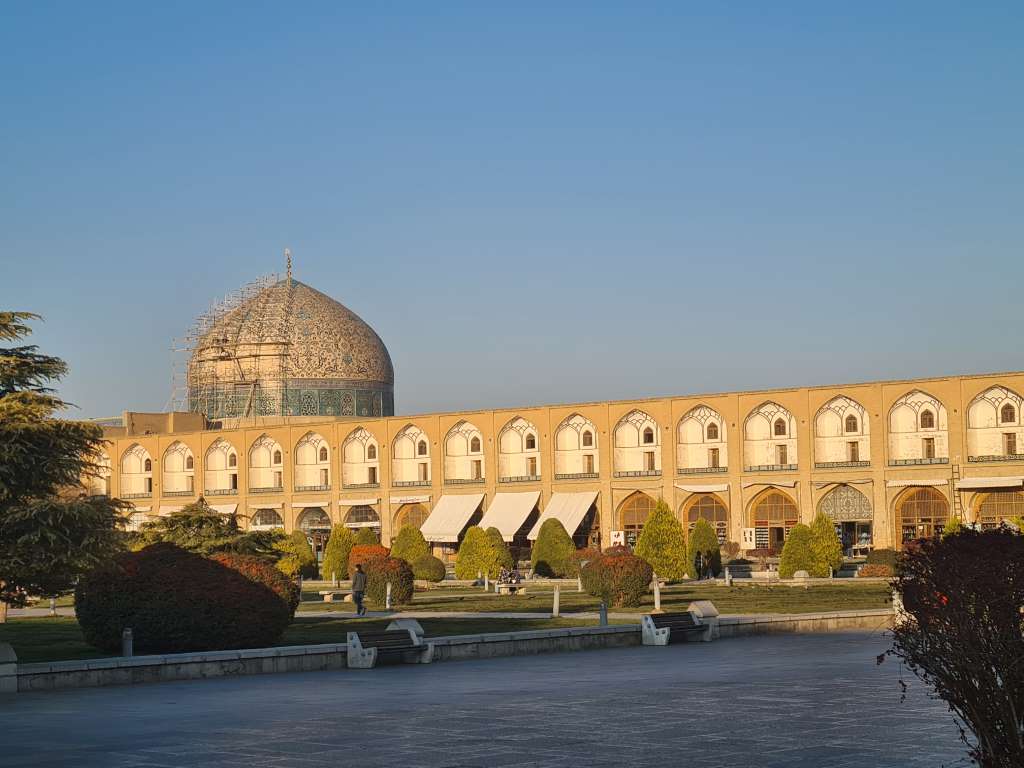
The square itself is an open public space, but the monuments around it operate separately and may have their own admission rules and opening hours. Check current conditions locally before planning entry to a specific building.
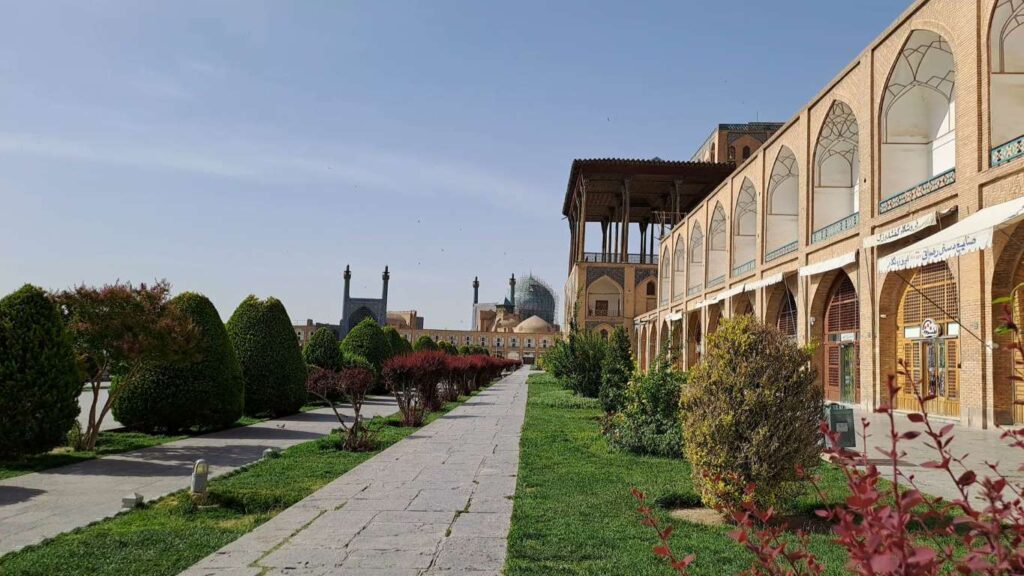
Planning Your Visit
Location: The square sits in central Isfahan. Walking is often the most useful way to combine it with nearby historic streets and monuments.
When to go: Spring and autumn generally offer milder conditions. Early morning can be quieter, while late afternoon and evening show the square at its most social. Seasonal weather and individual monument hours vary.
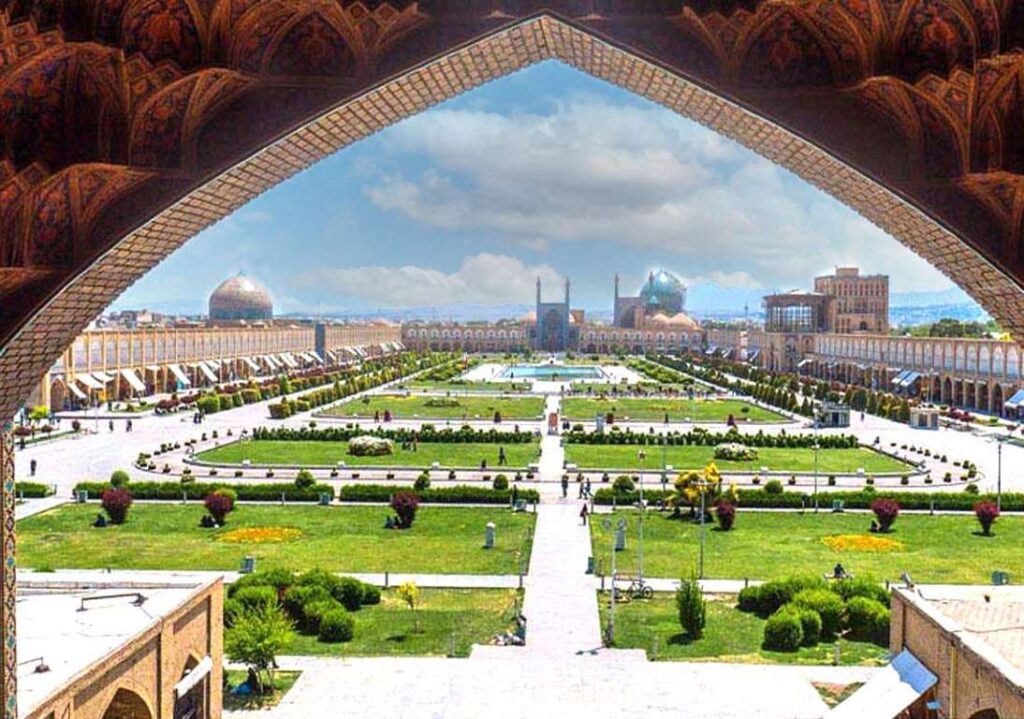
Mosque etiquette: Dress requirements apply when entering active religious sites. Follow instructions at the entrance, remove shoes where required and avoid disrupting worshippers.
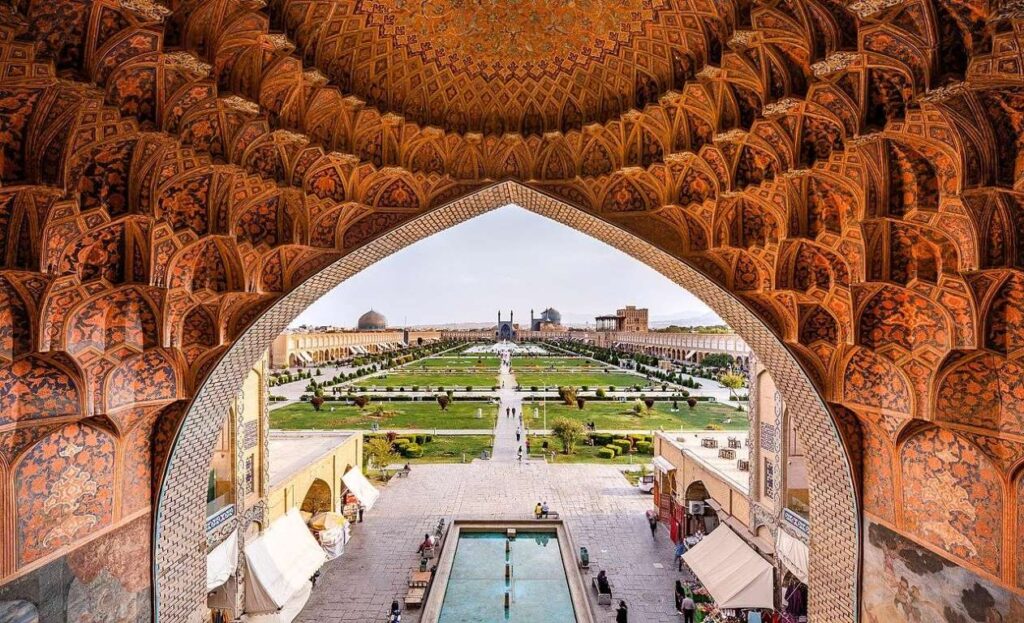
Nearby: Continue to Chehel Sotoun Palace, Si-o-se-pol and other landmarks covered in our Isfahan travel guide.
UNESCO World Heritage Status
UNESCO describes Meidan Emam as an outstanding example of Iranian and Islamic architecture and a testimony to social and cultural life in Safavid Persia. The World Heritage listing covers the square and the ensemble of monuments that define it. For the authoritative heritage record, see the UNESCO World Heritage Centre listing for Meidan Emam, Esfahan.