Rafting in Iran can offer striking mountain scenery and exciting whitewater, but choosing a river is only the beginning. Water levels, dam releases, weather, access and the difficulty of a particular stretch all affect whether a trip is possible. This guide introduces eight rivers often mentioned in discussions of Iranian rafting. It does not mean that every river or section is currently open, commercially operated or suitable for beginners.
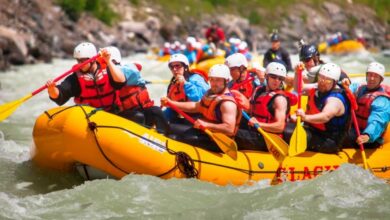
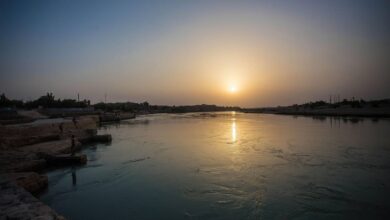
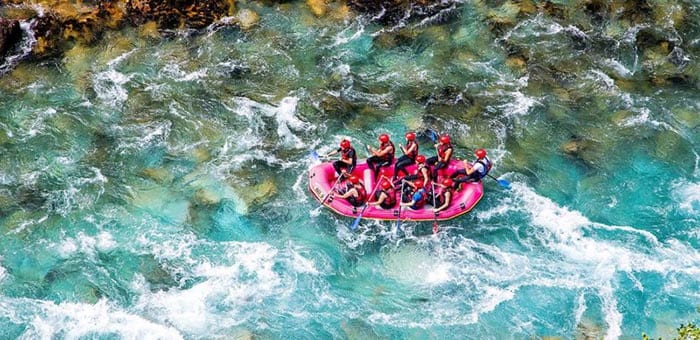
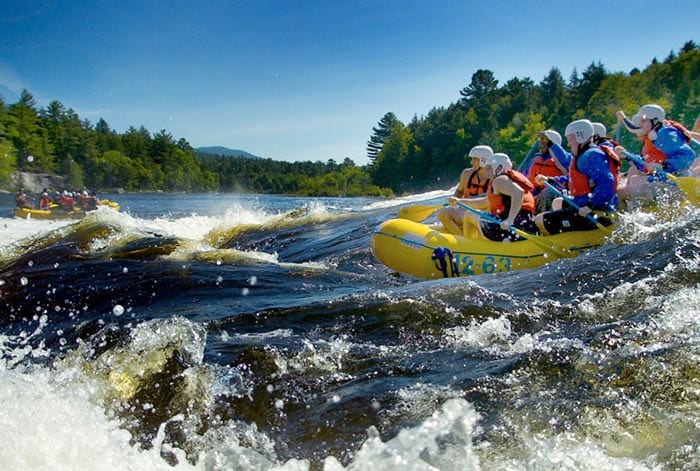
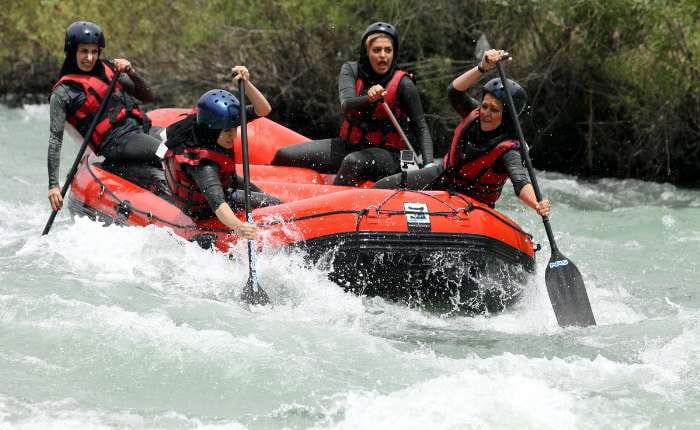
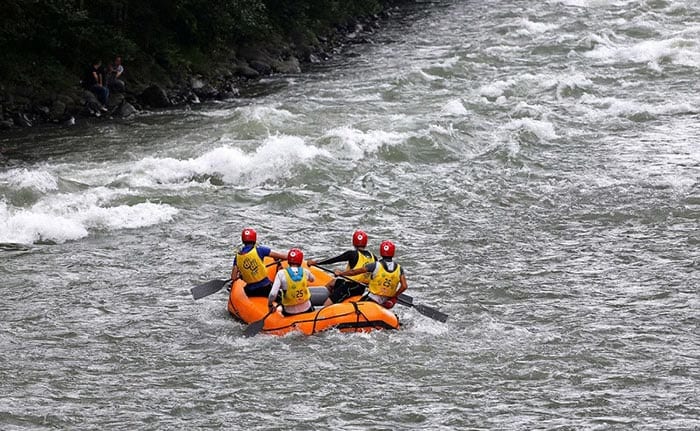
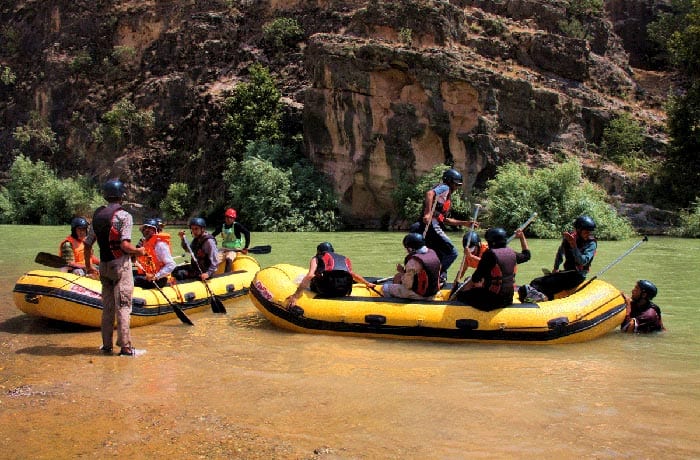
Photo note: The rafting photographs in this article are illustrative. Their precise locations have not been independently verified; they should not be interpreted as images of the rivers named in each section.

Contents
Before choosing a rafting route
Book only with a competent local operator who can confirm the precise put-in and take-out points, current river grade, access permissions, emergency plan and guide qualifications. A properly fitted whitewater life jacket and helmet are essential. The International Rafting Federation’s guide standards distinguish qualifications by river difficulty and require current first-aid training, including CPR. Ask whether the guide’s training matches your planned river section.
A river’s difficulty cannot be summarised reliably with one permanent number. The International Scale of River Difficulty distinguishes easier rapids from demanding Class IV and expert-level Class V water. A section described as Class V is not a beginner route. Never assume that an entire river is suitable because one section has previously been rafted.
1. Zayandeh Rud: the central Zagros and Isfahan region
Zayandeh Rud rises in the Zagros Mountains and is closely associated with the Isfahan region. Some stretches have been used for recreational river trips, but flow can change with water management and seasonal conditions. A historical description of a short rafting route is not confirmation that the same stretch is usable today. Ask a local guide specifically about hazards around bridges, dams and any planned water releases.
2. Haraz River: Mazandaran and the Alborz Mountains
The Haraz River runs through the Alborz Mountains towards Amol and the Caspian coast in Mazandaran Province. Its mountain setting attracts outdoor enthusiasts, but steep sections and changing flows require professional assessment. Do not rely on old journey times or a general river grade when selecting a route. Read more about the region and the Caspian Sea.
3. Sefid Rud: Gilan
Sefid Rud flows through northern Iran towards the Caspian Sea. The Manjil Dam and local flow conditions are important considerations when evaluating any proposed river activity. A reputable operator should identify the exact stretch, its current hazards and whether a guided trip is available. Scenic views alone do not establish that a section is safe for rafting.
4. Sezar (Caesar) River: Lorestan
The Sezar River is associated with the rugged river system of Lorestan and the Dez basin. Its landscape may interest experienced paddlers, but the original article’s blanket claim that it suits both beginners and experts is not supported by a current route assessment. Treat any proposed trip as specialist until a qualified operator confirms conditions and the appropriate experience level.

5. Arvand Rud: Khuzestan
Arvand Rud, also known as the Shatt al-Arab, is a major tidal waterway on the Iran-Iraq border, near Khorramshahr and Abadan. It is not comparable to a typical mountain whitewater course. We have not verified a currently operating recreational whitewater rafting route here. Visitors interested in the river should check local navigation rules, access restrictions and suitable guided activities rather than assuming that a rafting excursion is available. See the Khuzestan travel guide for regional context.

6. Karaj River: the southern Alborz
The Karaj River drains part of the southern Alborz Mountains. Rapids and flow can vary significantly between sections, and river infrastructure affects access. Some stretches may require advanced skills. Before considering a trip, obtain a current local assessment and verify that the proposed route is legally accessible.
7. Sirvan River: western Iran
The Sirvan River runs through the western Zagros region, including areas of Kurdistan. Its winding mountain course is visually impressive, but published descriptions of difficult rapids should not be turned into a recommendation for first-time rafters. If a stretch is assessed at Class IV or V, it requires correspondingly advanced preparation and qualified leadership. Current conditions and permitted access must be checked locally.

8. Armand River: Chaharmahal and Bakhtiari
The Armand River lies in Chaharmahal and Bakhtiari Province within the wider Karun River basin. It is often mentioned in Iranian rafting itineraries. Its valley scenery can be a highlight, but route lengths, grades and suitability vary. Confirm the specific itinerary, current water level, weather and rescue arrangements before booking.
When is the rafting season in Iran?
There is no single reliable rafting season for every river in Iran. Spring snowmelt may raise flows in some mountain catchments, while dam operations, rainfall and drought can change conditions at other times. Higher water is not automatically safer or better. Contact an operator close to your travel date and ask for the latest route-specific assessment.
What to check before you book
Ask for the guide’s qualifications and current first-aid certificate, the exact river section, its current grade, the expected duration, group-size limits, safety equipment, rescue arrangements and the cancellation policy for unsuitable conditions. Confirm that the operator provides a pre-launch safety briefing and has a clear plan for postponing or cancelling when conditions change. Tell the operator about your swimming ability and relevant experience. Do not enter a river independently on the strength of an old travel article.
Sources and safety guidance
For international reference standards, see the International Rafting Federation’s Guide Training and Education requirements and its rafting operator accreditation guidance. These sources explain professional standards; they do not certify the availability or safety of any specific Iranian route. This article is an overview, not a real-time river conditions report.