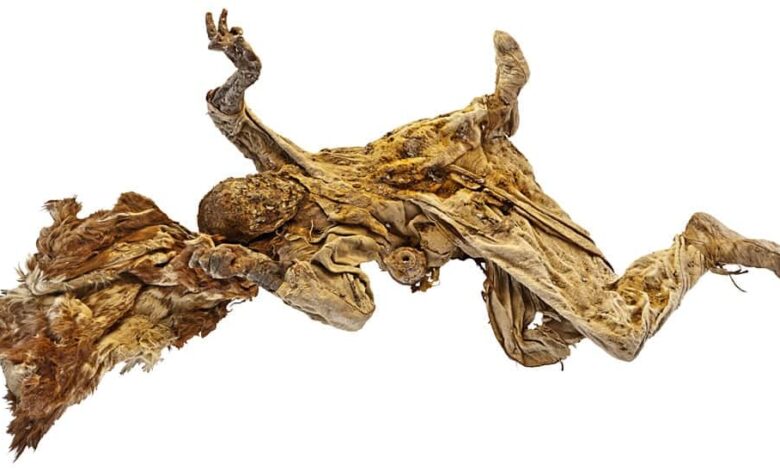
The Saltmen of Chehrabad are among Iran’s most remarkable archaeological finds. Their naturally preserved remains, clothing and tools offer an unusually detailed view of ancient mining in Zanjan Province. The bodies were preserved by the dry, salty environment rather than by deliberate mummification.
Contents
The Chehrabad Salt Mine
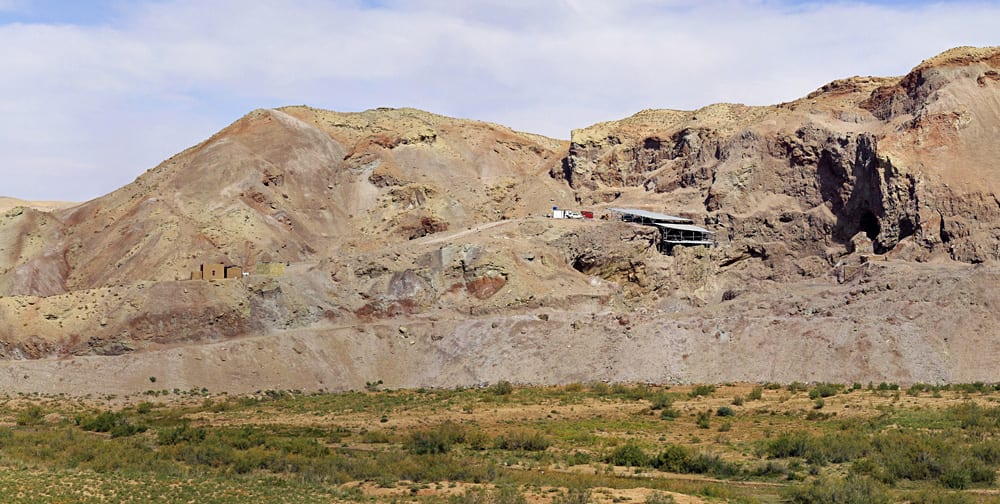
Chehrabad, also known as the Douzlakh salt mine, lies in Zanjan Province in northwestern Iran. Archaeological research has identified major phases of mining during the Achaemenid period, from the 6th to 4th centuries BCE, and the Sasanian period, from the 4th to 6th centuries CE. The site preserves evidence not only of salt extraction, but also of the people who worked underground.
Discovery of the Saltmen
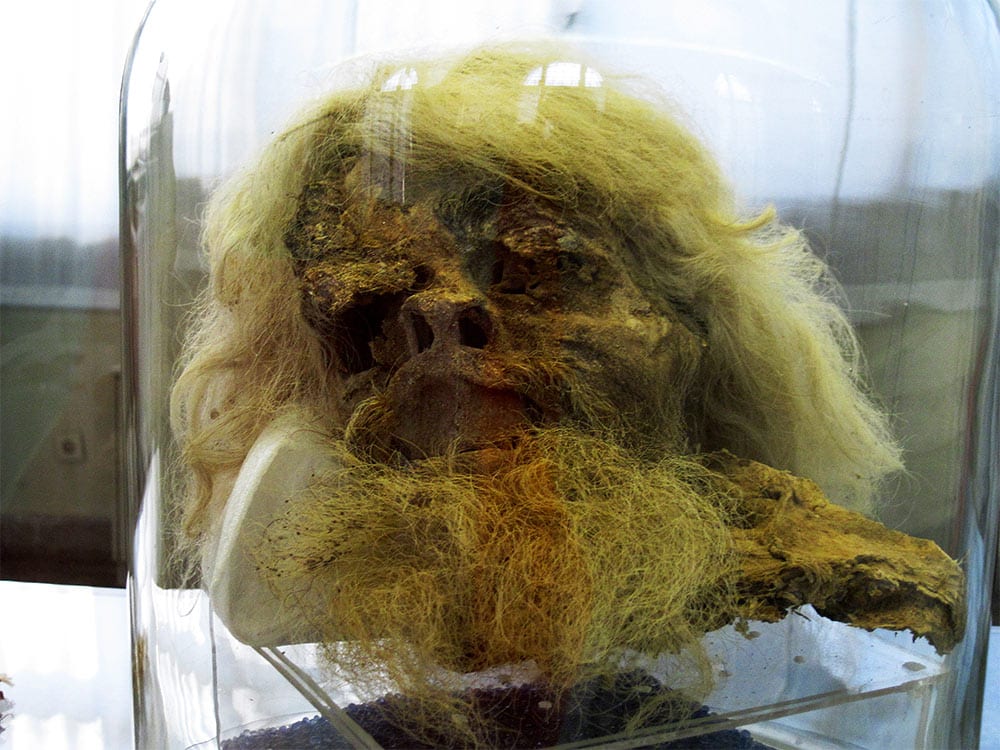
The first mummified remains were discovered during commercial salt extraction in 1994. Further finds prompted an emergency excavation in 2004, followed by additional archaeological work. Researchers from Iranian institutions and the Deutsches Bergbau-Museum Bochum have since studied the mine and its human remains through mining archaeology, radiocarbon dating, isotope analysis, archaeobotany and other methods.
What the Finds Reveal
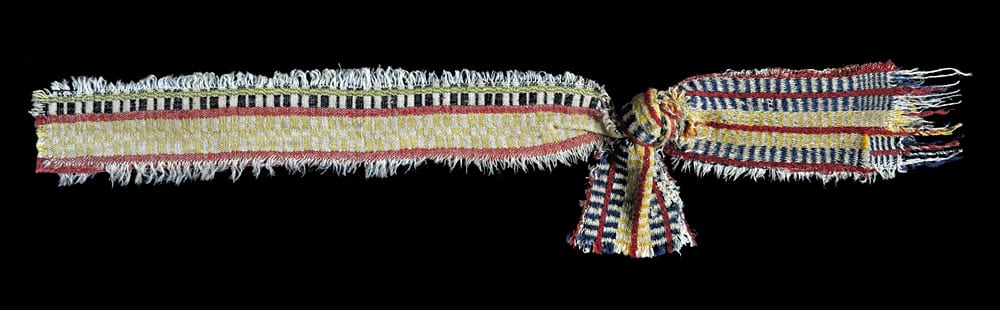
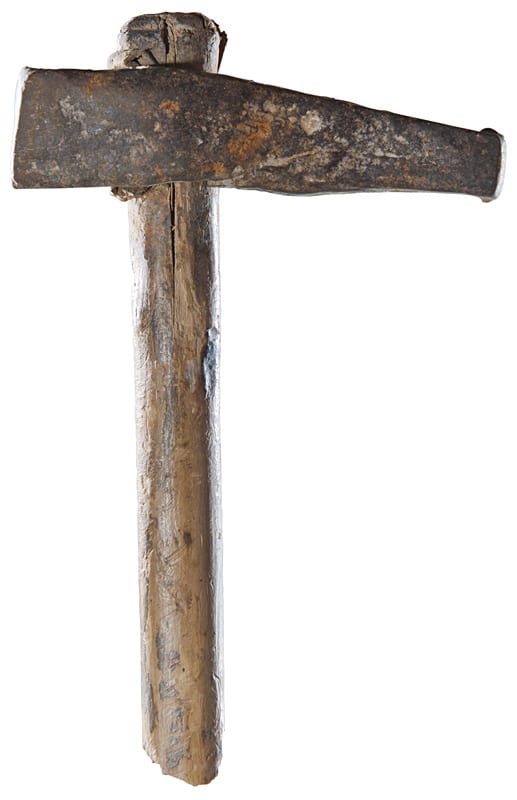
The salt preserved far more than human remains. Clothing, leather, tools and other organic materials survived in exceptional condition, allowing researchers to reconstruct aspects of mining technology, working life and material culture that rarely survive at archaeological sites.
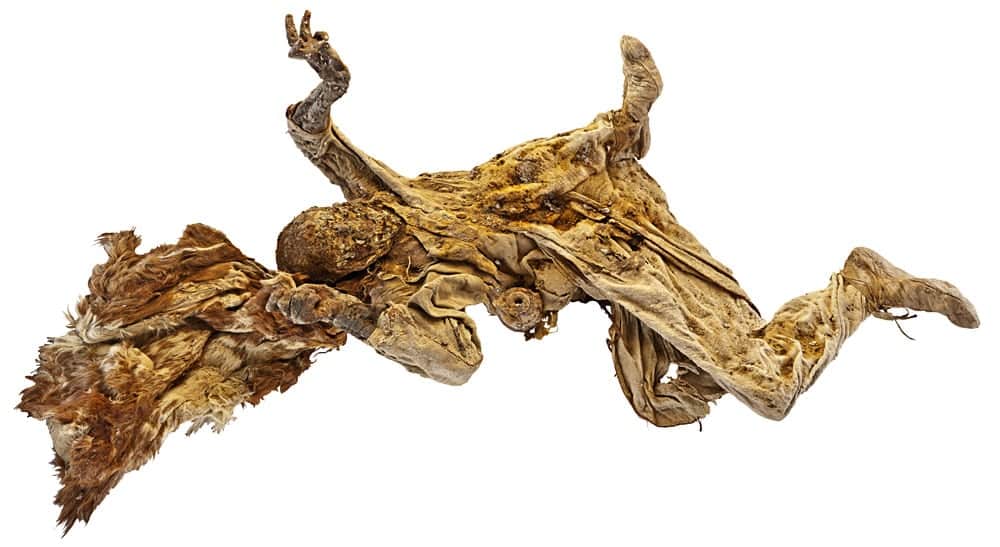
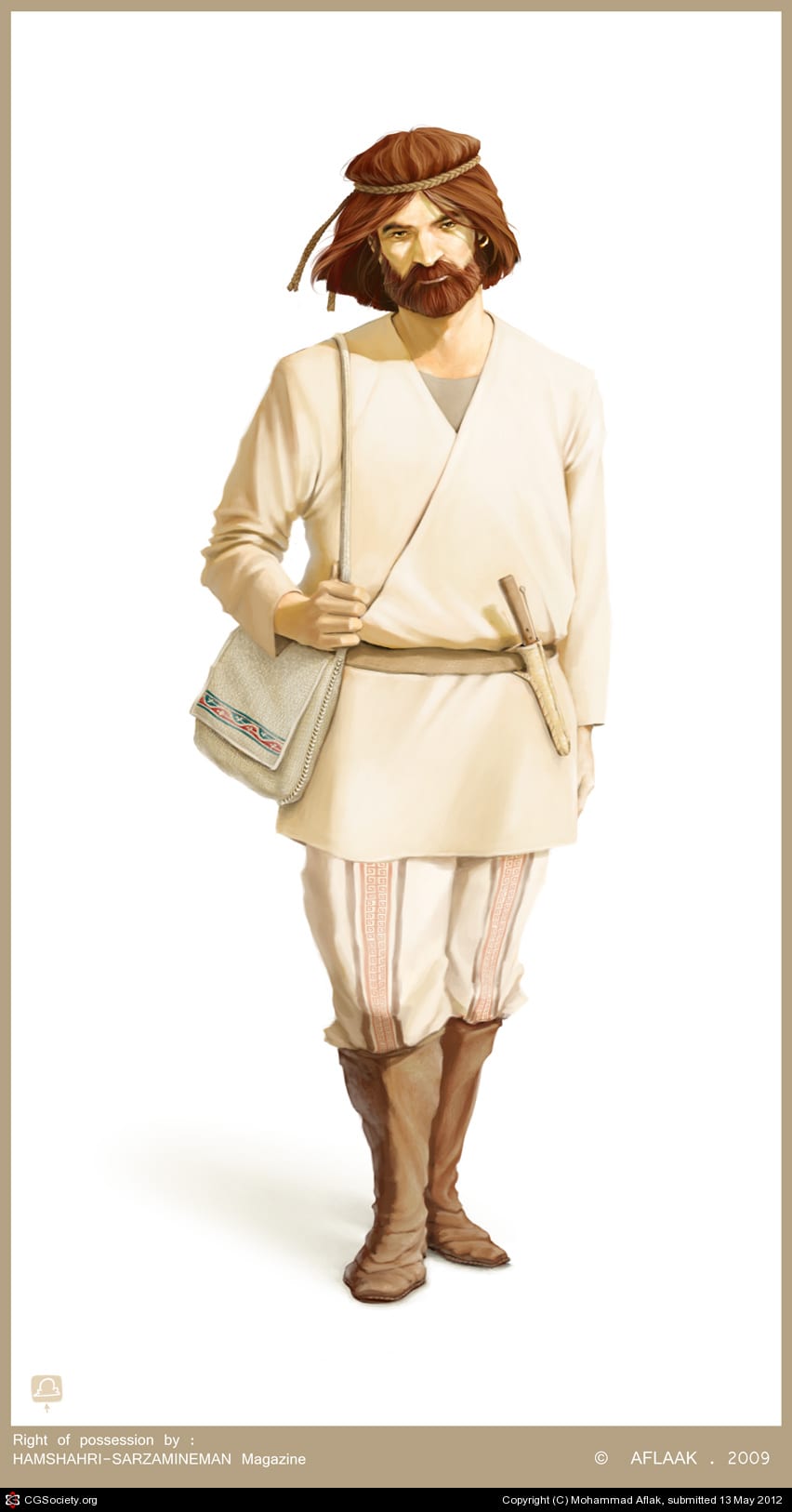
Saltman 4 is particularly important to researchers. Evidence indicates that he was a young miner who died roughly 2,400 years ago. His clothing and equipment provide rare evidence of everyday working life in Achaemenid-era Iran.
Research and Conservation
The International Chehrabad Saltmummy & Saltmine Exploration Project has brought together Iranian and German researchers to investigate the mine and conserve its finds. The project continues to refine understanding of the site’s chronology, ancient mining methods and the lives of the miners. For detailed research information, see the Deutsches Bergbau-Museum Bochum project page.
Travelers interested in the wider region can also consult our Zanjan travel guide and Tehran travel guide.