Maymand (Meymand): Iran’s UNESCO Rock-Cut Village


Maymand (also spelled Meymand) is a cultural landscape in Iran’s Kerman Province, known for its rock-cut winter homes and seasonal pastoral traditions. The Cultural Landscape of Maymand was inscribed on the UNESCO World Heritage List in 2015. UNESCO inscribed the landscape under criterion (v), recognizing a distinctive system of seasonal settlement and adaptation to an arid environment.
UNESCO documents a three-phase seasonal pattern. Families traditionally used Sar-e-Āghol shelters from late winter to late spring, Sar-e-Bāgh settlements near seasonal rivers in summer and early autumn, and rock-cut homes in the valley during winter. These movements connected grazing, cultivation and household life across the landscape.

Contents
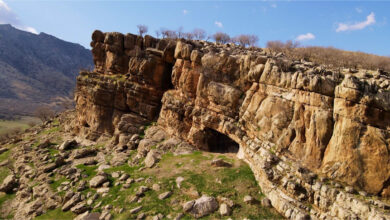
Rock-cut homes and the Maymand landscape
The winter dwellings, locally known as kicheh, are cut into the rock and may contain rooms for living and storage. UNESCO’s inscription documentation identifies around 400 such dwellings, with 123 units described as intact at the time of assessment. These figures describe the documented heritage site, not a current count of occupied homes.

The wider landscape includes seasonal fields, pastures, water-management features and simple shelters built from locally available materials. Together, these elements explain how people have used the valley across different seasons.
The World Heritage property and buffer zone
UNESCO records a 4,953.85-hectare World Heritage property and a 7,024.65-hectare buffer zone. These areas encompass the wider seasonal settlement system, including pastures and water-management features, not just the rock-cut winter dwellings. See the official UNESCO property record for the boundaries.

A seasonal way of life
Maymand’s traditional agro-pastoral system is more complex than a village of permanently occupied caves. UNESCO records a pattern of moving between spring, summer and winter settlements, with homes and working spaces adapted to each season. The practice depends on knowledge of local water sources, grazing land and weather.

The community’s traditions remain important, but they face pressures. UNESCO notes that fewer families use the seasonal settlements than in earlier generations. Describing Maymand as completely untouched or claiming an exact age for continuous occupation would go beyond the evidence available in the World Heritage record.
Visiting Maymand responsibly
Visitors can appreciate Maymand as a living cultural landscape rather than simply a collection of historic rooms. Respect occupied dwellings, ask before photographing residents and follow any local guidance for access to the rock-cut homes. If you are planning a wider journey through the province, see our Kerman travel guide.
UNESCO also identifies tourism pressure as a conservation concern, particularly for the rock-cut dwellings and the community’s living traditions. Enter only areas open to visitors, and do not treat occupied homes as museum exhibits.

Heritage source: UNESCO World Heritage Centre, Cultural Landscape of Maymand (inscribed 2015).