Special Persian Sweets for Ramadan
What Iranian people eat in the month of Ramadan


During Ramadan in Iran, many Muslims fast from dawn until sunset. The month also brings families and communities together for prayer, generosity and shared meals.
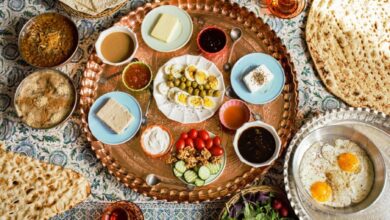
The evening meal that breaks the fast is called iftar. Alongside dates, tea and savory dishes, Iranian tables often feature sweets prepared or purchased especially for the occasion.

These desserts are part of a wider food tradition. Some are closely associated with Ramadan, while others are enjoyed at family gatherings and religious celebrations throughout the year.
Among the best-known treats are zoolbia and bamieh, sholeh zard, reshteh khoshkar, fereni and halva. Recipes and serving customs vary by region and household.
Ramadan sweets are rich and often served in small portions. They complement an iftar meal rather than defining it, and there is no single way that all Iranian families break their fast.

Regional specialties make the experience especially varied. In northern Gilan, for example, reshteh khoshkar is a distinctive local pastry, while zoolbia and bamieh are widely available in Iranian sweet shops.
If you are interested in Iranian food and customs during Ramadan, look for these desserts in bakeries and ask about local variations. Availability can differ by city and season.
Contents
Zoolbia and Bamieh: Saffron-Syrup Pastries
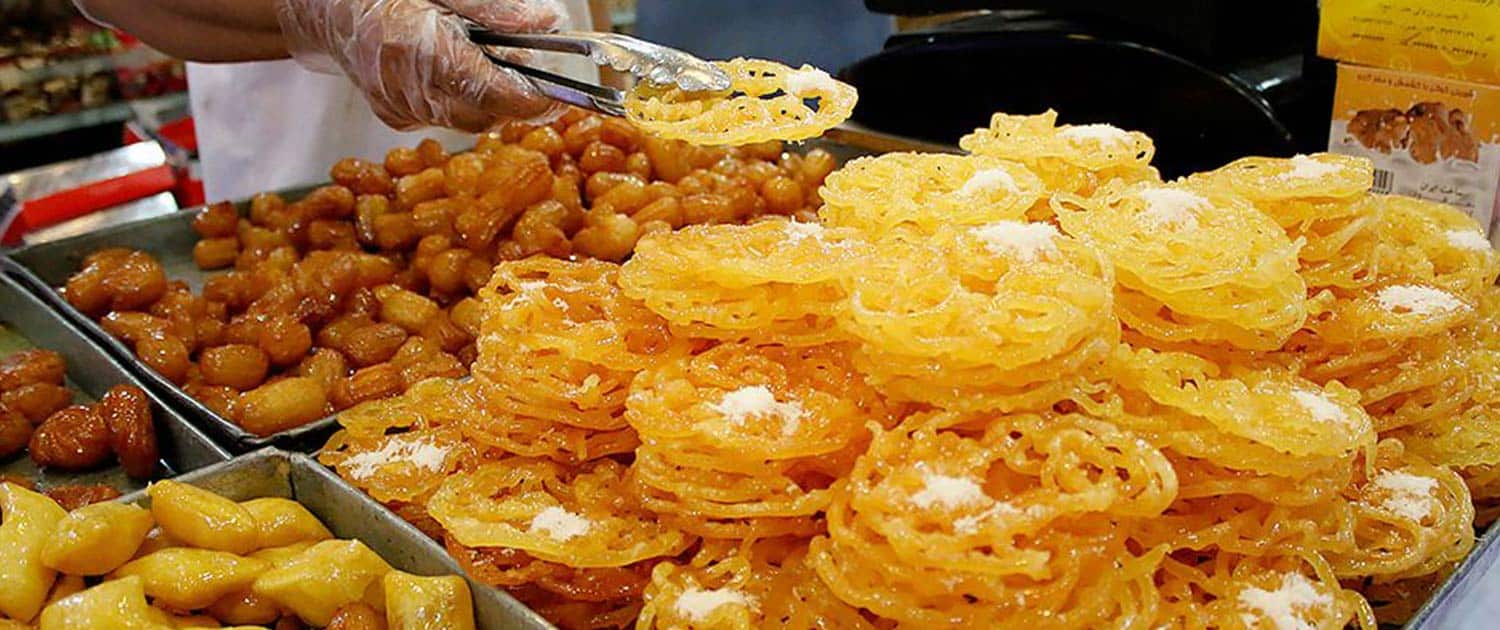
Zoolbia is a crisp, lacy spiral of fried batter, while bamieh is a small, ridged fried pastry. Both are dipped in syrup commonly flavored with saffron and rosewater. They are often sold together for iftar. See the Food Network recipe for an example of their preparation.
Sholeh Zard: Persian Saffron Rice Pudding

Sholeh zard is a fragrant saffron rice pudding made with rice, sugar and often rosewater. It is served at Ramadan gatherings and other religious occasions, sometimes prepared in large batches to share.
Best Hotels in Iran
The pudding is usually finished with cinnamon, sliced almonds or pistachios. Cooking time depends on the quantity and method, so there is no single preparation time for every household.

Reshteh Khoshkar: A Gilan Specialty

In Gilan Province, reshteh khoshkar is a delicate rice-flour pastry with a patterned, lace-like exterior. It is commonly filled with nuts, sugar and spices, then fried and sweetened.
This specialty is particularly associated with Rasht and nearby towns. Watching it being prepared can be as interesting as tasting it, although individual recipes and fillings differ.

Fereni: Persian Milk Pudding

Fereni is a smooth milk-and-rice-flour pudding that can be served warm or chilled. Rosewater and sugar provide sweetness, while crushed pistachios are a common garnish.
Halva: A Traditional Iranian Sweet

Halva is served at religious gatherings and memorial occasions in Iran, and it may also appear on an iftar table. Its associations extend beyond Ramadan, so it should not be described as a dessert exclusive to the month.
Persian halva is commonly made by toasting flour in fat and combining it with a sweet syrup. Saffron, rosewater and cardamom may be added, with nuts or coconut used for decoration.


Ramadan is upon us and Muslims around the world are getting ready for this. However, a problem rises up, on which exact date Ramadan is going to start?