Visiting Iran During Ramadan: A Guide for Travelers
Daytime meals, iftar and visiting etiquette


In Iran during Ramadan, plan daytime meals separately from evening outings. Many places serve food later than usual, while iftar, the sunset meal that breaks the fast, is a focal point of the evening.
Many observant Muslims fast from dawn to sunset. If you are not fasting, arrange meals in private or in a venue serving daytime guests. Avoid eating, drinking or smoking openly in public during fasting hours.
In its 2026 Ramadan notice, Iranian police said that hotels and certain travel venues could serve travelers during fasting hours if licensed and screened from public view. Ask your accommodation whether it serves meals during the day and where guests can eat.

Contents
Understanding Ramadan
Ramadan is the ninth month of the Islamic lunar calendar. For many Muslims in Iran, it is a time of fasting, prayer, charity and family gatherings. Dates shift each Gregorian year and the final start and end dates can depend on the officially accepted sighting of the moon.
If you plan to eat out at iftar, ask when the kitchen starts serving. A shop or cafe that is closed at midday may open later.
At iftar, families and friends often share dates, bread, tea, soup and other dishes. Some mosques and community groups organise communal meals, but attendance arrangements vary. Ask before joining a gathering, and respect private religious observances.
Evening observance varies. In many Iranian Shia communities, the Nights of Qadr are marked with prayers and gatherings. Practices differ by congregation, so follow the host’s lead if you attend.
Visitors can experience Ramadan respectfully without participating in the fast. Follow the lead of local hosts, ask permission before photographing worshippers and be mindful that not everyone observes the month in the same way.
Cultural Etiquette and Practices
Near mosques and shrines, give worshippers room to enter and leave. At prayer time, pause conversations and follow any instructions at the entrance.

Dress Code During Ramadan
For public outings, pack loose clothing that covers your arms and legs. Women should carry a headscarf and check the dress rules for the sites they plan to enter.
Keep noise low during prayers and religious ceremonies. Ask before taking photographs in mosques or at private gatherings, and respect signs restricting photography.
Read More: Dress Code in Iran
Eating and Drinking During Ramadan
For a long day out, arrange breakfast or a packed meal through your accommodation and decide where you can eat it in private. Do the same for water breaks rather than assuming you can eat or drink openly on the road.
At sunset, many people break their fast with dates, tea, bread, cheese, soup or regional dishes such as ash-e reshteh. Popular restaurants may be busy around iftar, so allow extra time for dinner.
If someone offers you food at a communal iftar, a simple thank-you is appropriate. Participation is voluntary, and it is courteous to ask before photographing people or a shared meal.

Museums and Historical Sites in Iran During Ramadan
Plan museum visits using each venue’s own schedule. Check last admission as well as closing time if you are combining several sites in one day.
Iran marks the 21st of Ramadan as a public holiday commemorating the death of Imam Ali. The nights associated with the 19th, 21st and 23rd of Ramadan are commonly observed as the Nights of Qadr in Shia communities. See the Iran public holidays guide for calendar context.
Ramadan in Mashhad
Mashhad is a major pilgrimage destination, home to the Imam Reza Shrine. Ramadan brings religious gatherings and visitors to the shrine complex; follow posted visitor guidance and allow for crowds.
Mashhad has a distinctive food culture, including sholeh Mashhadi, a hearty regional dish. Availability and seasonal menus vary by restaurant.


Eid al-Fitr marks the end of Ramadan. Use the public holidays calendar to plan around the holiday, then check the dates and schedules for your trip.
Conclusion
Decide where you will eat during the day, then plan evening visits around iftar and local schedules. In Mashhad or another pilgrimage city, leave extra time around prayer gatherings.
IRAN GROUP TOURS
Explore sample small-group routes. Departure dates, availability and final prices are confirmed case by case before booking.
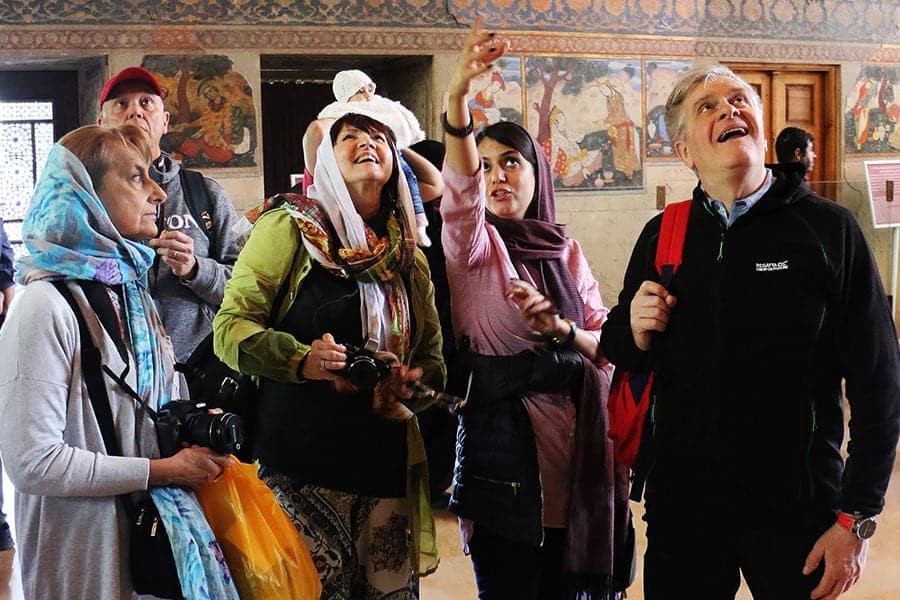
Iran 7-Day Tour
Final price and availability on request
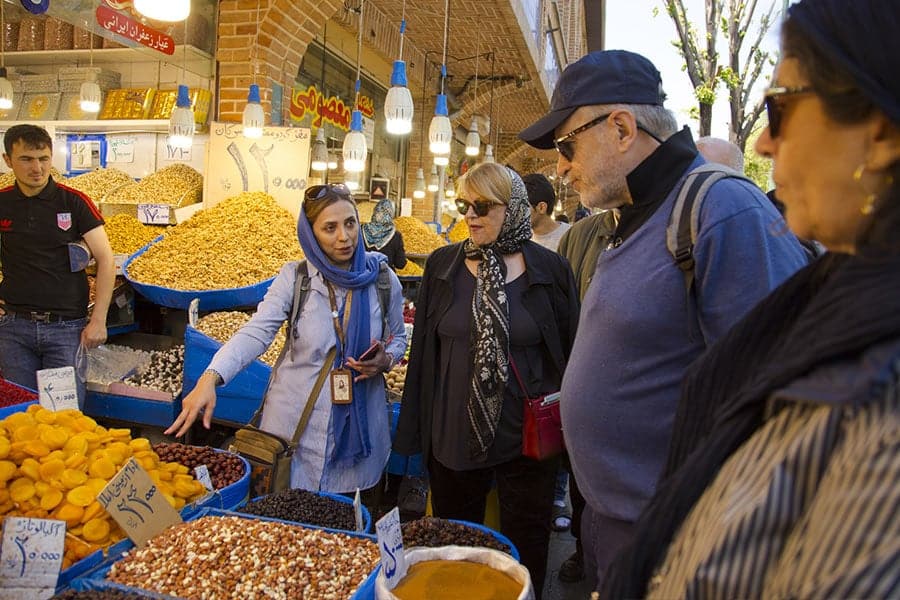
Iran 9-Day Tour
Final price and availability on request
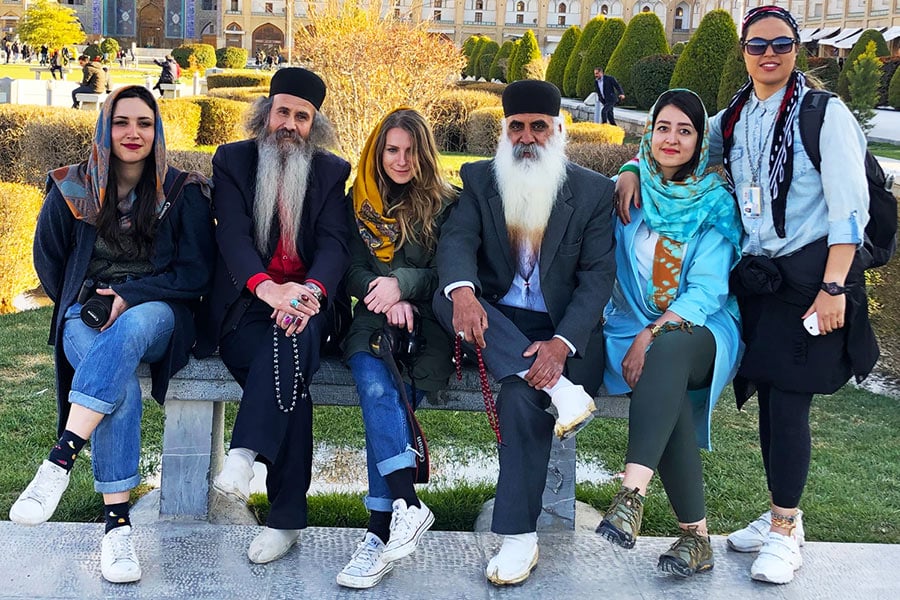
Iran 15-Day Tour
Final price and availability on request
Read More


Iran is deserving best in Muslims countries
Travelling to Iran in Ramadan is an experience. Not the impossible mission! Iran is a Muslim country but the tourists and some other exceptions are allowed not to fast. Of course they should eat and drink not in public but in hide (restaurants, hotels and etcet.) If any kind of question, we would be more than happy to help: gateofalamut.com
Hi!
I’m thinking about traveling to Iran in coming Abril, there’s ramadan. As tourist can we still visit the mosques?
I’m afraid everything will be closed.
Thank you!
Ruth
Dear Ruth, all the attractions will be open during Ramadan.