
For an Iran trip, pack clothes that cover your arms and legs and allow comfortable movement. Women also need a headscarf and a loose, long outer layer in public. Men should bring long trousers and shirts with sleeves. You do not need to buy a complete traditional outfit before travelling.
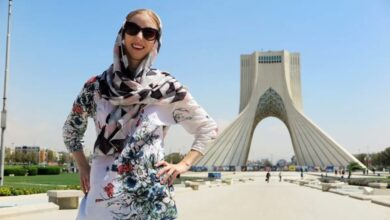
A practical women’s outfit is a headscarf, a long-sleeved tunic or light coat, and full-length trousers. Choose opaque fabrics and an outer layer that falls loosely over the hips and thighs.
For men, long trousers with a shirt or an ordinary T-shirt are practical everyday choices. Keep a long-sleeved shirt for religious visits or more formal settings; avoid shorts and sleeveless tops in public.
The public dress requirements apply to visitors as well as residents. Styles seen on the street vary, but they should not be treated as an exemption for tourists. This guide focuses on choosing and packing suitable clothing.

Contents
What Is The Dress Code In Iran?
Iran’s public dress requirements include a head covering and modest, loose clothing for women. Keep your scarf accessible during the journey, including arrival at the airport, rather than packing it in checked luggage.
You do not need an all-black travel wardrobe. Choose colours and patterns you enjoy, while paying attention to coverage, fabric opacity and the expectations of a particular venue or ceremony.
Dress Code For Female Tourists

A manteau, also written manto, is a coat or outer garment. A loose tunic or long shirt can serve the same practical packing purpose when it provides sufficient coverage. For cultural context, see our guide to Iranian traditional dress.
Choose full-length trousers or a floor-length skirt with a suitable long-sleeved outer layer. Try your outfit while sitting, climbing stairs and lifting your arms so that it remains comfortable and covered during sightseeing.
Iran Tourist Card

Pack for the destinations on your route, rather than treating Iran as one climate. Lightweight, opaque cotton or linen layers suit warm days; add a coat or fleece for cold weather and highland visits. A long outer layer should fit comfortably over your warmer clothes. If you have not chosen a route yet, compare our small-group and private Iran tours.
A chador is a large covering worn over other clothes. It is not the everyday requirement for all tourist activities, but some religious sites require women to wear one. Check the site’s arrangements for borrowing or obtaining a chador before your visit.
Women’s Indoor Clothing
Indoor does not automatically mean private. Treat hotel lobbies, breakfast rooms, restaurants, shops and other shared spaces as public settings for dress purposes. A private bedroom is different from the hotel’s common areas.
In a private home, follow your host’s preferences rather than assuming that every household has the same approach. If you are unsure whether to remove your scarf or shoes, ask.

Dress Code for Male Tourists
Male tourists do not need special Iranian clothing for ordinary sightseeing. Pack long trousers, comfortable shirts and walking shoes. A lightweight long-sleeved shirt is useful when your day includes both urban sightseeing and a religious site.
Ordinary short-sleeved T-shirts appear in Visit Iran’s tourist dress guidance. A sleeveless vest is a different garment. Bring a long-sleeved option for places with additional requirements.
Formal Dress Code

For a business meeting or formal event, ask the organiser about the expected level of dress. Men can pack tailored trousers with a shirt and, where appropriate, a jacket; women can choose a smart, loose outer layer, trousers and a scarf.
A tie is an option for a formal occasion rather than a compulsory part of a tourist’s wardrobe. There is no need to buy one for routine sightseeing.
Accessories and Footwear
Prioritise items that you can comfortably wear for a full sightseeing day. Test scarves and shoes before leaving, and favour layers that work with several outfits.
Headscarves or Shawls
A breathable, non-slip scarf is easier to manage than a very slippery fabric. Try tying or draping it in a way that covers your hair and neck without needing constant adjustment. A spare scarf is useful for washing or a change of outfit.
Comfortable Footwear
Choose walking shoes with a good fit and enough grip for stairs and uneven paving. At prayer areas where shoes must be removed, follow the signs and staff instructions. Easily removable shoes and a pair of socks can be convenient.
BOOK ONLINE
Tehran Hotels
Visiting Religious Sites like Mosques
Check the dress instructions of each mosque or shrine you plan to enter. The requirements at a particular religious site may go beyond your everyday sightseeing outfit.
Women should have a scarf and loose clothing covering their arms and legs; some sites also require a chador. Men should wear long trousers and bring a long-sleeved shirt. Allow time to arrange any additional covering at the entrance.
Photography Restrictions
Follow signs about photography and access within each site. Ask staff before photographing prayer areas or people, rather than assuming that admission includes permission to photograph everything.
Read More:
Clothing to Avoid When Traveling in Iran
Avoid Tight or Revealing Attire
Avoid garments that expose the shoulders, midriff or legs in public. For women, a loose outer layer should cover the contours of clothing worn underneath.
Shun Sheer or Translucent Clothing
Check lightweight fabrics in daylight: an item that looks opaque indoors may become transparent in strong sun. Pack a light underlayer if needed.
No Sleeveless and Short Shirts for Men
Men should pack full-length trousers and shirts with sleeves. Leave shorts and sleeveless tops for settings where the venue explicitly permits them.
Graphic or Offensive Prints
For religious visits and formal occasions, a simple shirt is a versatile choice. Check any event-specific clothing expectations with your host.
Impractical High Heels
Choose footwear for the walking you will actually do. Broken-in trainers or walking shoes are more practical for long sightseeing days than footwear that causes blisters.
Appropriate Dress Examples for Travelers in Iran
Use these outfit combinations as packing examples. Adjust the fabric weight to your route and the outer layer to the places you will visit.
Iran Dress Code for Women Tourists
- A loose, long-sleeved tunic or knee-length outer garment over full-length trousers, with a headscarf.
- A long tunic or blouse worn over pants or a skirt, accompanied by a scarf to cover the hair.
- A maxi dress or skirt with a loose-fitting top, along with a scarf.
- Full-length jeans with a loose, long-sleeved outer shirt covering the hips and thighs, plus a headscarf.
Iran Dress Code for Male Tourists
- Long trousers paired with a buttoned shirt or polo shirt.
- Lightweight full-length trousers with a loose, long-sleeved shirt for warm-weather sightseeing.
- Jeans or casual pants with a non-formal shirt or T-shirt.
- For formal occasions, a suit jacket or dress shirt with dress trousers is appropriate.
Before departure, lay out complete outfits, including the outer layer, scarf and shoes. Check how they work together and keep an arrival outfit in your hand luggage. For swimming venues or organised activities, ask the operator about its own clothing requirements.
Travelling as a woman?
Join our 12-day women-only guided journey through Iran.
Iran Dress Code: FAQs
What should female tourists wear in Iran?
Pack a headscarf, a loose long-sleeved tunic or coat, and full-length trousers or a floor-length skirt. Keep an outfit with the necessary coverage accessible for arrival.
What should male tourists wear in Iran?
Long trousers with a shirt or ordinary T-shirt work for everyday sightseeing. Bring a long-sleeved shirt for religious sites or more formal occasions, and avoid shorts and sleeveless tops in public.
Can I wear jeans in Iran?
Jeans can form part of a covered outfit. Women should pair them with a loose, long outer layer and a headscarf. Choose a comfortable fit for walking and sitting.
Do women need a chador everywhere?
No. A headscarf and suitable loose clothing are the everyday public outfit. Some religious sites require a chador as an additional covering; check the arrangements with that site.
What should I wear inside a hotel?
Hotel common areas, including lobbies, restaurants and breakfast rooms, are shared public spaces. A private bedroom is different; do not assume that the whole hotel has the same dress expectations as a private room.
Do I have to wear black?
An all-black wardrobe is not necessary for ordinary tourist activities. Coverage and opaque fabrics matter more for packing; check expectations for particular religious ceremonies or venues.
What should I wear at a beach, pool or waterpark?
Ask the venue about its admission and swimwear rules before you go. Do not assume that every beach or women-only facility follows the same arrangements. Wear your usual public outfit when travelling to and from the venue.
Sources
Visit Iran. (n.d.). Practical information: Dress-code in Iran. Foreign, Commonwealth & Development Office. (n.d.). Iran travel advice: Dress codes. Retrieved October 31, 2026.




Hi! Your fashion trend post is very nice .I love the All drees looks. Your fashion trend posts might be my favourite. I also bookmark this site for visiting and updating regularly!
i love the post very much.i like this types of post.good effort.