An itinerary through Iraq can bring together the archaeological remains of Babylon, the Abbasid monuments at Samarra and the pilgrimage cities of Najaf and Karbala. In the north, Erbil Citadel offers a different view of urban history, with an older settlement mound beneath its surviving streets and houses.
This guide explains what those stops offer, how they fit together and what to ask a tour operator before booking.
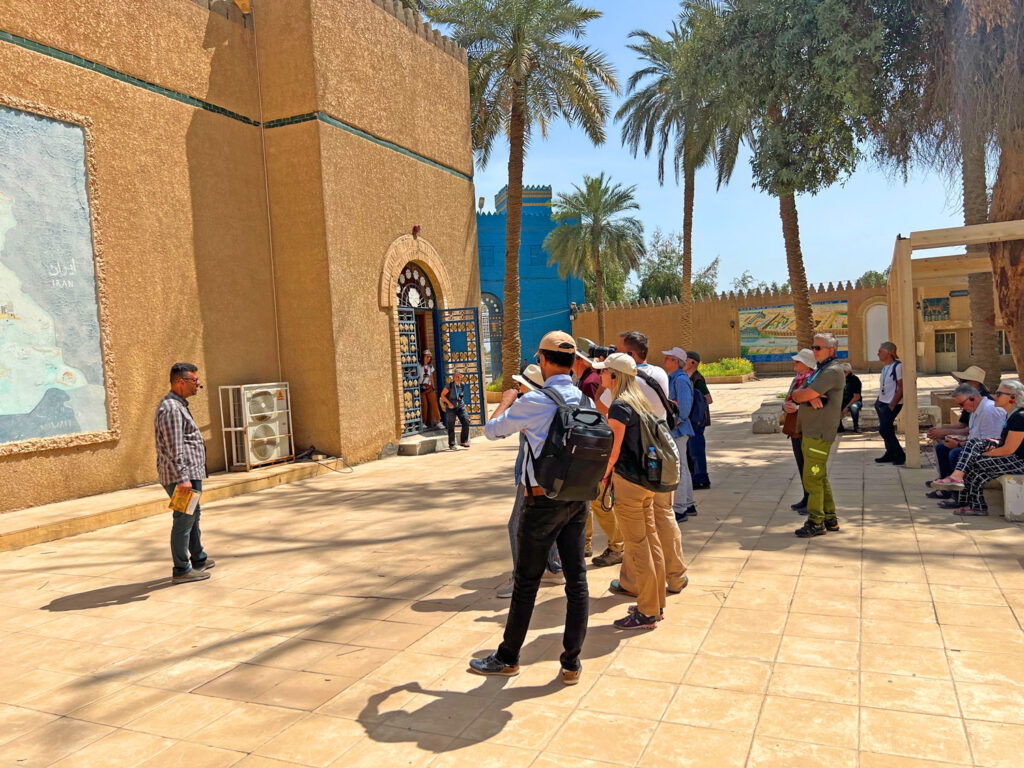
Contents
Why Travel to Iraq as a Tourist?
1. The Cradle of Civilization
The Tigris and Euphrates shaped the region known as Mesopotamia. Ur, Babylon and Nineveh flourished at different times and tell different parts of that history.
- Babylon: The UNESCO property includes remains of the Neo-Babylonian capital. Ancient accounts associate Babylon with the Hanging Gardens, but their location has not been established.
- Ur: A Sumerian city whose best-known surviving monument is its ziggurat. Its association with Abraham belongs to religious tradition.
- Nineveh: A former Assyrian capital near present-day Mosul.
Ask which archaeological stops are included and how much time the itinerary allows at each site.
2. Pilgrimage and Spiritual Journeys
Najaf and Karbala are major centers of Shia pilgrimage. Samarra brings together a shrine and a separate Abbasid archaeological site.
- Najaf: The resting place of Imam Ali, a central figure in Islam.
- Karbala: Home to the shrine of Imam Hussain, a focus of the Arbaeen pilgrimage.
- Samarra: The spiral minaret belongs to the ninth-century Great Mosque in the Samarra Archaeological City. The Al-Askari shrine is a separate stop.
At an active shrine, follow the venue’s guidance on dress, entry and photography. Leave space for worshippers, particularly during pilgrimages.
IRAQ GROUP TOURS
Join our Iraq tours, connecting you with like-minded travelers and streamlining the organization process.
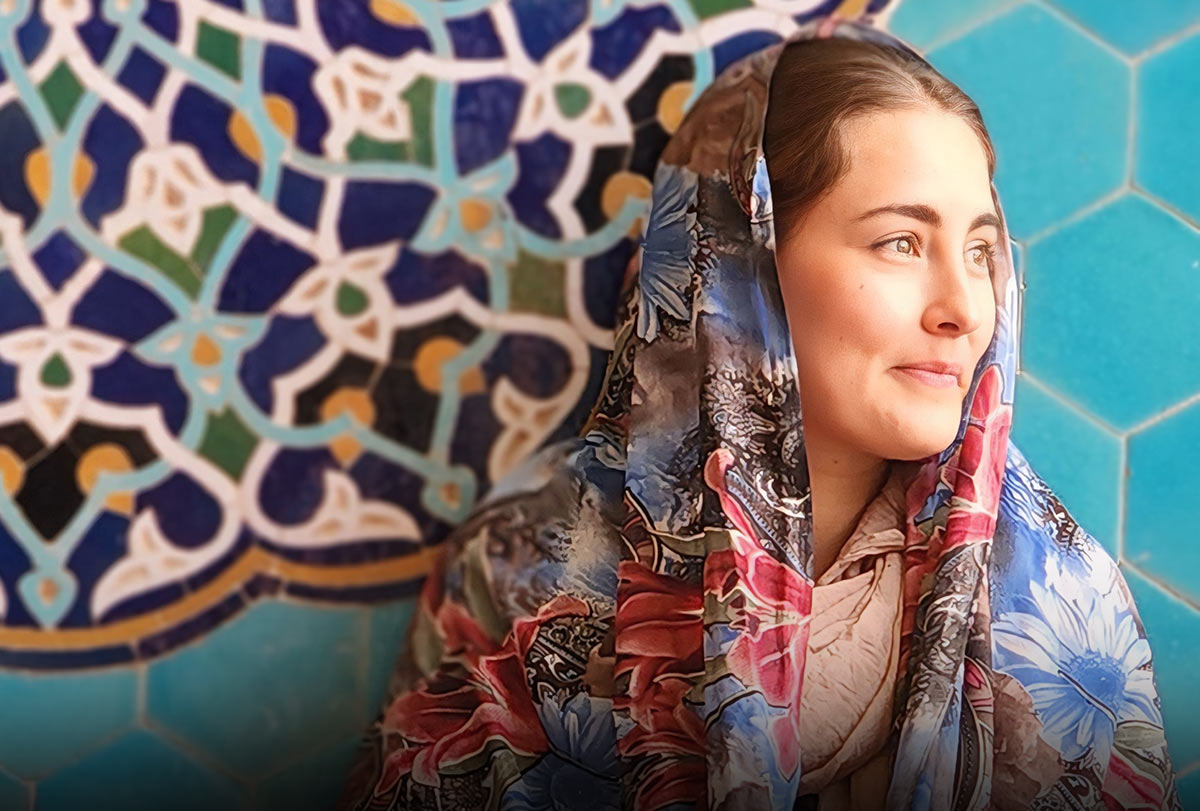
15-Day Iran & Iraq Tour
€3,540 | Early Bird €3,440
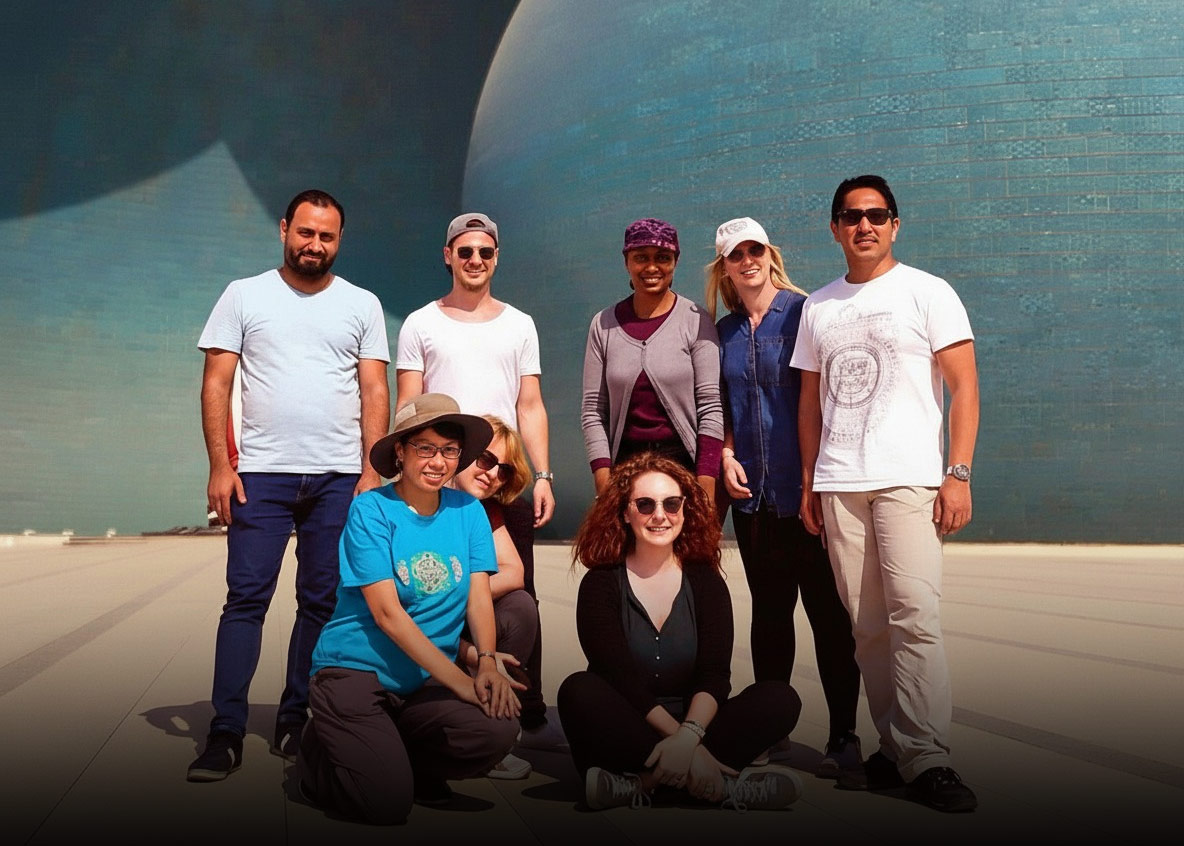
7-Day Iraq Heritage Tour
€1,950 | Early Bird €1,895
3. Cultural Experiences Beyond Expectations
Iraq offers more than ruins and shrines. Cities like Baghdad and Basra reveal a side of the country often overlooked.
- In Baghdad, explore bustling bazaars, sip strong Iraqi tea by the Tigris, and see the famous Al-Mustansiriya School.
- In Basra, discover Iraq’s connection to the Persian Gulf and its unique riverside lifestyle.
- In Erbil, the citadel sits on an archaeological mound above the surrounding city. Its surviving lanes and houses reflect the later Ottoman period.
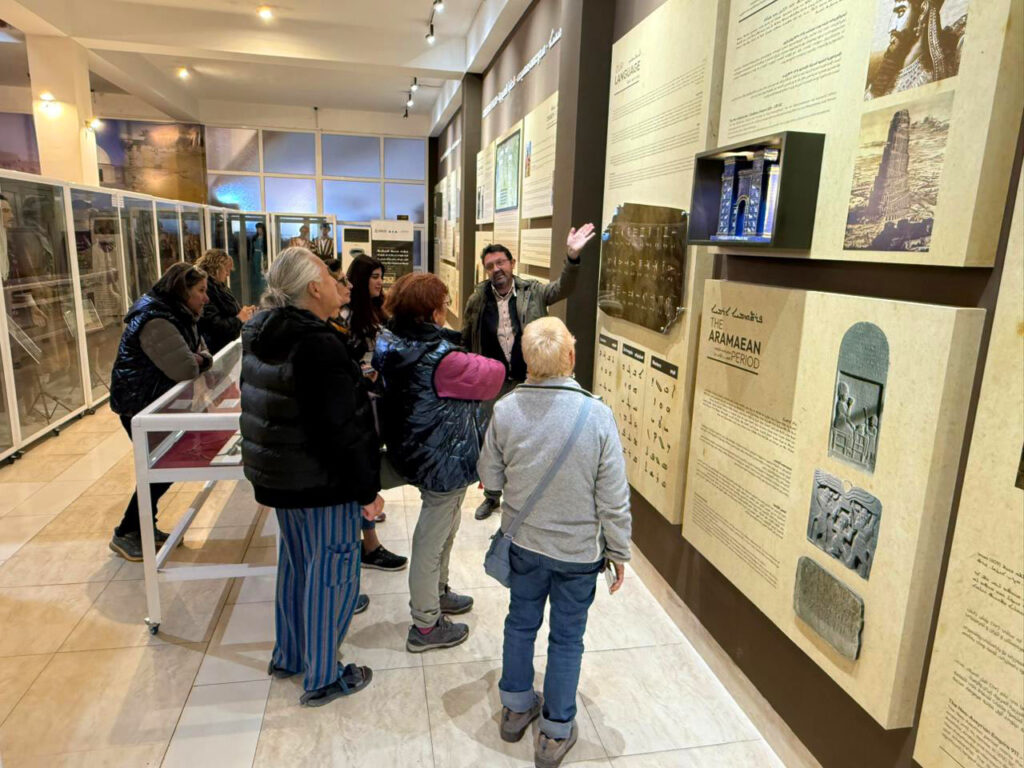
Is It Safe to Travel to Iraq?
Check your government’s current travel advice for every region on the itinerary. The UK Foreign Office’s Iraq advice sets out regional distinctions and links to entry and insurance guidance.
- Ask the operator to identify each overnight stop and road transfer so you can compare the route with the advice that applies to you.
- Check entry requirements for your passport and arrival point, including any onward travel between the Kurdistan Region and federal Iraq.
Before paying, ask what happens to deposits and transfers if part of the itinerary changes.
What to Expect on Iraq Tours
Guided Itineraries
Most Iraq tours cover a mix of historical, cultural, and religious sites. A typical itinerary may include:
- Baghdad: Museums, traditional markets, and the Abbasid Palace.
- Najaf & Karbala: Religious shrines and cultural immersion.
- Babylon: Archaeological wonders and historical exploration.
- Erbil (Kurdistan): Ancient citadel and modern lifestyle.
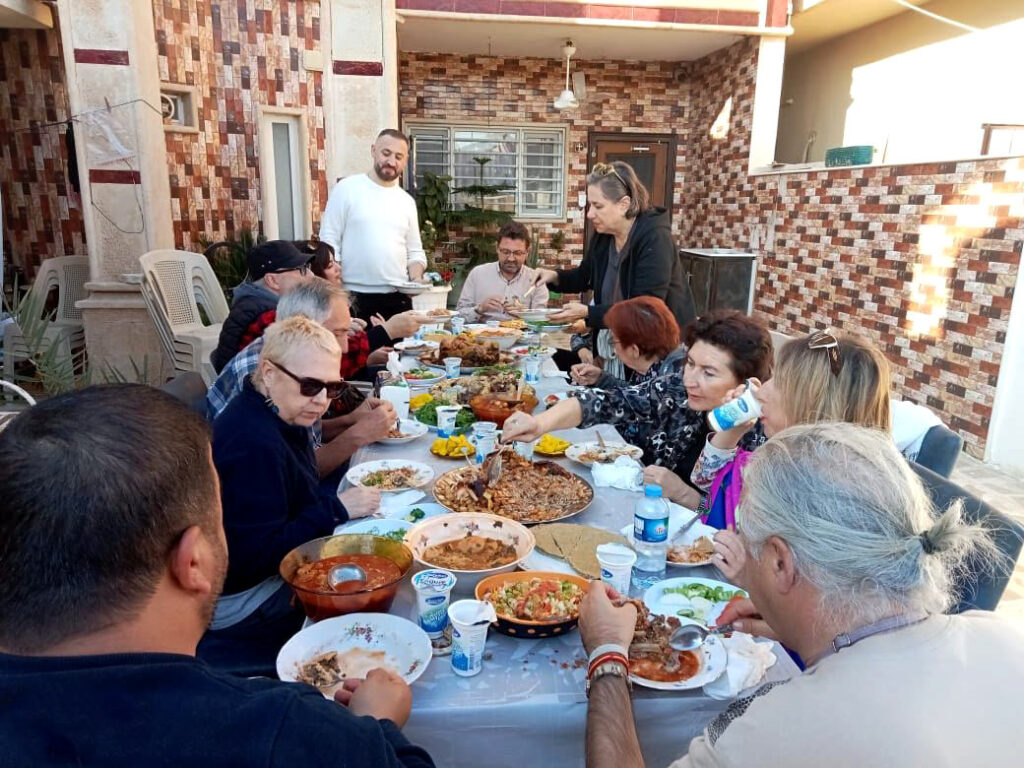
Hospitality and Food
Look for these dishes on menus and at bakeries. Their preparation and fillings vary by kitchen.
- Masgouf: Freshwater fish opened flat and grilled by a fire.
- Dolma: Stuffed vegetables or leaves. Ask what is in the filling if you avoid meat.
- Kleicha: Cookies with fillings such as dates.
Accommodation and Transport
Ask for the names and locations of the hotels, and whether airport transfers, site transport and meals are included in the quoted price.
When Is the Best Time to Travel to Iraq?
- Spring (March–May): Comfortable weather, ideal for sightseeing.
- Autumn (September–November): Another great season with mild temperatures.
- Summer (June to August): Heat can make long outdoor visits demanding, particularly in the south.
- Winter (December–February): Cold in Kurdistan, but pleasant in southern cities.
Practical Tips for First-Time Travelers
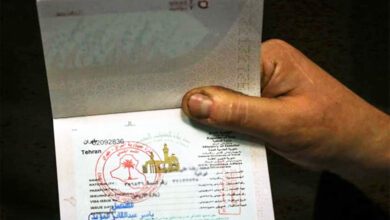
- Visa: Verify the rules for your passport and route with the relevant Iraqi authority before paying for flights or a tour.
- Dress Code: Conservative clothing is recommended, especially in holy cities.
- Currency: Iraqi Dinar (IQD). Carry some cash, as ATMs may not always be reliable.
- Connectivity: SIM cards are available in major cities.
- Tours: Ask who provides guiding, transport and assistance if a planned visit changes.
Why Iraq Should Be Your Next Destination
Choose stops according to what you want to understand. Babylon and Samarra illustrate different periods of urban history, while Najaf and Karbala are places of active worship.
Sample Iraq Tour Packages (Example Overview)
| Tour Type | Duration | Highlights | Ideal For |
|---|---|---|---|
| Classic Iraq Tour | 7–10 Days | Baghdad, Babylon, Najaf, Karbala | First-time travelers |
| Cultural & History Tour | 10–12 Days | Ur, Nineveh, Kurdistan, Baghdad | History lovers |
| Pilgrimage Tour | 5–7 Days | Najaf, Karbala, Samarra | Religious travelers |
| Kurdistan Tour | 6–8 Days | Erbil, Sulaymaniyah, Duhok | Nature and culture seekers |
Final Thoughts
Allow time at each site. A full day of transfers leaves little room for a museum or a slower visit around a shrine.
Use the example routes above to compare what each itinerary covers, and get the final list of sites and services in writing.
Confirm the route, entry requirements and cancellation terms before making a booking.
IRAQ GROUP TOURS
Join our Iraq tours, connecting you with like-minded travelers and streamlining the organization process.
15-Day Iran & Iraq Tour
€3,540 | Early Bird €3,440
7-Day Iraq Heritage Tour
€1,950 | Early Bird €1,895