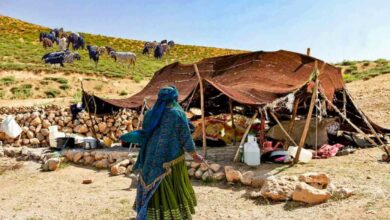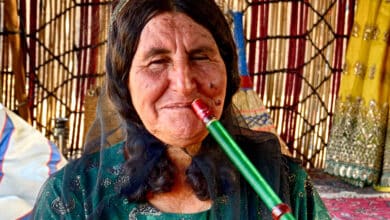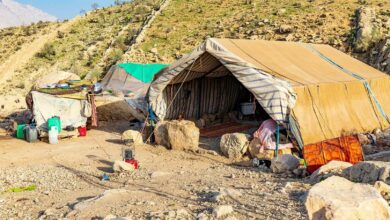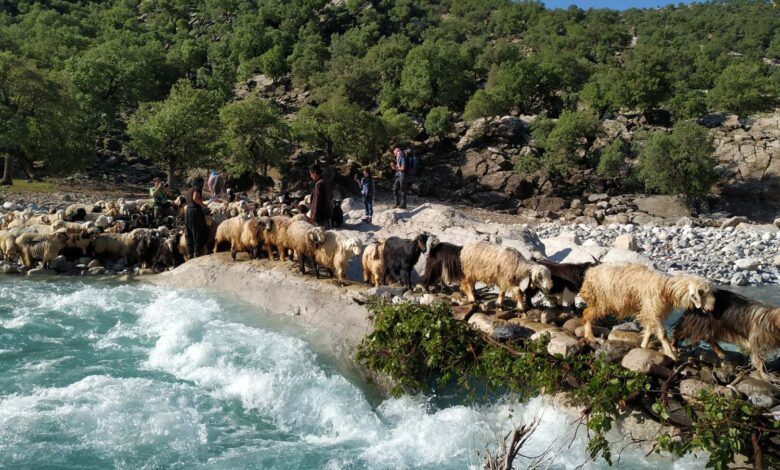
Iran’s nomadic and semi-nomadic communities offer a window into the country’s living pastoral traditions. In parts of the Zagros Mountains, some families move livestock between seasonal grazing areas in a practice often called kooch. A respectful visit can reveal how this work connects landscapes, food, crafts and family life.
These are working communities, not staged attractions. Experiences vary by season and host, and visitors should never assume that a family will be available or willing to receive guests.
Contents
1. Discover the Landscapes of the Zagros
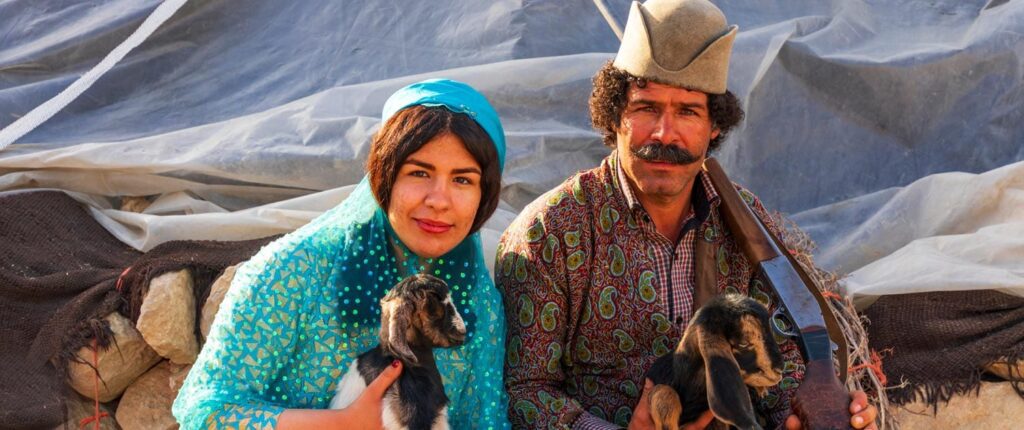
Mountain pastures, valleys and seasonal camps shape everyday decisions about grazing and travel. The scenery is part of a working landscape where water, weather and the condition of vegetation matter. A local guide can explain how routes and camp locations change through the year.
2. Understand Seasonal Migration and Daily Life
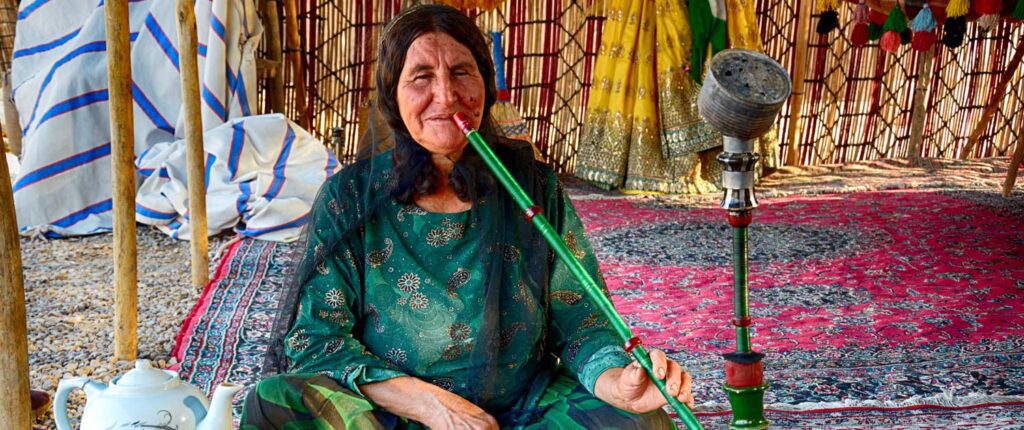
Seasonal movement is a practical response to pasture and climate conditions. The Food and Agriculture Organization describes mobility as an important strategy for pastoral livelihoods. Visitors may learn about animal care, food preparation or the organisation of a camp, but participation in daily tasks should happen only when hosts invite it.
Best Hotels in Iran
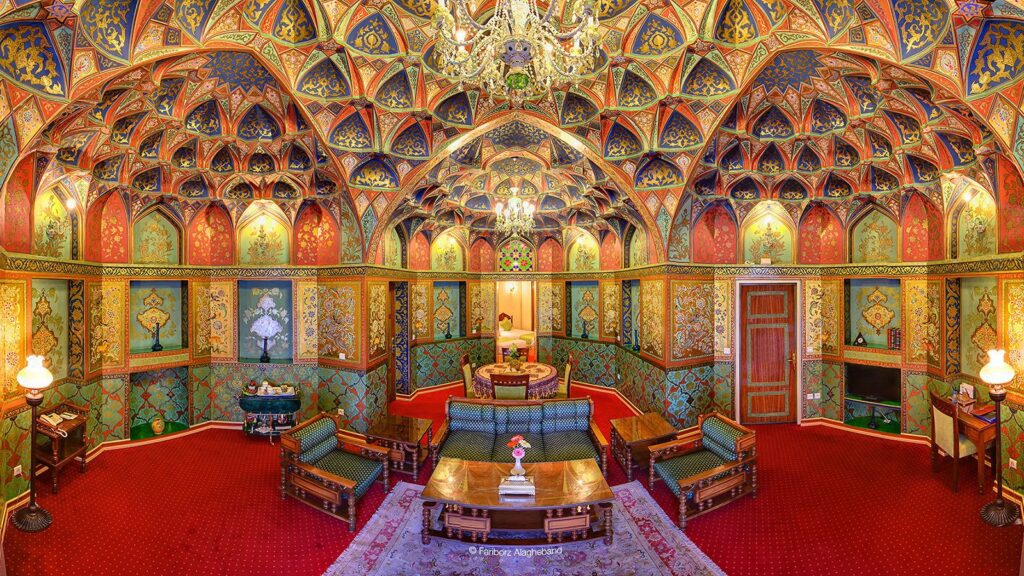
3. Appreciate Weaving, Food and Material Culture
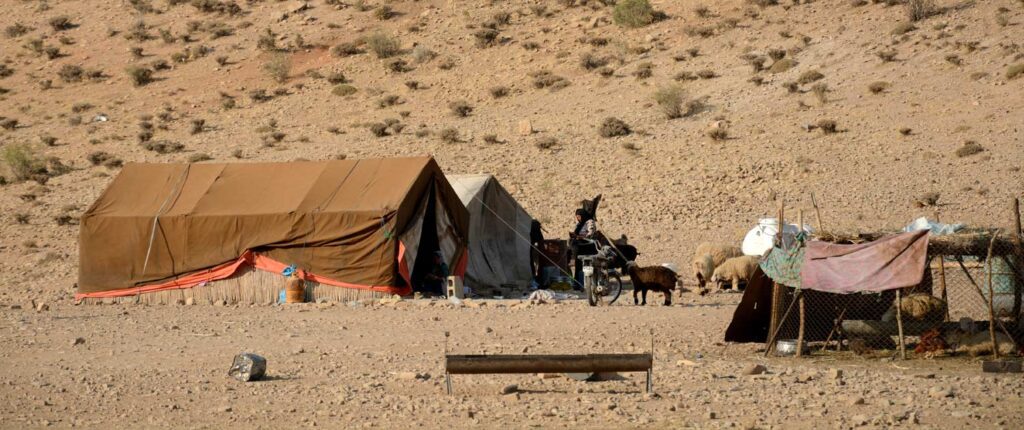
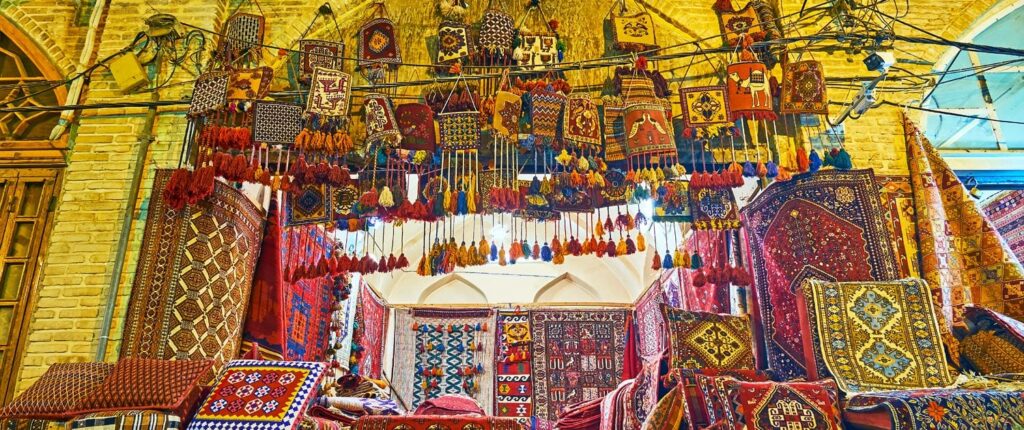
Tents, rugs, woven textiles and household objects reflect practical needs as well as personal and regional traditions. Ask hosts about the stories and skills behind the objects they choose to share. If crafts are offered for sale, buying directly from makers can be a more meaningful exchange than treating a home as a display.
4. Meet People on Their Own Terms
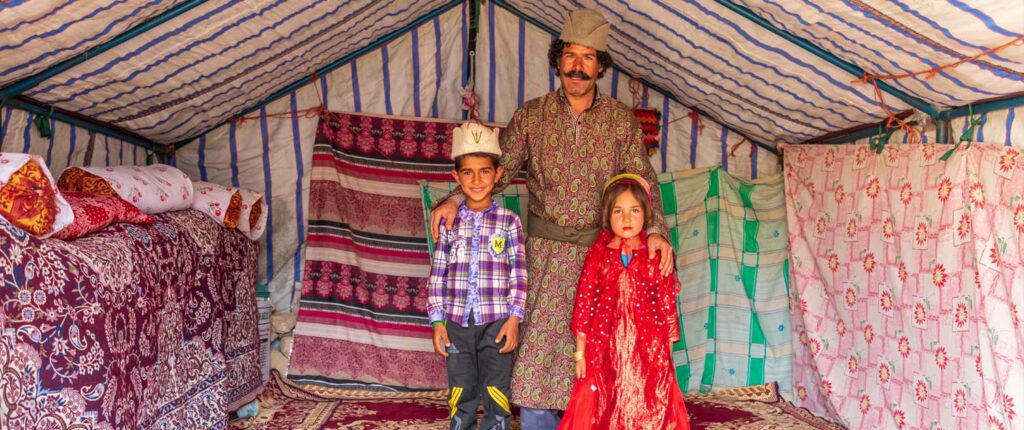
A visit can create space for conversation about family, work, education and changing ways of life. Listen without romanticising hardship or describing contemporary communities as relics of the past. Always request permission before photographing people, children or the inside of a home.
5. Enjoy a Thoughtful Outdoor Journey
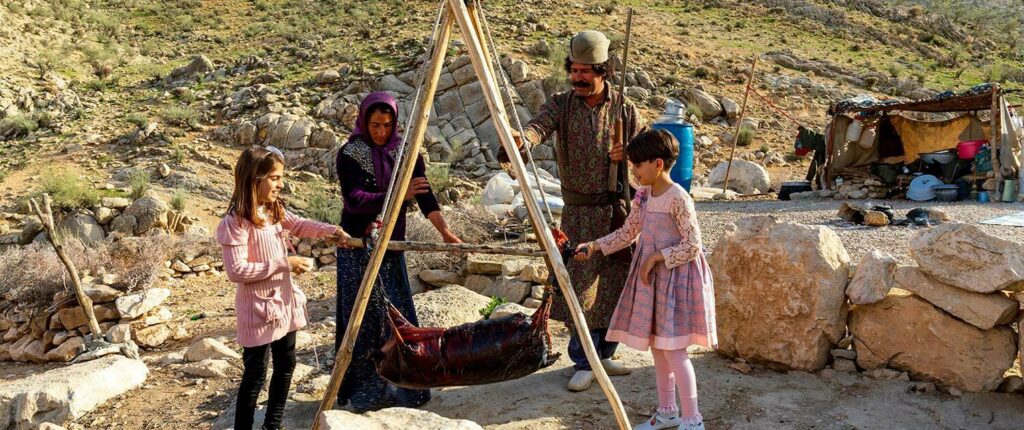
Depending on the season and local conditions, a visit may involve short walks, meals with hosts or time spent observing a camp’s routine. Conditions can be basic, and routes may change. Choose a knowledgeable local guide, carry appropriate clothing and water, and follow instructions that protect grazing land and community privacy.
Planning a Responsible Nomadic-Culture Visit
Arrange visits in advance and ensure hosts agree to the itinerary and compensation. Avoid interrupting essential work, respect cultural boundaries and leave no litter. Confirm current access conditions and official travel advice before planning a journey.
For background on seasonal pastoral movement, see UNESCO’s explanation of transhumance. This international heritage entry should not be mistaken for a specific UNESCO inscription of Iran’s nomadic communities. To explore locally arranged experiences, see SURFIRAN’s nomad tours or read about pastoralism and conservation in Iran.