10 Reasons to Visit Iran
Historic sites, regional food and routes through Iran


Many travelers hesitate before choosing Iran. This article offers 10 reasons to look at the country more closely.
Start with what you want to spend time on: archaeology around Shiraz, the lanes and water systems of Yazd, or food and crafts in several cities.

The examples below help you choose a route and compare the time and cost of its stops.
Contents
1. Hospitality and Everyday Etiquette
Tea is a familiar gesture of hospitality. An offer may also be part of taarof, a form of courtesy that can involve offering and declining more than once.

Thank the person and take your cue from the conversation. If an offer concerns a price or a ride, clarify the practical details before accepting.
A shared meal or a cup of tea can be a chance to talk about the place you are visiting. A private invitation depends on the people you meet.
Read More: Iran Travel Guide
Ask before photographing people or taking pictures inside a home.
2. Build an Itinerary Around Your Budget

Compare the cost of a guesthouse, transport between cities, admission and any guiding you need. A route with fewer overnight stops can leave more of the budget for site visits and local meals. When shopping for a Persian carpet, ask about the materials, where it was made and how it will be shipped.
3. Mountains, Forests and Desert Landscapes
The Alborz mountains and the Caspian slopes offer a different setting from the desert southeast. The Lut Desert contains dunes, stony plains and long ridges shaped by wind.
Build the trip around the region and season you want to see. An outing in the mountains and a drive through the desert call for different transport and preparation.
4. Read History at Its Sites
Leave time for the details at each site. Reliefs, building foundations and inscriptions can reveal more than a long list of stops.
At Persepolis, the Achaemenid ceremonial complex is visible in its terrace, stairways and surviving reliefs. The UNESCO country list helps you find other properties along your route.
5. Regional Food and Sweets
Try a stew such as gheimeh with rice, then compare it with dishes from the next region on your route. A menu gives you a better sense of local cooking when you ask how the dish is prepared.

In Yazd, look for qottab or local baklava in a sweet shop. In Ahvaz, the falafel shops of Lashkarabad offer a different kind of food stop.
IRAN GROUP TOURS
Explore sample small-group routes. Departure dates, availability and final prices are confirmed case by case before booking.
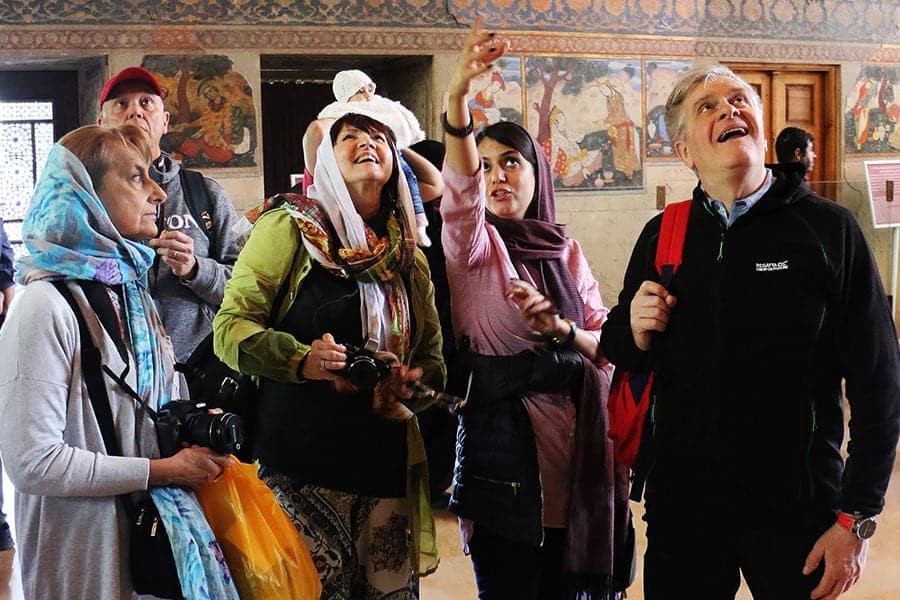
Iran 7-Day Tour
Final price and availability on request
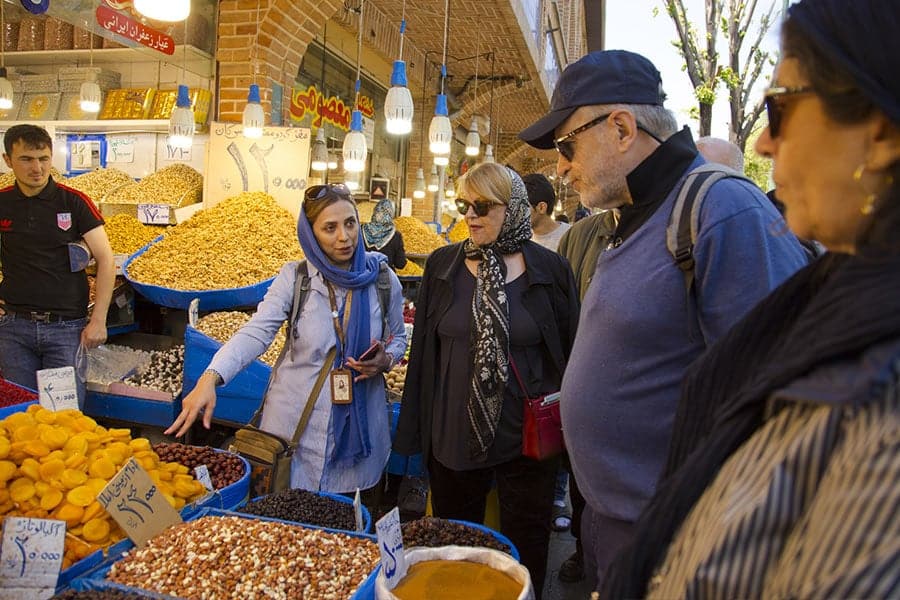
Iran 9-Day Tour
Final price and availability on request
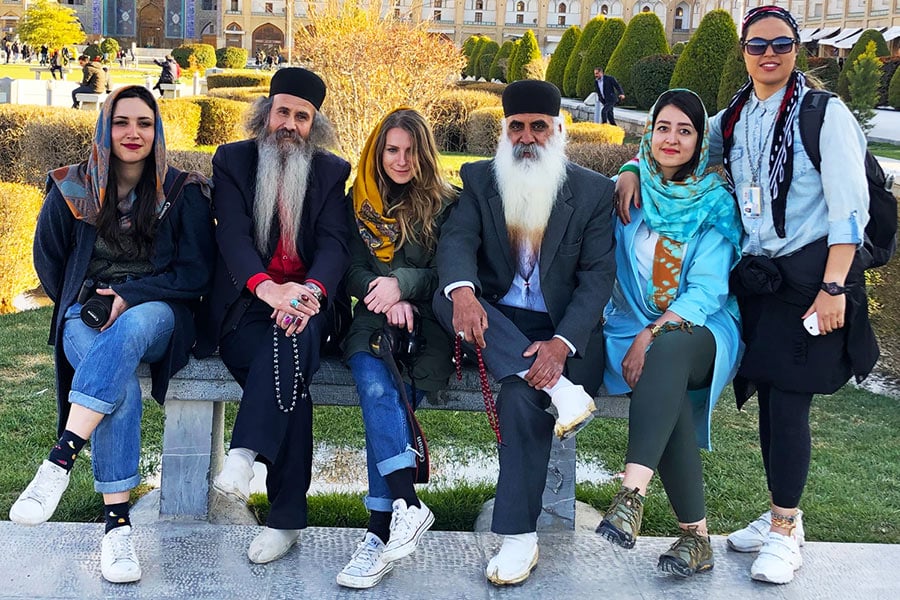
Iran 15-Day Tour
Final price and availability on request
6. See How Local Crafts Are Made
On the Persian Gulf coast, hand-built wooden Lenj boats are part of a tradition that includes navigation, fishing and work songs.
A boatyard visit and a conversation about a woven carpet show different kinds of skill. Ask about the tools and materials, and get permission before photographing a workshop.
7. Choose Transport to Fit Your Route

Compare trains, buses and flights for the specific cities you want to visit. Include the journey to the station or airport and the onward transfer.
For a stop outside a city, plan the return journey before you leave. An archaeological site or a rural garden can take more time to reach than a map suggests.
Best Hotels in Iran
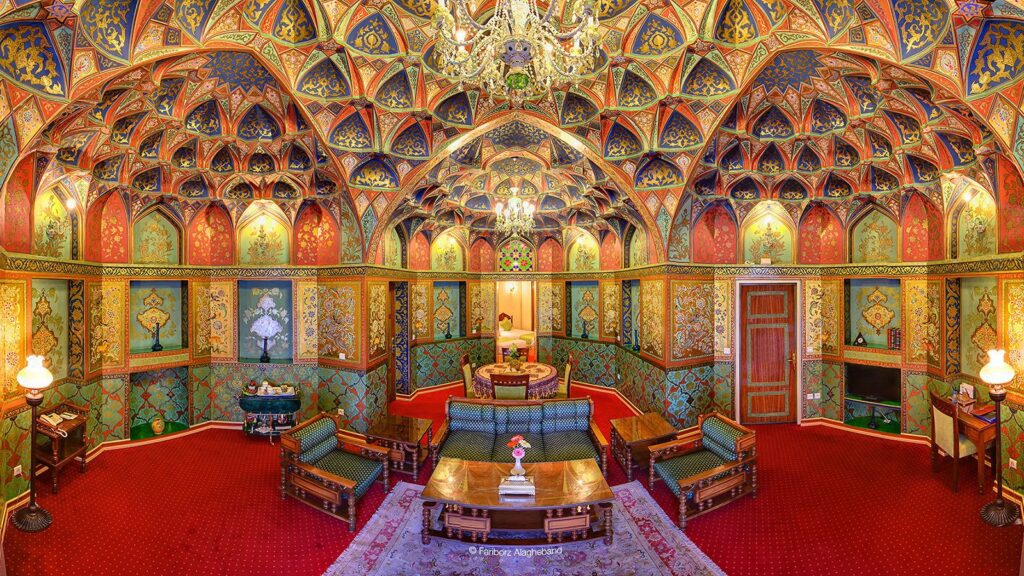
8. Make Time for Museums and Neighborhoods
Pair a museum visit with a walk through a historic neighborhood. The objects on display give context for the brickwork, tilework and textiles you can see elsewhere on the trip.

9. Compare Persian Gardens and Earthen Cities
In Yazd, windcatchers, courtyards and shaded lanes show how buildings respond to heat. At Eram Garden in Shiraz, look at how the pavilion, paths and water channels organize the grounds.

10. Plan Around a Theme
Choose one thread for the trip. Water connects the qanats of Yazd with formal gardens, while a route around Shiraz can bring together Achaemenid archaeology and garden design.
Seeing a place for yourself is a core part of travel. Join SURFIRAN tours.
Read More