Tips for Money Exchange in Iran: Your Comprehensive Guide
All You Need to Know About Money Exchange While You are in Iran.

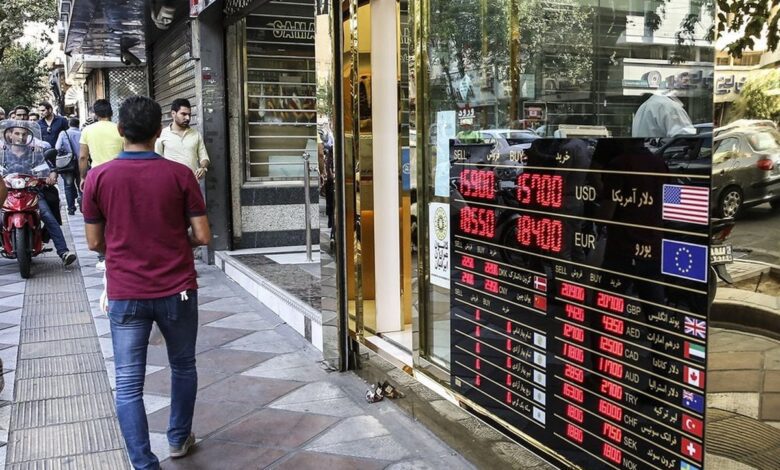
Visitors to Iran should plan how to pay for transport, accommodation and daily expenses before departure. International cards are generally not accepted on the domestic payment network, and exchange rates can change quickly. This guide explains cash, the rial and toman, licensed exchange offices and possible local payment-card options.
Check the latest payment rules with your bank and travel provider before relying on any particular method. The information below is general travel guidance, not a live exchange-rate quotation.
Contents
Rials and Tomans: Understanding Prices
Iran’s currency is the rial (IRR). In everyday conversation, prices are commonly expressed in tomans: traditionally, one toman means ten current rials. For example, 100,000 current rials equals 10,000 tomans. Always ask which unit a quoted price uses before paying.
As Reuters reported in October 2025, Iran approved a gradual plan to remove four zeros from the rial, not an overnight conversion of all prices and banknotes. During implementation, older and newer denominations may need to be distinguished. Check the Central Bank of Iran for current official guidance rather than relying on examples in older travel articles.
Internationally issued Visa and Mastercard cards generally do not work at Iranian ATMs or point-of-sale terminals because Iran’s banking network is not integrated with those global systems. Do not assume that an overseas card, digital wallet or international transfer will work; confirm a lawful payment plan before travelling.
Which Foreign Currency Should You Bring?
Plan a realistic cash reserve for expenses that cannot be prepaid, without carrying more than is safe or permitted. Check your home country’s rules on carrying and declaring currency, along with any applicable sanctions and entry requirements.
Euros (EUR) and US dollars (USD) are commonly sought at Iranian exchange offices. Acceptance of British pounds, UAE dirhams and other currencies can vary by location, availability and the condition of the notes.

Compare the total amount of rials offered after fees, not just the advertised rate. Do not assume that every office accepts every denomination or that a published online quote is a guaranteed cash rate.
Clean, undamaged banknotes are easier to exchange. Bring a practical mix of denominations, keep an emergency reserve separate from daily cash and retain exchange receipts.
Iranian Banknotes and Cash Denominations
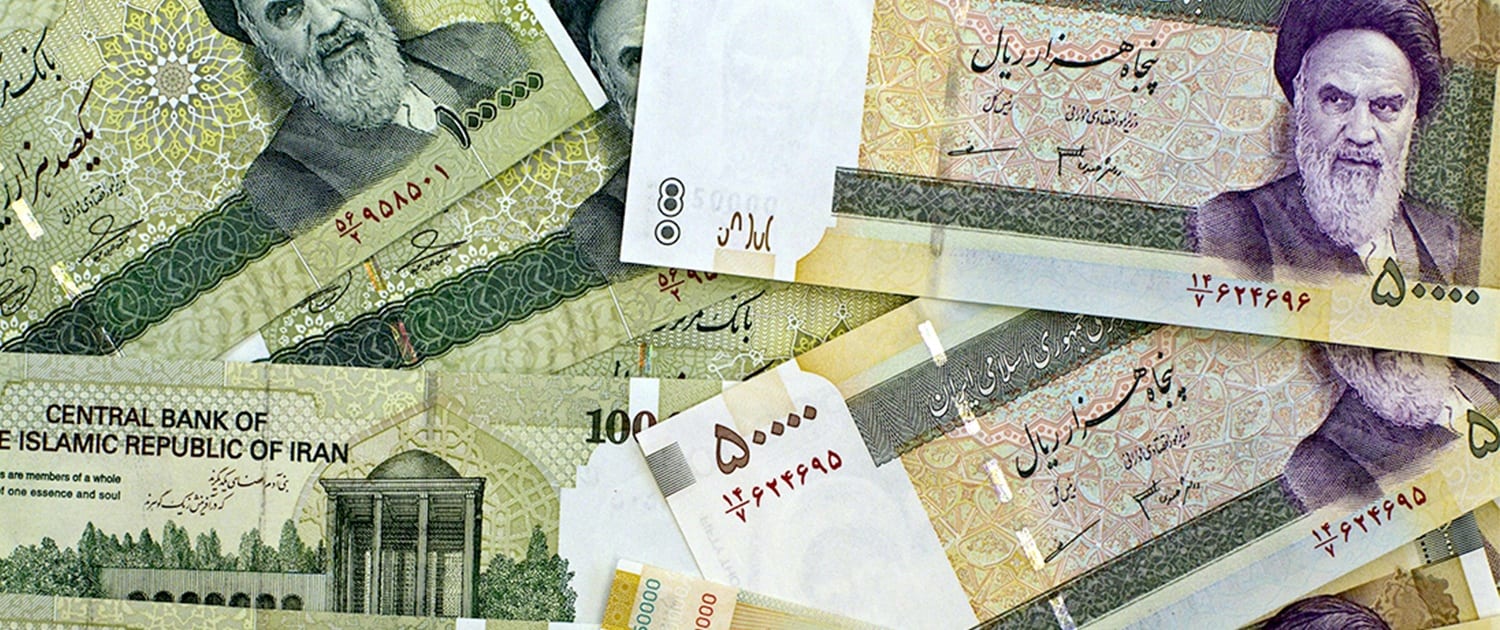
Banknotes and Iran-cheques are both used for cash payments. Denominations have changed over time, including the introduction of larger-value Iran-cheques in 2026. Older lists of “current” notes and their approximate euro value become outdated quickly.
When checking a price, confirm whether it is in current rials or tomans. The written unit may not match the way a seller says the amount aloud. Repeat the total back before handing over cash.
What Is an Iran-Cheque?
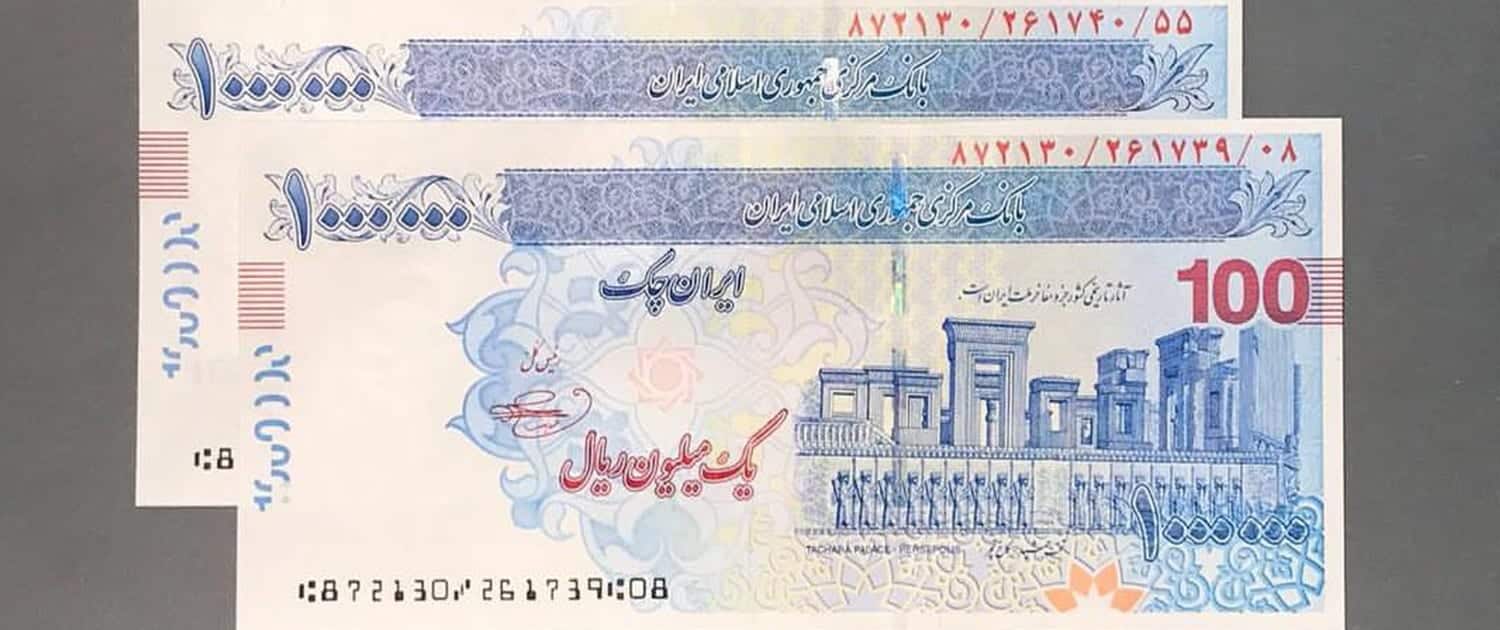
Iran-cheques, sometimes called chek-pul, are high-denomination instruments issued by the central bank that circulate much like banknotes. They are not the same as a personal traveller’s cheque drawn on an overseas bank.
Available denominations and security features may change. Inspect notes carefully and ask a bank or licensed exchange office about any unfamiliar issue. Do not rely on a fixed list of values from an old guide.
For most international visitors, exchanging an accepted foreign currency after arrival is more practical than trying to obtain Iranian cash abroad. Availability abroad varies and cannot be guaranteed.
Iran Tourist Card
Official and Market Exchange Rates
Iran has multiple exchange-rate mechanisms, including official reference rates and rates quoted for retail currency exchange. A central-bank figure is not necessarily the amount a visitor will receive for a cash transaction. Consult the Central Bank of Iran’s published rates for official information.
For an indication of market movements, some travellers consult Bonbast and compare it with quotations from licensed exchange offices. Third-party rates may be delayed or differ from what a shop will actually pay.
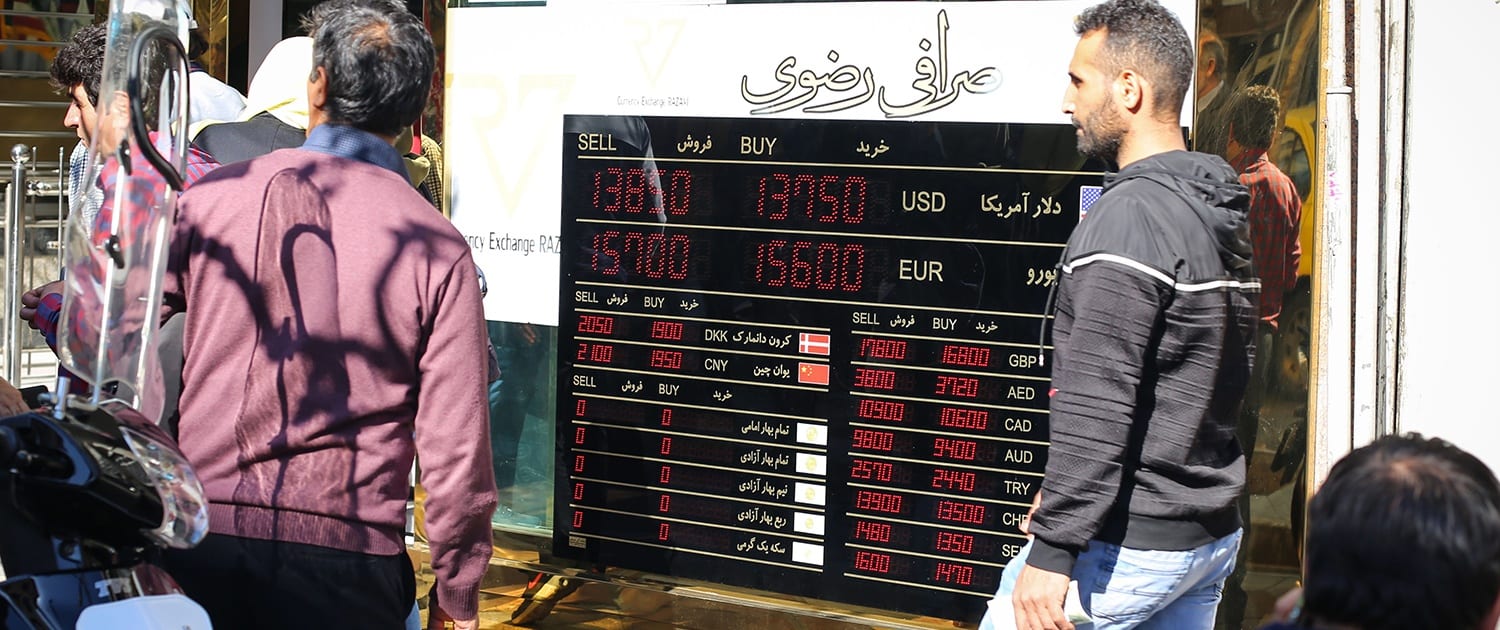
Airport exchange facilities may be convenient for a small amount needed on arrival, but opening hours, availability, rates and fees vary. Compare the quoted net amount before exchanging a larger sum.
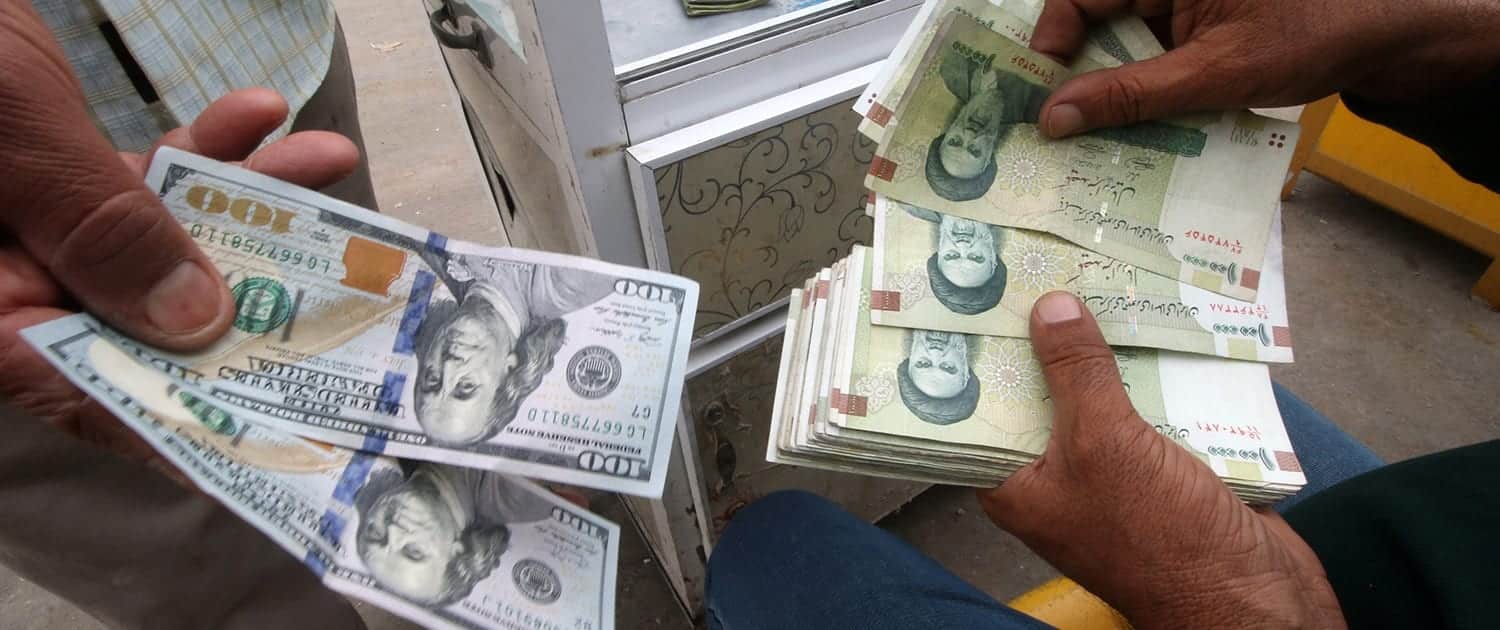
In major cities, ask your hotel or a trusted local contact to identify a currently operating, licensed exchange office. Avoid assuming that a location recommended in an older guide still has the same services.
Tehran: Ferdowsi Square and nearby streets have historically been associated with currency exchange, but verify individual office locations and opening hours.
Shiraz: exchange services have operated around central commercial districts, including areas near Karim Khan. Confirm current addresses before travelling across the city.
Isfahan: check licensed offices in central business districts; street-level availability changes and should not be treated as permanent.
Yazd: ask your accommodation to identify a reputable licensed exchange provider and verify opening hours in advance.
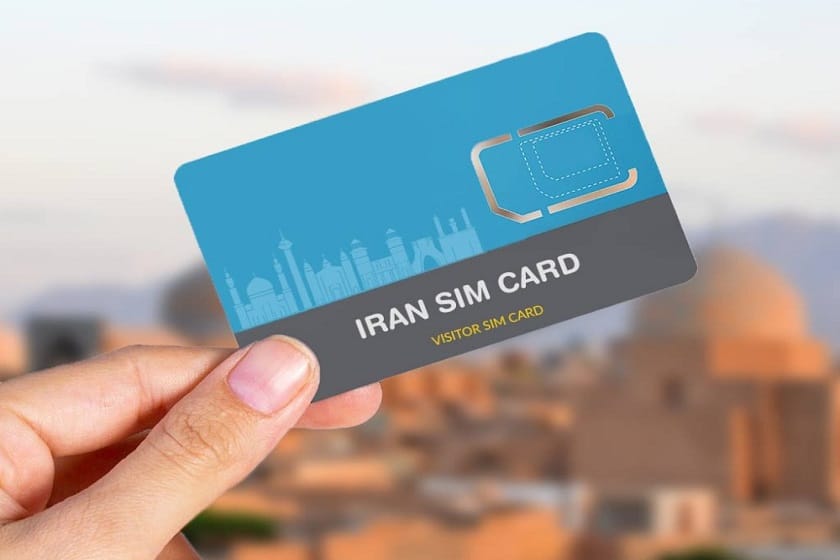
IRAN 4G SIM Card
Do not exchange money with unlicensed street brokers. Ask for a clear rate, check the currency and amount in front of the cashier, and obtain a receipt. Counterfeit notes and fraud are risks in informal transactions.
Carry cash discreetly, avoid displaying large amounts in public and divide your reserve between secure places. Use accommodation safes where appropriate and keep emergency contact information accessible.
Where to Exchange Currency in Iran
Smaller towns and rural destinations may have fewer exchange services. Arrange enough local currency before leaving a major city, while respecting cash-carrying and declaration rules.
Business hours differ by city, provider, public holiday and market conditions. Fridays and official holidays can affect availability; never assume all exchange offices close on Thursdays or operate only in the morning. Check directly before visiting.
How to Compare Exchange Rates
An online currency converter may show a reference rate that differs substantially from a retail cash quote. Look for the date, currency unit, rate category and source of any number you see.
The amount you receive depends on the provider’s buy rate, fees, the currency and denomination offered, and local market conditions. Avoid comparing a bank’s official reference rate with a street-market quote as though they were the same product.
Ask two licensed providers for the same cash transaction and compare the net rials you would receive. If the exchange market is volatile, postpone nonessential conversions rather than making decisions from an unverified social-media rate.
Tourist Cards and Alternatives to Cash
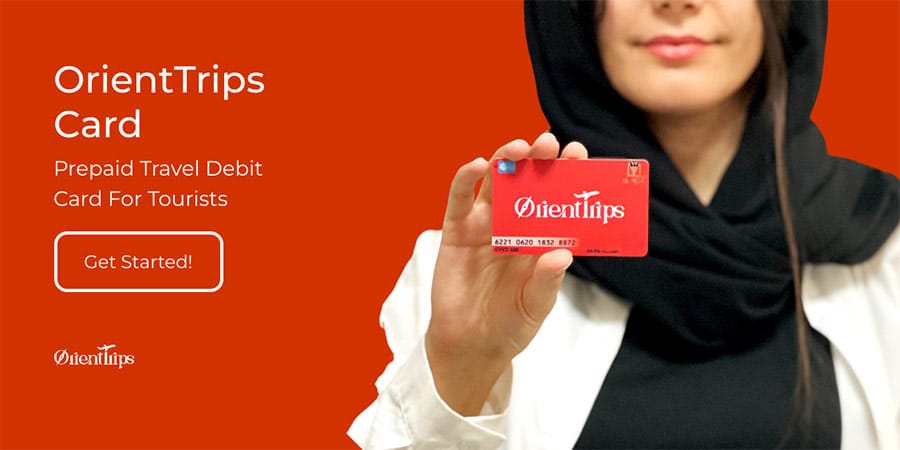
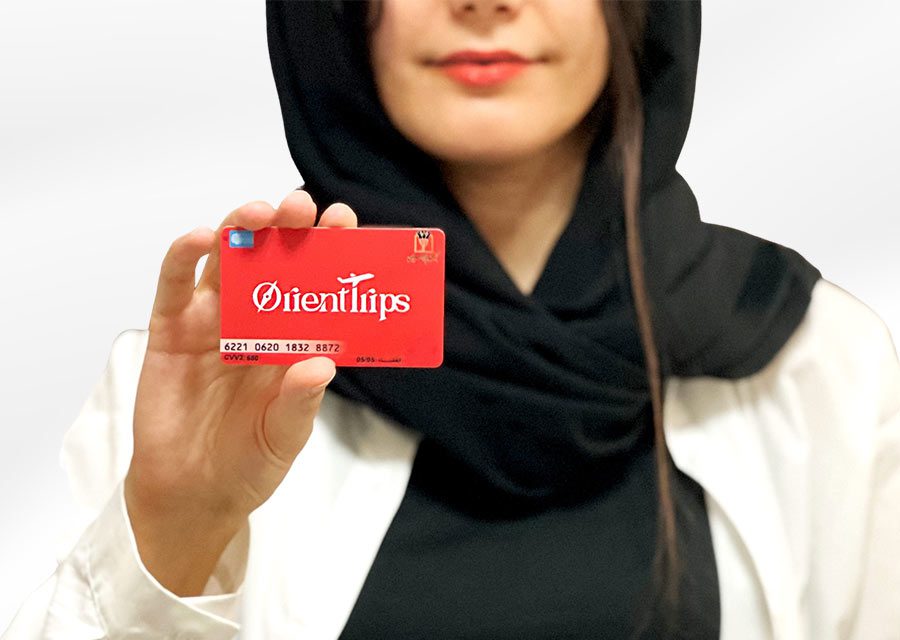
Some local prepaid or tourist-card products may reduce the need to carry all spending money in cash. OrientTrips Tourist Card is one option to investigate, but availability, eligibility, funding methods, fees and acceptance must be confirmed before purchase.
Do not assume you can top up a card instantly from any foreign bank or use it at every merchant. Request current written terms and confirm what happens to unused balances at the end of your trip.
For product details and current availability, see Iran Tourist Card information.
Some Iranian banks, including Bank Melli Iran, offer domestic banking services. This does not mean every bank can issue a usable card to a foreign tourist. Confirm identity requirements, branch availability and funding restrictions directly.
For more practical planning, see the related guides below.





I love this City be cause I need to be there and I love people over there