Arg-e Bam: History, Architecture & Visitor Guide
Arg-é Bam Travel Guide

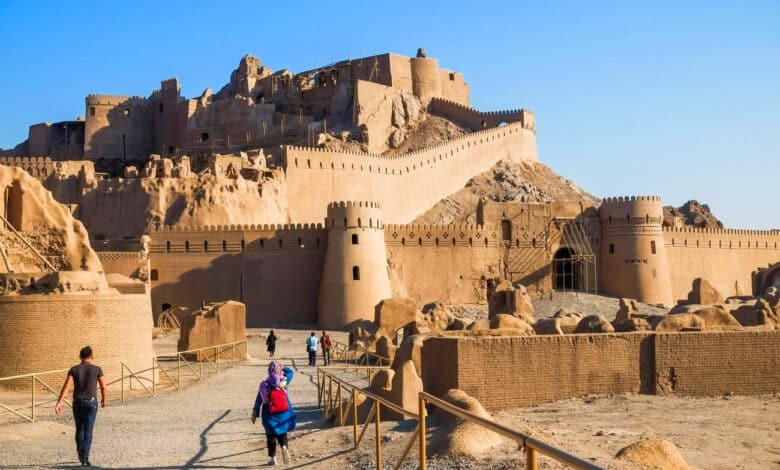
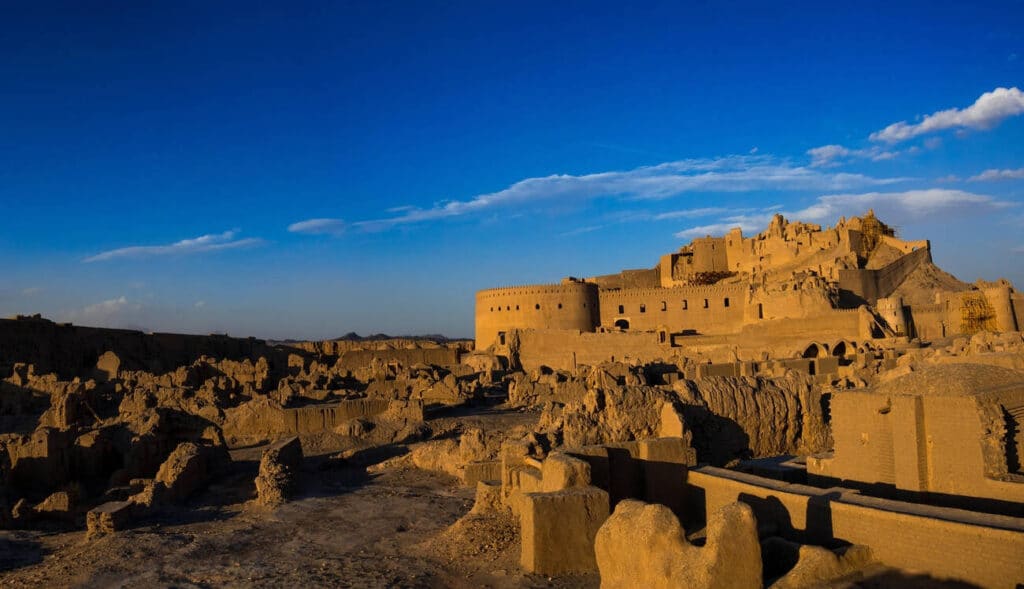
Arg-e Bam, or Bam Citadel, is the monumental earthen fortress at the heart of Bam and its Cultural Landscape in Kerman Province, southeastern Iran. UNESCO traces the origins of the citadel to the Achaemenid period and earlier, while its main period of prosperity came between the 7th and 11th centuries, when Bam stood at the crossroads of important trade routes.
The citadel is best understood as part of a wider oasis landscape shaped by qanats, agriculture, trade, and earthen architecture. A major earthquake on 26 December 2003 severely damaged Bam. The property was inscribed on the UNESCO World Heritage List in 2004 and simultaneously placed on the List of World Heritage in Danger. After extensive stabilization and conservation work, UNESCO removed it from the danger list in 2013.
Contents
Why Arg-e Bam Matters
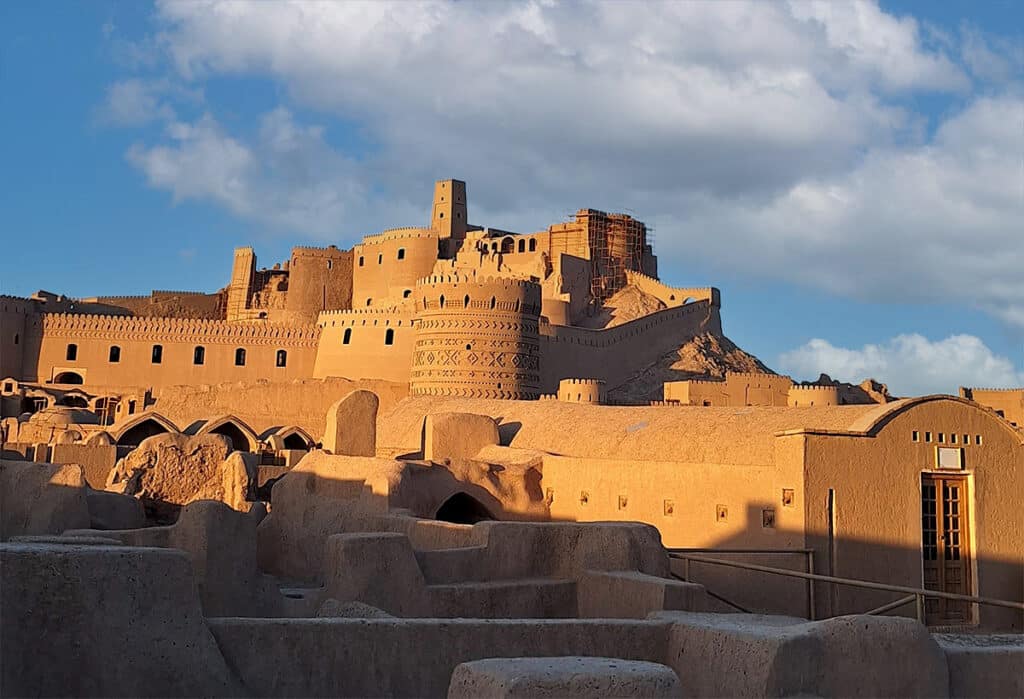
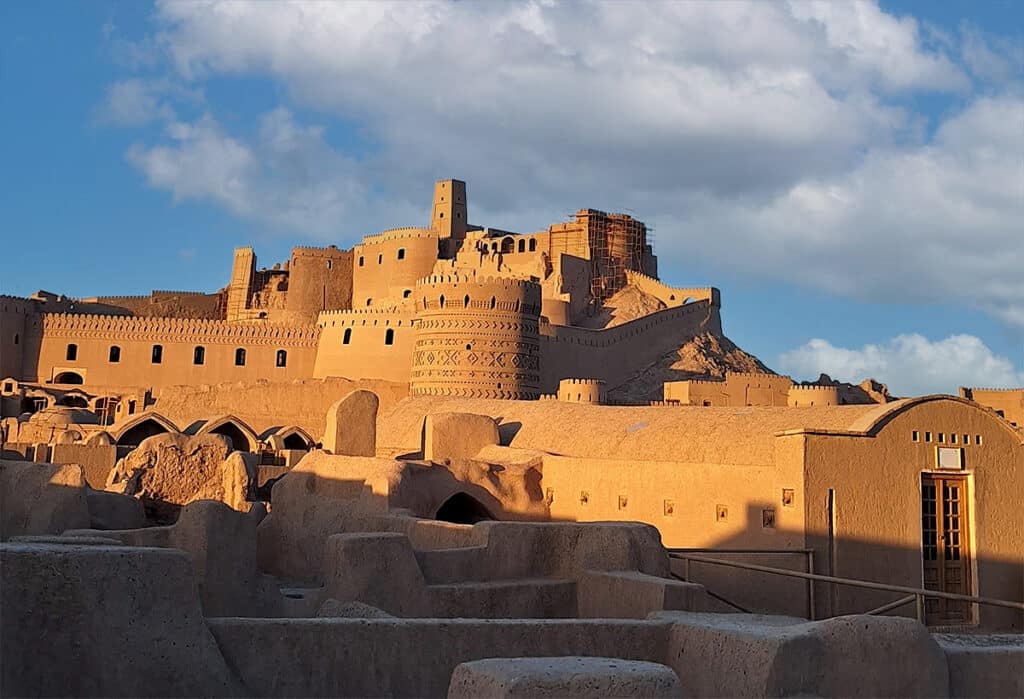
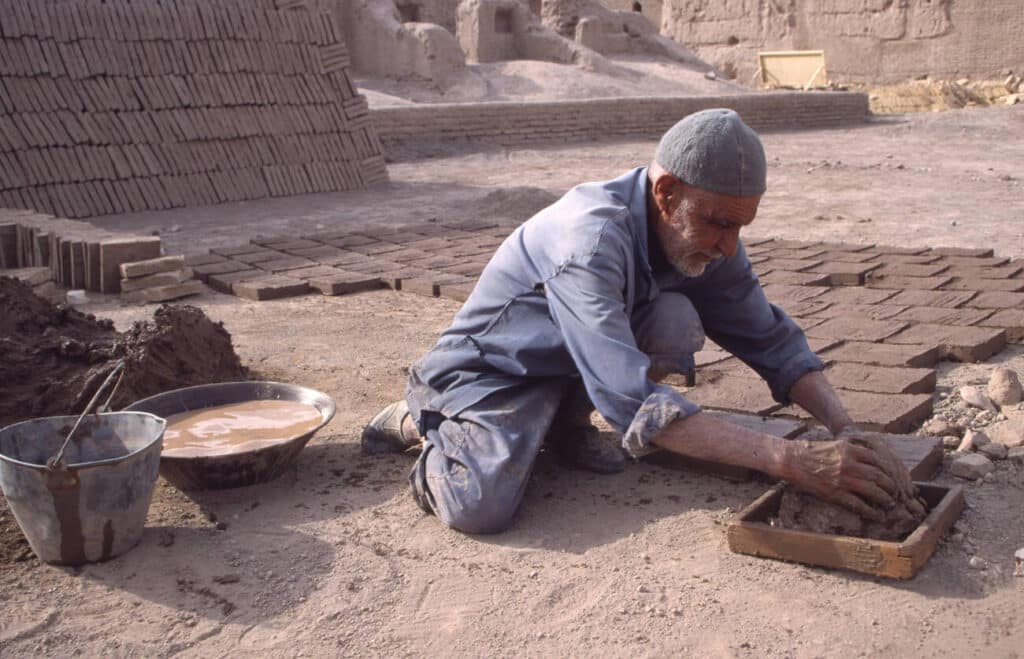
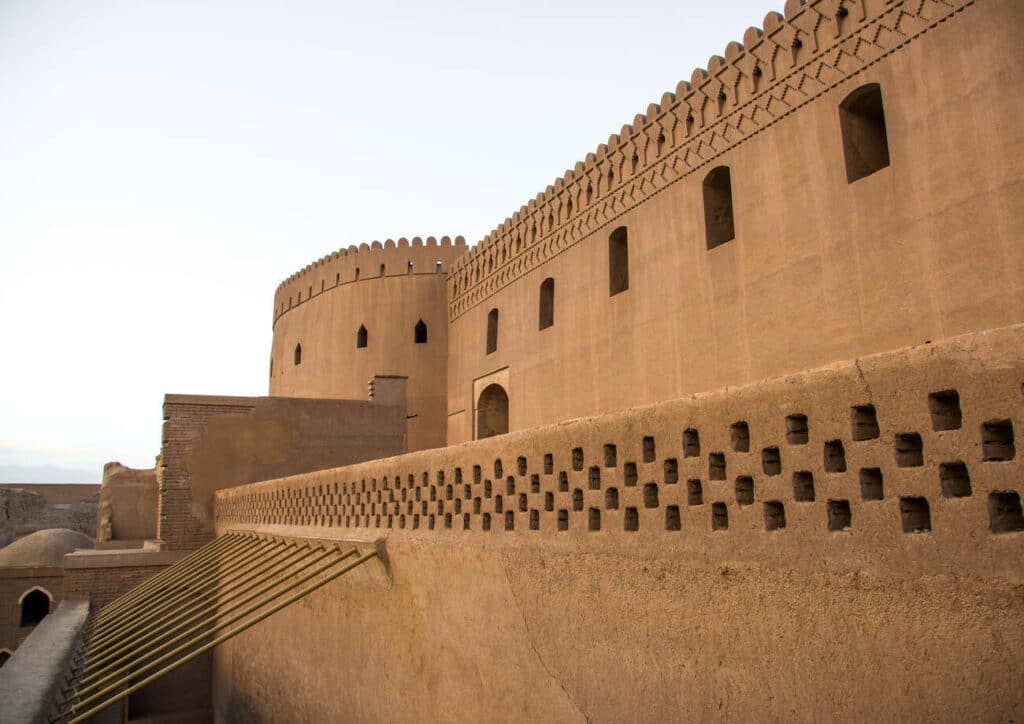
UNESCO describes Arg-e Bam as an outstanding example of a fortified medieval town built with vernacular earthen techniques. Builders used chineh, layers of earth, and khesht, sun-dried mud bricks, alongside vaulted and domed forms. The citadel includes the governor’s quarters and a fortified residential area, while the wider cultural landscape contains historic forts, settlements, qanats, and cultivated land.
Bam’s location linked routes toward Central Asia, the Persian Gulf, and lands farther west. Silk and cotton garment production became especially important during the city’s medieval heyday. The qanat network made permanent settlement and farming possible in an otherwise arid environment.
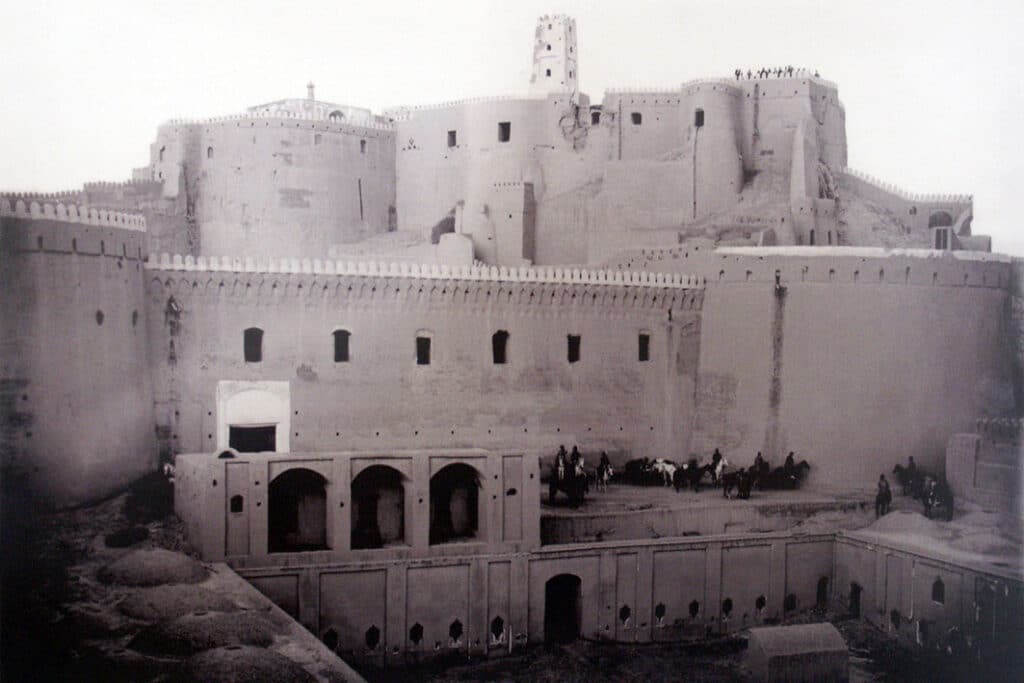
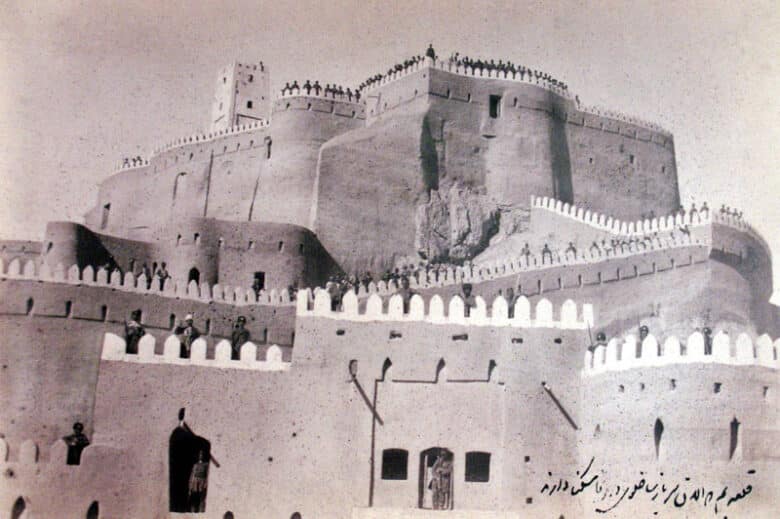
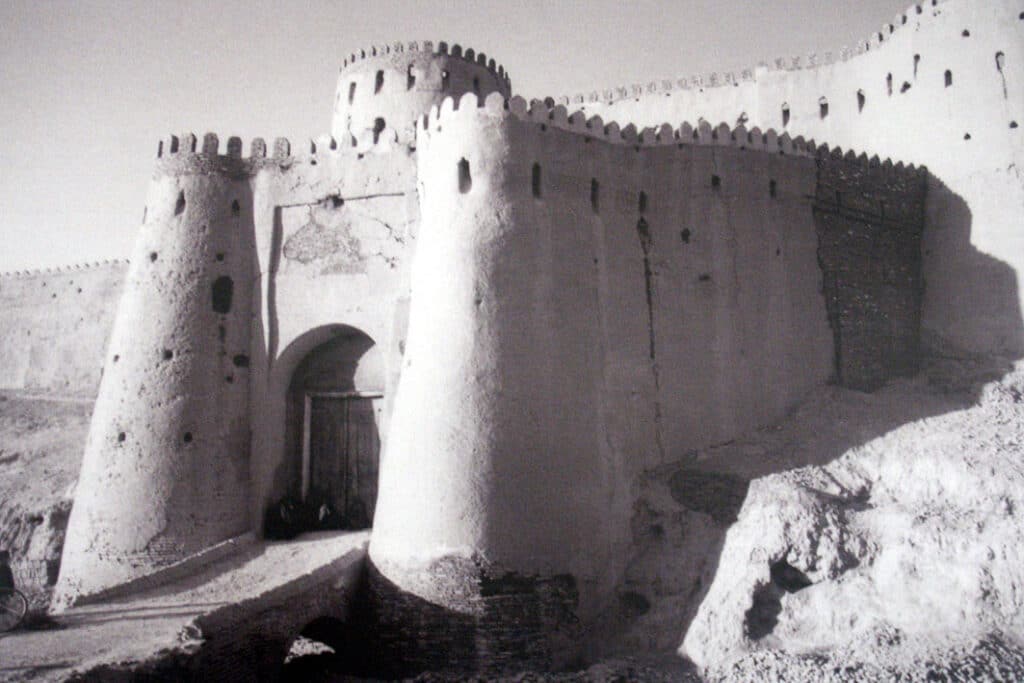
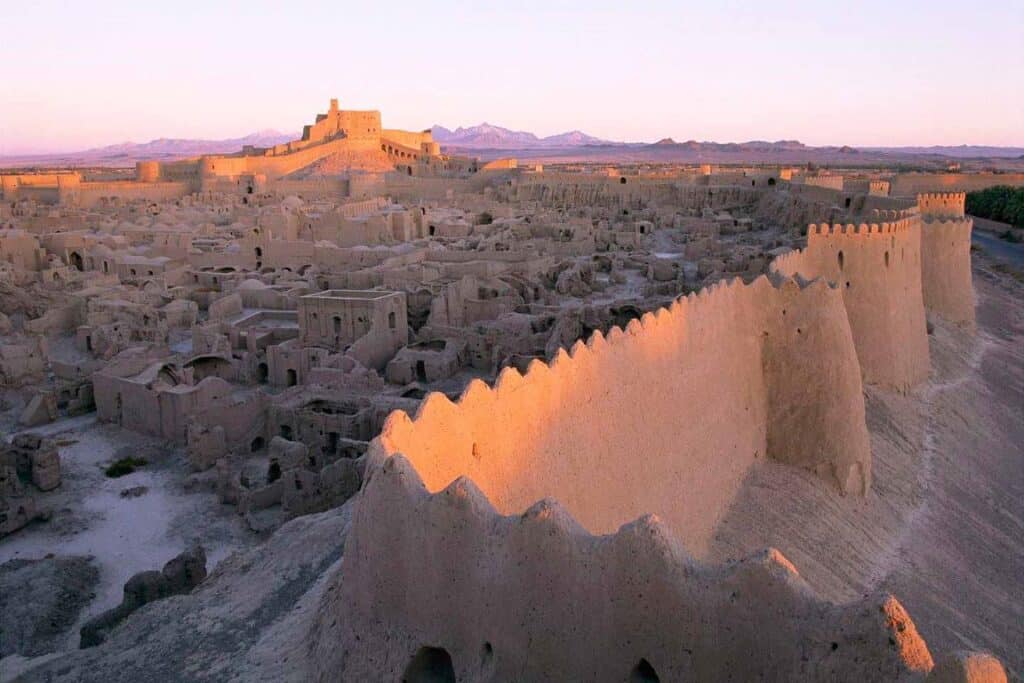
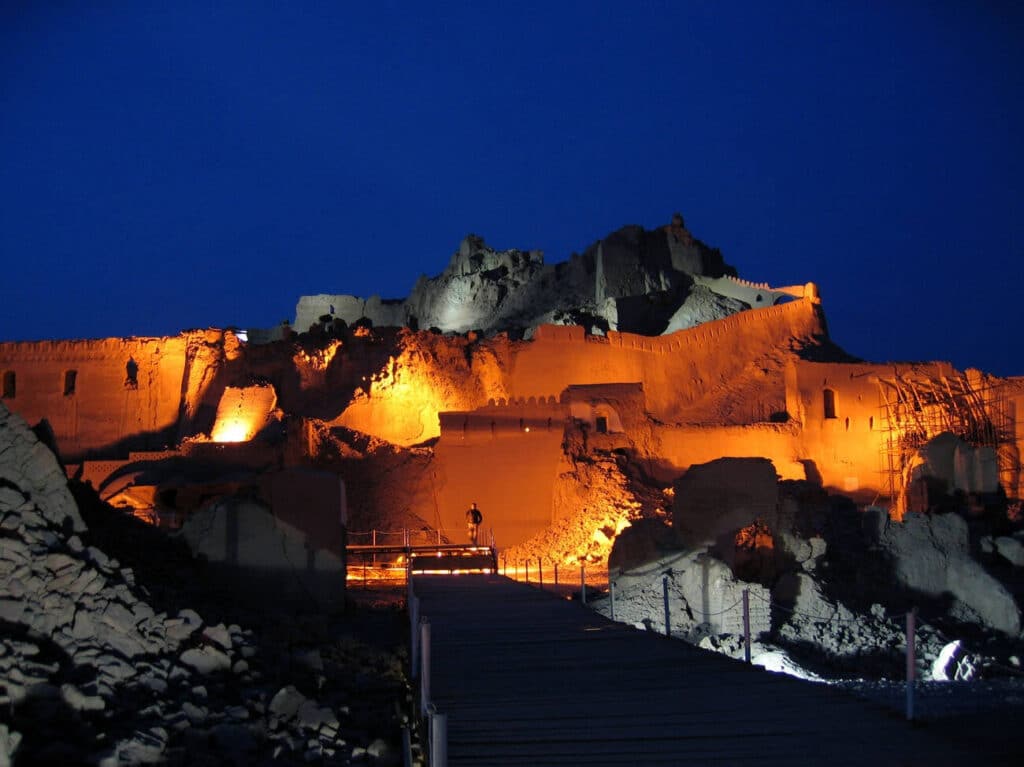
Historic views of Arg-e Bam. Source attribution preserved from the original gallery: ICHO.
The 2003 Earthquake and Conservation
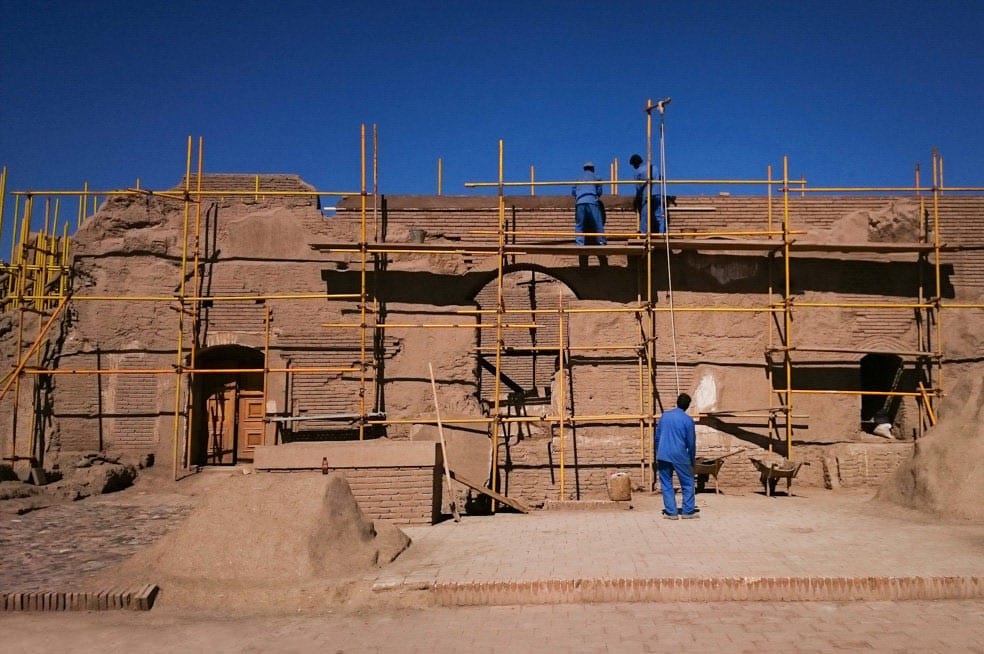
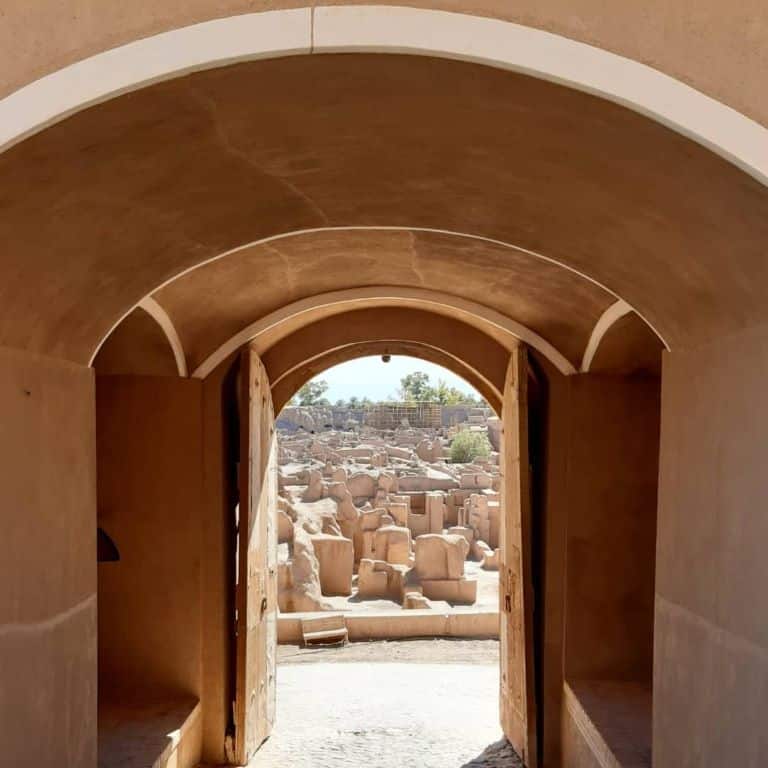
The December 2003 earthquake caused extensive damage to Bam and collapsed sections of the citadel, including parts of the governor’s quarters and defensive walls. It also exposed older archaeological layers, adding new evidence for researchers studying the site’s long development.
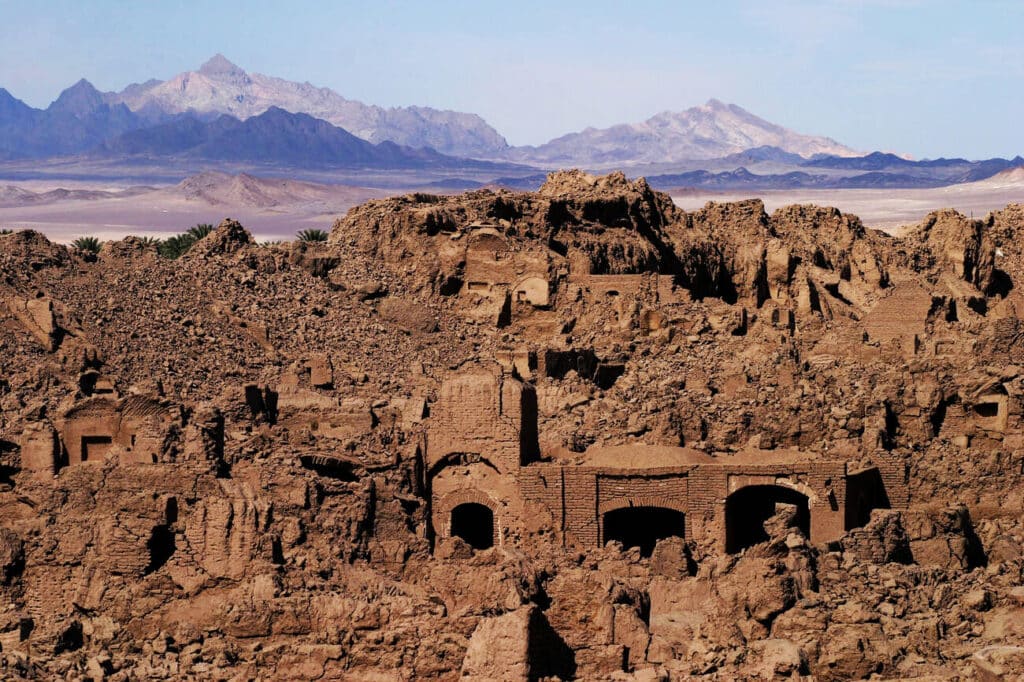
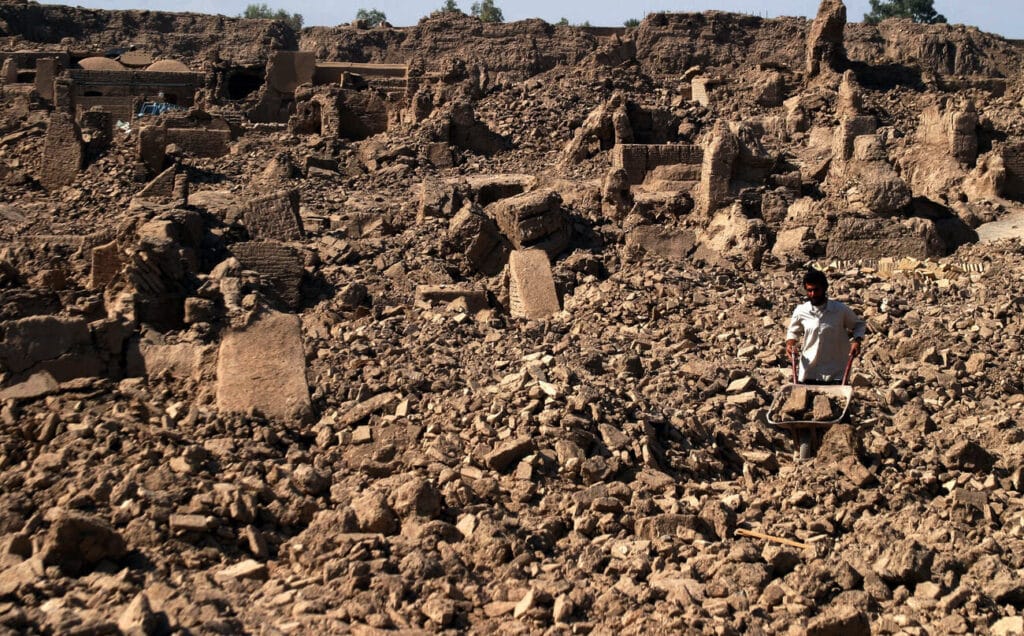
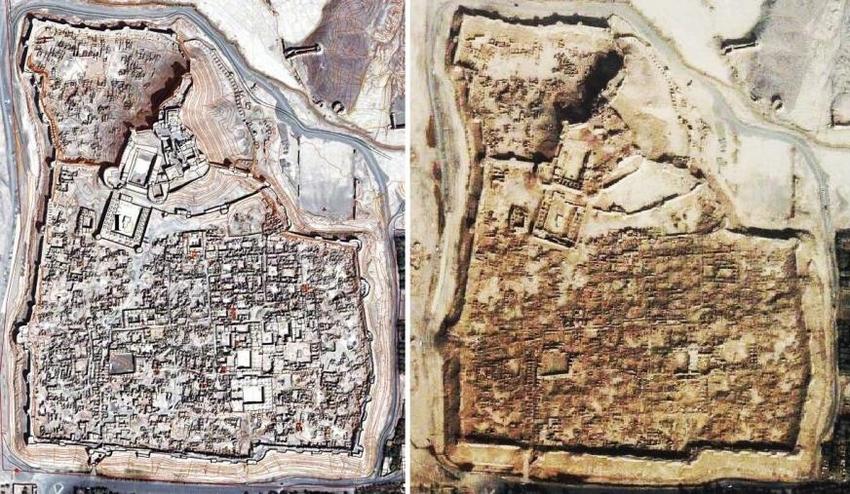
International and Iranian specialists subsequently worked on stabilization, documentation, conservation, and restoration. UNESCO concluded in 2013 that the remains had been sufficiently stabilized and that management had improved enough for Bam and its Cultural Landscape to leave the List of World Heritage in Danger.
Architecture of Bam Citadel
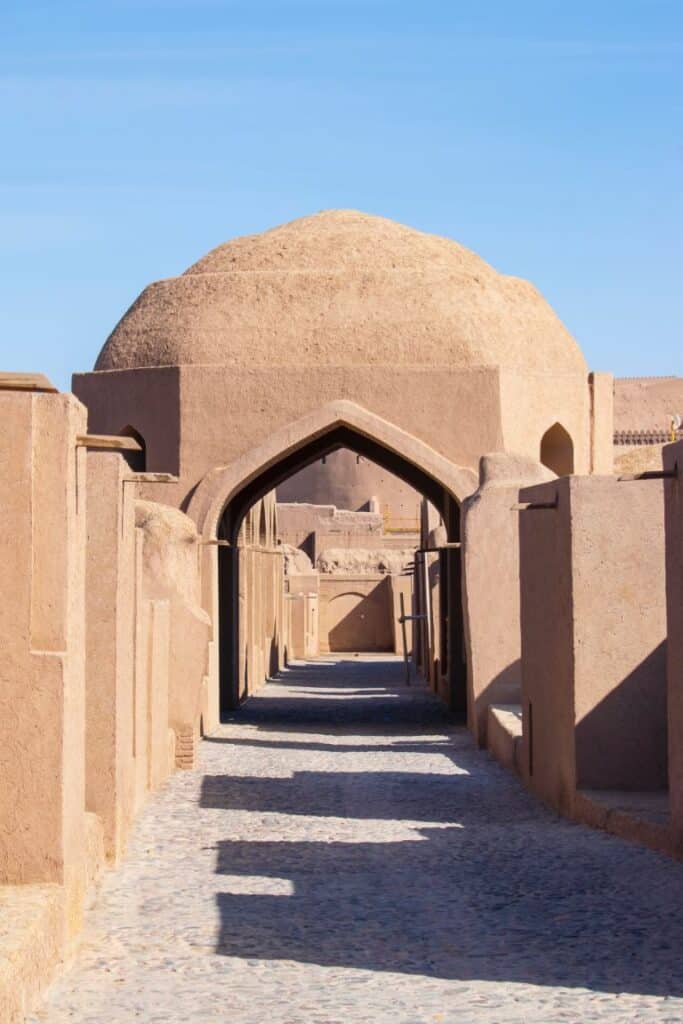
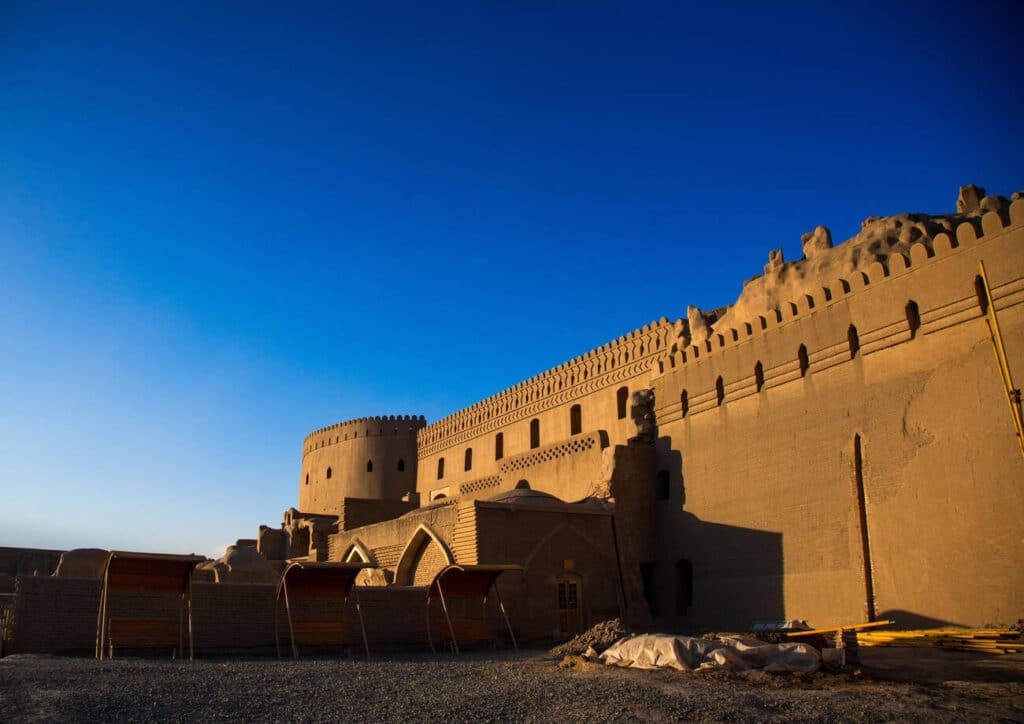
Arg-e Bam’s architecture responds directly to its desert environment. Thick earthen walls, vaulted spaces, courtyards, defensive towers, and compact urban planning formed a settlement that combined residential, commercial, religious, administrative, and military functions.
Residential and Commercial Areas
The fortified town contained houses, workshops, a bazaar, religious buildings, and public spaces. These remains help visitors read the citadel as a former urban settlement rather than a single palace or military structure.
Qanats and the Oasis Landscape
Bam’s survival depended on underground qanat systems that carried groundwater to settlements and farmland. UNESCO notes that the Bam landscape preserves important evidence of qanat development over more than two millennia, and historic hydraulic systems continue to shape the oasis.
Visiting Arg-e Bam
Arg-e Bam stands beside the modern city of Bam in southeastern Kerman Province. The scale of the complex rewards a slow visit, particularly if you want to distinguish the defensive walls, residential areas, governor’s quarters, and surrounding cultural landscape.
- Location: Bam, Kerman Province, southeastern Iran. View Arg-e Bam on Google Maps.
- Best conditions: Cooler months are generally more comfortable for exploring the exposed earthen complex. Carry water and sun protection.
- Site care: Stay on permitted routes and follow local conservation instructions. Earthen heritage is vulnerable to erosion and physical damage.
UNESCO World Heritage Status
UNESCO’s official listing for Bam and its Cultural Landscape provides the authoritative overview of the property’s history, significance, integrity, and conservation framework. The listing covers a much larger cultural landscape than the citadel alone.
Arg-e Bam remains one of Iran’s most important places for understanding earthen architecture, oasis settlement, historic trade, and the role of qanats in sustaining life on the Iranian plateau.


thanks alot for good article