Cat Museum Café in Tehran: Paws and Reflect
A Day at Tehran's Cat Museum Café


Tehran’s Persian Cat Museum and Café, also called the “meowseum”, combines cat-themed displays with live cats. This article includes photographs and a video uploaded in 2024; those images are a record of an earlier visit, not proof of the animals or arrangements present today.
An AFP report published on 1 June 2023 described the privately funded venue in a small two-storey building in central Tehran. It reported that the museum had opened in 2020. The building’s café and exhibition spaces were part of the same attraction.
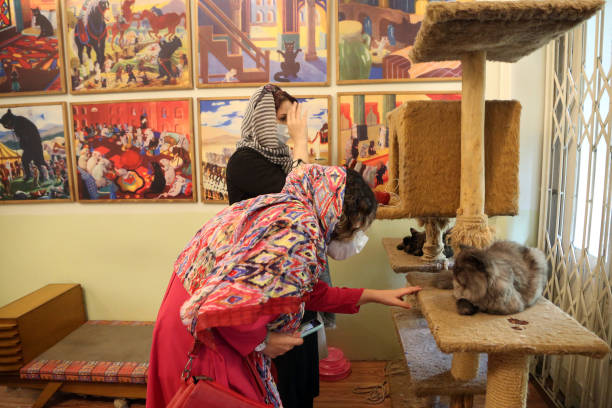
The report described reproductions of paintings, photographs, caricatures and stamps celebrating cats from several countries. The display was broader than a collection devoted to one pedigree breed.
Contents
Video: Inside the Tehran Cat Museum and Café
Cats also appear in Persian literature and court history. AFP’s report referred to Obeid Zakani’s satirical The Mouse and the Cat and to Babri Khan, the pet cat associated with the Qajar ruler Naser al-Din Shah.
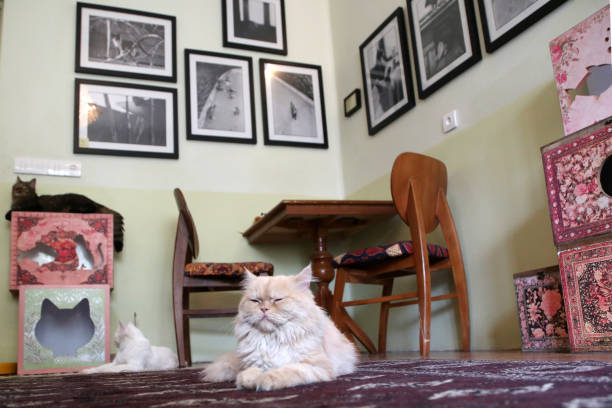
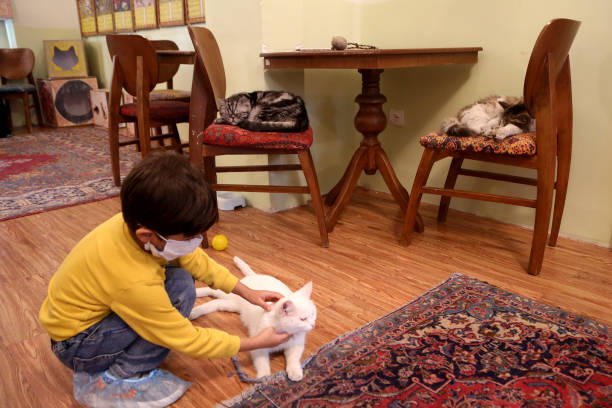
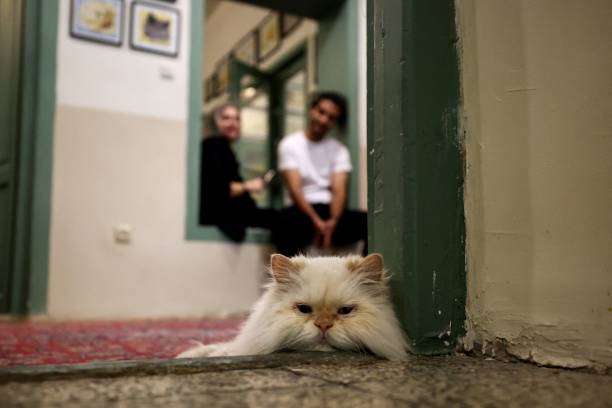
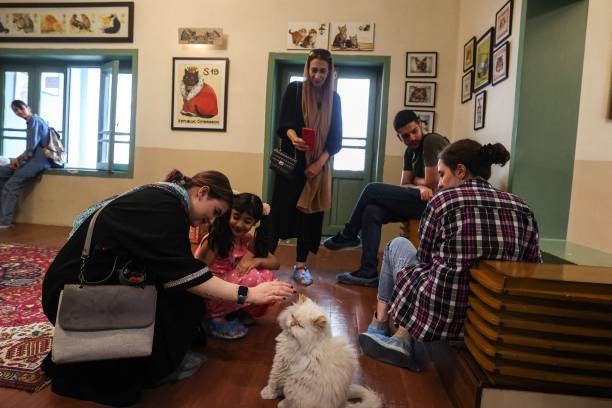
The photographs below show the earlier interiors and animals. They do not establish a current floor plan, so an old description of which floors cats occupied should not be used to plan access today.

Stairs feature in the earlier account of the venue. If step-free access is essential, obtain a direct answer from the operator about the entrance, café and exhibition rooms before travelling. A historic house may have different access arrangements in each area.
Hosting in Cat Style
Individual cats’ medical conditions and care needs should come from their carers. An older visitor profile cannot establish a current diagnosis or guarantee that an animal remains at the museum.

AFP’s 2023 report named Farrokh among the cats and described him as blind, attributing its account to director Hossein HamlehDari. This is a dated report, not a current register of the animals. Names and staff roles in older accounts should not be assumed unchanged.

Persian Cat Abroad
The Persian is a longhaired pedigree breed. The Cat Fanciers’ Association describes a stocky body, a round head, a broad face and a short nose, with many coat colours and patterns. “Persian” is a breed name, not a name for every cat living in Iran.
A cat’s appearance in a café photograph is not enough to verify its pedigree or ancestry. The distinction matters here because the museum’s subject is cats in culture, rather than a certified exhibition of one breed.

This is a visitor profile, not a pet-price guide. The old toman figures do not establish current prices or describe the purpose of a museum visit. Focus instead on the displays and on observing the animals without disturbing them.
Do not treat an opportunity to meet cats as an invitation to buy them. Questions about adoption or the care of a particular animal belong with the responsible carers, rather than assumptions based on an old visitor account.
The Cats Rule Here
The Persian Cat Museum is designed with the welfare of cats as the top priority. Therefore, visitors must abide by museum rules to enjoy the company of the cats.
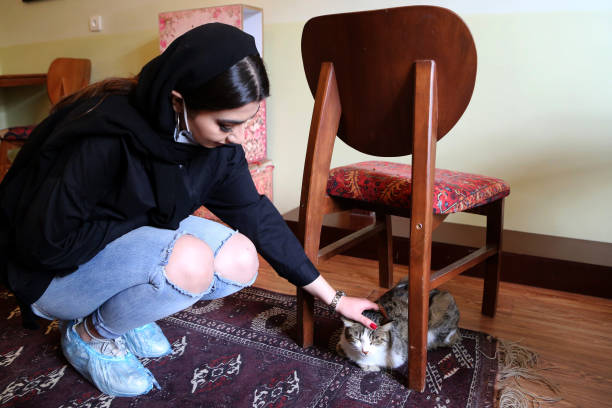
The first rule is that visitors are not allowed to pick up the cats. The second rule prohibits flash photography to protect the cats’ eyes. The third rule discourages bringing food from outside; treats should be purchased at the museum entrance.

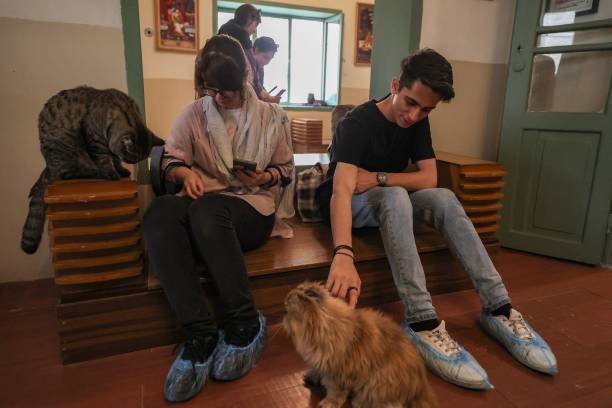
Usually, when you visit the museum in the morning, the cats are sleepy and less active. The museum director explains that unlike street cats that must search for food or enjoy petting, these cats have fewer human interactions and tend to sleep when overwhelmed by large crowds, unless motivated or it’s their feeding time. Plans are underway to dedicate part of the balcony solely to the cats, restricting visitor access.

How It All Began
The story of the Persian Cat Museum began with Mrs. Zari from the Shahr-e-Ketab bookstore in Ekbatan. The bookstore’s investors encountered a sick cat that later became known as Mrs. Zari.
After her recovery, Mrs. Zari never left the bookstore and gradually became a fixture, having the privilege of lounging on books by some of the greatest and most important authors.
The investors decided to expand their business by creating a museum dedicated to Persian cats, obtaining a license for the Persian Cat Café-Museum, thus turning Mrs. Zari Ekbatan into a benefactor for 24 other cats.
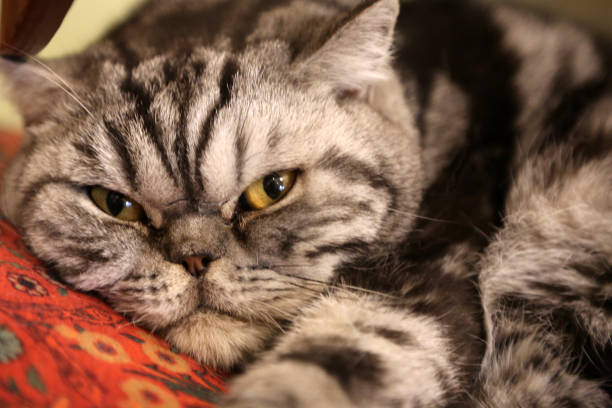
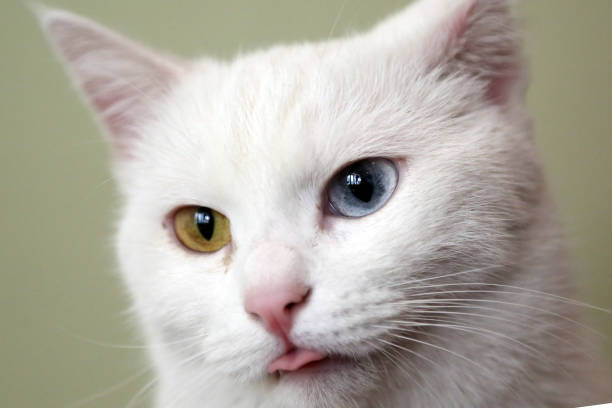
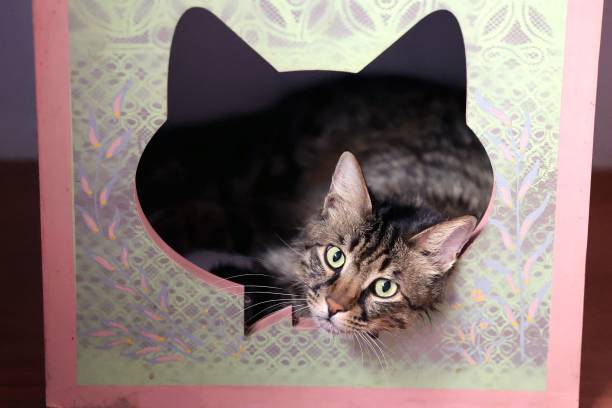
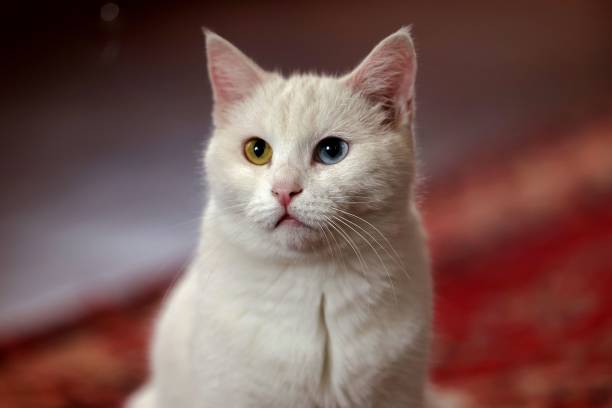
Tehran Cat Museum in Photos
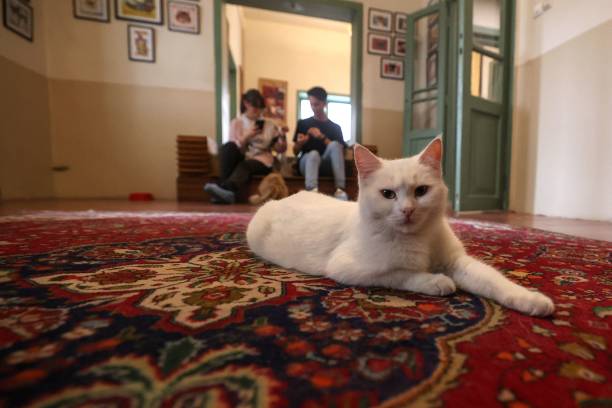
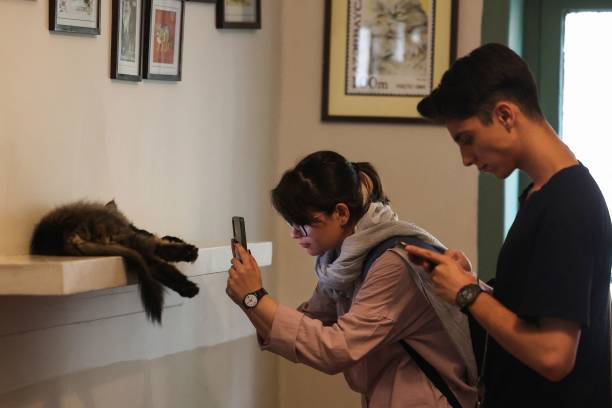
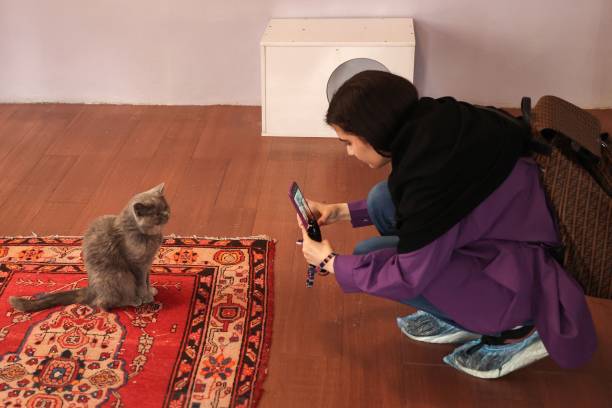
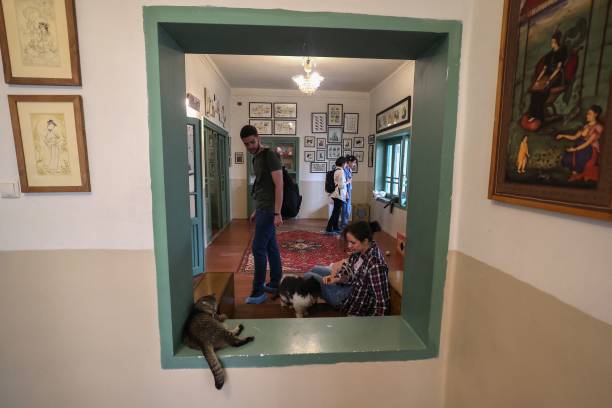
Rules for Visitors
- Cuddling, kissing, hugging, and pressing are strictly forbidden unless the cats themselves show interest in interacting, in which case they will come to you.
- The presence of children under 10 years old must always be accompanied by their parents.
- Photography is allowed, but please ensure your camera’s flash is turned off.
- Bringing any kind of food from outside the museum is prohibited. You can purchase approved snacks (packaged treats) from within the museum.
- Do not interact with the cats if they are sleeping or eating.
- Do not touch the cats’ food and water dishes.
- Wearing shoe covers is mandatory.
- Obtain current admission and booking arrangements from the venue directly. The phone number and booking window formerly printed here have not been verified for current use.
Information
Sources for the revised historical profile and breed description: AFP, Purrfect for Persians: Tehran’s “meowseum”, published by Malay Mail on 1 June 2023; and The Cat Fanciers’ Association, Persian. Read on 3 November 2026. The venue website did not provide readable current visitor information during this review.
Venue Links

Very well done👏👏👏
Though I am not a cat lover! But the idea is brilliant👍
Hope one day I would see Iranian people walking their dogs🙏 I saw only two dogs during my two weeks visit to Iran.