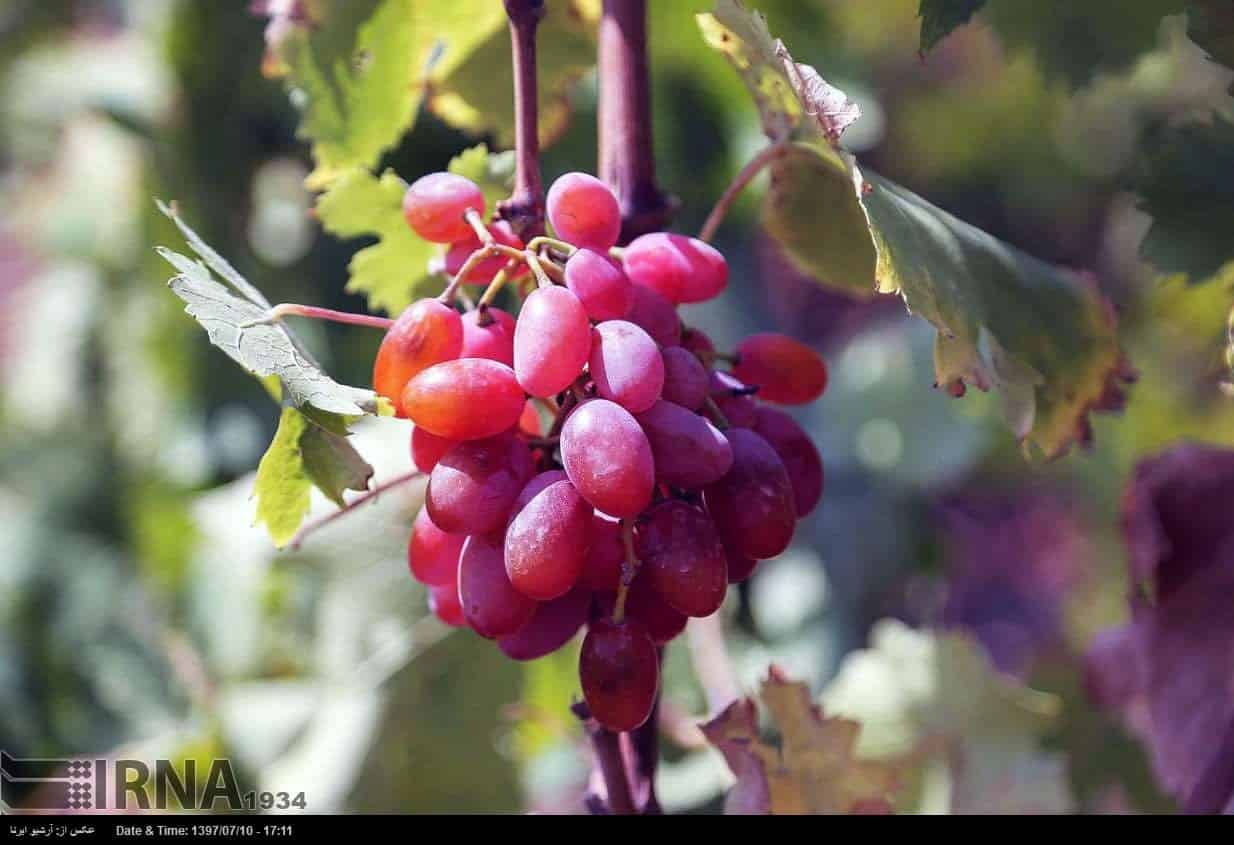
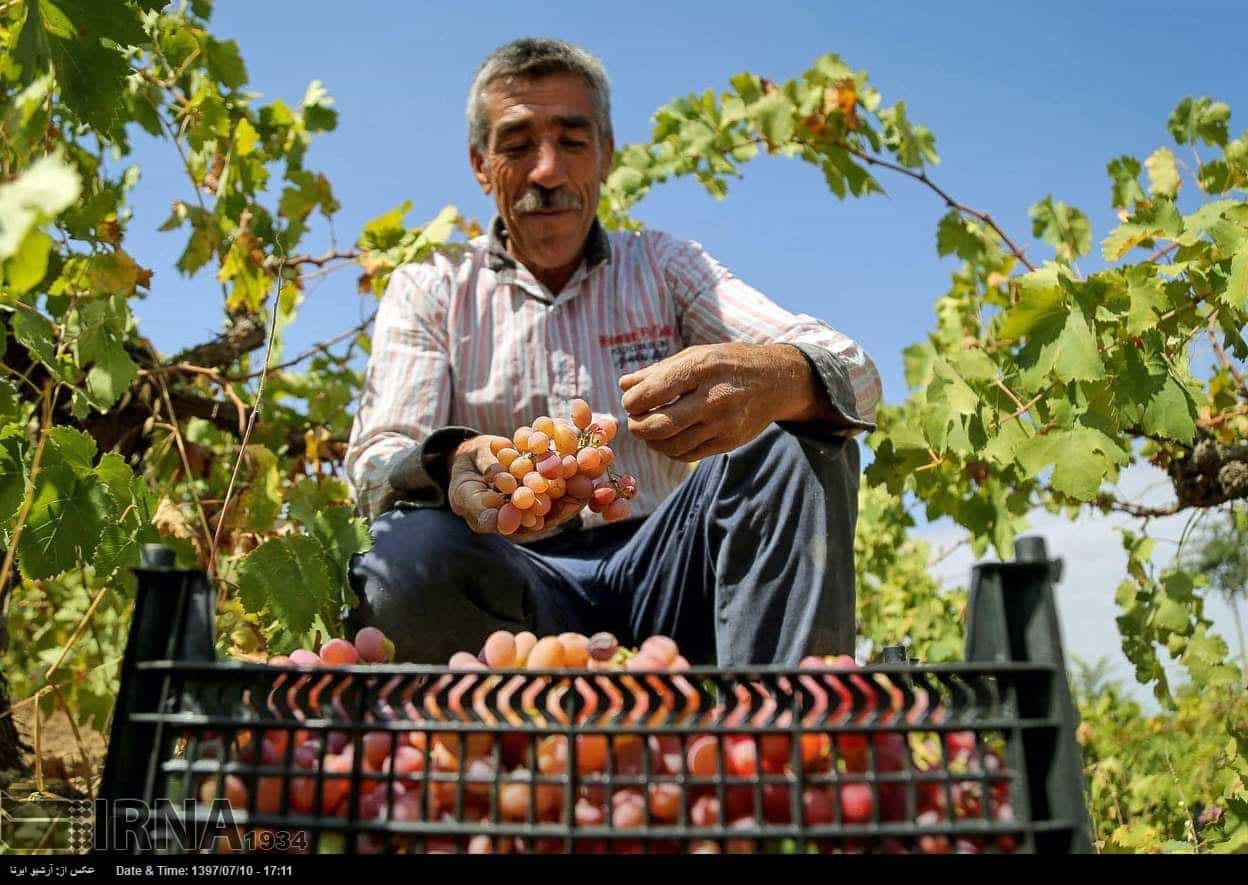
In northeastern Iran, the grape harvest brings seasonal activity to vineyards as growers pick, sort and prepare fruit for sale or drying. This photo essay follows the work through a series of images originally credited to Iran’s IRNA news agency.
The photographs capture more than ripe fruit. They show the people, tools and traditional drying methods that are part of vineyard life.
Contents
Grape Growing in Iran
Grapevines have a long history in Iran, where grapes are grown for fresh eating, raisins and other foods. Encyclopaedia Iranica’s history of grape cultivation describes the diversity of Iranian vineyards and the importance of raisins in regional trade.
Cultivation extends across several provinces, including Qazvin, East and West Azerbaijan, Fars, Khorasan and Hamadan. Varieties and harvesting methods differ from one growing area to another.
When Is the Grape Harvest in Northeastern Iran?
The timing depends on the cultivar, altitude and weather. In North Khorasan, growers harvest grapes during the late-summer and autumn season. For a closer look at the region’s vineyards, read our North Khorasan grape harvest guide.
These photographs document a harvest scene, but the precise date and orchard location have not been independently established. They should not be treated as a timetable for future visits.
Photo Essay: Picking and Drying Grapes


Grapes in Iranian Food
Grapes appear in Iranian cooking in several forms: fresh fruit, dried raisins and grape syrup. The juice of unripe grapes, known as ab-ghooreh, is used to add acidity to stews and other dishes. Encyclopaedia Iranica documents this traditional ingredient.
Planning a Vineyard Visit
Vineyards are working farms, not necessarily public attractions. Arrange permission with growers before visiting, and confirm harvest dates locally because they change from year to year.