Lut Desert Travel Guide: Kaluts, Seasons and Routes
Plan a trip to the Lut Desert and its kalut landscapes

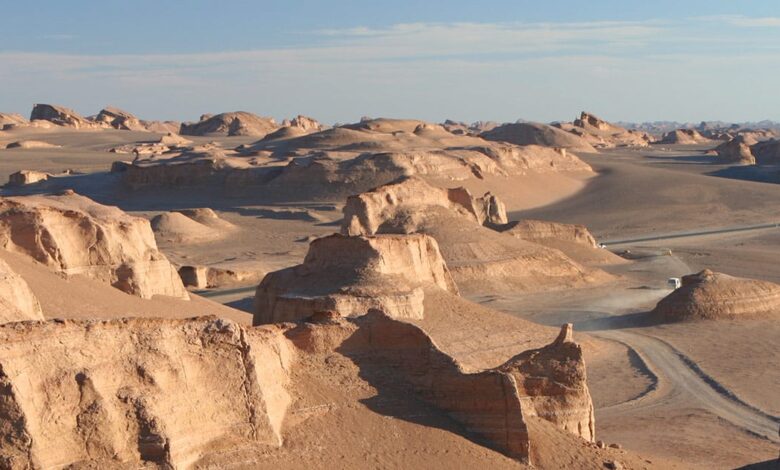
The Lut Desert, or Dasht-e Lut, is a vast desert landscape in southeastern Iran. It is known for wind-sculpted ridges called yardangs or kaluts, dune fields and stony plains. A visit near Shahdad offers an introduction to part of this much larger landscape.
The Lut Desert entered the UNESCO World Heritage List in 2016 as a natural property. Its significance lies in the scale and variety of landforms, not simply its reputation for extreme heat.
Contents
Where is the Lut Desert?

The Lut Desert is positioned within the provinces of Kerman, Sistan and Baluchestan, and South Khorasan. It is bordered by the mountains of Iran-shahr to the north, the mountains of Kerman to the west, the Sistan Plain to the east, and the Beshagard and Makran mountains to the south. After exploring the attractions of Kerman, consider dedicating time to visit this magnificent part of Iran.
How to Get to the Lut Desert
The best way to reach the Lut Desert is to travel to Kerman and then proceed to Shahdad. Since there are no direct flights or trains to Shahdad, you’ll need to start your journey in Kerman.
Plan the Kerman–Shahdad journey and the onward excursion according to the area you want to visit. A short outing among the accessible kaluts and a longer desert itinerary involve different distances and arrangements; agree on the route before booking.
Flora and Fauna of the Lut Desert

Despite its harsh climate, the Lut Desert hosts a remarkable diversity of plant and animal life. Plants such as saxaul, tamarisk, acacia, wild spinach, and jujube trees thrive here. The desert is also home to animals like lizards, scorpions, wolves, jackals, foxes, rabbits, bustards, and partridges.
Climate of the Lut Desert

The desert’s remote location and lack of water sources contribute to its extremely hot and dry climate.
Temperatures in summer can soar above 70 degrees Celsius, while in winter, they drop to around zero degrees.
Satellite observations have recorded exceptionally high land-surface temperatures in the Lut. These measure the ground, not the air a traveler experiences. NASA explains the distinction and the research behind the desert’s heat records.
Best Time to Visit the Lut Desert

Due to the intense heat during summer, the best time to visit the Lut Desert is from late autumn to early spring. During this period, the weather is cooler, making your visit more enjoyable.
The Lut Desert’s Distinct Regions

The Lut Desert is generally divided into three sections:
- Northern Lut: This area includes sandy deserts and seasonal wetlands.
- Central Lut: Known as the hottest spot on Earth, it features phenomena such as the Gandom Beryan pit and the Shahdad area.
- Southern Lut: This region includes the desert’s mountainous and hilly terrain.
Legends and Wonders of the Lut Desert

Local myths abound about this area, including tales of an evil giant living deep within the desert. Due to its unique natural phenomena, the Lut Desert is considered one of Iran’s natural wonders. Notable features include:
- Yardangs: Large natural structures formed by wind and water erosion.
- Gandom Beryan: Known as the hottest spot on Earth.
- Sand Ridges: Created by constant wind patterns, these ridges form captivating patterns across the desert landscape.
Attractions in and Around the Lut Desert

- Kalouts: Massive and awe-inspiring natural structures known as yardangs.
- Gandom Beryan: Recognized as the hottest point on Earth.
- Sand Ridges: These colorful lines add a stunning visual element to the desert.
- Shahdad Palm Groves: Providing essential resources for local communities, these groves are a must-see.
- Shadi Fort: A historical fort near the village of Shadi, dating back to the Sassanid era.
- Gavkhouni Marshes: A habitat for migratory birds.
- Sirjan Salt Lake: One of Iran’s largest salt lakes, offering spectacular views in the rainy season.
- Dehji Village: One of Iran’s oldest villages, known for its traditional architecture.
Accommodations in the Lut Desert
BOOK ONLINE
Iran Hotels Online
For those looking to stay in the Lut Desert, there are several options. You can choose from local eco-lodges on the desert’s edge or stay in tribal camps offering a unique cultural experience.
Alternatively, for those seeking more conventional comforts, there are hotels in nearby cities like Shahdad. If you’re up for an adventure, consider camping in the desert—just be sure to bring appropriate gear like tents, sleeping bags, and cooking equipment.
Travel Tips for the Lut Desert

- Preparation: Bring appropriate gear, including warm clothing, a hat, sunglasses, sunscreen, sufficient water, and food.
- Weather Awareness: Check the weather before your trip and avoid traveling during rain or storms.
- Familiarize with the Route: Know your path and avoid unknown areas.
- Group Travel: Traveling in groups and with experienced individuals is safer.
- Environmental Care: Avoid activities that could harm the local environment.
IRAN GROUP TOURS
Explore sample small-group routes. Departure dates, availability and final prices are confirmed case by case before booking.
Iran 7-Day Tour
Final price and availability on request
Iran 9-Day Tour
Final price and availability on request
Iran 15-Day Tour
Final price and availability on request
Lut Desert | A Vast and Mysterious Expanse
The Lut Desert is a treasure trove of unique natural attractions, drawing numerous visitors each year with its unparalleled natural phenomena. A trip to this desert offers an unforgettable adventure, blending breathtaking landscapes with rich cultural experiences. If you’re looking for an exciting and memorable travel destination, consider the Lut Desert. Visit us at SURFIRAN to plan your journey to this extraordinary region of Iran.
Read More