Exploring Iran’s Wilderness with National Geographic
Read National Geographic's picks on destinations around Iran.

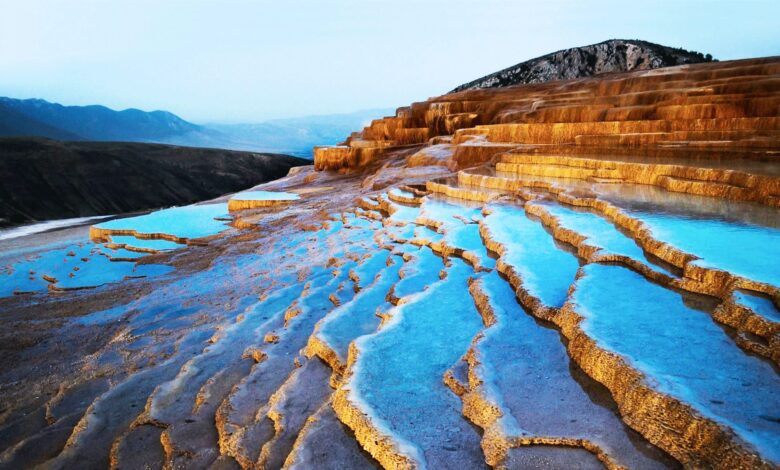
In March 2017, National Geographic published Gulnaz Khan’s selection of seven remarkable landscapes in Iran. This photo-led guide follows those same seven destinations, from mountain peaks and mineral terraces to deserts, islands and waterfalls.
Iran’s natural geography is exceptionally varied. The Alborz Mountains rise above the Caspian region, while vast deserts stretch across the interior and warm coastal ecosystems border the Persian Gulf. Each setting offers a different perspective on the country’s landscape and natural heritage.
Season and elevation matter as much as distance. Travellers can encounter snowy mountain scenery, forested hills and arid plateaus on one itinerary, but conditions vary sharply throughout the year. Explore more natural attractions in Iran when planning a route.
The seven locations below retain the order of the original National Geographic feature. Each is distinctive, and several are environmentally sensitive places that deserve careful, low-impact visits.
For the original reporting and photographs, read Iran’s Most Wild and Beautiful Places by Gulnaz Khan, published on 16 March 2017.
Contents
Badab-e Surt
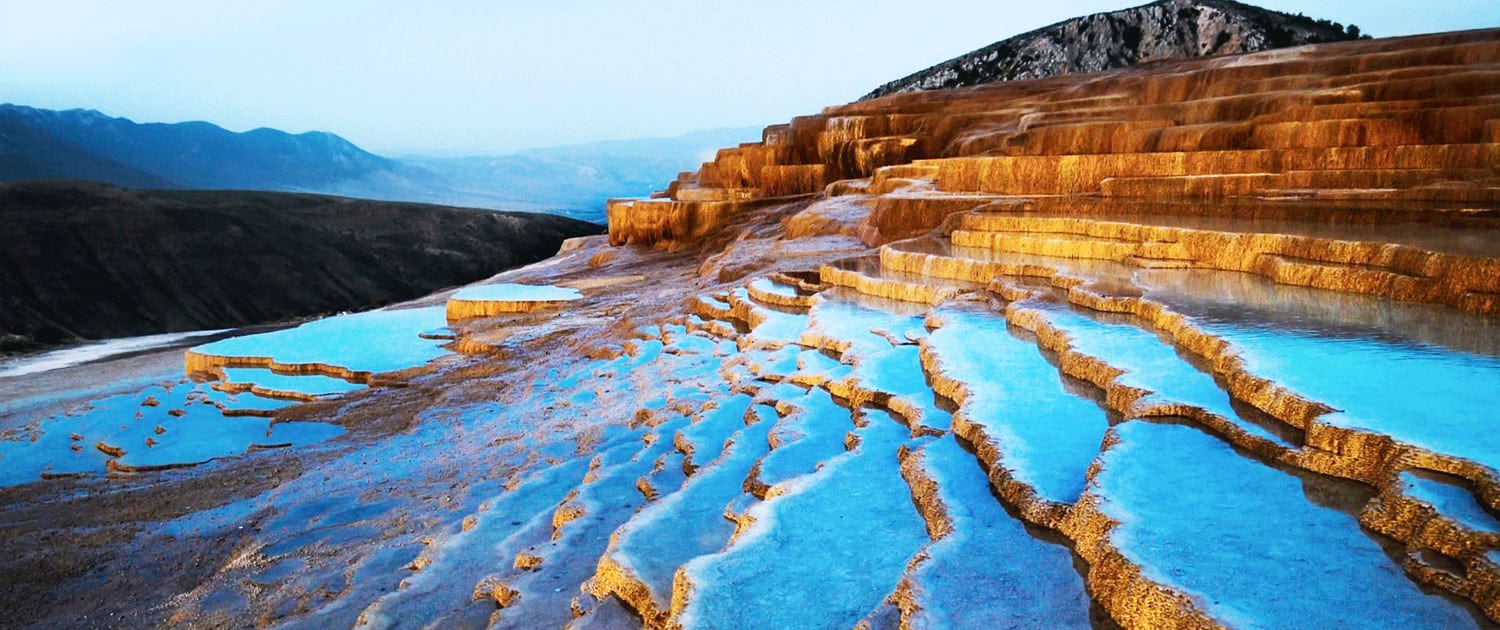
At Badab-e Surt in Mazandaran Province, mineral-rich spring water has built a series of stepped travertine terraces. Iron-rich deposits give parts of the formations their orange and rust-red tones. The springs are often associated with local health traditions, but specific medical benefits should not be presented as established facts.
Mount Damavand
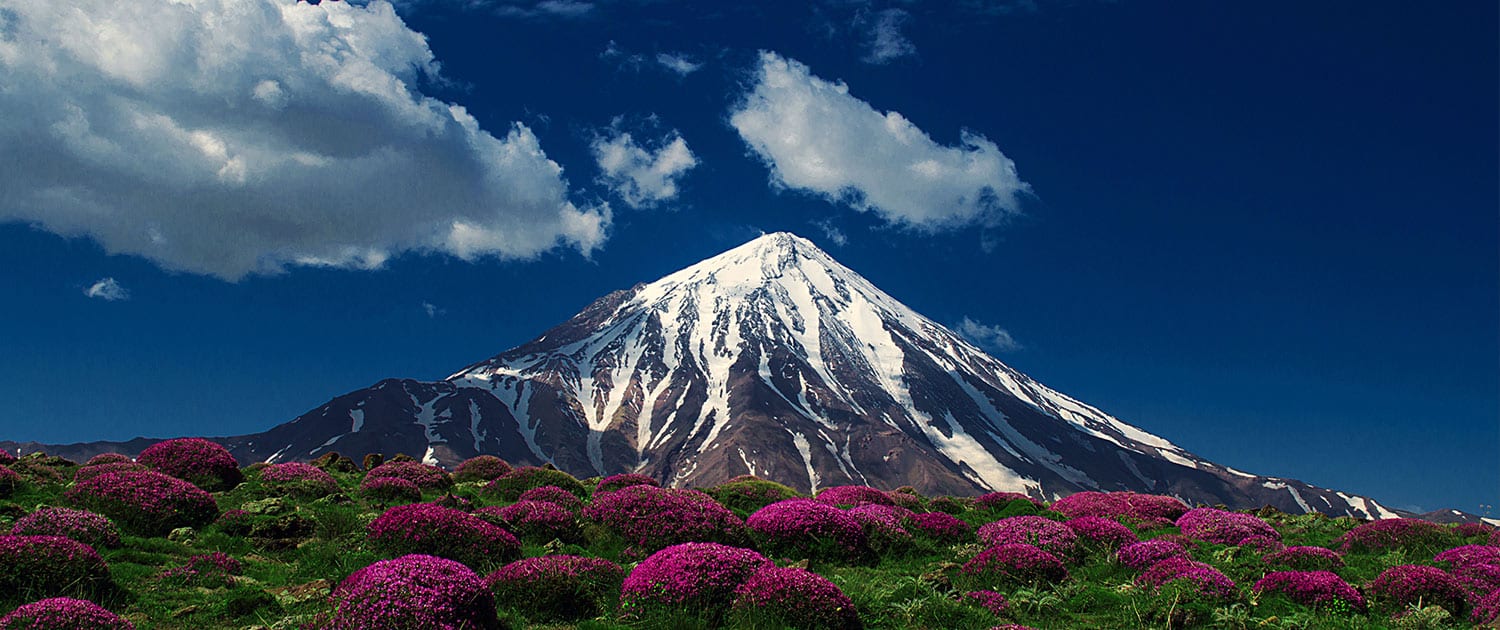
Mount Damavand is Iran’s highest peak and a prominent volcano in the Alborz range. Its snow-covered cone dominates views across surrounding valleys and villages. Damavand also holds an important place in Persian mythology and literature.
Climbing Damavand is a serious mountain undertaking rather than a casual day trip. Altitude, weather and route conditions demand preparation and local expertise. Visitors who do not plan to summit can still appreciate the mountain from nearby viewpoints and settlements.
Dasht-e Lut
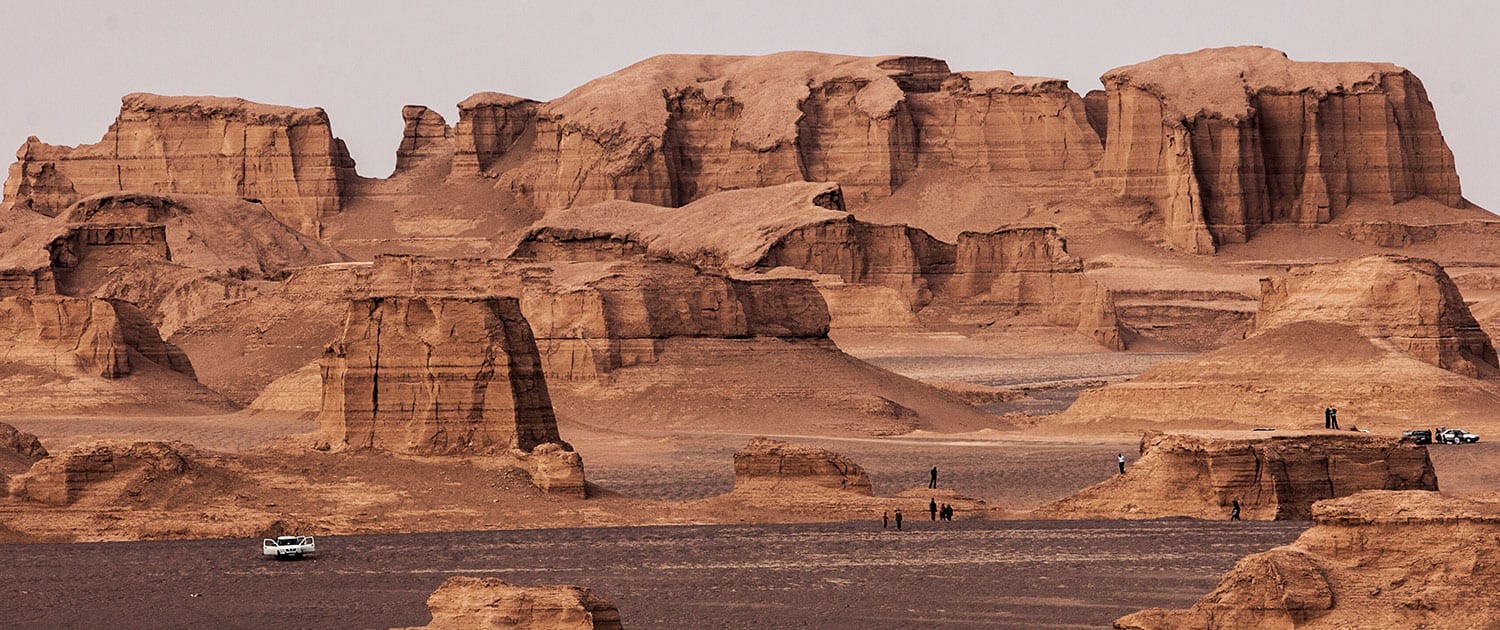
Dasht-e Lut became a UNESCO World Heritage Site in 2016, recognised for its spectacular wind-shaped ridges and active desert processes. NASA satellite measurements identified the Lut among the world’s hottest land surfaces, including a reading of 70.7°C in 2005. That is a ground-temperature measurement, not an air-temperature record. See our Lut Desert temperature guide for the distinction.
Strong winds carve long yardang ridges, locally called kaluts, while sand seas and stony plains create striking contrasts. The UNESCO description of the Lut Desert explains why these landforms are internationally significant. Conditions can be extreme, so visits require careful seasonal planning.
Lake Urmia
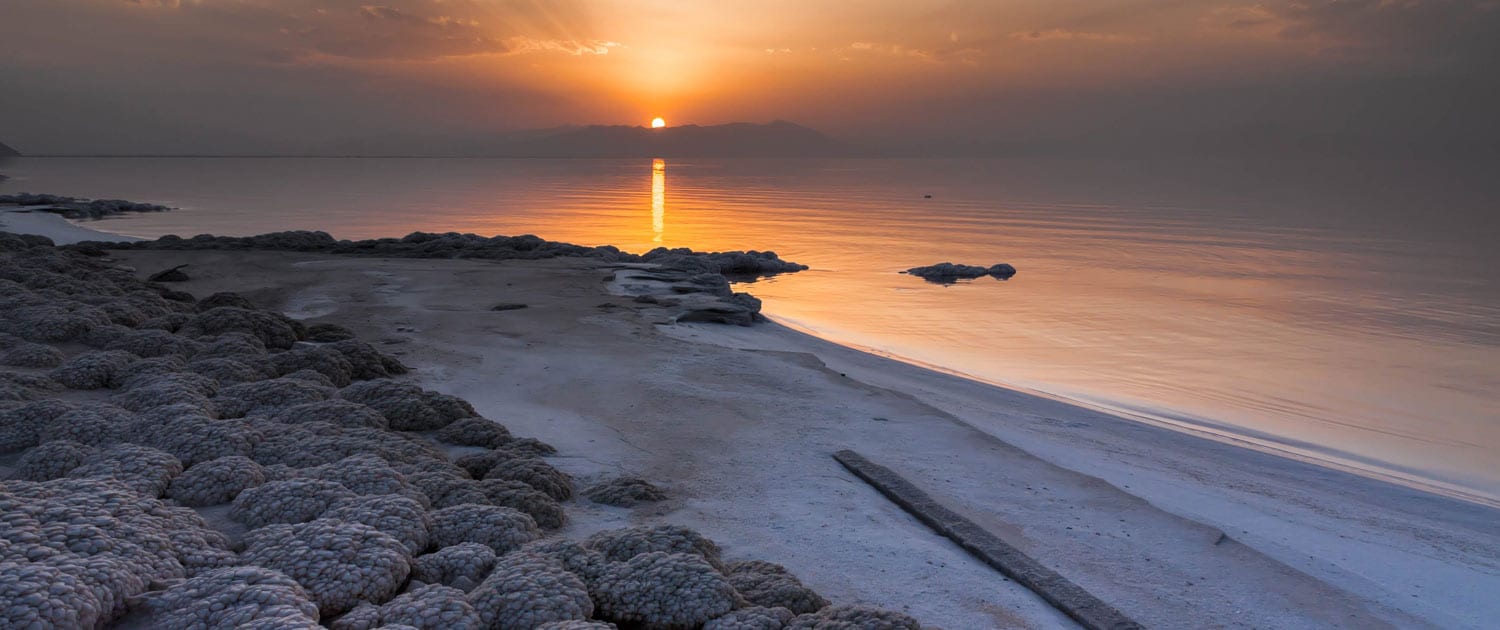
Lake Urmia, between East and West Azerbaijan provinces, is one of Iran’s best-known saline lakes. Its water levels and shoreline have changed dramatically over recent decades because of drought and human water use. Conditions fluctuate, so a percentage quoted in a 2017 report should not be presented as a current measurement. Salt flats and occasional changes in water colour remain defining features of the landscape.
Turkmen Sahra
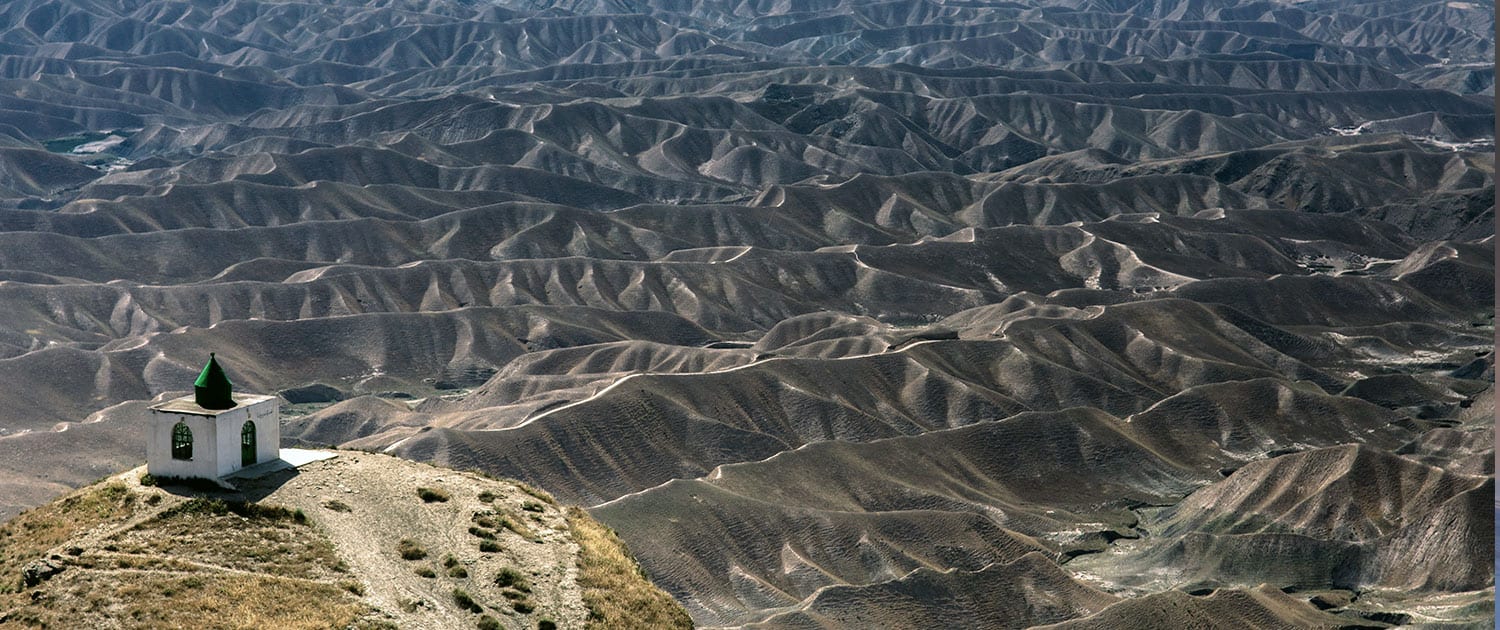
Turkmen Sahra spans rolling hills and plains in northeastern Golestan Province. The region is associated with Iranian Turkmen communities and landscapes that can be especially green in spring. The Khalid Nabi cemetery is among its notable cultural sites. Respect local customs and check access conditions before visiting remote areas.
Qeshm Island
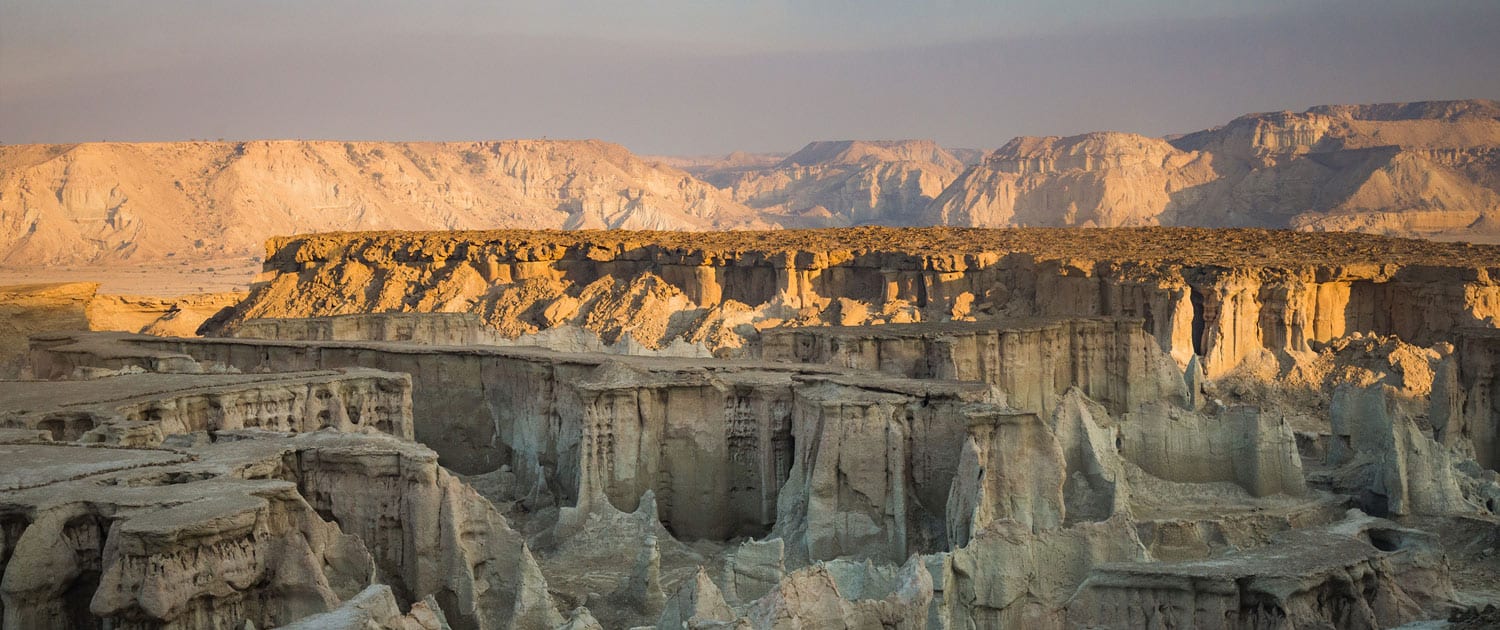
Qeshm Island in the Persian Gulf combines mangrove forests, salt formations, dramatic coastal geology and traditional villages. Nearby Hengam Island offers another perspective on the region’s marine environment. The landscapes are best explored with attention to fragile habitats and local communities.
Margoon Waterfall
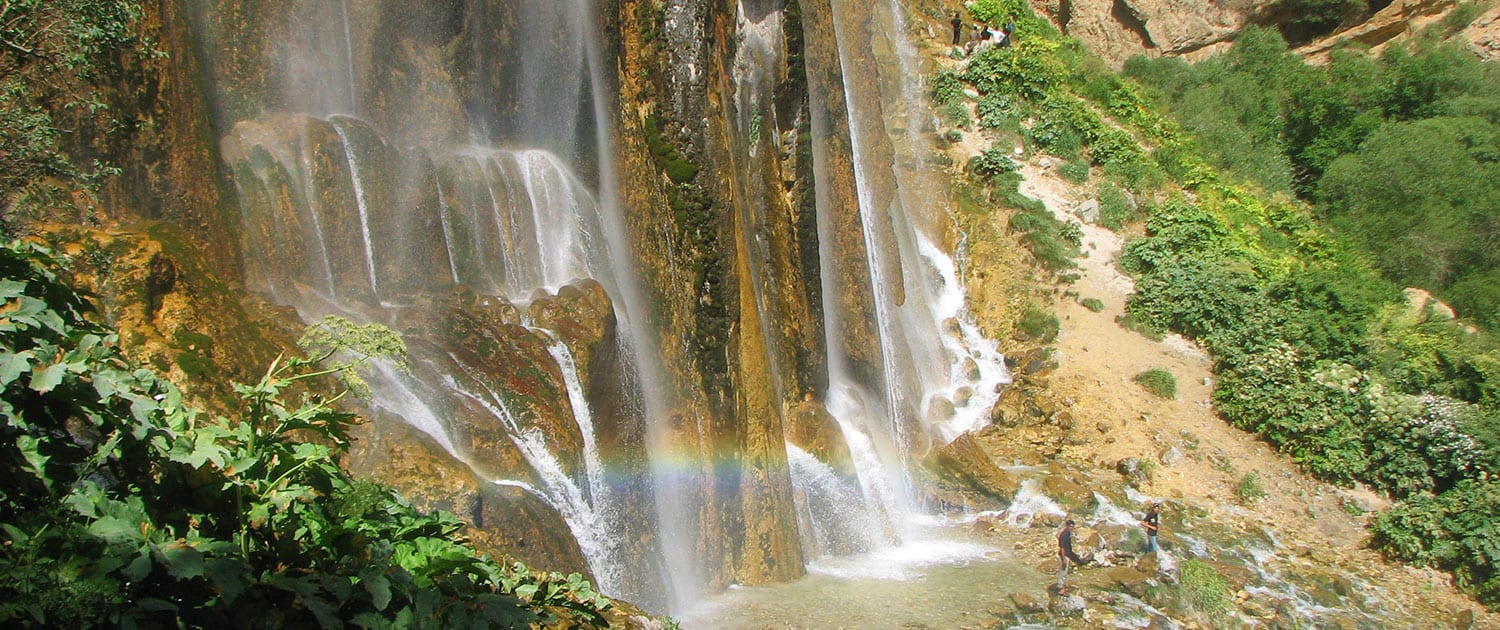
Margoon Waterfall in Fars Province is known for water cascading down a broad, green rock face. National Geographic described the waterfall as approximately 60 metres high in its 2017 feature, although published measurements vary. Conditions and access can change with the seasons; allow time to enjoy the surrounding landscape without disturbing vegetation or wildlife.


Dear Parisa,
during my previous post I visited IRI several times, Tehran was always the very first stop. Huge metropolis, nothing exciting except Darakeh village. But I still remember Sarcheshmeh Spring in Mahallat, Qom alley and Isfahan bazaars – truly authentic and unique. Women are beautiful, sounds from the mosques are stunning, pistachios sre the best. But above all, I would like to visit Iran once again, this time desert cities Yazd and Kashan.
Best regards, Zoran Malic, Belgrade, Serbia.
Dear Zoran,
I’m truly glad to hear that you have experienced memorable moments in Iran and the impression was mostly positive! I’m sure you’ll have a great time if you plan a trip to visit Iran’s central cities; Kashan, Yazd, Kerman and all other cities in this part are really unique and have a lot to offer. Don’t forget to visit Shahdad and Kalouts on your next trip! Hope to see you soon once again here in Iran!
I love geography
I love geography with passion
Because I love to explore and learn about the earth
Is beautiful😍✌🏻