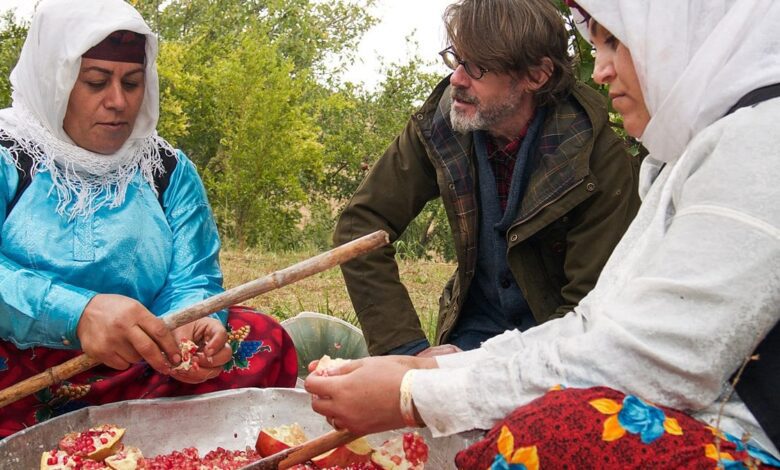
Archive: 2018 television documentary. In the third and final episode of Nigel Slater’s Middle East, first broadcast on 16 February 2018, the British food writer travels through Iran to explore the ingredients, home cooking and hospitality that shape Persian cuisine. The programme is a portrait of food culture at the time of filming, not a guide to present-day travel conditions.
Slater begins in Tehran, where meals prepared in family kitchens reveal the importance of shared recipes and everyday hospitality. The episode moves between traditional dishes and newer ways of eating in the capital.
Contents
Home Cooking in Tehran: Dizi and Persian Traditions
One memorable stop takes Slater to his taxi driver’s home for dizi, a slow-cooked stew typically made with meat, chickpeas, beans and potatoes. Diners commonly separate the broth from the solids before mashing the remaining ingredients. The meal illustrates how an apparently simple dish can become a social occasion.
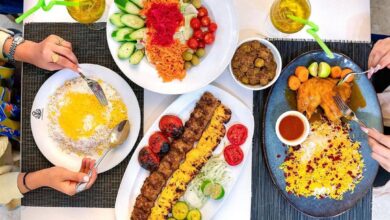
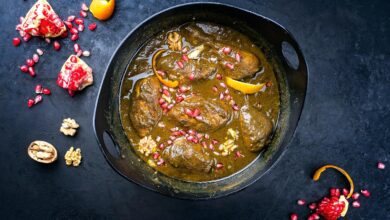
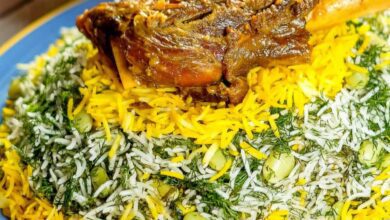
The programme also explores the wider range of Persian food, from hearty soups to family recipes. Regional ingredients and individual households produce many variations, so no single meal can represent the country’s entire culinary tradition.
Pomegranates and the Caspian Coast
Leaving Tehran, Slater visits pomegranate-growing communities and travels north towards the Caspian Sea. The episode meets fishing communities whose livelihoods have changed as sturgeon stocks declined. This is an important distinction: the documentary’s account of historic beluga fishing should not be mistaken for evidence that the fishery remains unchanged today.
In northern Iran, markets and home kitchens connect fresh produce with regional cooking. Our Rasht travel guide offers more background on one of the region’s best-known food destinations.
Saffron Harvest and Modern Food Culture
The journey also follows the harvesting of Iranian saffron, a spice prized for its aroma, colour and the labour involved in collecting its stigmas. Alongside pomegranates, saffron gives the programme a way to connect agriculture with dishes served in Iranian homes.
Back in Tehran, Slater looks at the contrast between traditional recipes and the city’s growing fast-food and shopping-mall culture as it appeared in 2018. The episode suggests that modern eating habits and older culinary practices can coexist rather than simply replace one another.
Watch or Read More
The original article linked to a third-party upload of the episode: Nigel Slater in Iran on Aparat. Availability and permission to redistribute that video have not been independently confirmed. For episode details, see the programme listing.
For readers interested in the dishes and ingredients featured in the programme, explore our guides to Iranian dishes and saffron traditions. They provide context beyond this historical television review.



I’ve been fascinated by Iran after watching a show with Monty Don and gardens. I was enchanted by Nigel’s visit and wanted to check if it was a safer country to visit as a Brit
Hey Sally,
I’m glad that you are interested in Iranian culture and yes, I believe Iran is among the safest countries for travelers and if you do so, you will probably confirm that too:) To know more about a trip to Iran as a British citizen, please contact us at contact@surfiran.com. We’d be more than happy to help you with this process!