Qanat in Iran: How the Ancient Water System Works
An Ancient Water System Below Iran’s Desert

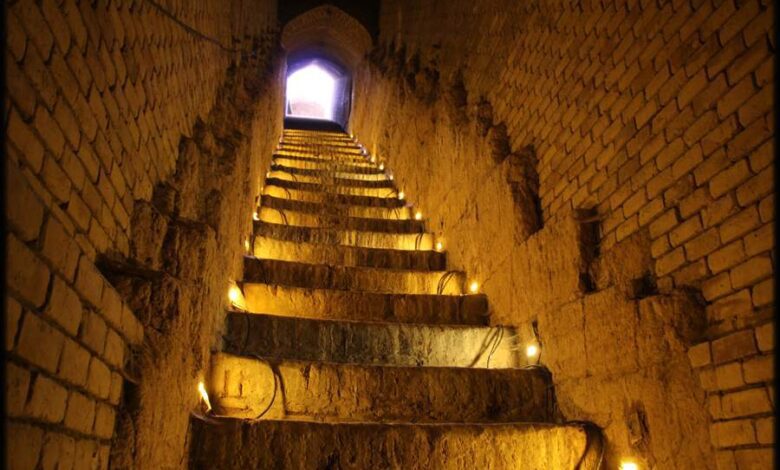
A qanat is a gravity-fed water system that carries groundwater through gently sloping underground tunnels from an aquifer to settlements and farmland. In Iran, qanats have supported communities in arid and semi-arid landscapes for centuries.
Contents
How a Qanat Works
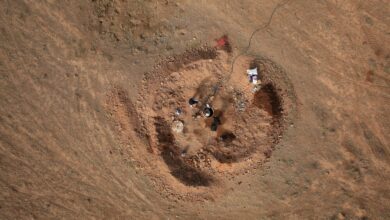
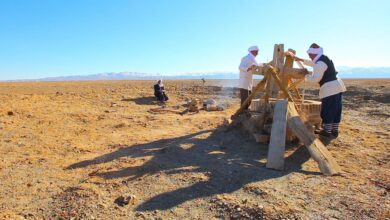
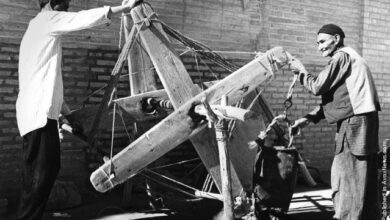
A mother well reaches the aquifer at higher ground. From there, a nearly horizontal tunnel carries water downhill by gravity. Vertical shafts along the route provide access, ventilation and a way to remove excavated material. At the outlet, water enters surface channels for domestic and agricultural use.
The Persian Qanat and UNESCO
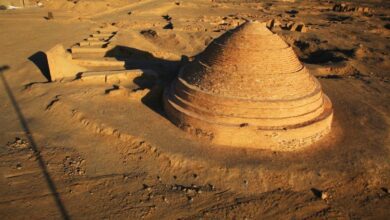
UNESCO inscribed The Persian Qanat on the World Heritage List in 2016. The serial property comprises 11 qanats in Iran and recognizes both their engineering and the traditional systems used to manage and distribute water.
Why Qanats Matter
By moving water underground, qanats limit evaporation and make reliable water supplies possible across dry landscapes. Their construction requires careful control of gradient, while long-term operation depends on regular inspection and maintenance of tunnels and shafts.
For a deeper look at Iran’s qanat heritage, see SURFIRAN’s Persian Qanat guide.