Qanats helped shape more than irrigated fields. They also influenced settlement patterns, working relationships and ways of sharing a scarce resource. Keeping a qanat in use required maintenance and arrangements for sharing its flow.
The physical structures form the tangible part of this heritage. Surveying skills, water-sharing customs and local knowledge form its intangible dimensions. These ideas are related, but they should not be confused with a separate inscription on UNESCO’s Intangible Cultural Heritage lists.
Contents
How Water Shaped Settlements
A qanat links a groundwater source with lower land where its water can emerge. Its outlet and distribution channels help determine which areas can be irrigated. Over time, access to water can influence the arrangement of fields, gardens, roads and homes.
The relationship is particularly visible when a settlement and its surrounding farmland are considered together. Look at the direction of the slope, the route of the water and the position of cultivated land rather than viewing each historic building in isolation.

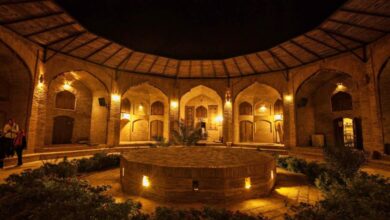
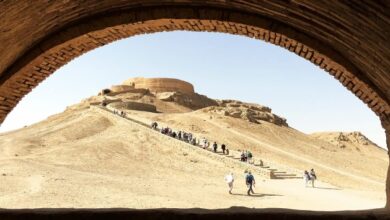
In Yazd, qanats belong to a broader urban landscape of water cisterns, courtyards and earthen architecture. UNESCO’s Historic City of Yazd listing explains how these features supported life in a desert environment.
OrientTrips
Yazd Hotels
The Skills Behind a Working Qanat
Qanat workers, or moqannis, need practical knowledge of the ground, water and tunnel construction. Their work continues after excavation: channels require inspection, clearing and repairs. Passing on these skills is part of conserving the system.

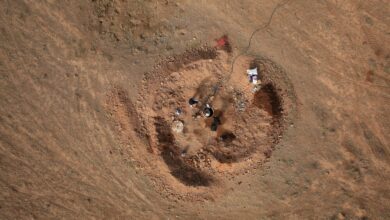
The photographs show people and equipment involved in this labour. They offer a different view of heritage from a finished monument: maintaining a qanat is an ongoing activity, with responsibilities shared across a working community.
Sharing Water by Time
In many Iranian qanat systems, users have traditionally received turns measured in time. The duration of a turn determines access to the flow, making timekeeping an important part of irrigation.
A mirab, or water distributor, helps administer allocation. Arrangements vary between communities. Encyclopaedia Iranica’s account of qanat society describes timed shares, water clocks and the responsibilities of water managers.

For a visitor, the useful question is not only how the clock works, but what it measures. Ask how a water turn was recorded, who supervised it and how users resolved disagreements. Local explanations can reveal the social organisation behind an apparently simple device.


Water, Belief and Local Traditions
Water scarcity also appears in local customs and stories. A 2014 agricultural heritage proposal for the Kashan region, hosted by FAO, records traditions in which communities personified qanats as male or female.
The proposal describes symbolic “qanat weddings” intended to renew a water source’s vitality, as well as mourning customs associated with a qanat drying up. These accounts express the importance of water to community life. They describe beliefs and practices, not a scientific explanation for changes in flow.
Such traditions should be discussed in their local and historical context. They are not evidence that the same customs were practised everywhere in Iran, or that a particular ceremony is available for visitors to attend.

Gardens and a Wider Water Landscape
Qanats supplied landscapes beyond the channel itself. The Persian Qanat World Heritage listing links the systems with reservoirs, mills, irrigation and gardens, as well as the knowledge needed to keep them working.

At a garden, follow the route of the water through channels and pools. Ask where it comes from and how it reaches the planted areas. These details connect the garden’s layout with the practical work of distributing water.
Exploring Qanat Heritage
Combine an explanation of the engineering with a discussion of the people who build, maintain and use the channels. Our guide to how qanats work introduces the physical system. A local guide can explain which features and traditions belong to the site you are visiting.
Related reading