Zarch Qanat in Yazd: A UNESCO Heritage Water System
An Ancient Invention for Water Management in Desert

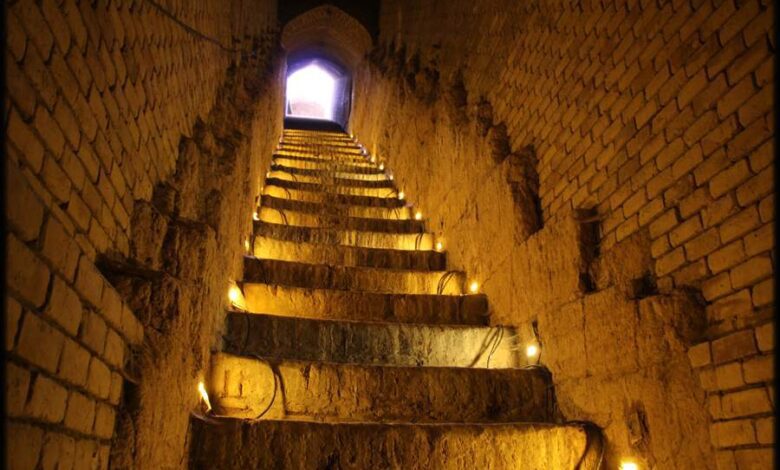
Zarch Qanat is a historic underground water system associated with Yazd. It forms part of The Persian Qanat, the UNESCO World Heritage property inscribed in 2016. Its passages, shafts and access structures offer a different way to understand the region’s built heritage.
Contents
Zarch Qanat: Length and Historical Context
The 2016 ICOMOS evaluation records an 80-kilometre system with three branches and a deepest mother well of 90 metres. It gives a date of 1200 to 1300 CE for Zarch and notes both circular and square shafts. The report also discusses earlier traditions represented by some shaft forms.
Understanding Underground Water Access
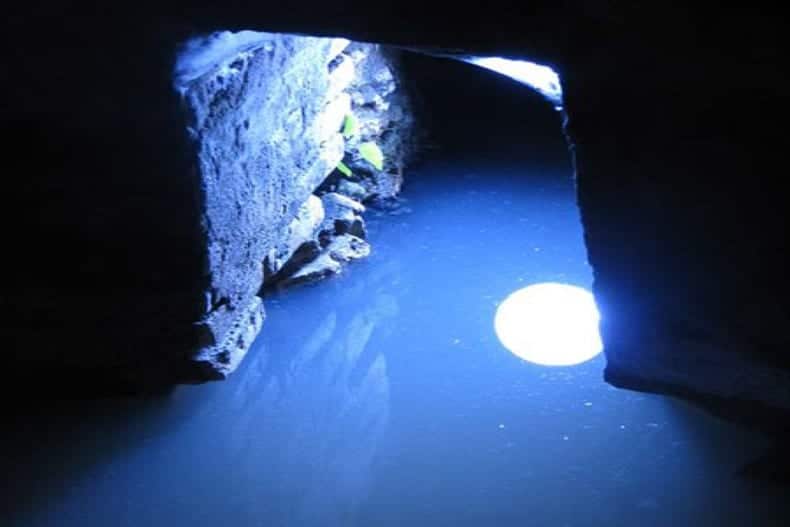
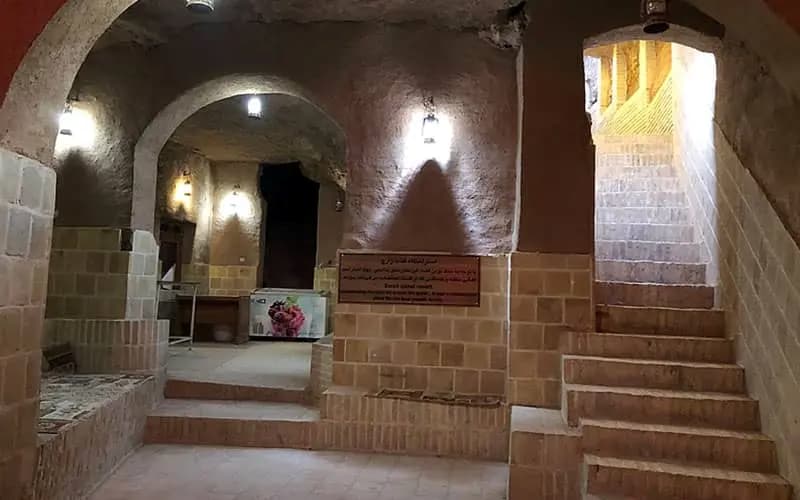
A qanat channels groundwater through an underground tunnel toward an outlet. A payab is a descending access passage that lets people reach water below ground. Looking at the stairways and masonry makes this hidden infrastructure easier to imagine.
A Photo Gallery of Zarch Qanat
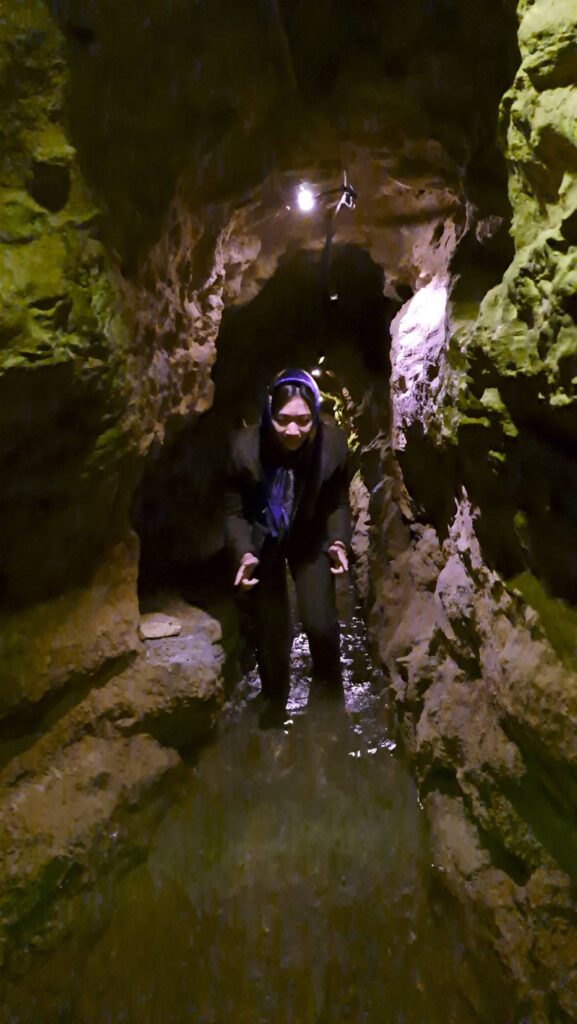
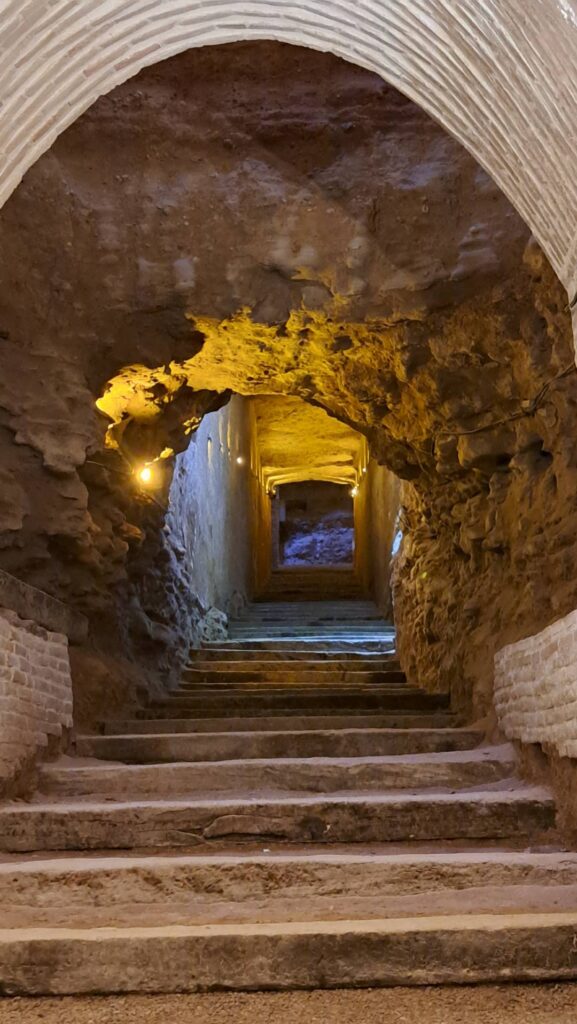
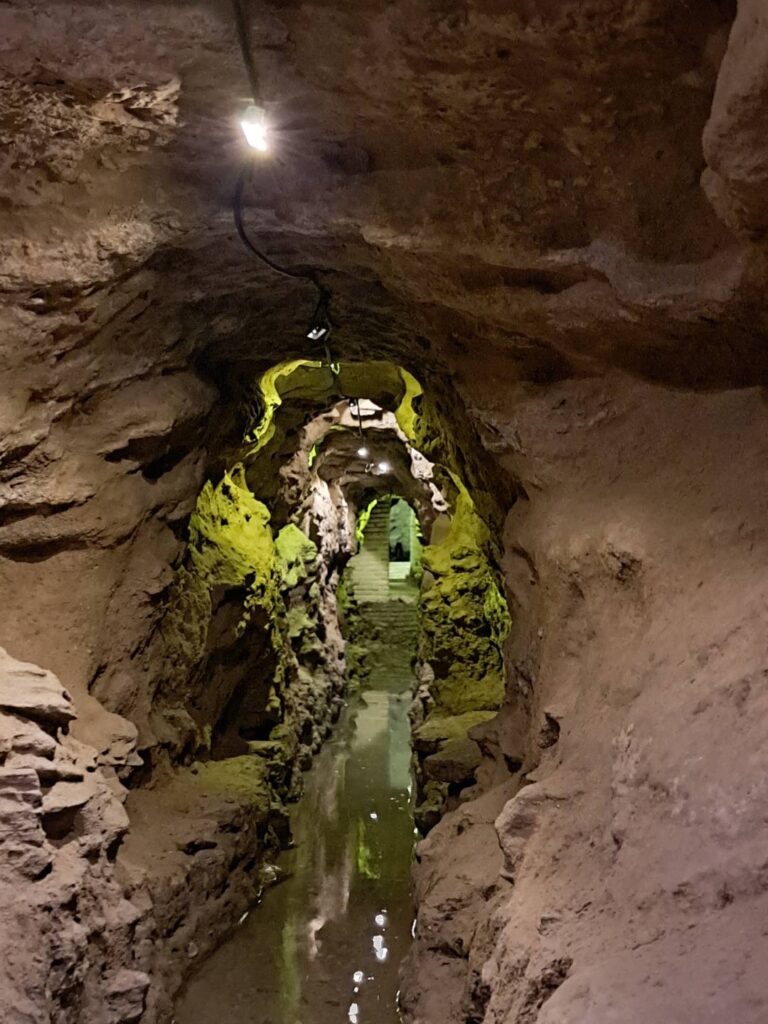
The gallery brings the visitor route into focus through narrow passages, steps and views of the water channel. Keep these individual features in mind when asking a guide how the system was built and maintained.
Water Heritage in Yazd
Read about the Yazd Water Museum alongside this article, then use our Yazd travel guide to place water heritage within a wider city itinerary. Comparing a museum interpretation with the physical setting of a qanat can make both visits more rewarding.

Zarch Qanat Videos
These two short videos accompany the photographs and offer another view of the underground setting.
Planning a Zarch Qanat Visit
Confirm the current entrance, opening arrangements and guided access before visiting. Ask about stairways, confined sections and accessible alternatives so the route suits your group. Stay on the designated visitor route and follow site staff instructions.
For a focused visit, ask how access passages differ from maintenance shafts, how water turns are managed and which parts of the historic system are included in the public route. Avoid assuming that the whole underground network is open to visitors.
Include water heritage in a tailor-made Yazd itinerary, with the route and visitor access confirmed during planning.
Related Guides