Qasr-e Bahram Caravanserai stands in the desert landscape of Iran’s Kavir National Park. It is one of the historic roadside inns included in The Persian Caravanserai, a UNESCO World Heritage property inscribed in 2023.
Contents
History and UNESCO Recognition
The caravanserai lies in a remote part of the desert near Garmsar in Semnan Province. Its name means the Palace of Bahram. Historical traditions associate the site with the Sasanian ruler Bahram V, while the surviving complex reflects later rebuilding, including work attributed to the Safavid period. The precise date of its earliest construction remains uncertain.


The building’s setting amid stony plains and salt-desert scenery helps explain its role on historical travel routes. Today it lies within a protected landscape, so visitors should not assume that roads, facilities or entry are freely available. Explore the broader deserts of Iran before planning a trip.

Wildlife and the Protected Desert
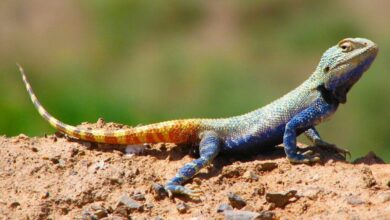
Kavir National Park supports fragile desert ecosystems. Wildlife encounters are unpredictable, and older claims that travellers can readily see rare animals here should not be taken as reliable. Respect conservation restrictions and keep a safe distance from all animals. Learn more about Iran’s threatened wildlife without expecting sightings.

Salt flats and open horizons add to the landscape around the national park. Their appearance changes with weather and season. Crossing salt surfaces or leaving authorised routes can be dangerous, and protected-area rules must take priority over sightseeing.

Stargazing and Night Access
Remote desert skies can be suitable for stargazing when the weather is clear and moonlight is limited. However, night entry, camping and photography access may be restricted. Confirm the current rules with the responsible authorities before making plans.
Qasr-e Bahram is a protected historic monument, not a guaranteed overnight accommodation. Do not rely on outdated descriptions of staying inside the building. Arrange any authorised visit with an experienced local operator.


Stone Architecture and Historic Water Systems
The complex features substantial stone masonry, vaulted rooms, arched entrances and an enclosed courtyard. These architectural elements illustrate how caravanserais provided shelter along demanding routes. For the wider UNESCO context, see Iran’s historic caravanserais.


Other historic structures and ruins survive in the wider area. Their dates and original uses require careful interpretation, so stories about royal residents or separate facilities for ordinary travellers should not be presented as settled fact.


Water infrastructure was essential to caravan travel in this arid region. Historical descriptions refer to channels and springs serving the complex, but the exact route and present condition of those features should be checked against specialist documentation before a field visit.

When to Visit Qasr-e Bahram
Autumn through spring generally bring milder daytime temperatures than summer, although desert nights can be cold. Conditions vary considerably. Check current forecasts, daylight hours and any access restrictions before departure.


Access, Permits and Desert Safety
Reaching Qasr-e Bahram involves remote terrain and protected-area access. Do not attempt unapproved off-road driving. Confirm permits, a suitable vehicle, local guidance and communications before setting out from Tehran, Garmsar or another departure point.


Qasr-e Bahram offers insight into the history of travel and architecture in Iran. This article is a heritage overview, not confirmation that entry, overnight stays or tours are currently available.