Hot Springs in Iran: Locations and Bathing Sites
Thermal springs and bathing destinations by province

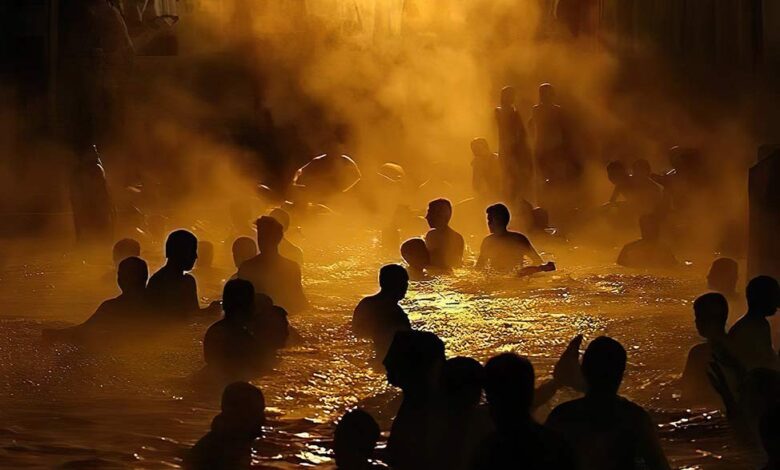
Iran’s hot springs range from named bathing sites in Sarein to thermal springs in the foothills near Dehloran and Bandar Abbas. Choose by location and by the kind of visit you want. A spring on a map may mark the water source rather than an entrance to a bathing facility.
SURFIRAN Tours
Best Iran Tours
Contents
Dehloran Hot Spring in Ilam
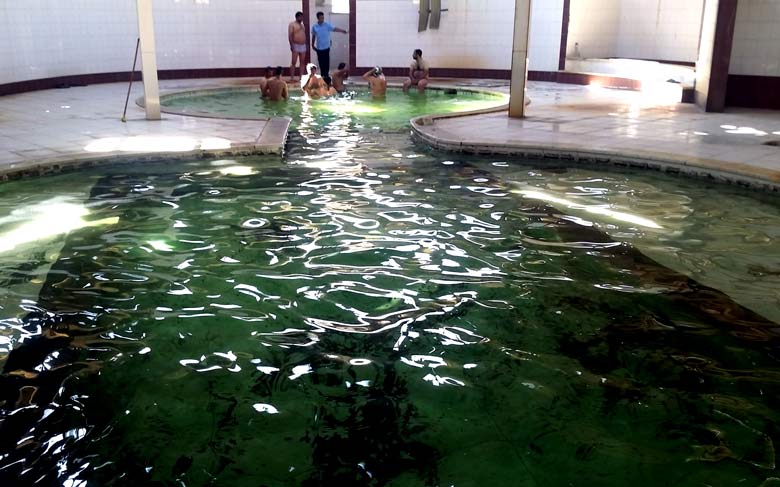
The Dehloran spring and mud pool lie about three kilometers from Dehloran, at the foot of Siah Kuh. Iran’s national tourism portal reports water around 50°C at the site. That figure describes the spring area, where water can be hotter than in a managed bathing pool.
Visit Iran notes that reflected sunlight can give the water an iridescent appearance. The effect depends on the light.
Khofash Cave, also called Bat Cave, is nearby on the Siah Kuh side of town. Treat the cave and the spring as separate stops.
Sarein Hot Springs in Ardabil
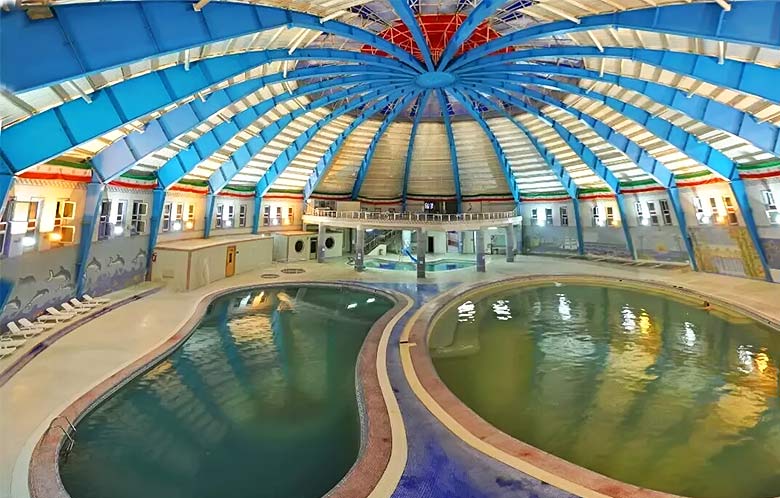
Sarein is a town in the foothills of Sabalan with several named hot springs. The individual pools have different settings and water temperatures, so use the spring or bathhouse name when asking for directions.
Visit Iran identifies Gavmish Goli, also written Gamish Guli, and Besh Bajilar as two of Sarein’s springs. Qara Su and Sari Su are other names you may see locally.
Geno Hot Springs in Bandar Abbas
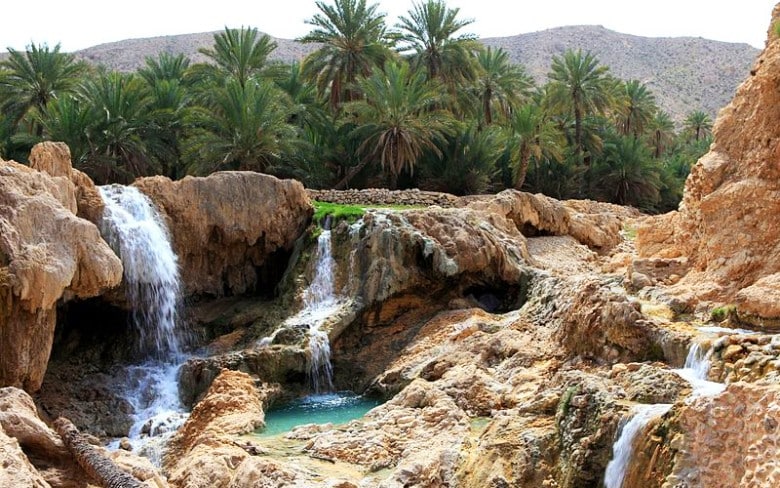
Geno, also written Genow, is in the mountains north of Bandar Abbas. The national tourism portal identifies the spring separately from the much larger mountain area. Use the spring as your destination if you are coming from the coast.
If you are planning to bathe, ask for the bathing entrance. The name Geno also appears on maps for the mountain and surrounding area.
Bostan Abad Hot Springs in East Azerbaijan
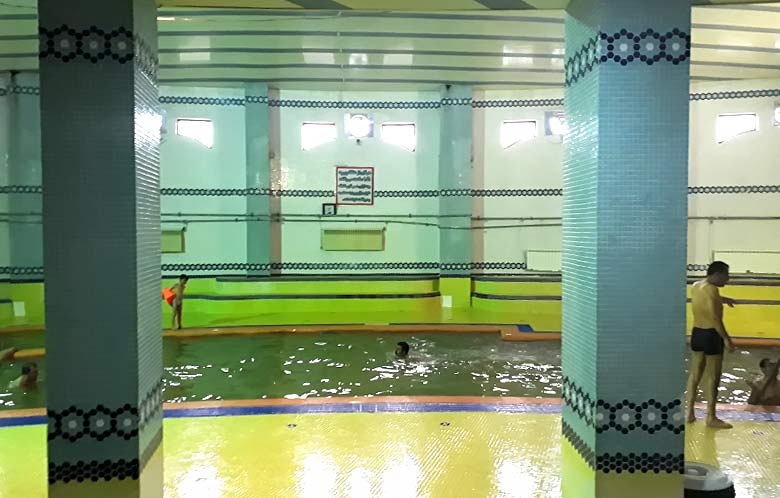
The Bostan Abad mineral spring is in East Azerbaijan. A University of Tabriz study includes it among the province’s documented thermal springs.
The map pin in this section points to a hydrotherapy site in Bostan Abad. Use the town name when looking up the spring.
Bardaskan Hot Springs in Razavi Khorasan
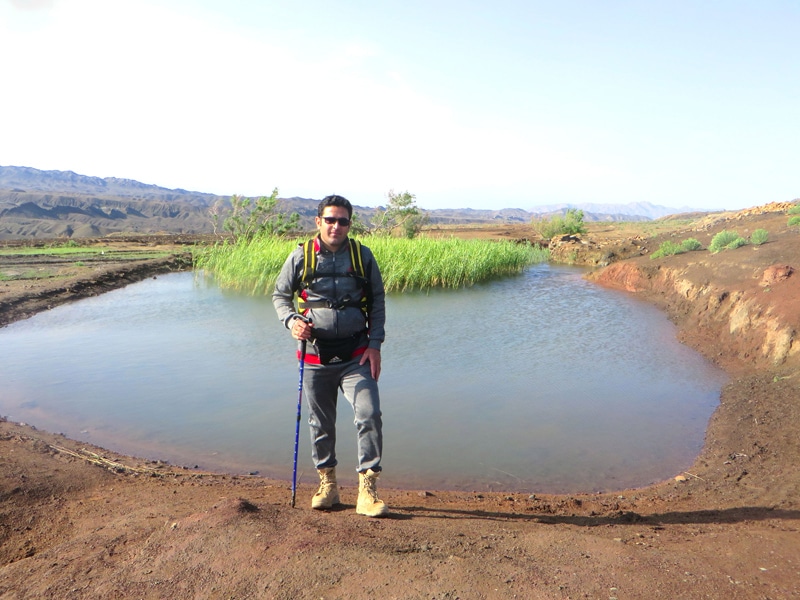
The Khanjir spring is listed near Bardaskan in Razavi Khorasan. Use Khanjir as the village name when looking up the site.
Plan the visit as a stop near the village. The availability of a managed bathing pool and access from the road still need local confirmation.
Bash Kandi Hot Springs in West Azerbaijan
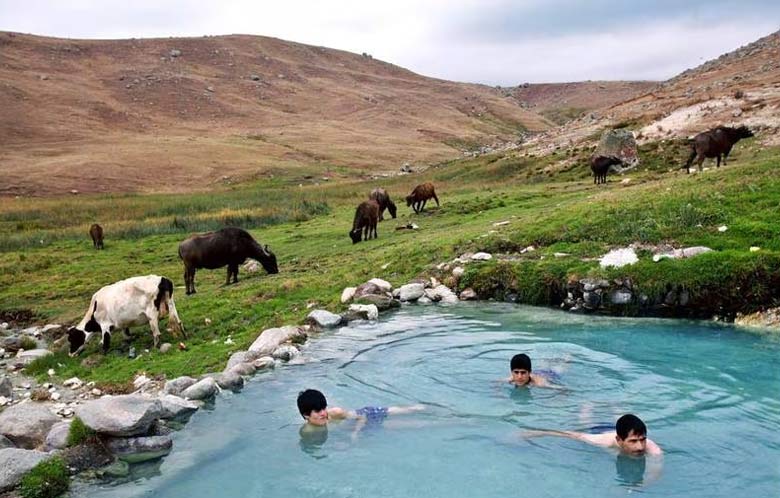
Bash Kandi is in the Maku area of West Azerbaijan. Use both Bash Kandi and Maku when looking up the spring, since the village name alone can be ambiguous.
Mahal Barandoz (Haft Abad) Hot Springs in Urmia
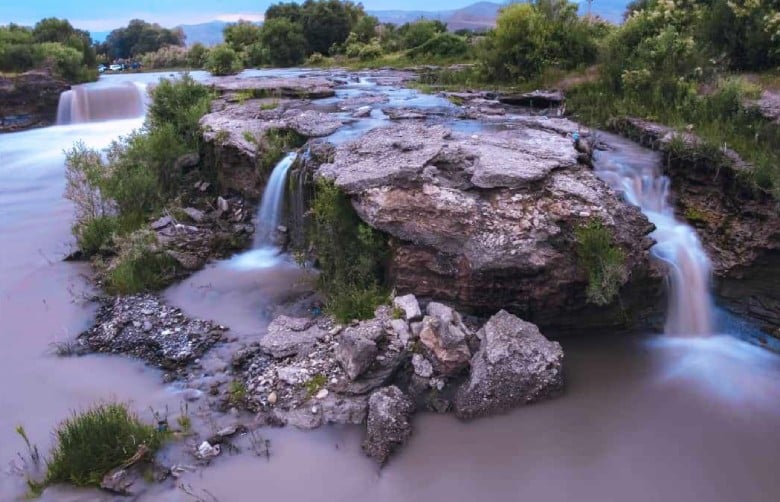
The Haftabad spring is in the Baranduz area near Urmia. Haftabad is the village name to use when checking the route from the city.
Amol Hot Springs in Mazandaran
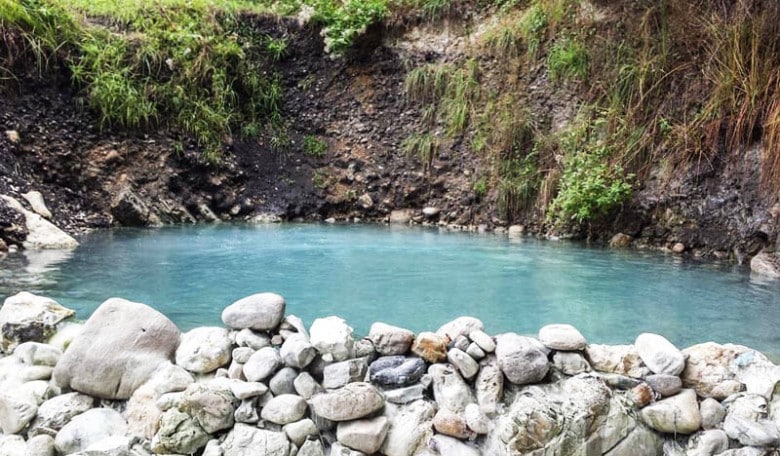
The spring described here is near Baliran, a village in Amol County, Mazandaran. Search for Baliran when looking up the site, since Amol also serves as a reference point for other springs in the region.
Qinrejeh Hot Springs in Ardabil
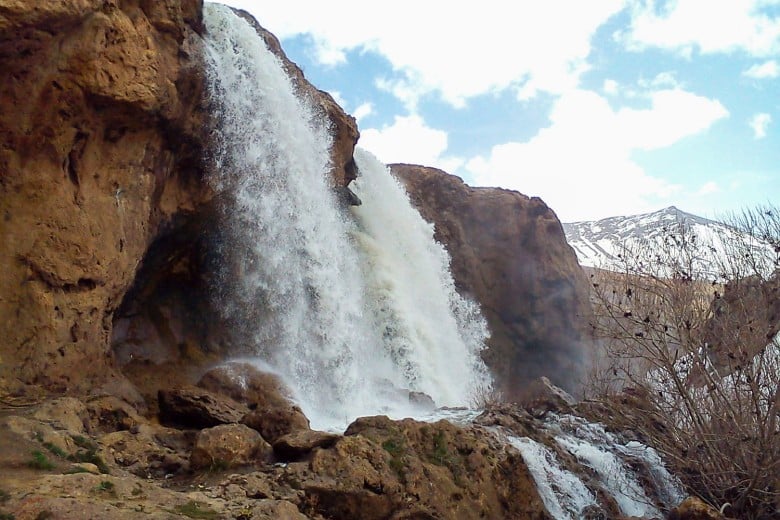
Several springs in the Sabalan region use variations of the name Qeynarjeh. For the spring in this section, use Meshgin Shahr and the northwest side of Sabalan to distinguish it from similarly named sites.
A 2017 geothermal study of northwest Sabalan places most of the area’s thermal features around the Moeil valley. The researchers describe spring water mixing with shallow groundwater and a marked seasonal cycle in flow. Their reported temperatures of 25–85°C cover different natural springs in the field, not a single pool or a recommended bathing temperature.
Faryab Hot Springs
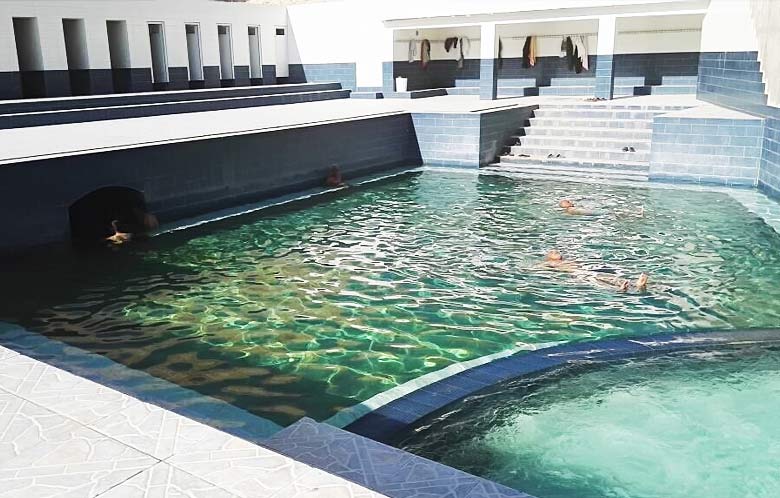
Faryab Sanguyeh is in Bastak County, Hormozgan. An archaeological field survey places the spring at the north end of the village, in a narrow valley.
The survey traces an old water channel from the spring to a group of mills below it. The mill remains show how the same water source once served the village.
BOOK ONLINE
Iran Hotels Online
Final Words
Sarein works as a base if you want to compare several named springs in one town. Dehloran and Geno suit a visit from their respective cities. At smaller village sites, distinguish the natural spring from any public bathing area before setting out.
Read More