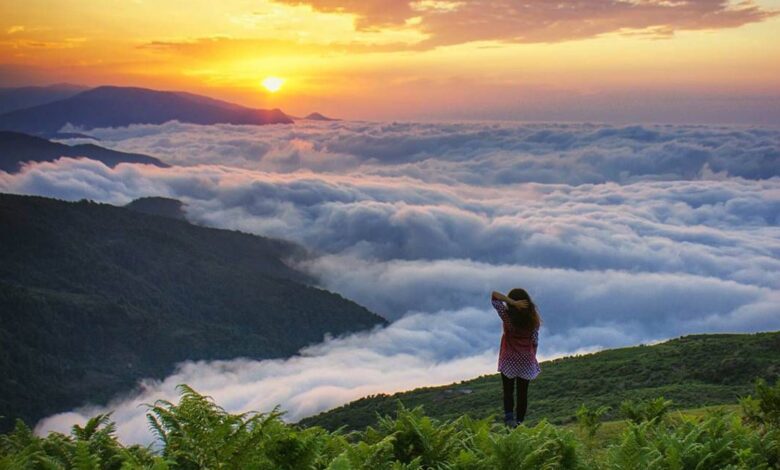
Iran’s highlands offer a welcome contrast to the intense summer heat of many lowland cities. Mountain villages, forest roads and cooler evenings make the north and west especially appealing for seasonal travel. Weather varies by elevation, however, and even popular summer areas can have rain, fog or chilly nights.
These seven destinations combine mountain scenery with village life and outdoor activities. This is a guide to their landscapes and seasonal appeal, not a statement that travel is currently safe or possible. Before planning, check official travel advice, local access and transport conditions.
Contents
1. Asalem and the Khalkhal road, Gilan
Asalem lies in the green hills of Talesh in Gilan Province. Its surrounding highland pastures and the road toward Khalkhal offer views of wooded valleys, mist and open mountain slopes. Summer days at higher elevations can be milder than on the Caspian lowlands, but fog can reduce visibility on the winding road.
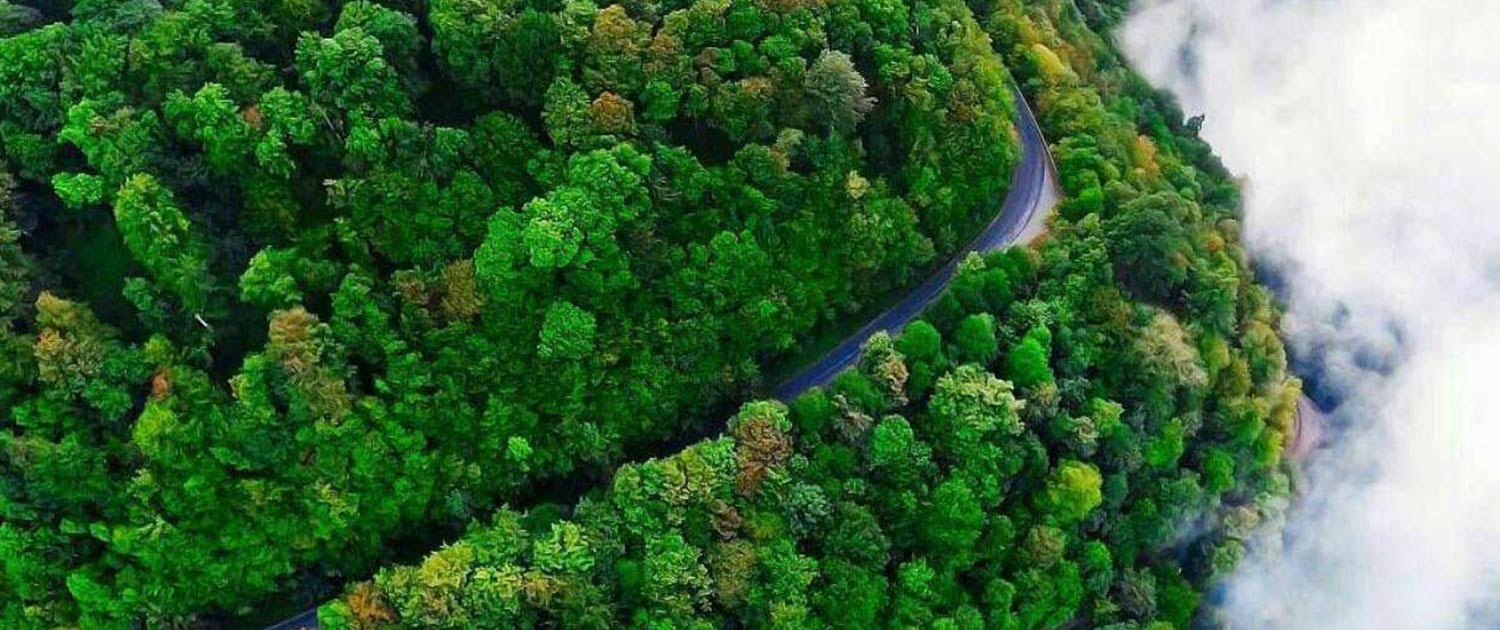
Allow time for stops rather than treating the Asalem–Khalkhal route as a quick transfer. Check road conditions before driving, especially in wet weather. Explore more of Gilan.
2. Kandovan, East Azerbaijan
Near Tabriz, Kandovan is known for homes carved into distinctive volcanic rock formations. The village’s architecture is the main attraction, with narrow paths and views of the surrounding slopes. Its upland setting makes summer a practical season for exploring on foot, although daytime sunshine can still be strong.
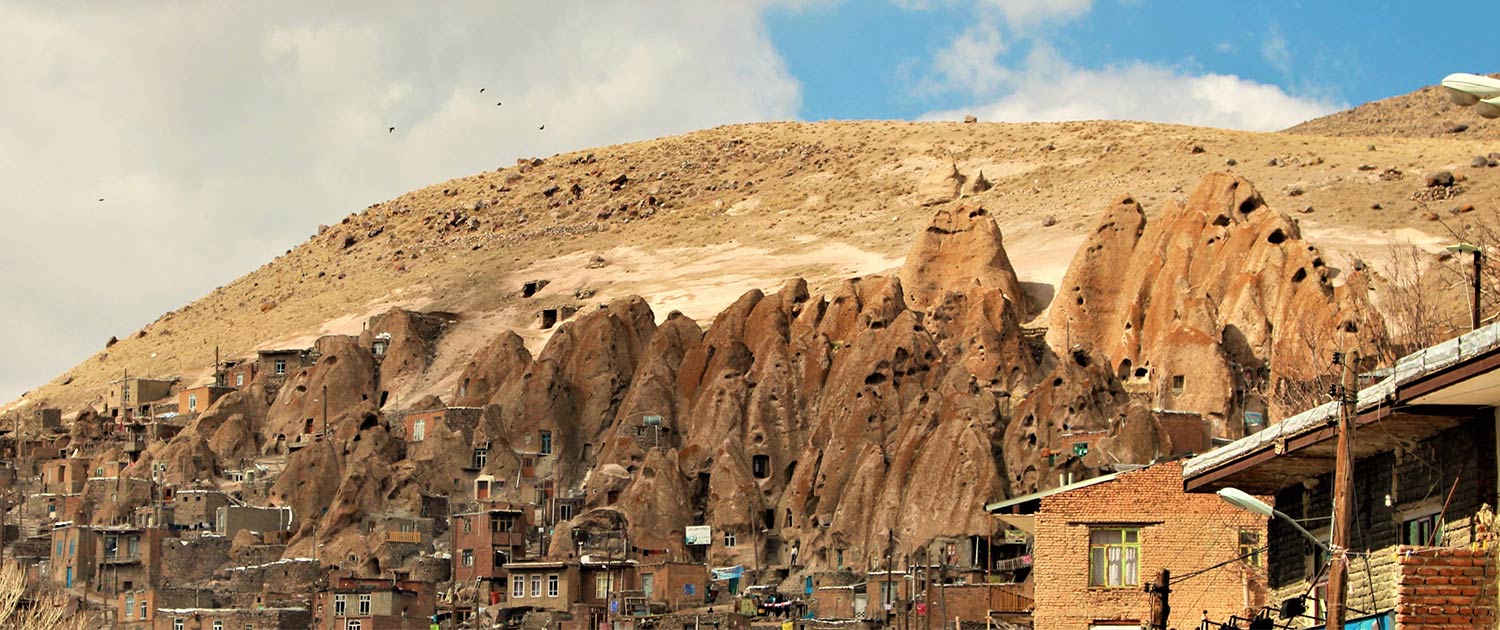
Wear comfortable shoes on uneven paths and respect residents’ privacy: Kandovan is a living village, not an open-air museum. It can be combined with a longer stay in the Tabriz region.
3. Alasht, Mazandaran
Alasht sits in the mountains of Savadkuh in Mazandaran. Green slopes, rural architecture and nearby viewpoints make it an alternative to the warmer coastal resorts. Conditions change quickly when clouds gather, so pack a light waterproof layer even in summer.
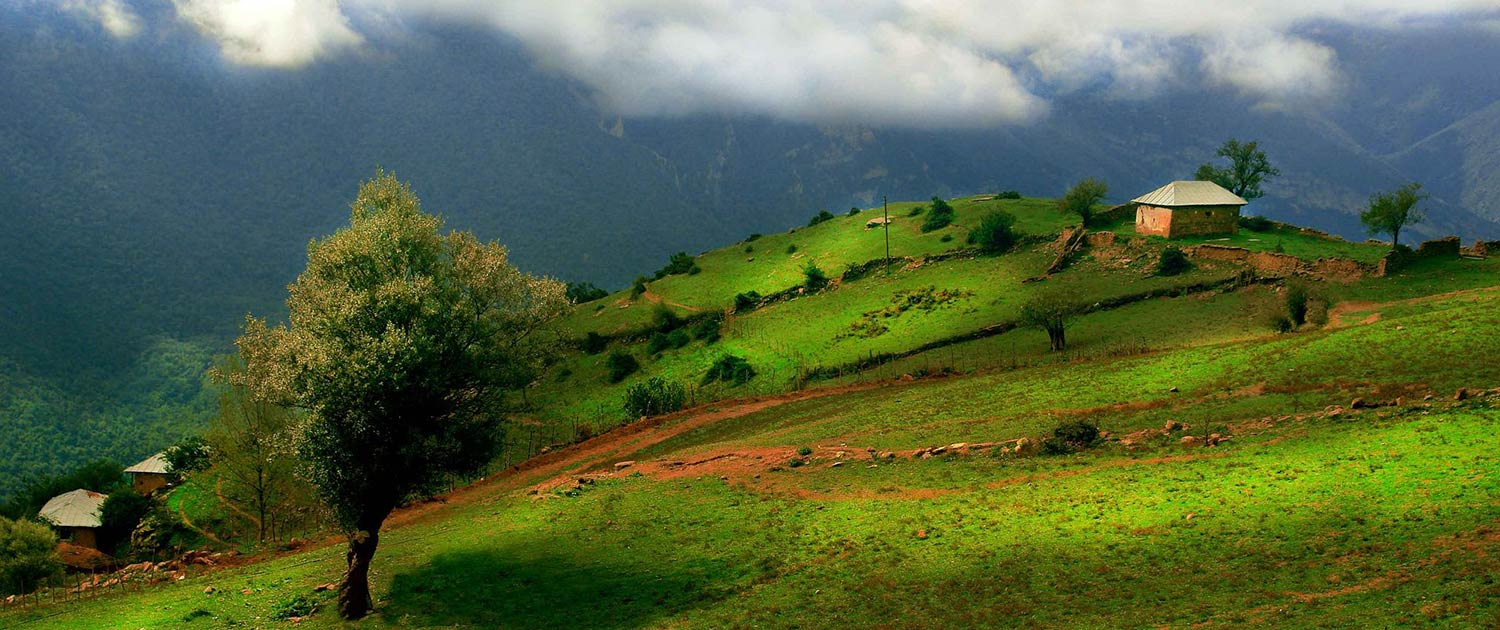
The broader Savadkuh area offers forest drives and access to places such as Shoormast Lake. Check the route and available facilities locally before setting out; travel times depend on mountain roads.
4. Sarein and the Sabalan highlands, Ardabil
Sarein, in Ardabil Province, is best known for its thermal springs and access to the Sabalan mountain region. Its relatively high elevation offers a different summer experience from Iran’s central deserts. Bathing facilities vary, so verify opening times and conditions before visiting.
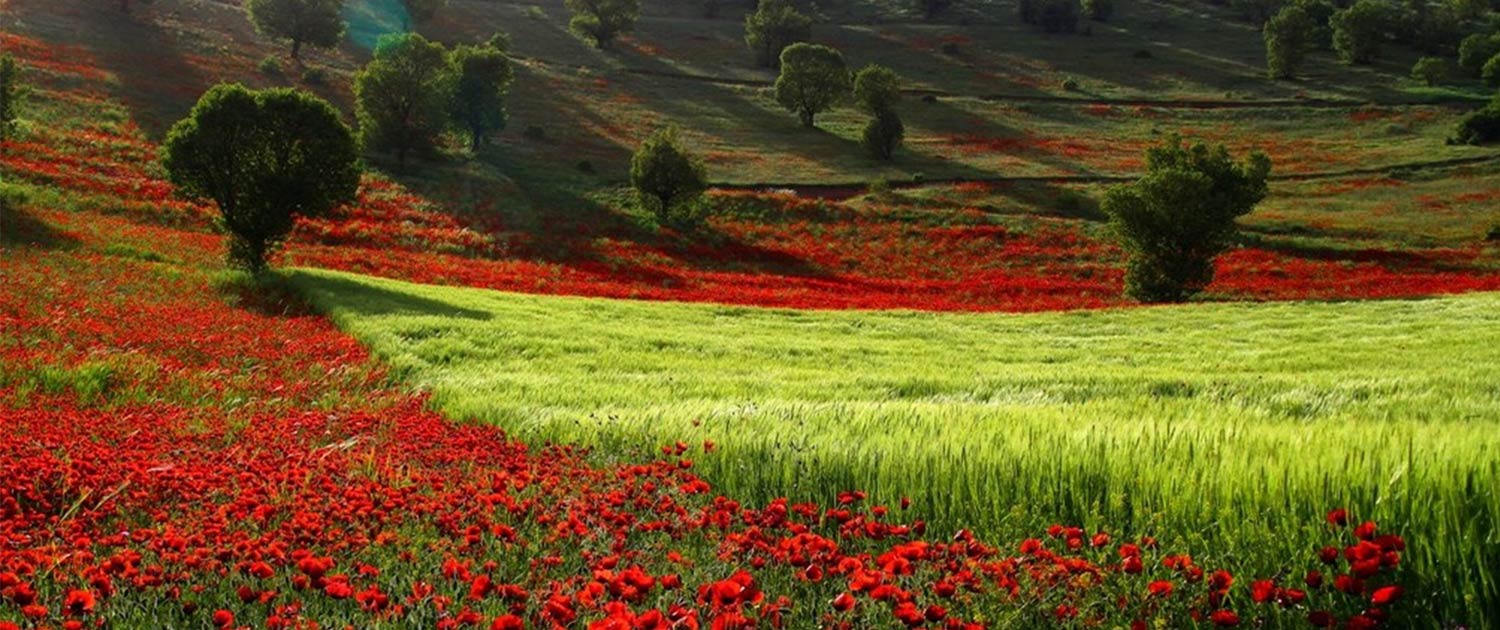
The wider area also includes mountain landscapes and the Meshginshahr suspension bridge. Treat these as separate excursions rather than assuming every attraction is within walking distance of Sarein.
5. Uraman and Kurdistan Province
The Zagros Mountains shape much of Kurdistan Province. Villages such as Uraman and Palangan are known for their steep settings, stone-built houses and distinctive cultural landscapes. The wider Hawraman/Uramanat cultural landscape was inscribed on the UNESCO World Heritage List in 2021.
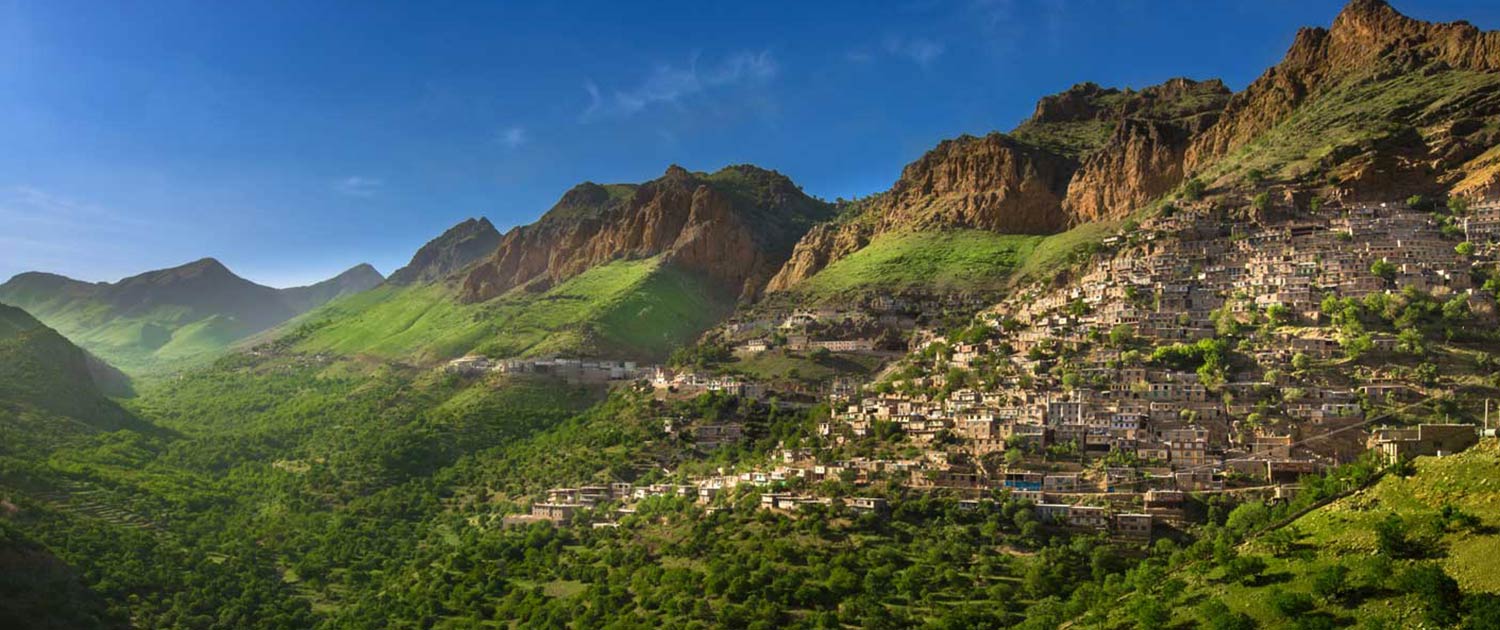
Summer travel can include viewpoints around Sanandaj and the Zarivar Lake area near Marivan. Allow time for mountain roads, follow local guidance and respect communities and cultural sites.
6. Filband, Mazandaran
Filband is a highland village in Mazandaran, widely photographed for its cloud-filled valleys and broad mountain views. It is generally more accessible during the warmer part of the year than in winter, but visibility and road conditions depend on the weather.
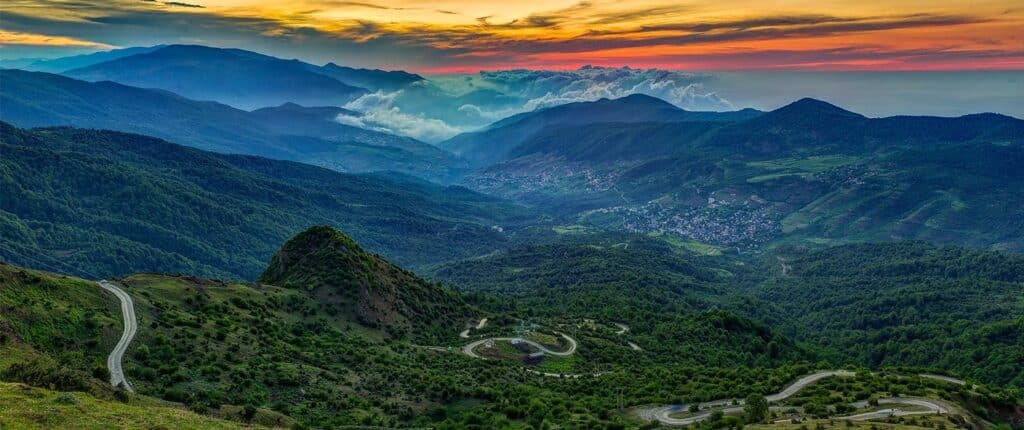
Clouds are not guaranteed. Check forecasts and access before the journey, carry a warm layer and avoid driving unfamiliar mountain roads in dense fog.
7. Kuhrang, Chaharmahal and Bakhtiari
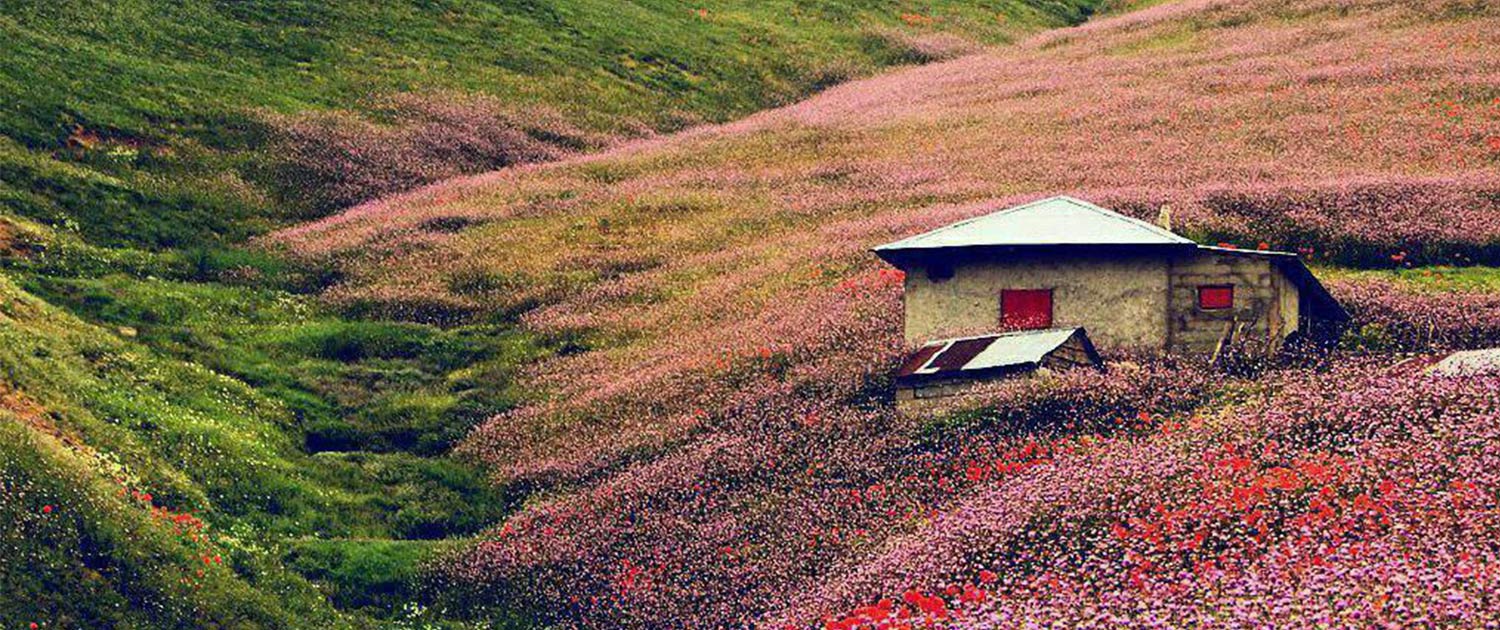
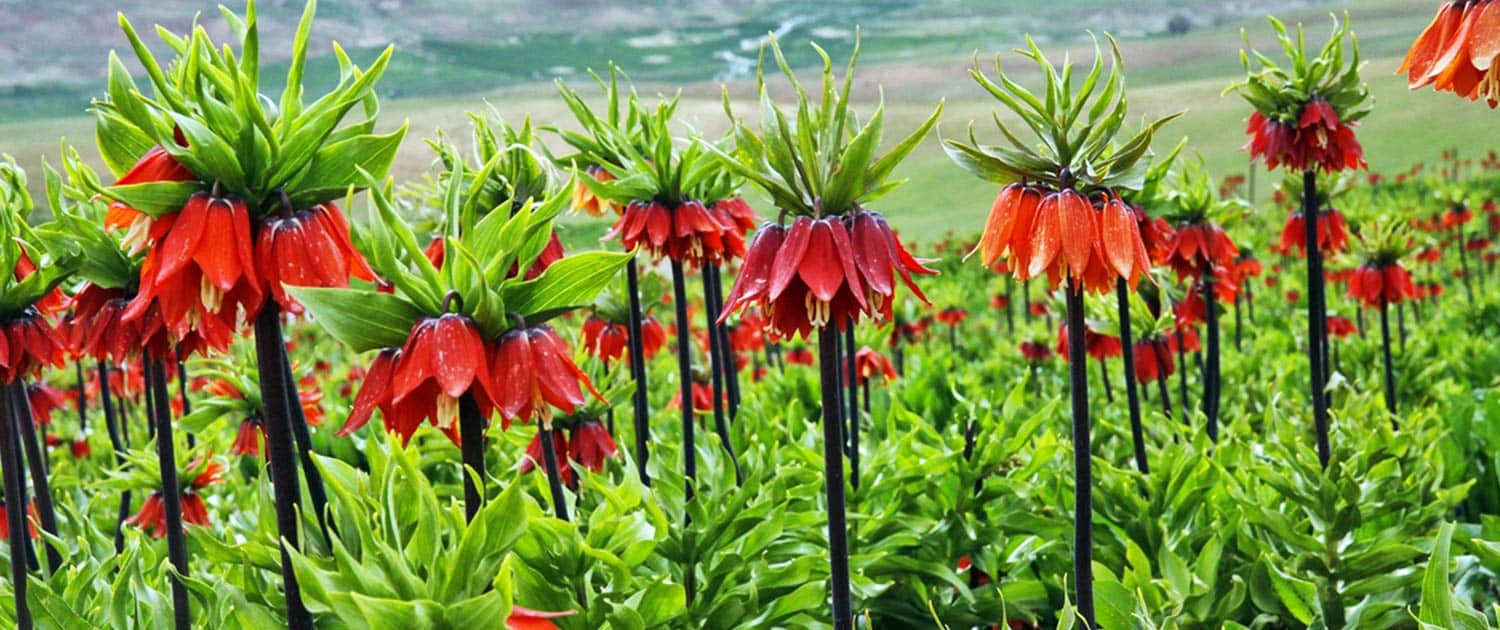
The Kuhrang area combines mountain valleys, waterfalls and seasonal wildflowers. The striking crown imperial fritillaries, sometimes called inverted tulips, are primarily a spring sight, not a dependable midsummer attraction. Summer is better suited to exploring cooler highland scenery where access is permitted.
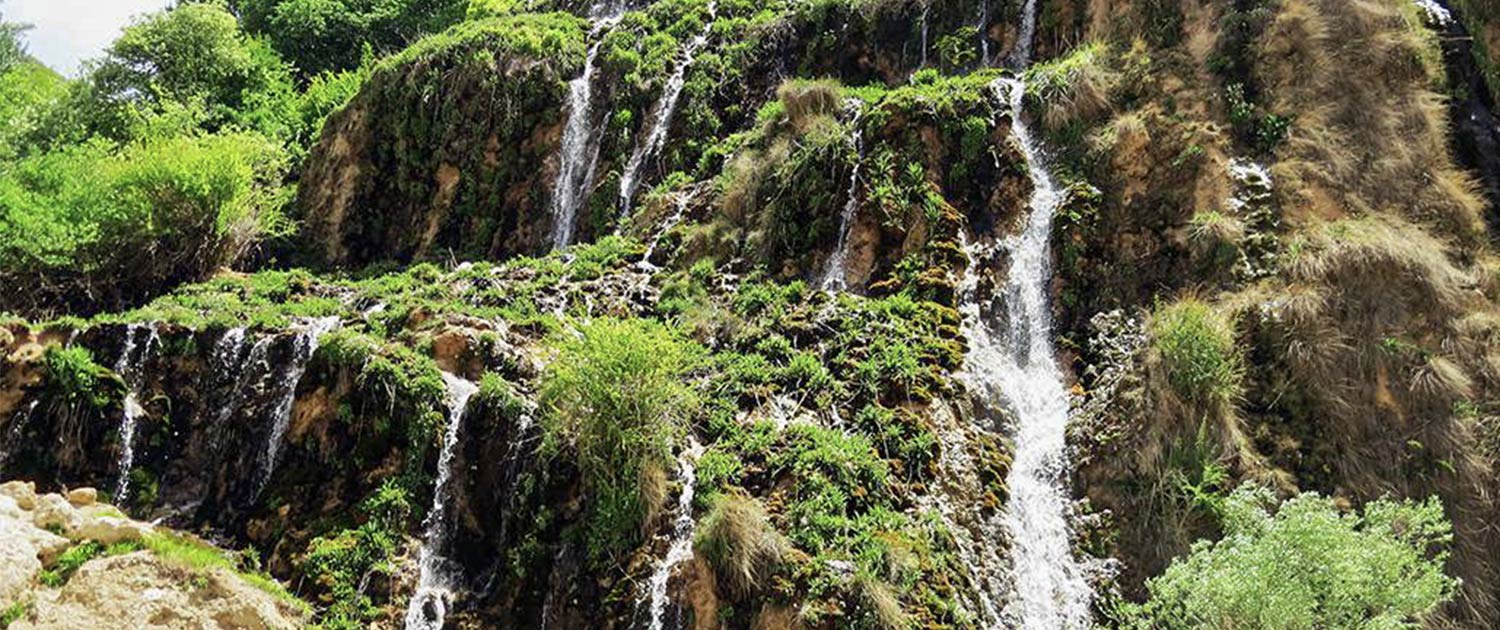
Check water levels and trail conditions before visiting waterfalls. For more background on historic sites across Iran, see our guide to castles and citadels.
Planning a summer trip
For mountain travel, bring sun protection, drinking water, walking shoes and a warm layer. Plan for slower road journeys, especially on narrow or foggy routes. Confirm accommodation, local restrictions and transport rather than relying on older descriptions. Travelers should review their government’s current advice, including the U.S. advisory and UK travel advice, before making decisions.


Hello there,
Why don’t you tailor new trips other than the classic ones offered by your company?
Example: all the places mentioned under your link “summer vacation in Iran” ????
Regards,
Heba