Uraman Village in Kurdistan: UNESCO Hawraman Guide
Discover the terraced village, living traditions and UNESCO-listed cultural landscape of Hawraman.

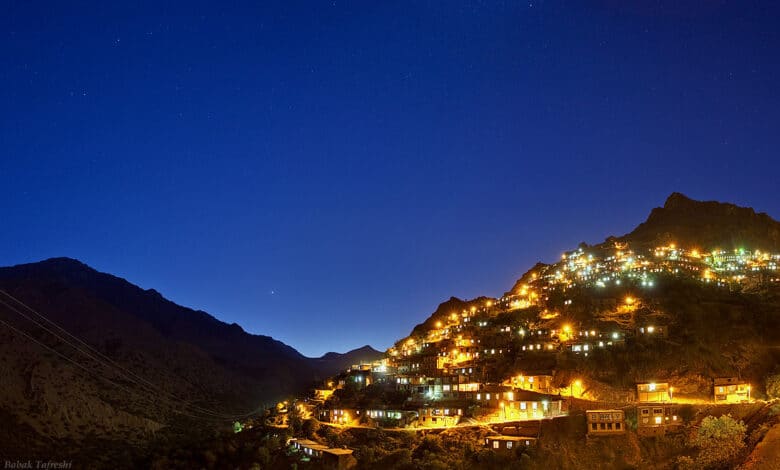
Uraman, also spelled Oraman or Hawraman, is a mountain village in western Iran’s Kurdistan Province. It forms part of the wider Cultural Landscape of Hawraman/Uramanat, recognized by UNESCO as a World Heritage Site in 2021. The region is known for its terraced stone settlements, dramatic Zagros scenery and living Hawrami traditions.
The UNESCO-listed landscape extends across parts of Kurdistan and Kermanshah provinces. Archaeological sites, agricultural terraces and seasonal pastoral routes reveal how communities have adapted to these mountains over thousands of years. The heritage belongs to the people who continue to live and work here, not simply to the historic buildings.
APPLY ONLINE
Iran Tourist visa
Contents
Where is Uraman village?
In western Iran, Kurdistan Province combines mountain valleys, oak woodland and villages shaped by steep terrain. Uraman-e Takht is among its best-known settlements, but the cultural landscape includes other communities and valleys.
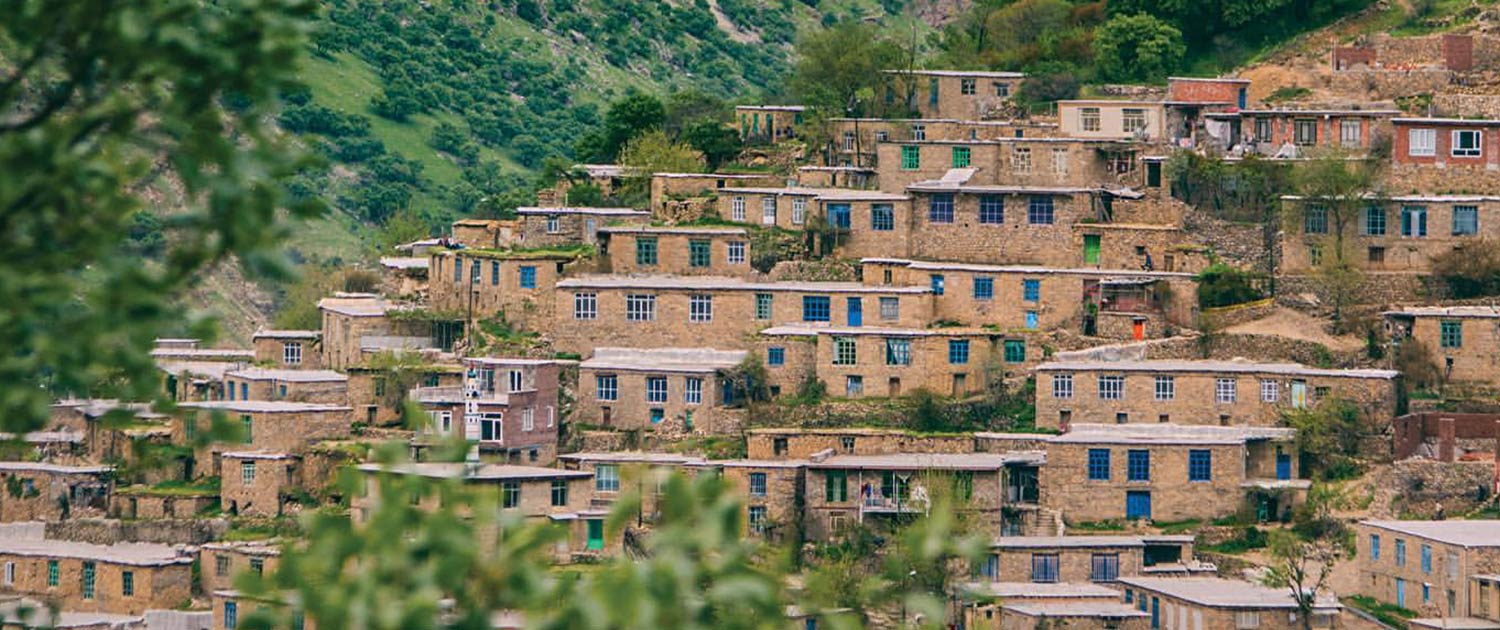
Visitors encounter a living Kurdish cultural region, with local languages, crafts, music and hospitality. Respect for residents and their everyday routines matters as much as appreciation of the scenery.
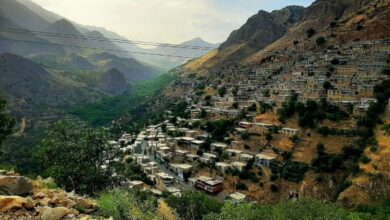
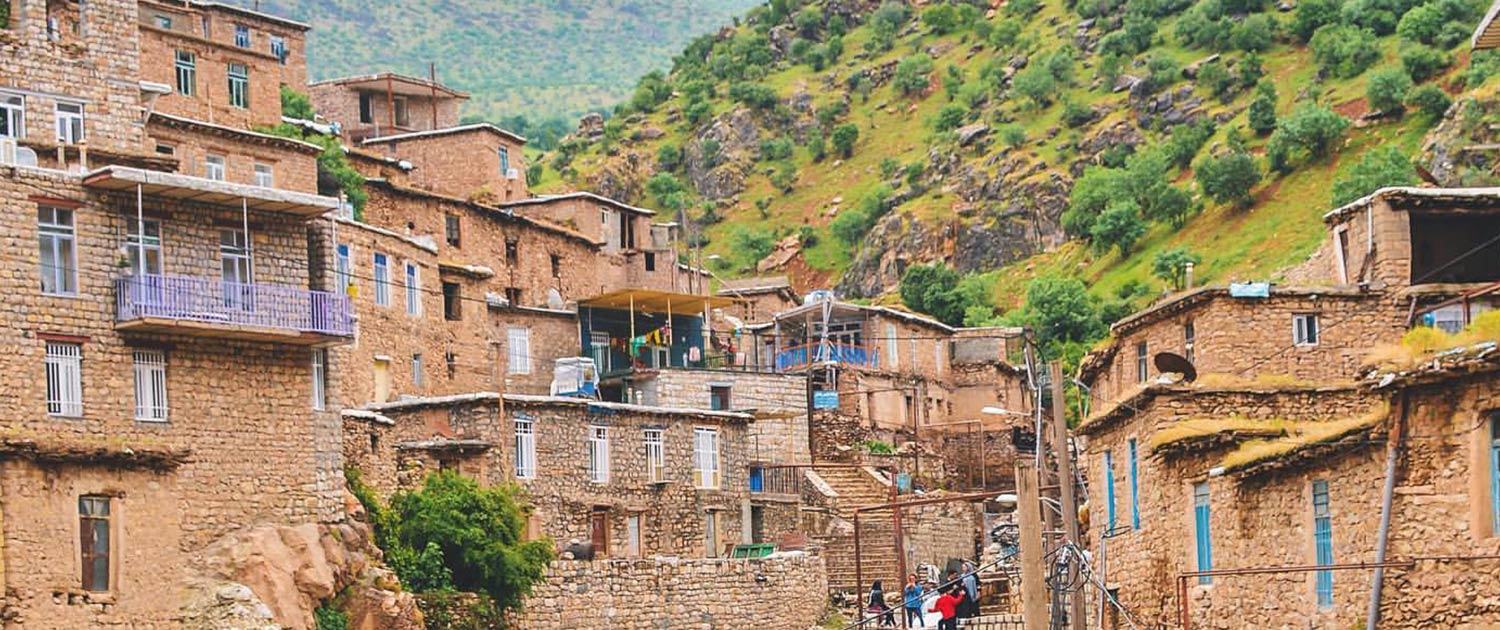
Many houses stand in tiers along the hillside, with flat roofs that can serve as outdoor spaces for buildings above. Stone construction and narrow pedestrian lanes reflect the limited building space on steep slopes. For a different example of stepped architecture, see Masouleh in Gilan.
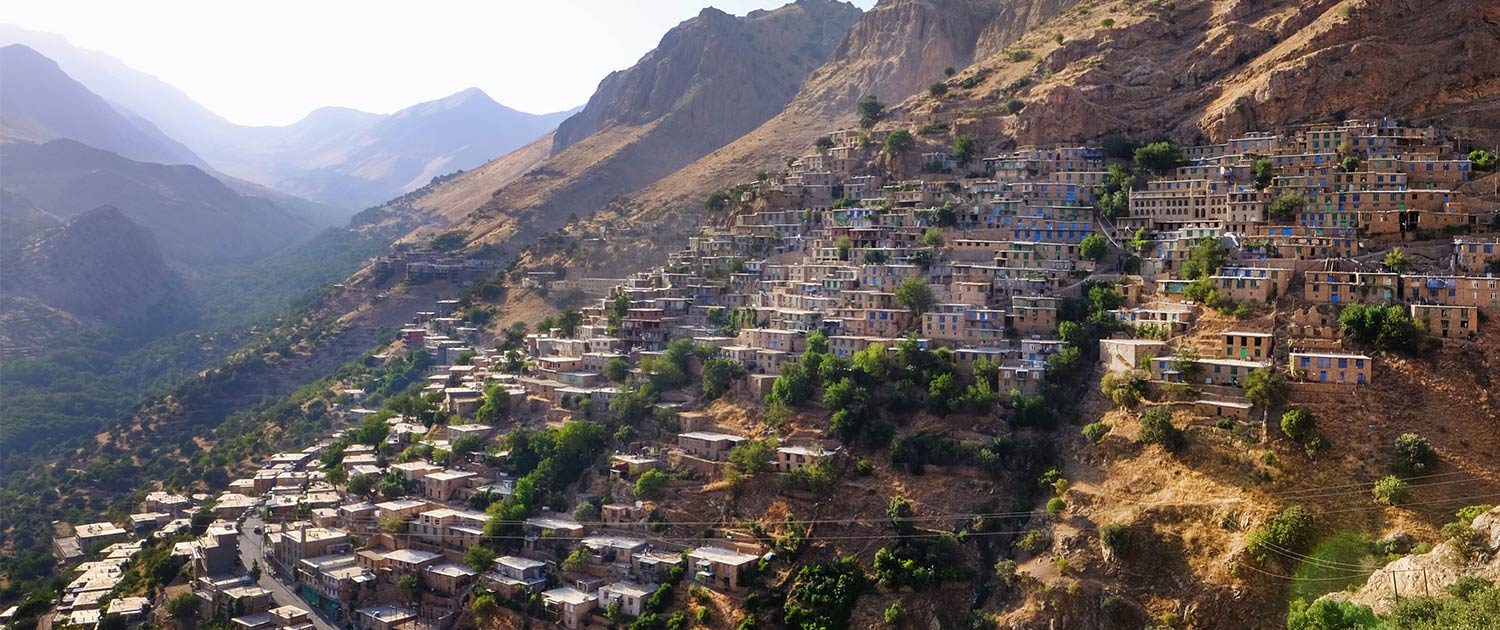
Terraced architecture and mountain scenery
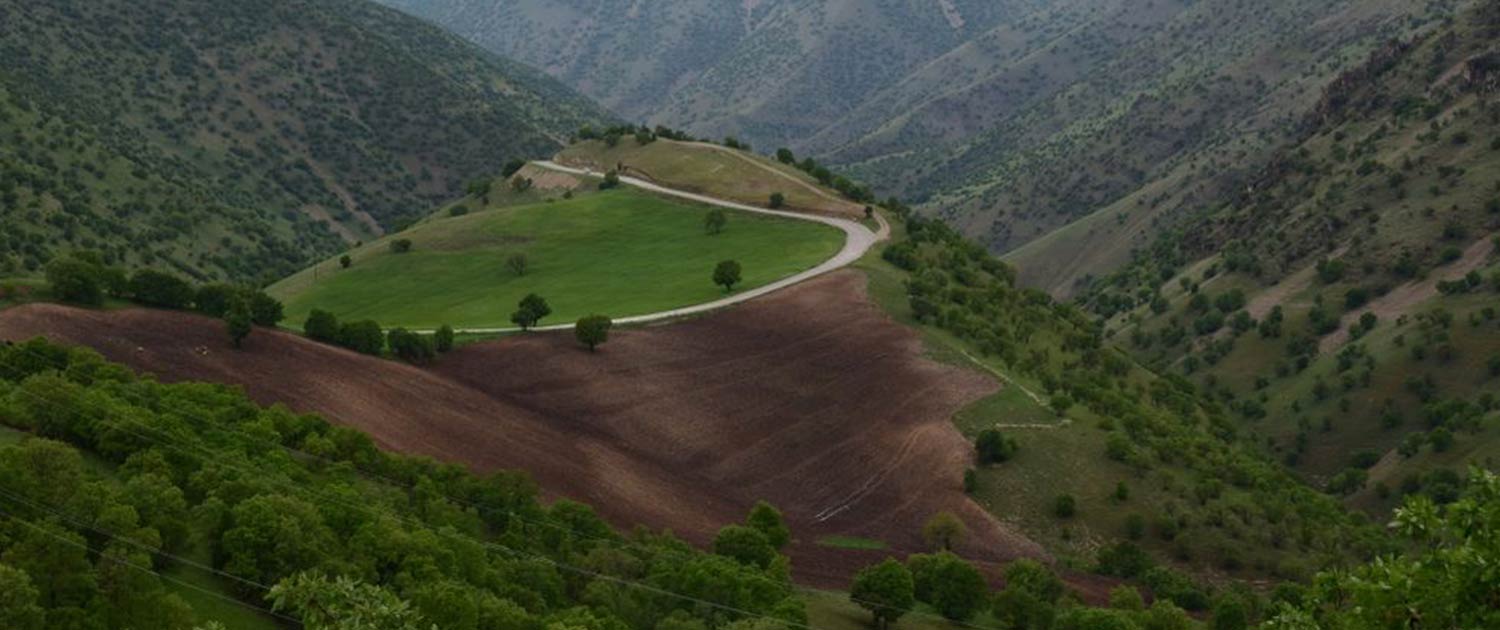
The road to Uraman winds through the Zagros Mountains. The village’s closely grouped houses appear against rocky slopes, orchards and deep valleys. Allow extra time for mountain roads and changing weather.
Streams, springs and terraced fields help sustain local agriculture. Their appearance changes with rainfall and the seasons, so a visit in spring can look very different from one in late summer.
Spring and early autumn often bring comfortable conditions for exploring the village and nearby viewpoints. Winters can be cold and snowy, while mountain routes may be difficult in poor weather. Check local access and forecasts before setting out.
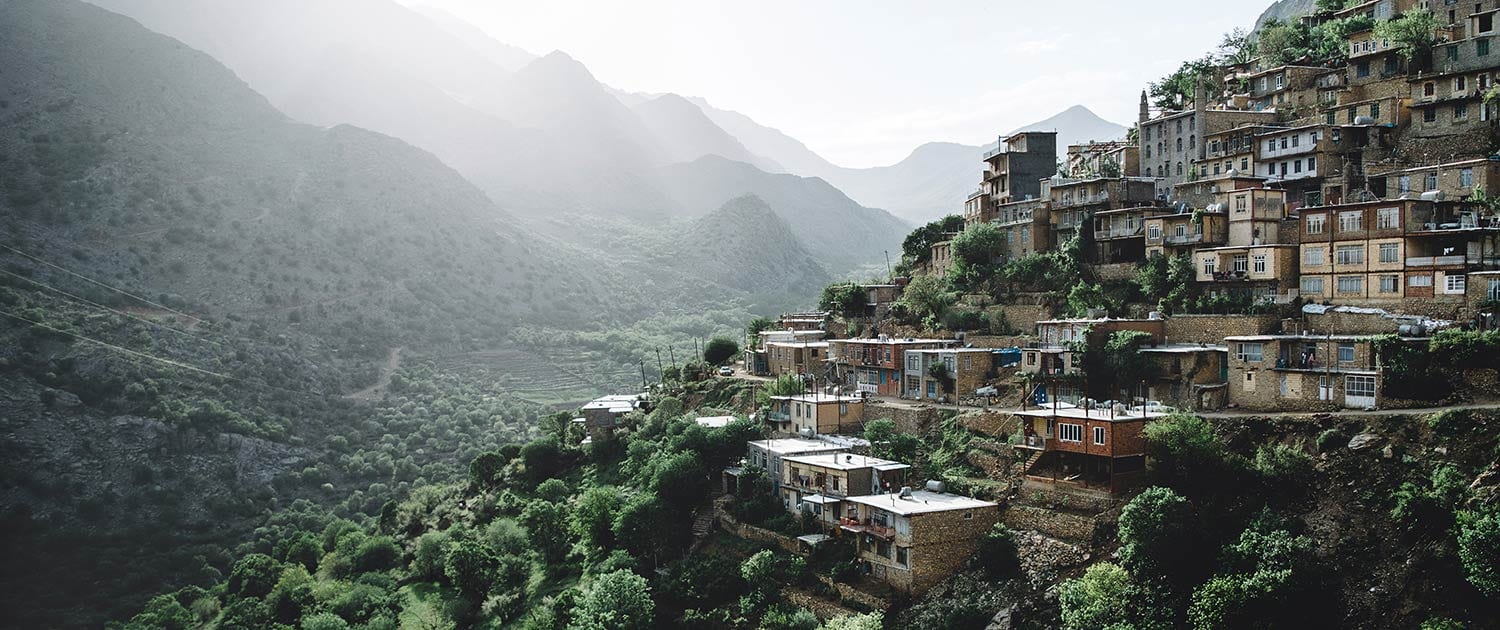
History and UNESCO World Heritage status
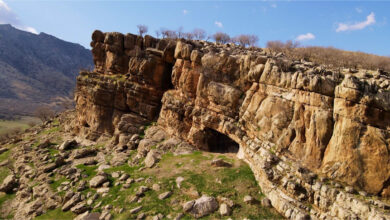
UNESCO documents archaeological evidence in the Hawraman/Uramanat region dating back approximately 40,000 years. That evidence relates to the wider cultural landscape and should not be mistaken for a precisely dated origin of the present village. Read the official UNESCO World Heritage description for the archaeological and cultural context.
The origin of the name Uraman is discussed in local traditions, but popular derivations from ancient religious terms are not established historical facts. The name is best understood in its regional linguistic and cultural setting.
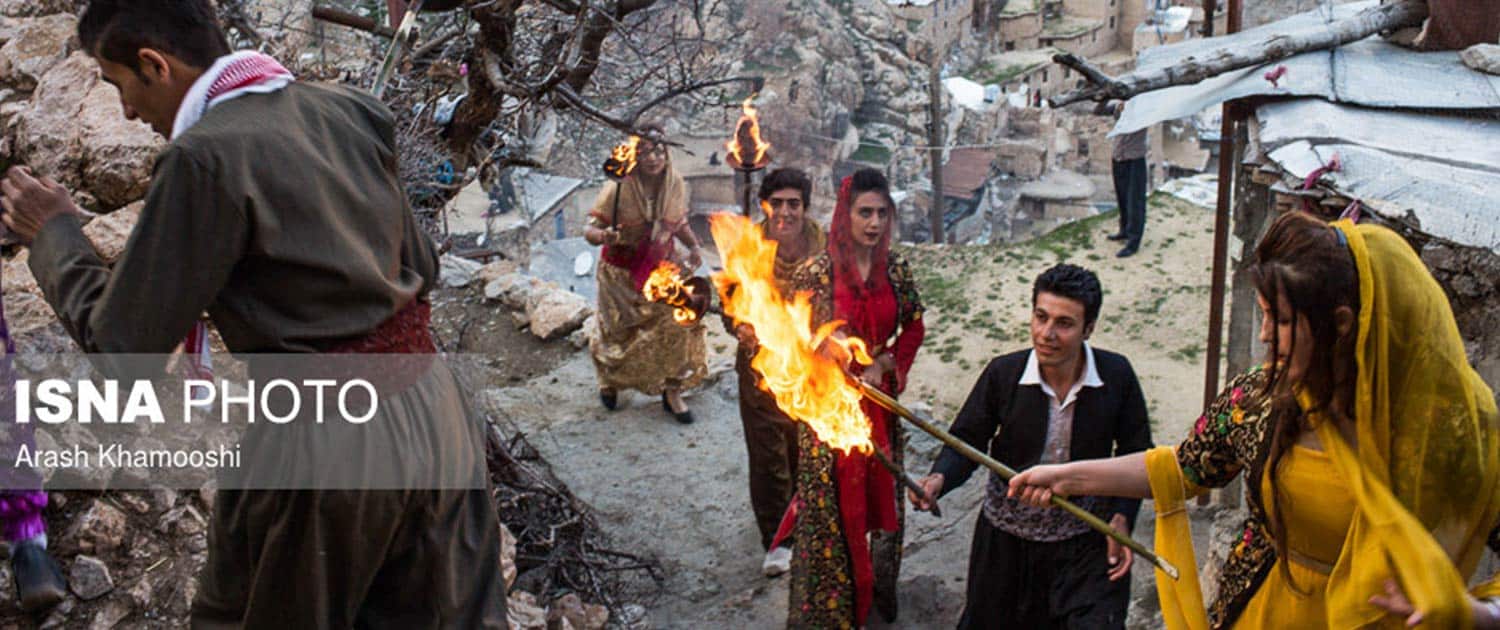
Uraman-e Takht is associated with long-standing local stories and ceremonies. The UNESCO inscription recognizes the broader pattern of terraced settlements, dry-stone farming and seasonal movement across the mountains, rather than any single legend about the village.
Religious and communal traditions are part of the area’s heritage. Specific claims about ancient temples, manuscripts or pilgrimage practices require evidence tied to the correct site and should not be confused with attractions elsewhere in Kurdistan.
Hawrami language and local culture
Hawrami, also called Gorani in some linguistic contexts, is a Northwestern Iranian language variety associated with the Hawraman region. Its classification and relationship to other Kurdish varieties are subjects of linguistic study.
Best Hotels in Iran
Language remains an important part of local identity, alongside oral history and poetry. Exact speaker counts vary by source and date, so older estimates should not be treated as current population figures.
Traditional music, group dancing and storytelling remain visible parts of Hawrami cultural life. Performances vary by village and occasion; visitors should ask permission before photographing participants or ceremonies.
The Pir Shalyar ceremony
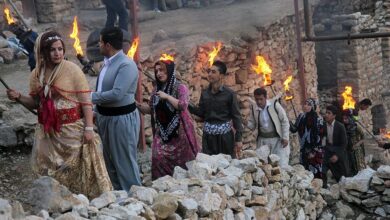
The Pir Shalyar ceremony is among the region’s best-known communal traditions. It brings together ritual, music and shared meals in winter. Dates and arrangements follow local custom and should be confirmed locally rather than assumed from a fixed tourist calendar.
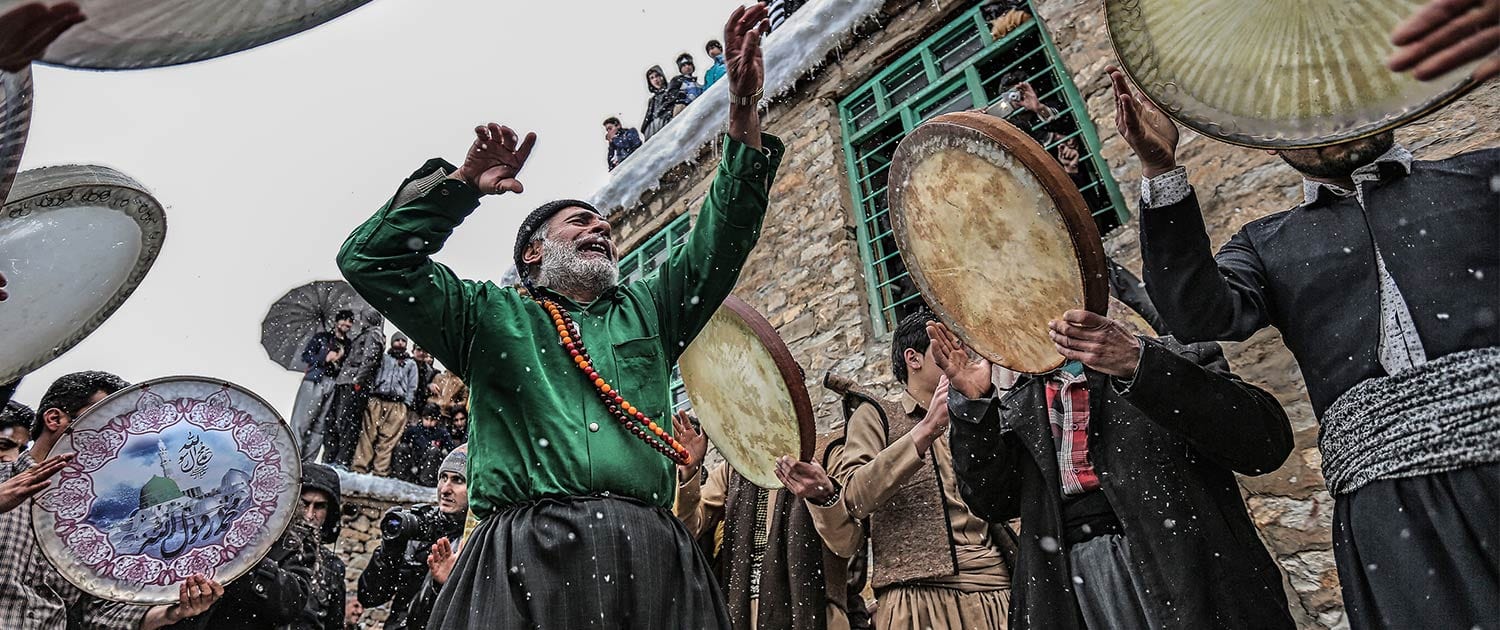
Traditional clothing
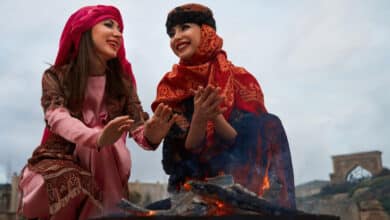
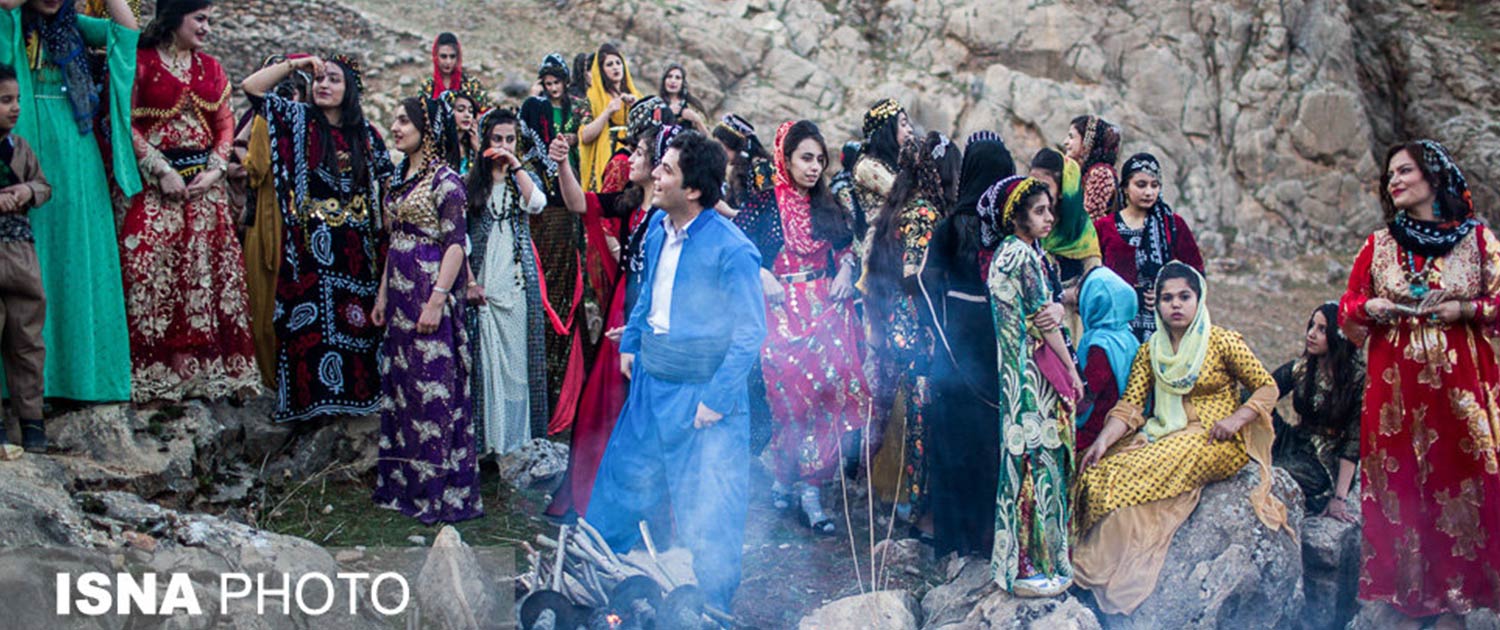
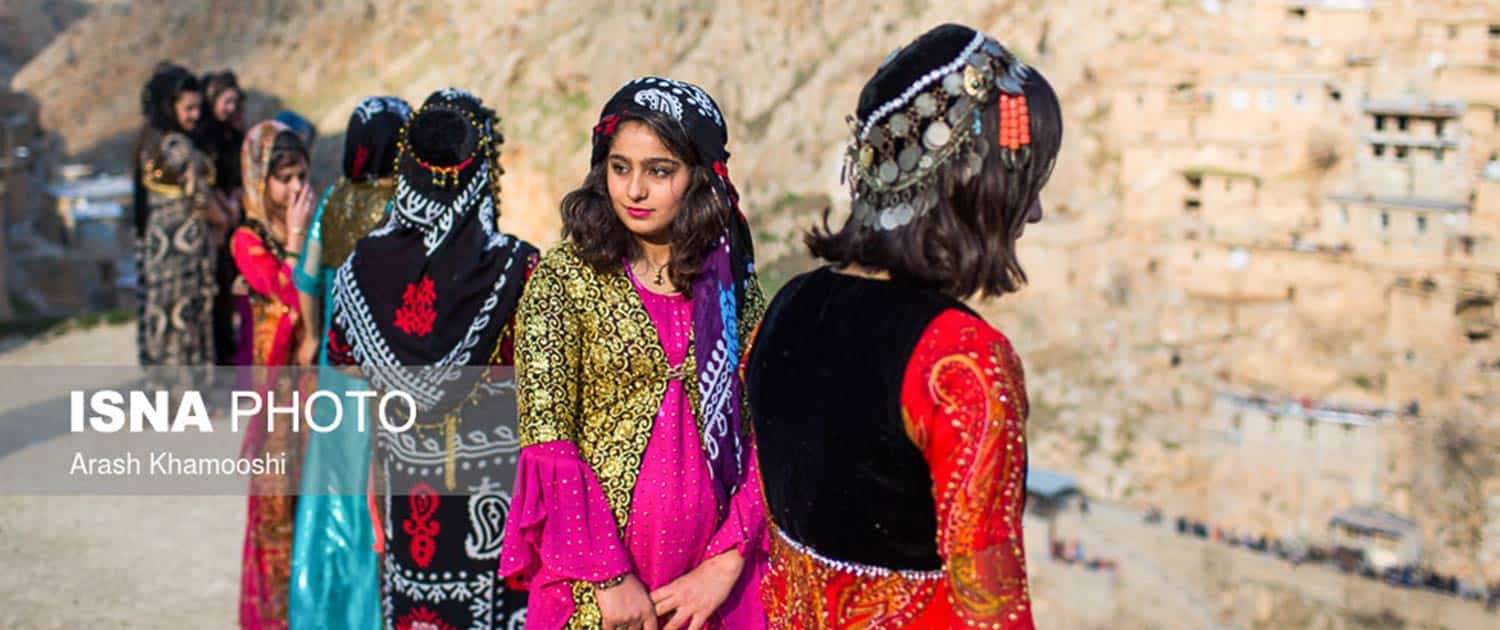
Colorful dresses, embroidered garments and head coverings appear in traditional Kurdish clothing, particularly during celebrations. Styles vary by community, generation and personal preference.
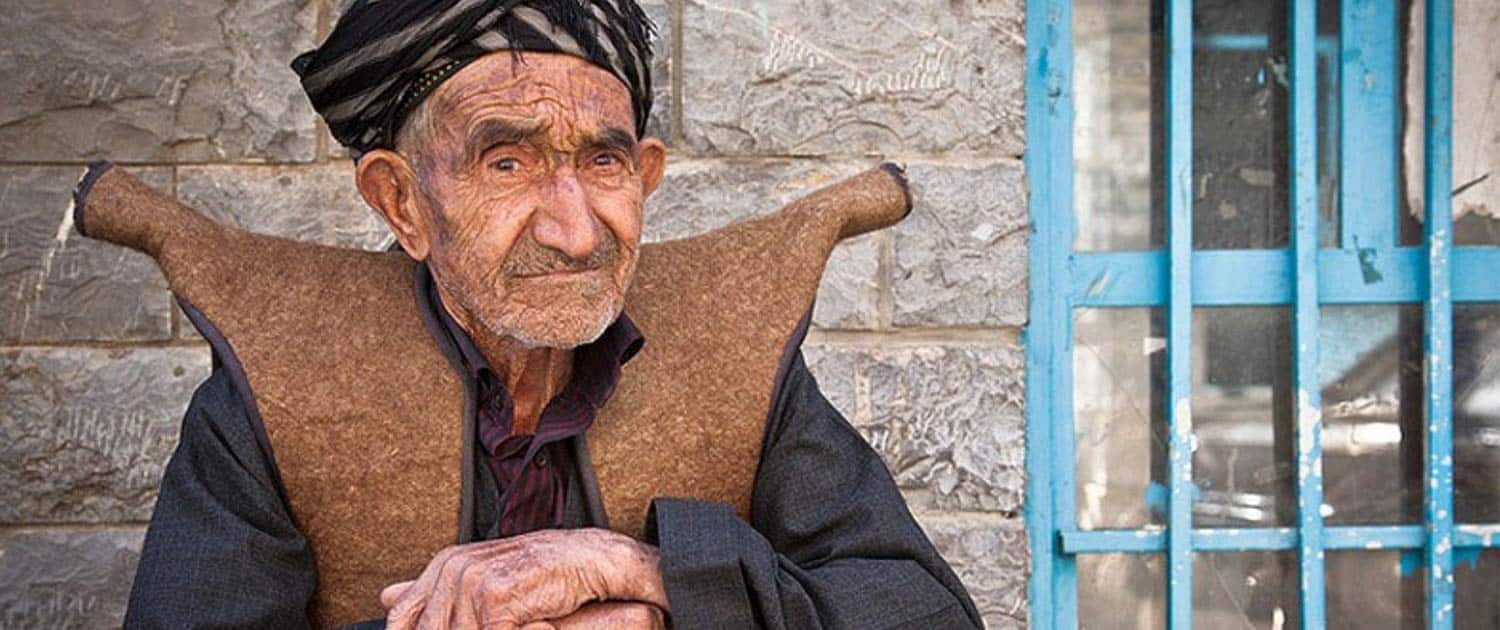
Men’s traditional clothing can include loose trousers, a wide cloth belt and a felt outer garment sometimes called a kolabal. Such clothing is part of the region’s cultural heritage, although everyday dress is diverse.
The village’s distinctive stone terraces and surrounding oak-covered hills are best explored on foot where access is permitted. Keep to public routes, avoid entering private rooftops or courtyards, and leave agricultural terraces undisturbed.
Planning a respectful visit
Uraman offers a close look at the relationship between mountain architecture, language and living tradition. Travel thoughtfully, support local businesses and use the UNESCO listing to understand the wider Hawraman/Uramanat landscape.
Read More