Visiting Iran with Kids: A Family Travel Guide
Documents, health, child seats and practical outings in Tehran


Contents
Family Travel Safety and Official Warnings
On 4 November 2026, the UK Foreign Office advised against all travel to Iran, and the US State Department listed Iran at Level 4, its highest travel advisory. Read your own government’s current guidance before making arrangements.
If you are weighing a family trip, resolve passports and permission to travel first, then work through insurance, medication and transport. For days in Tehran, build the schedule around one neighbourhood at a time.
Before Traveling to Iran with Children

Iran Visa
Ask the Iranian embassy or consulate which passport and visa each child needs for entry and exit. For a child with Iranian nationality or an Iranian parent, ask specifically which nationality Iran will recognise. If only one parent is travelling, clarify whether permission or custody documents are required for departure. The UK entry guidance explains why these checks matter for British families.
Insurance
Ask the insurer in writing whether the policy covers each child in Iran, including medical treatment and evacuation. Give the insurer your route, any relevant medical conditions and the travel advisory that applies to you.
OrientTrips
Travel Insurance
Talk to a travel-health clinician about vaccines and any condition that needs a plan. The CDC Yellow Book covers travel with infants and children, including child seats, food, water and safe sleeping arrangements.
Dress codes
Read the Iran dress code guide before traveling. Rules and enforcement may vary by age, location and circumstances. Do not rely on an assumed exemption for girls under a particular age; check current guidance, especially for religious sites.
Weather and Children

Check the Weather
Check the forecast for each stop. Plan shaded breaks in hot weather, and carry a warm layer for mountain outings where the temperature can be much lower than in town.
Which season to travel
Spring and autumn often offer more comfortable temperatures in many cultural destinations, but conditions vary by region and elevation. Check local forecasts instead of assuming one season is ideal everywhere.
Winter can bring snow, road closures and flight delays. Allow extra time and pack suitable cold-weather clothing when visiting higher elevations.
Air Pollution
Air pollution can affect Tehran and other large cities, particularly during temperature inversions. Check local air-quality reports and adjust children’s outdoor activities when pollution is high.
Sun Care
Pack age-appropriate sun protection, hats and sunglasses. Keep children hydrated and consider insect protection where needed.
Food, Water and Everyday Care

Water
Use safe water for drinking, brushing teeth and preparing formula. If you use powdered formula, follow the label and discuss age-specific precautions with your child’s clinician. The CDC food and water guide explains when ready-to-feed formula may be useful.
Food
Pack enough of any specialist formula or food your child depends on. Ask your accommodation about refrigeration or a place to prepare feeds before you book.
Iranian dishes may appeal to children, but familiar options are not guaranteed. Ask about ingredients and allergies, and choose freshly prepared food served at a safe temperature.
Fruits and vegetables
Wash fruit and vegetables with safe water, or choose fruit you can peel yourself.
Sanitation
Encourage children to wash their hands with soap before eating and after using the toilet. Carry sanitizer for occasions when soap and clean water are unavailable.
Public restrooms vary in cleanliness, accessibility and availability. Plan toilet breaks before long journeys and visits to crowded markets or archaeological sites.

Some public facilities have squat toilets. Plan a toilet stop before visiting a large bazaar or setting out on an intercity drive.
BOOK ONLINE
Tehran Hotels
Medications
Carry sufficient prescribed medication in original packaging with prescriptions and any required documentation. Check import restrictions and storage requirements before departure.
Baby Care
Diapers and other baby supplies may be available in larger cities, but preferred sizes and brands are not guaranteed. Pack essentials for travel days and check changing facilities in advance.
Family-Friendly Attractions in Tehran
For a manageable day in Tehran, choose one main outing and a nearby place to pause. The Abbasabad area offers a useful pairing: a walk around Tabiat Bridge and a bookshop visit if the weather turns.
Embracing the Great Outdoors

Tabiat Bridge links Ab-o-Atash and Taleghani parks. A short out-and-back walk lets children look over the city without committing to a long outing.
East Meets West: Cultural Adventures
With younger children, choose a stop near your accommodation or plan the return ride before you leave. Take a break before crossing town for a second activity.
A Haven for Young Shoppers

Shaparak is pictured here as an example of a children’s shopping venue in Tehran. Plan a visit only if you can confirm a specific activity there for your dates.
Museums Galore

A museum with a small collection can work well for children who tire in large galleries. The International Dolls Museum and Darabad’s nature and wildlife museum offer different subjects to look into.
Unique Experiences
- For a play centre such as Bilino, ask about age limits and whether a parent stays with the child during the session.
- Tehran Bird Garden is an outdoor choice. Allow time for walking between enclosures and bring water in warm weather.

Astronomy for Aspiring Astronomers

For the Zafaranieh observatory, look for a scheduled public session before making the trip. Ask what language it runs in if your child does not speak Persian.
Thrills and Chills

At Eram Park, check the height rules for any ride your children are looking forward to.
A Literary Paradise

The Tehran Book Garden suits a shorter indoor stop if your children enjoy browsing books. Its operator also advertises children’s educational programmes. Check the language and ticketing for any session you choose.
Nature and Nurture
- Ab-o-Atash Park is a starting point for Tabiat Bridge and a short walk in Abbasabad.
- Pardisan Park: A green space for walking and outdoor recreation, subject to weather and local conditions.
- National Botanical Garden: A landscaped site where families can explore plants and gardens. Check access and seasonal conditions.

Cultural Connections
If you plan around a performance, look for the language, running time and recommended age in the venue’s listing.
For a manageable family itinerary, balance one major attraction with breaks and flexible travel time. Our Tehran travel guide provides more context.

Getting Around Tehran
When arranging a car, request rear seat belts and a restraint suited to your child’s size. Ask for the type of seat in advance so you can decide whether to bring your own.
Crossing the streets
Cross busy roads at designated crossings where possible. Hold young children’s hands and do not assume vehicles will stop automatically.
Subway

For a metro trip with a stroller, plan the route from street level to the platform at both stations. A short walk on the map may still involve stairs or a long interchange.
Avoid peak-hour trains with small children or bulky luggage when possible.
Traveling Between Iranian Cities

For intercity journeys, compare the total door-to-door time, including the ride to the station or airport. For a train, check whether the whole family can sit together and what sleeping arrangement you are booking on an overnight service.
Road conditions vary by route, season and weather. Use reputable transport and suitable child restraints, and avoid unnecessary overnight road travel.
Family Etiquette and Cultural Norms

Agree in advance on how your children can decline a photo or a hug. A parent can step in and politely answer for a child who feels uncomfortable.
People may offer sweets as a friendly gesture. Parents can accept or decline on behalf of children, taking allergies and personal safety rules into account.
Some of the Cultural Norms in Iran
These customs help explain everyday interactions, although practices differ between communities and individuals.
Nazri refers to food or refreshments shared as a charitable or religious offering, particularly at community gatherings. Learn more in our Muharram guide.
T’arof
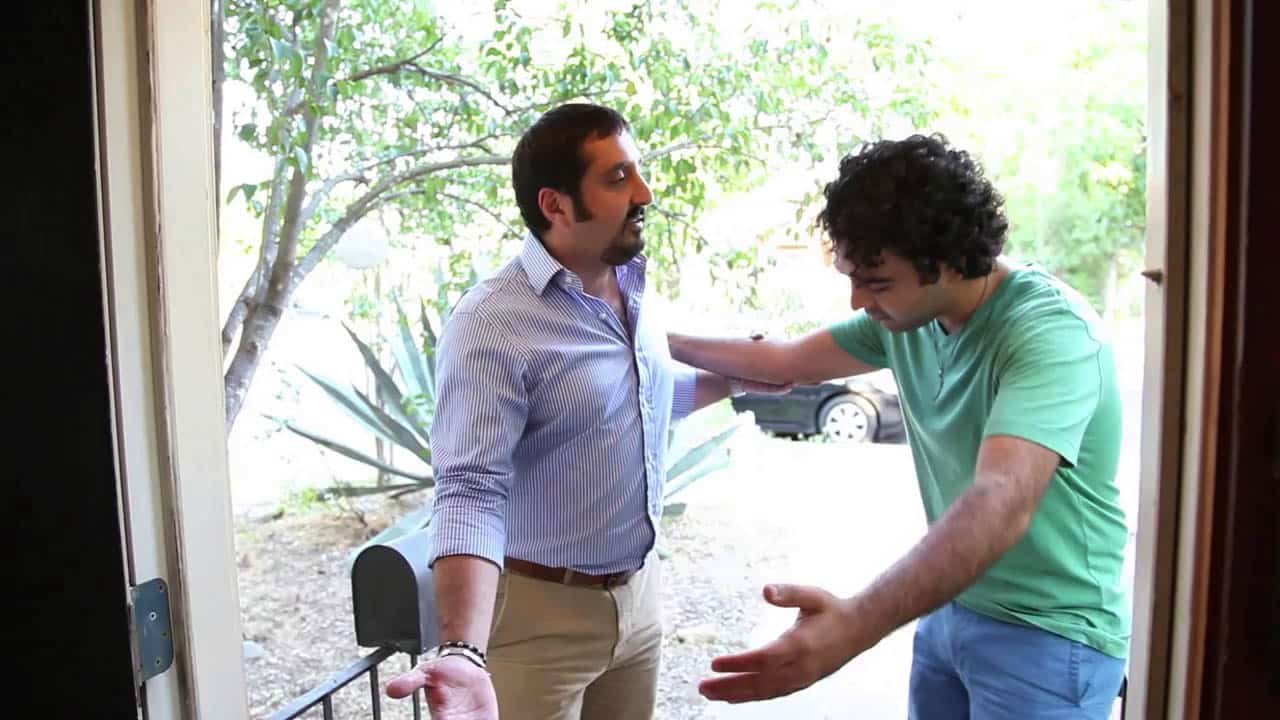
Taarof is a convention of courteous offers and refusals. See the guide to Iranian etiquette for examples.
If an offer is unclear, respond courteously and ask for clarification. There is no universal rule about how many times to refuse.
Meeting local families can be a meaningful cultural experience. Arrange visits through trusted contacts and respect children’s comfort and safety.
Keeping Children Safe in Crowds

Hold young children’s hands in crowded markets and agree on a simple meeting procedure with older children.
Give each child a card with a guardian’s phone number and accommodation details. Keep a recent photograph available in case you become separated.
If a child is missing, tell venue staff immediately and ask them to help contact the police. The UK Foreign Office lists 110 for police and 115 for ambulance services in Iran.
Final Family Travel Checklist
Keep secure offline copies of passports, visas, insurance and emergency contacts. Plan how to access money and essential services if connectivity fails. See our Iran currency guide.
Check stairs, room layouts, bedding and accessibility when booking traditional guesthouses. Carry written translations for allergies and dietary needs.
Save the name and address of your accommodation in Persian as well as English. Keep offline maps and an emergency contact card that you can use if your phone is unavailable.
Read More


Great post.