Tabriz Historic Bazaar Complex
Carpet halls, brick vaults and a walk through the old market

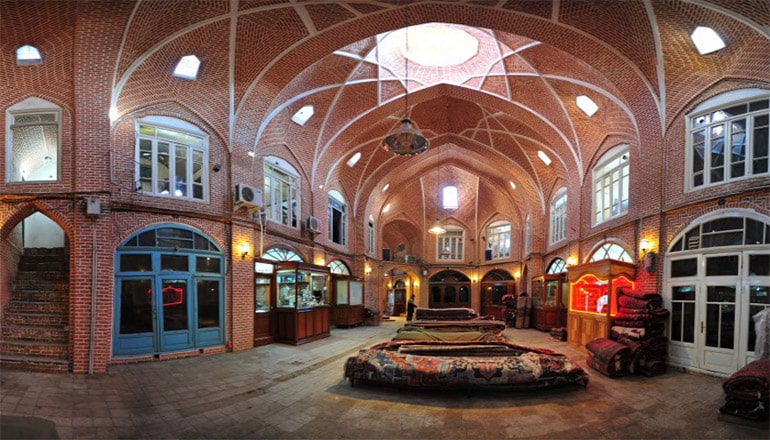
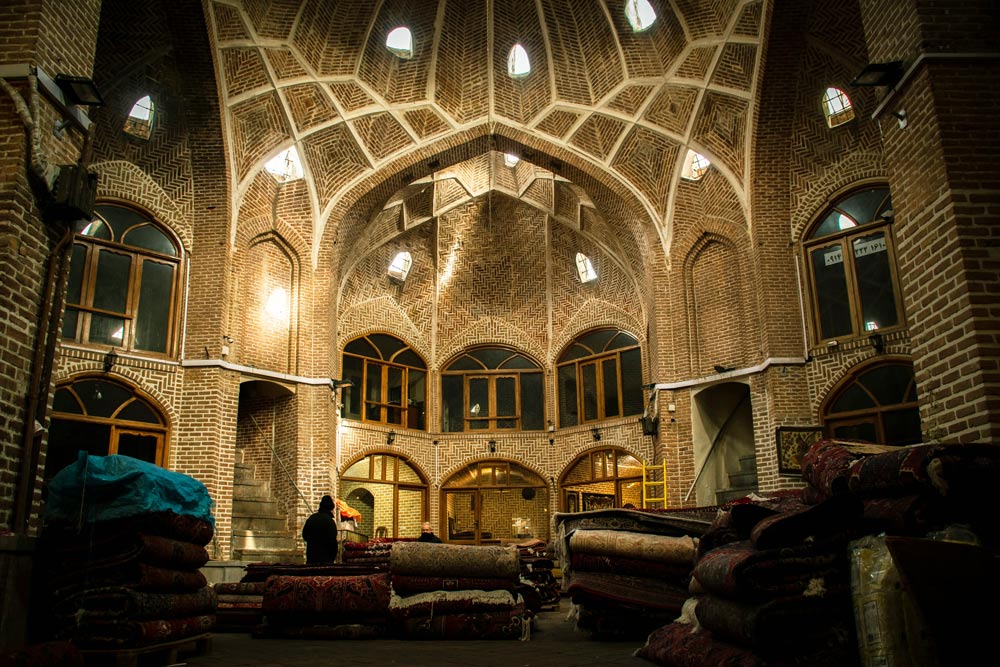
Start in the covered brick lanes of the Tabriz Historic Bazaar Complex. From the main passages, smaller corridors open onto traders’ courtyards and domed halls. The Mozaffariyeh carpet hall, Amir Timcheh and the area around the Friday Mosque give a short visit three distinct places to look for.
Contents
History and architecture
UNESCO inscribed the Tabriz Historic Bazaar Complex in 2010. Tabriz was already an established trading city by the 13th century. It later became the first Safavid capital after Shah Ismail I took the city in 1501. A major earthquake in 1780 damaged much of Tabriz, so the bazaar’s trading history reaches further back than many of its standing buildings.
The World Heritage nomination describes three useful types of space. A rasteh is a market lane. A timcheh is a smaller trading complex, often with a covered central hall. A sara is typically arranged around a courtyard. Look for the transition from narrow lane to hall or courtyard as you walk.
Navigating the Bazaar
Use the Friday Mosque near Seyyed Ali Hakim Alley and the Amir and Mozaffariyeh halls as landmarks. Save the location of the entrance you used, since nearby passages can look alike.
- Start from a named entrance. Save its map location and use it as a meeting point.
- Pick two halls. Allow time to look up at the vaults and see how daylight enters from above.
- Keep passages clear. Step aside when stopping to look at a shop or photograph a ceiling.
Must-Visit Sections of the Bazaar
- Mozaffariyeh Timcheh. Start here for carpets and the central brick vault.
- Amir Timcheh. Compare its larger covered trading hall with the narrow lanes around it.
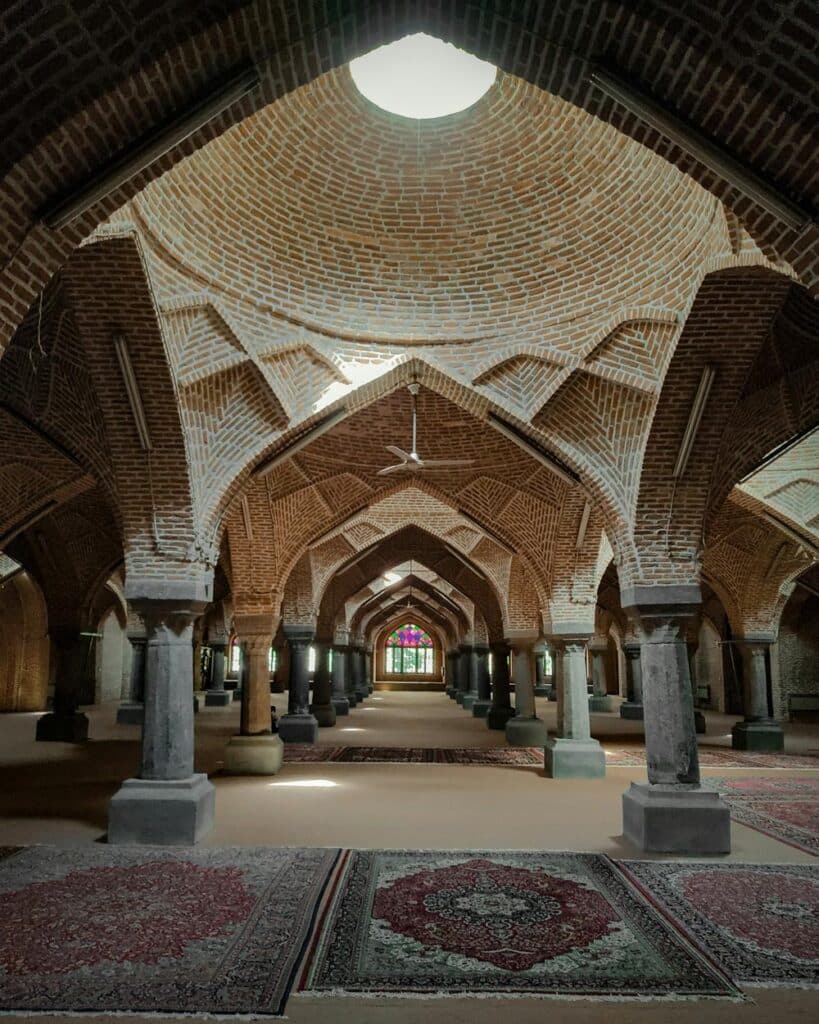
- Friday Mosque area. Follow the adjoining lanes to see how religious and commercial buildings sit beside each other.
Shopping Tips: Haggling and Bargaining
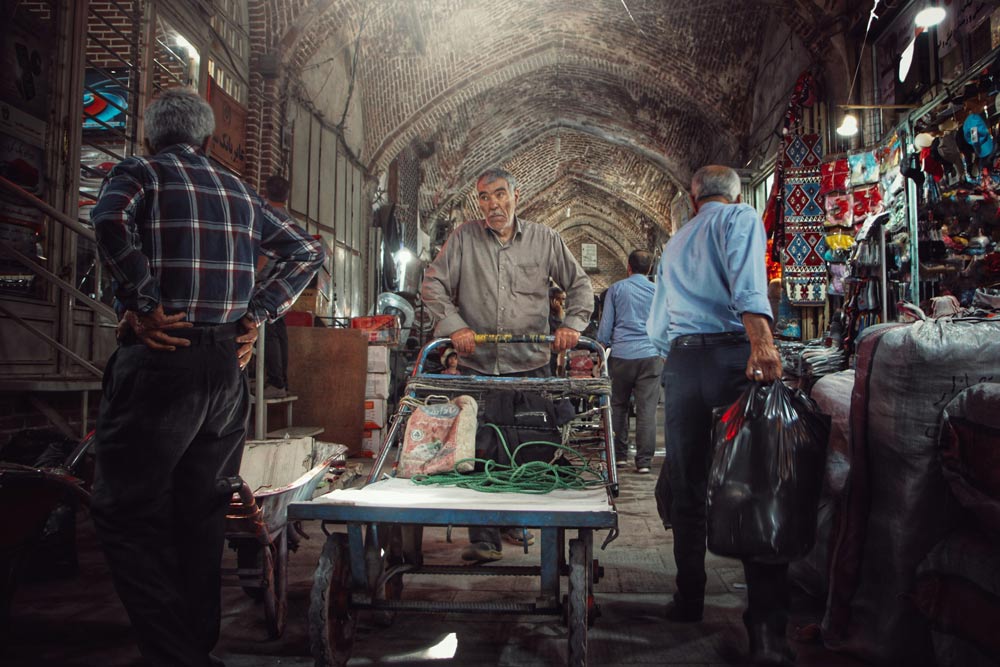
If you are buying a carpet, compare like with like. Ask the seller to write down the dimensions, material, origin and total price. Confirm whether the quote is in rials or tomans before agreeing.
- Ask whether the price is fixed before bargaining.
- For textiles or rugs, compare fibre, construction and condition at more than one shop.
- Ask before photographing merchants or their work.
Cultural Insights: The Bazaar’s Role in Tabriz’s Heritage
The nomination documents carpet sellers, goldsmiths and cloth dealers as distinct guilds. The lanes bring workshops and retailers close together, while mosques and other communal buildings sit within the same network. A short walk from a trading hall to a mosque shows how these uses share the old city center.
Food near the bazaar
For a longer stop in Tabriz, look for kofteh Tabrizi, the city’s stuffed meatballs, or a local kebab. Food is a good way to extend a visit to the area, though the market lanes themselves are easiest to follow using the named halls.
Planning your visit
There is no single opening schedule for all shops, halls and religious buildings. Visit while the shops you want to see are trading, and allow time to retrace your route if a passage is closed.
A short or longer visit
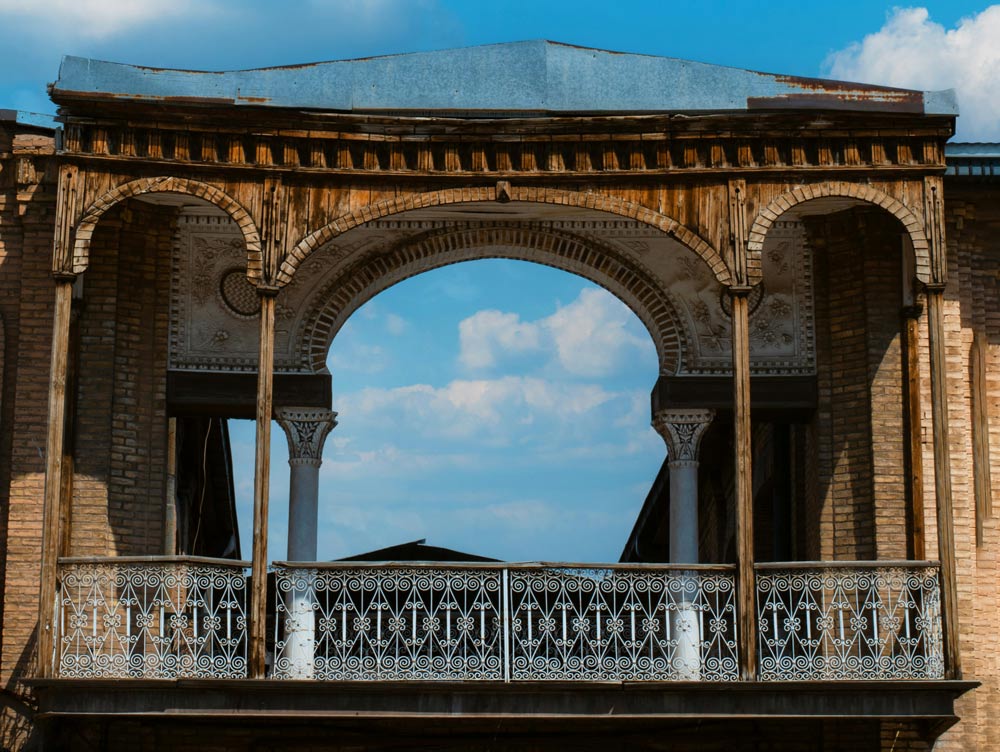
For a short walk, concentrate on Mozaffariyeh and the adjoining lanes. With more time, add Amir Timcheh and the lanes around the Friday Mosque. The halls and courtyards provide a different view of the complex from the narrow shopping passages.
Related guides