Travel in Iran requires more preparation than many destinations. Entry rules, local laws, banking restrictions and internet access can affect a trip, and conditions can change quickly. Check current official travel advice for your nationality before making arrangements.
Important: Government travel advisories may recommend against travel to Iran. For example, the UK Foreign, Commonwealth & Development Office currently advises against all travel. Always check the advice issued by your own government before departure.
Contents
1. Check entry and visa rules before booking
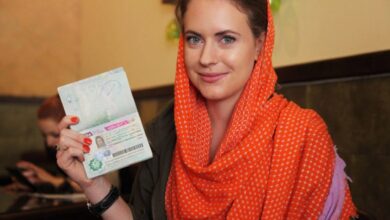
Visa requirements depend on nationality and can change. Do not rely on old visa-on-arrival information. Review current requirements before paying for non-refundable travel. Start with our Iran visa information and confirm any nationality-specific restrictions through an official source.
2. Follow local dress rules
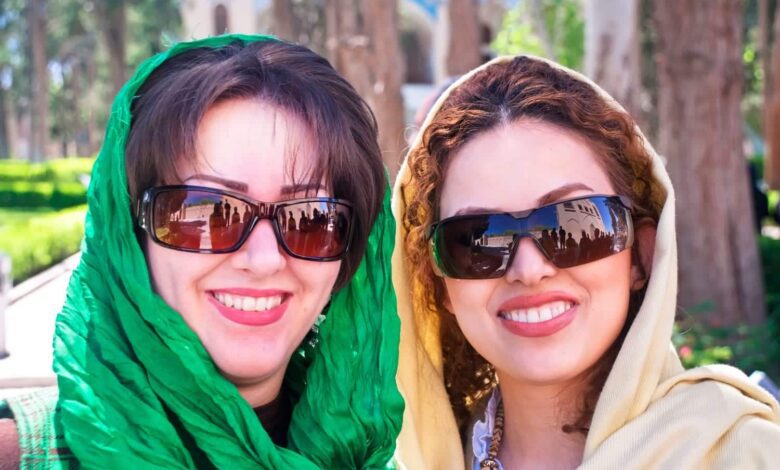
Iran enforces Islamic dress requirements in public. Rules differ for women and men, and religious sites may impose additional requirements. Enforcement can change, so check current official guidance immediately before travel. Our Iran dress code guide explains the practical basics.
3. Plan how you will pay
International bank cards generally do not work in Iran because the country is outside the usual international card networks. Travelers should arrange a legal way to access enough money for the trip and should not assume Visa or Mastercard will work. Current UK travel advice also warns that obtaining cash in Iran can be difficult.
4. Understand the alcohol laws
Importing, selling, manufacturing and drinking alcohol are illegal under Iranian law, subject to limited exceptions for certain recognized religious minorities. Travelers should not bring alcohol into the country. See our guide to alcohol and pork in Iran.
5. Consider Iran’s islands as well as its historic cities
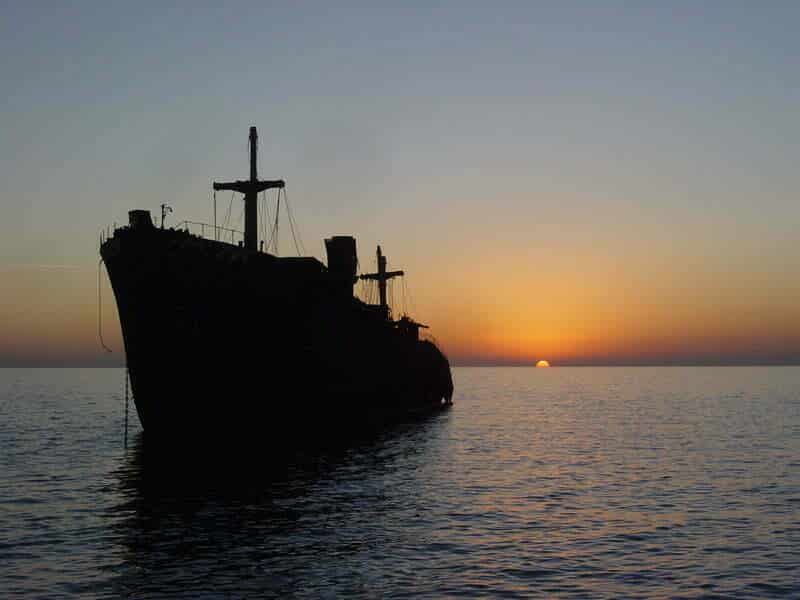
Kish offers resorts, shopping and beaches, while Qeshm is known for dramatic geology, villages and coastal landscapes. Neither is simply “better”; the right choice depends on the trip. Compare our Kish guide and Qeshm guide.
6. Make time for Iranian food
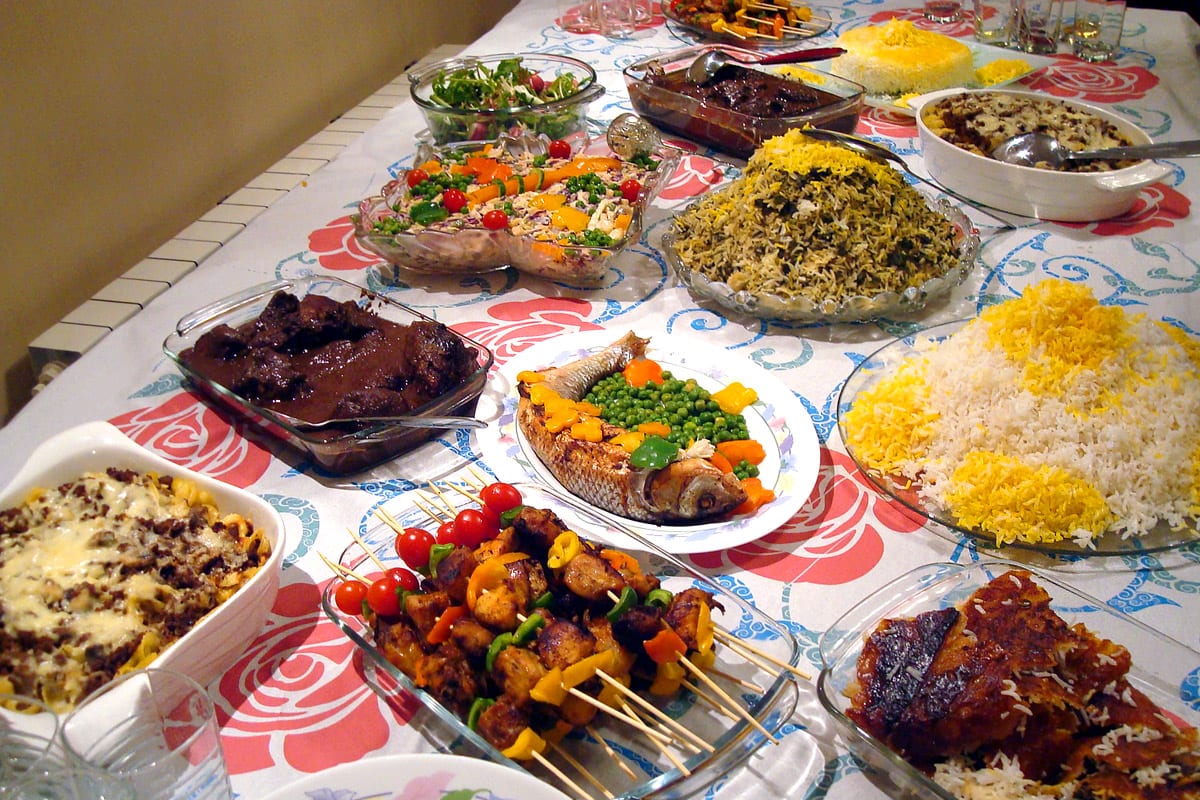
Iranian cuisine varies considerably by region. Rice dishes, kebabs, stews, breads, herbs and seasonal ingredients all play important roles. Avoid reducing the cuisine to a short list of “national” dishes. Our Persian food guide is a useful starting point.
7. Plan around Nowruz and Ramadan
Nowruz, around the March equinox, is one of Iran’s busiest domestic travel periods, so transport and accommodation can be under greater pressure. During Ramadan, opening patterns can change and eating or drinking in public during fasting hours may be restricted. Check dates and local practice for the year you travel.
8. Do not assume normal internet access
Internet services and international apps can be blocked, slowed or disrupted without warning. Download essential documents, addresses and offline maps before arrival, and keep an alternative way to contact important people.
9. Treat photography and sensitive areas carefully
Avoid photographing military, security, government or other sensitive sites. Drones and satellite communications equipment can also be restricted. When unsure, do not take the photo and seek reliable local guidance.
10. Recheck official advice immediately before travel
Rules and security conditions can change faster than an evergreen travel article can be updated. Check your government’s current Iran advisory shortly before departure. The UK government Iran travel advice is one useful official reference for laws, money, communications and safety, but travelers should also consult the authority responsible for their own nationality.


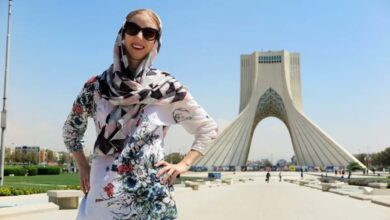
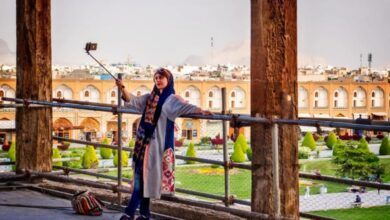

I have visited Iran on three occasions, twice in the first two years of this century, the last only a montha go – Iranians are a re proud people (as is fully warranted)) and extremely friendly to foreigners who appreciate that. I shall of coyrse visit Iran again, the sooner the better! I recommend that you visit the countery both in Summer and in Winter, for the extremes are each beautifil in different ways. Also, do not just visiit the “ancient” sights; the Caspian Coast and hinterland are most worthy of a visit or two (or more),the Caspian itself great for swimming and boating, and the local people even more friendly as “foreign tourists” are rarely seen – This Englishman is very fod of Iran and Iranians!
It has been years now that “thumbs up” does NOT mean middle finger in Iran for a generation who knows about Facebook and social media!!!!