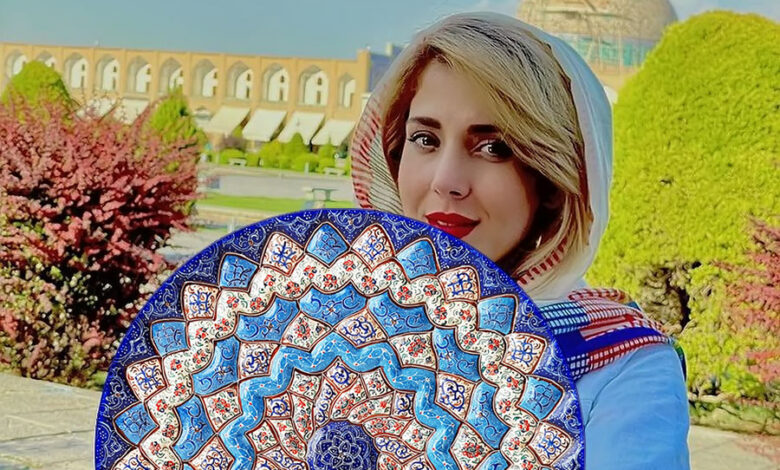
Iranian handicrafts make meaningful souvenirs, from handwoven carpets and embroidered textiles to enamelware and turquoise inlay. This guide introduces 10 traditional crafts and practical ways to choose pieces that suit your luggage and budget.
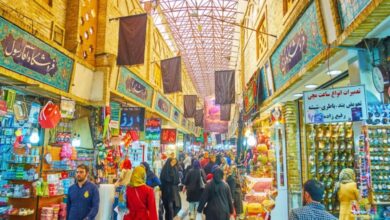
Look for the maker’s technique, materials and place of origin rather than relying only on a souvenir label. Local bazaars and specialist workshops are useful places to compare quality and ask artisans about their work.
These crafts reflect diverse regional traditions. Explore our guide to Iranian handicrafts for more background, and check your destination country’s customs rules before buying antiques, animal-derived materials or valuable goods.
Contents
1. Traditional Fabrics

Regional textile traditions include qalamkar, block-printed cotton associated with Isfahan; pateh, decorative wool embroidery from Kerman; and termeh, a finely woven patterned textile strongly associated with Yazd. Ask whether a piece is handmade, hand-printed or machine-produced.
2. Persian Miniature Painting
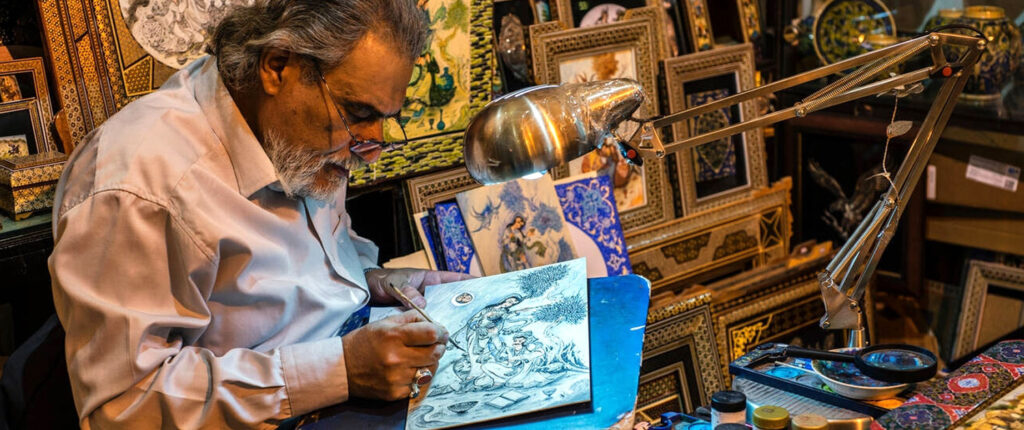
Persian miniature painting is known for detailed figures, expressive color and scenes drawn from literature and courtly life. Contemporary artists also work on small decorative surfaces. Ask about the artist and materials, and pack framed or fragile pieces carefully.
3. Giveh

Giveh is a lightweight traditional shoe with a woven upper and a durable sole. Styles and materials vary by region, including Kermanshah, Fars and Zanjan. Try on both shoes and check the sole and stitching before purchasing.
4. Minakari

Minakari is the art of decorating metal, often copper, with colorful enamel. Isfahan is a well-known center for blue-toned floral and geometric designs. Look for even enamel coverage and ask the seller how the piece should be cleaned.
Enamelware is made through successive decoration and firing processes. Plates, bowls and vases can be decorative souvenirs, but buyers should confirm whether a particular item is food-safe before using it for serving meals.
5. Carpets and Rugs

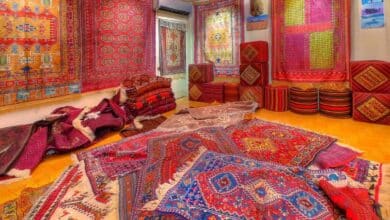
Persian carpets and rugs range from compact wool pieces to large, finely knotted works. UNESCO inscribed the traditional skills of carpet weaving in Kashan and Fars in 2010. Check size, fibers, knotting, condition and provenance before paying, and confirm any applicable import restrictions.
6. Khatamkari

Khatamkari is geometric marquetry made by assembling tiny pieces of wood, metal and other materials into intricate patterns. It is used on boxes, frames and decorative objects, sometimes combined with painted decoration. Ask about the materials used and avoid products made from protected wildlife.
7. Pottery and Ceramics
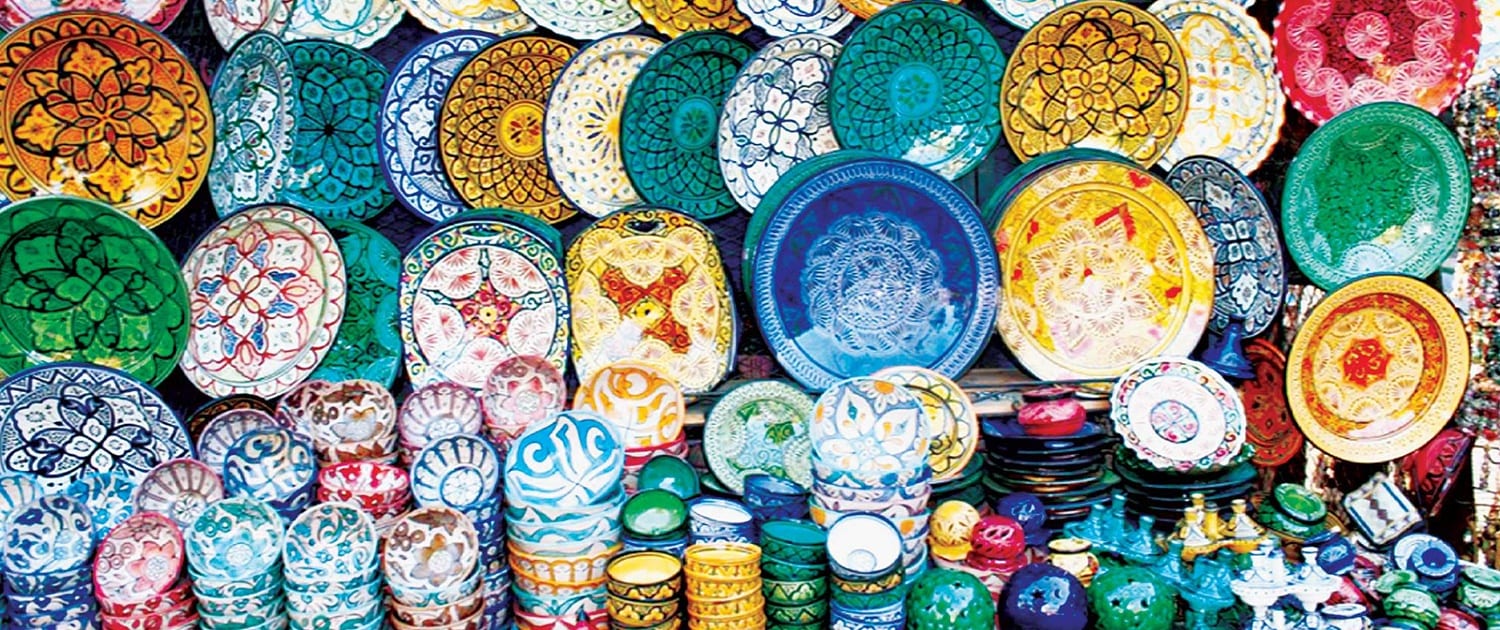
Pottery traditions continue in towns across Iran. Lalejin, near Hamedan, received World Crafts Council recognition as a pottery craft city in 2016. Look for stable glazing, sound construction and suitable packaging, especially when buying fragile bowls or vases.
8. Qalam Zani
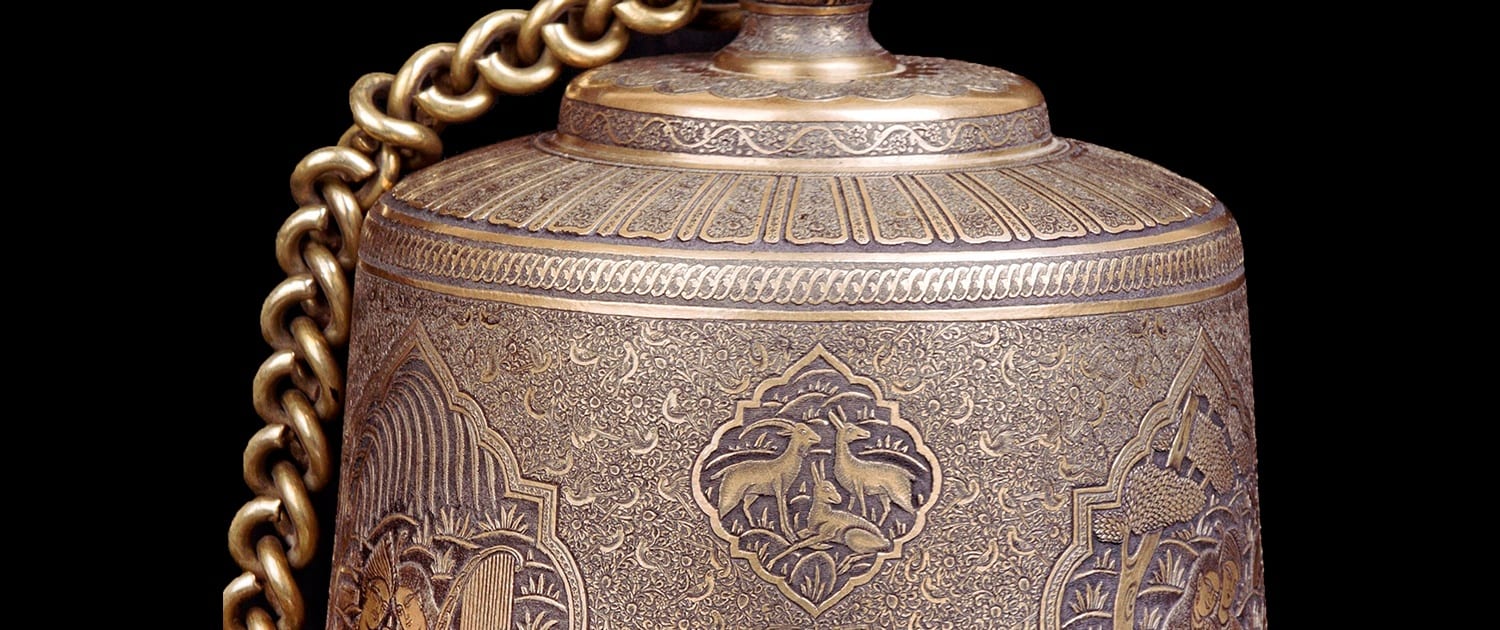
Qalamzani is decorative metal engraving, often practiced on copper, brass or silver. Unlike qalamkar textile printing, this craft involves working designs into a metal surface. Examine the quality of the engraving and ask whether the item is solid metal or plated.
9. Tea Sets

Tea glasses, trays and samovars can make practical souvenirs of Iranian tea culture. Decorative sets vary widely in material and finish. For electric samovars, check voltage compatibility, plug type, weight and airline baggage restrictions.
10. Turquoise and Firouzeh Koubi

Turquoise from the Neyshabur area is used in jewelry and firouzeh-koubi, a decorative technique that sets small turquoise pieces into metal objects. Compare stone quality and workmanship, ask whether the turquoise is natural or treated, and avoid unverified claims of medical benefits.
Choosing and Packing Iranian Souvenirs
Choose a souvenir for its craftsmanship, provenance and suitability for travel. Keep receipts for valuable purchases, protect fragile items in your luggage, and confirm customs, sanctions and export rules for your destination before shipping or carrying goods across borders.
Related guides


I love visit such beautiful country
Learn english
Iran is a divers country, I should say Iran is home to the world’s oldest civilization, and it is known for its carpets , tea, rice and many things.