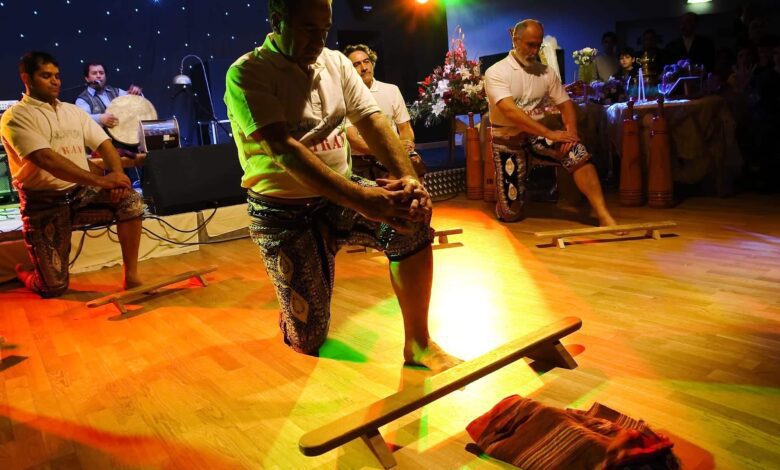
Zurkhaneh, also written zoorkhaneh, means “house of strength.” It is the traditional setting for Iran’s Pahlevani and Zoorkhanei rituals, which combine physical training, rhythmic music, Persian poetry and ethical traditions.
UNESCO inscribed the Pahlevani and Zoorkhanei rituals on the Representative List of the Intangible Cultural Heritage of Humanity in 2010. UNESCO describes Pahlevani as an Iranian martial tradition shaped by religious, mystical and older Persian cultural elements.
Contents
What happens inside a zurkhaneh?
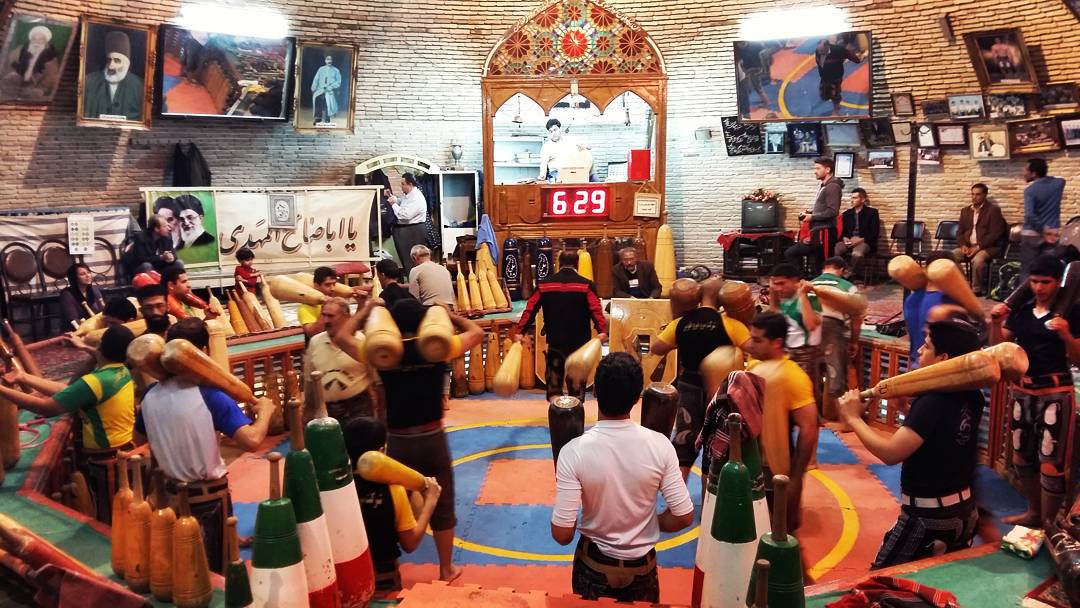
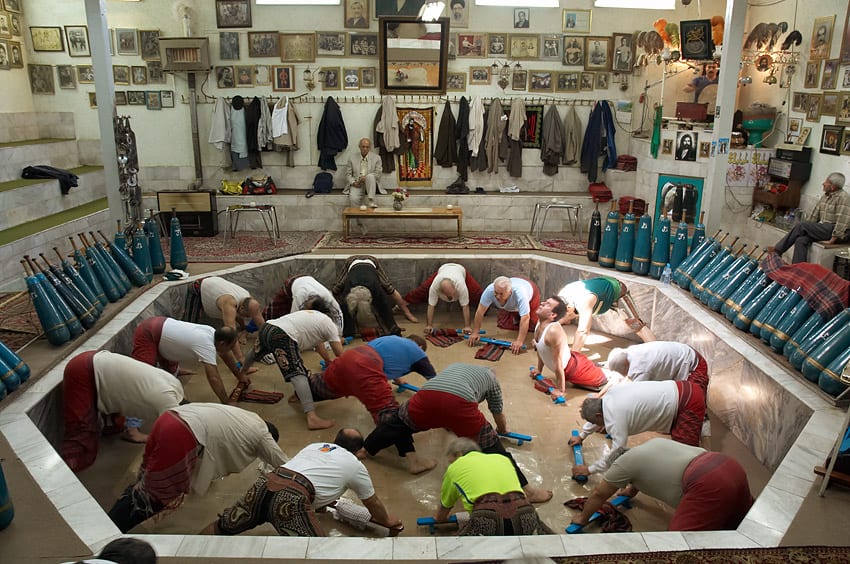
A traditional zurkhaneh centers on a sunken exercise arena known as the gowd. Athletes perform a sequence of calisthenic and strength exercises while the morshed, or master, provides rhythm on a drum and recites poetry. The performance links physical discipline with ideas of humility, respect and chivalry.
The gowd and the morshed
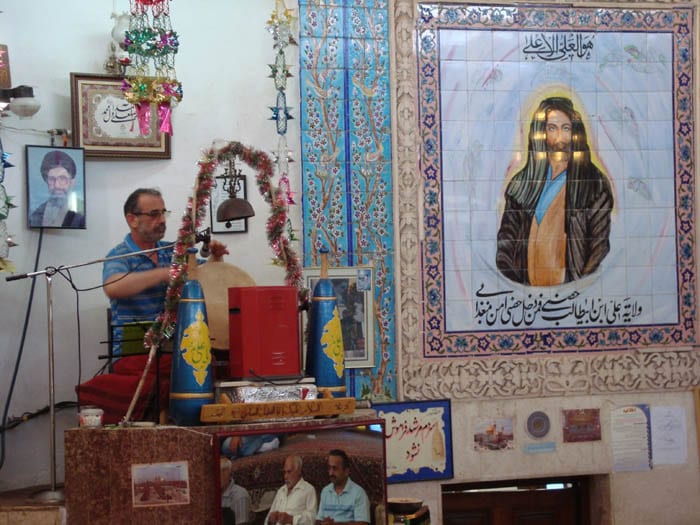
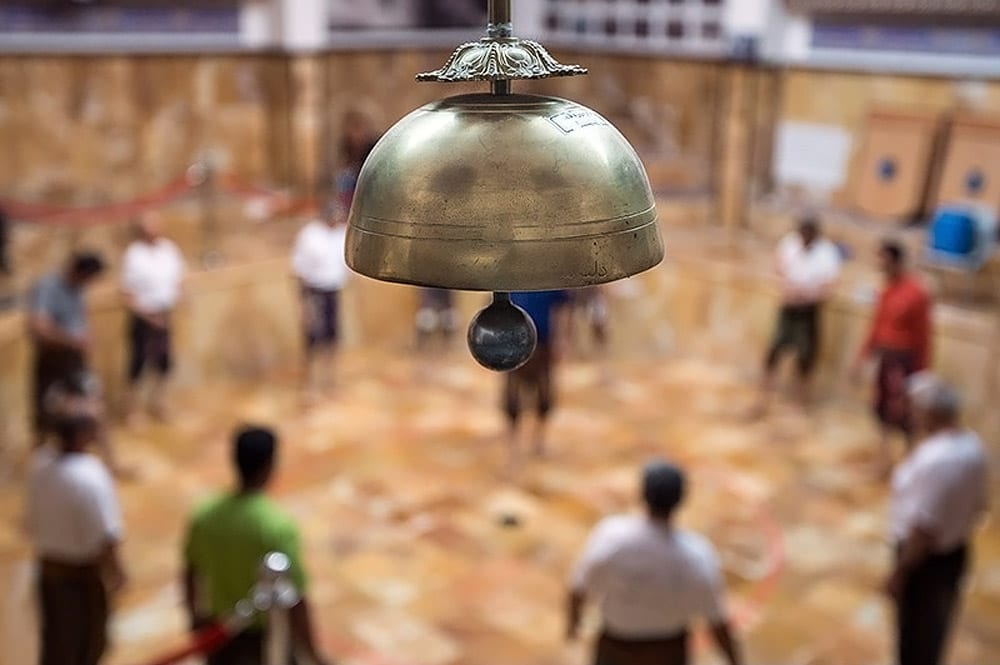
The gowd is traditionally set below the surrounding floor, with spectators positioned around it. The morshed sits at a separate elevated station and guides the pace of the session through drumming, bells and recitation.
Music, poetry and ritual
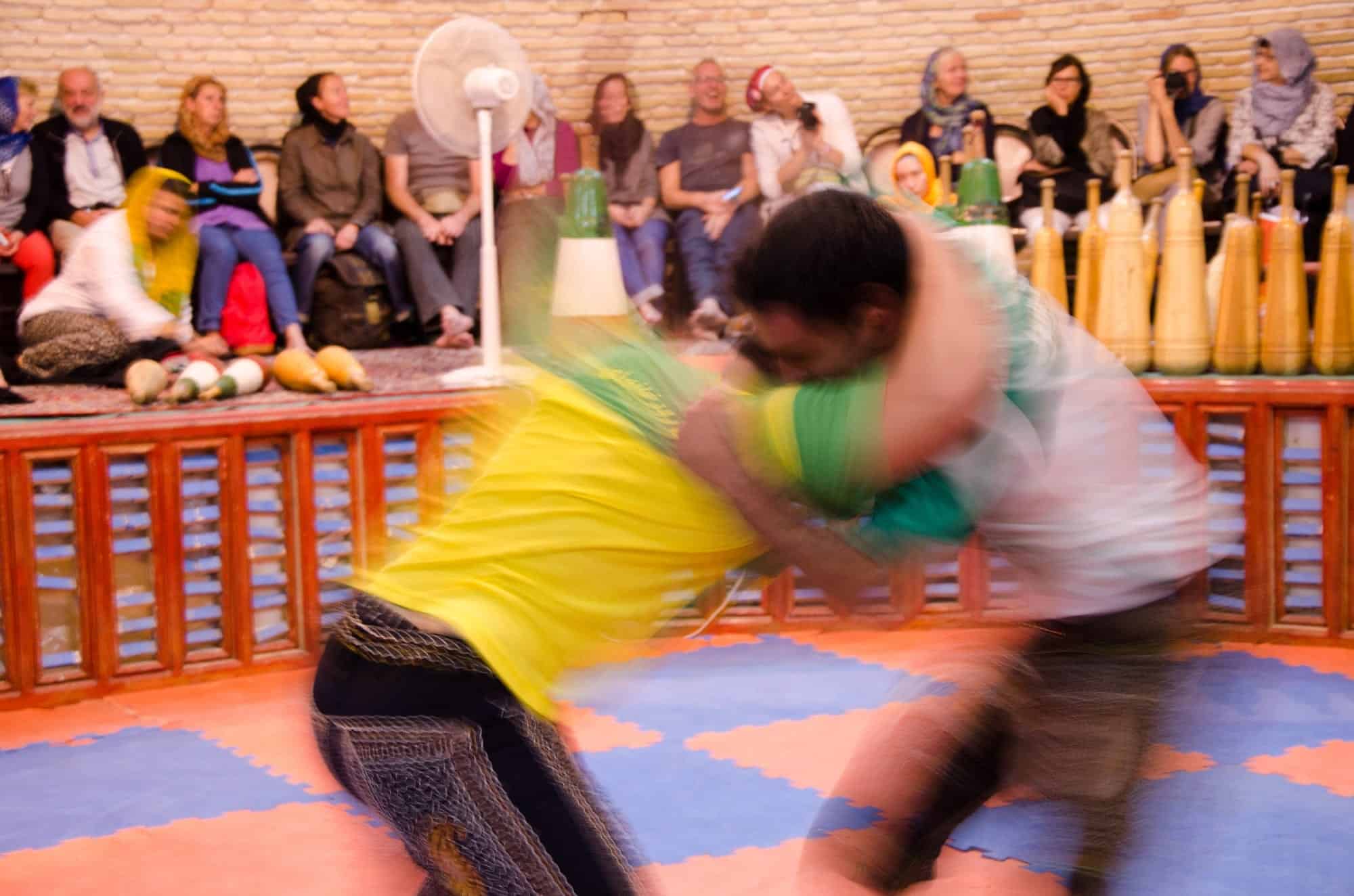
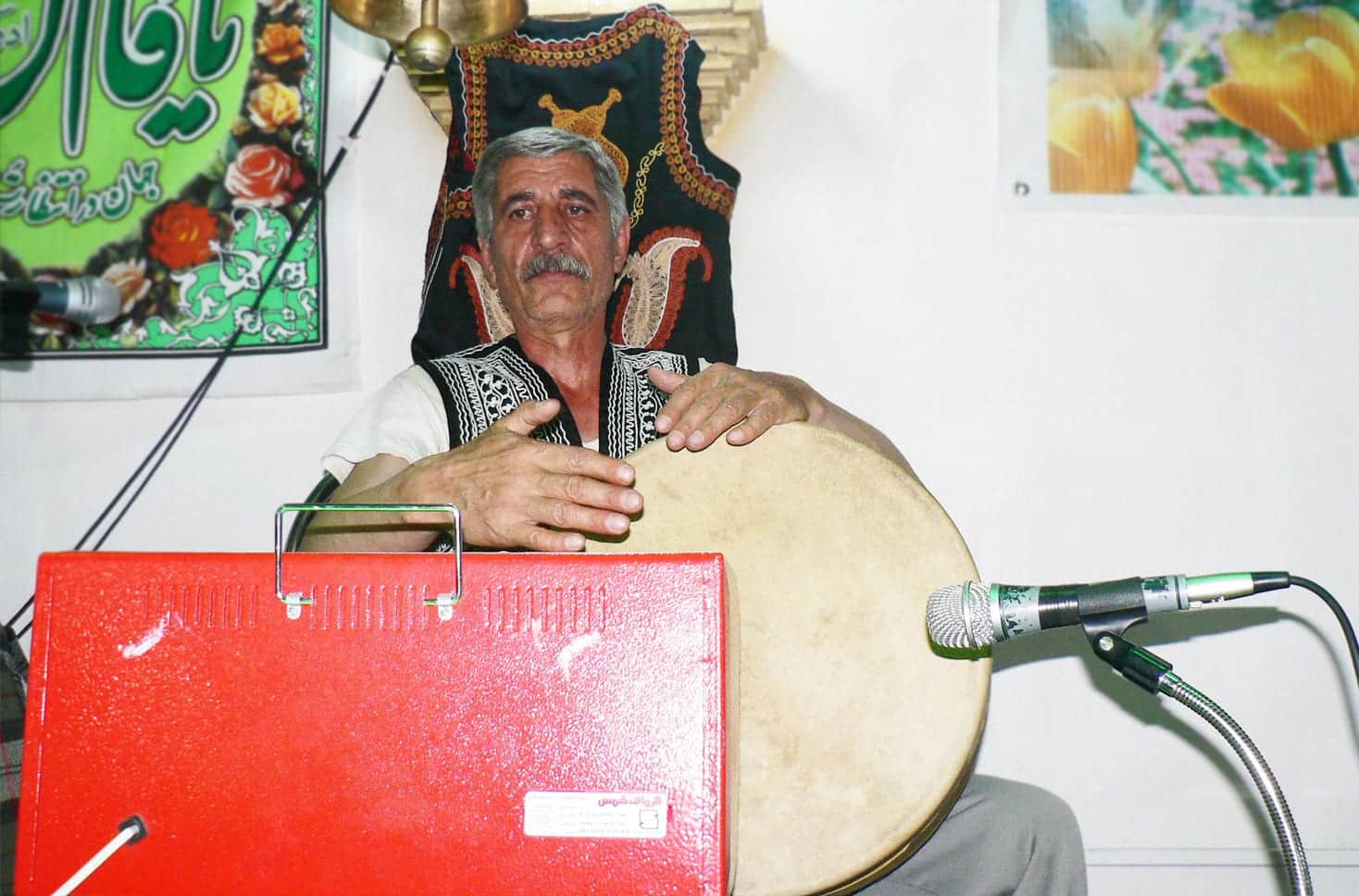
Music is not background decoration. It structures the exercises. The morshed uses the zarb drum and a zang bell while reciting epic, ethical and spiritual poetry. According to UNESCO, these recitations transmit social and ethical teachings as part of Zoorkhanei literature.
Traditional zurkhaneh equipment
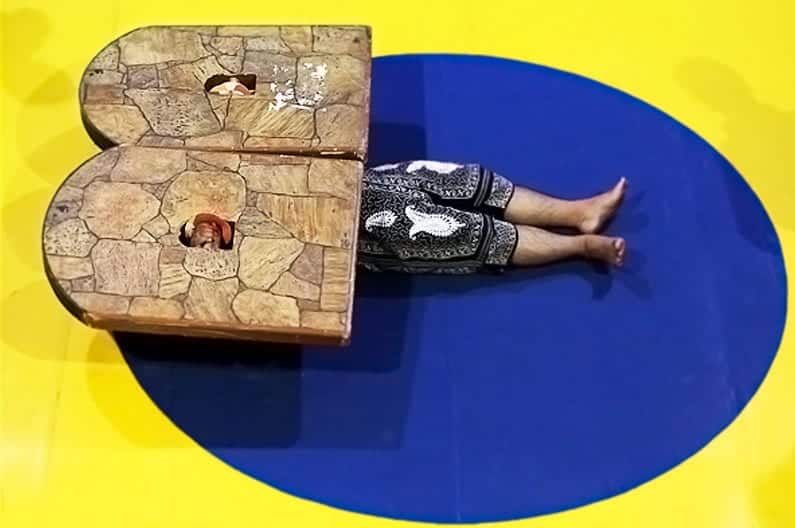
Several pieces of equipment echo older weapons while functioning as strength-training tools. Mil are wooden clubs swung in controlled movements. Sang are large paired wooden implements lifted while lying on the back. The kabbadeh is a bow-shaped iron implement with chains or rings. Athletes also use a shena board for push-up variations.
History and cultural significance
The precise origins of the institution are difficult to date. Rather than treating zurkhaneh as unchanged since antiquity, it is more accurate to understand it as a tradition that developed over generations and absorbed influences from wrestling, Pahlevani ideals, Persian poetry and religious and mystical practices.
UNESCO emphasizes the tradition’s role in social cohesion and the transmission of ethical values. That cultural dimension is central to understanding why a zurkhaneh is more than a gym.
Visiting a zurkhaneh in Iran
Some zurkhanehs admit visitors, but access, schedules, photography rules and participation policies vary by venue and can change. Confirm arrangements locally before visiting. During a session, follow the host’s instructions, avoid interrupting the ritual and ask permission before photographing participants.
Travelers interested in related living traditions can also read about Naqqali, Iranian dramatic storytelling. For broader planning, see the Iran travel guide.

Hallo…my name is Doddi Lesmana from Indonesia. Iam an athlete of Zurkhaneh. I was brought my team to Zurkhaneh championship ( Theran , Khis island, Tafisa games Korea) I need support and information about Zurkhaneh. Please anyone who read my message..contact or reply via my email. Soon as Possible thank’s
Hi, dear Doddi, would you please drop us an email to contact@surfiran.com
I am seriously planning to visit Iran next May: I have been dreaming that for several years, every time something went against that desire. I hope to be lucky this time. I am 75 so I hope to be in good health by the time I planned to take the tour. Anyway we will keep in touch and discuss the plan later in 2017.
Best season wishes
Giovanna
Dear Giovanna,
We hope to see you in Iran soon. 🙂