Chabahar Travel Guide: Makran Coast, Sights and Winter Trips
Things to know before you visit Chabahar


Chabahar lies on Iran’s southeastern Makran coast in Sistan and Baluchestan Province, beside the Gulf of Oman. Its coastal landscapes, Miniature Mountains and Baluchi culture make it a distinct choice for a southern Iran itinerary.
Contents
Why traveling to Chabahar?
Use Chabahar as a base for road excursions along the coast. Group nearby stops together rather than trying to cover every beach, village and viewpoint in one day. Allow time for local meals, markets and photography.

The area’s appeal comes from the contrast between sea cliffs, eroded hills and coastal settlements. Plan around the sights you want to see, with enough time for the road journeys between them.
The Miniature Mountains, often called the Martian Mountains, are among the coast’s distinctive landscapes. Combine selected viewpoints with other stops along the same route instead of adding a separate return journey for each one.
But Chabahar isn’t just about breathtaking landscapes. Its rich cultural heritage adds another layer of fascination to your journey. Immerse yourself in the local traditions and customs, discovering the intricate tapestry woven by Persian, Indian, and Arab influences. Engage with the friendly locals, who warmly share their stories and traditions, offering you a glimpse into the region’s vibrant cultural mosaic.

For the adventurous souls, Chabahar presents an array of thrilling outdoor activities. Dive into the depths of the azure sea, where an underwater paradise awaits, teeming with vibrant marine life. Embark on exhilarating hikes through untamed mountains, revealing hidden treasures at every turn. The adrenaline rush of exploring Chabahar’s untamed wilderness will leave you with unforgettable memories.
To complement your journey, indulge in Chabahar’s culinary delights. Delight your taste buds with tantalizing flavors, savoring succulent seafood dishes infused with aromatic spices. The local cuisine is a true reflection of the region’s diverse cultural heritage, adding a delectable dimension to your exploration.
In Chabahar, you’ll find a destination that combines natural wonders, cultural richness, and thrilling adventures, all within a serene and tranquil setting. It’s a place where time slows down, allowing you to immerse yourself in the beauty that surrounds you and create lasting memories. Chabahar beckons you to embark on a journey of discovery and enchantment, an experience that will stay etched in your heart forever.

Chabahar Weather
Chabahar has a warm, humid coastal climate. Winter and the cooler months generally suit sightseeing better than the hotter part of the year. The official tourism guide to the Gulf of Oman recommends late autumn, winter and early spring for this coast.
Situated on the edge of the Oman Sea, with a passage to the Indian Ocean, Chabahar experiences the influence of monsoon winds. This unique geographical location makes Chabahar the coolest port in the summer and the warmest port in the south of the country during winter.

During the winter season, which spans from December to February, Chabahar enjoys mild temperatures with an average of around 19°C (66°F). It is a pleasant time to visit if you prefer cooler weather. The city’s coastal breeze adds to the overall comfortable atmosphere.
In contrast, summer in Chabahar, lasting from June to August, brings warmer temperatures. The average temperature during this season hovers around 31°C (88°F). If you enjoy the warmth and desire a beach getaway, summer offers suitable conditions for soaking up the sun and enjoying the beautiful coastal surroundings.

It’s worth noting that Chabahar experiences a relatively low amount of rainfall throughout the year, making it a suitable destination for outdoor activities and exploration. However, it’s always advisable to check the weather forecast before your trip to ensure a pleasant and enjoyable experience.
Choose your travel month according to the activities you plan. Coastal walks and road excursions are usually more comfortable in the cooler season. Conditions at the sea and along the coast can vary, so keep the daily route flexible.
The best time to travel to Chabahar
While Chabahar can be visited throughout the year due to its favorable climate, the period from November to early March is often considered the best time to experience the city’s beauty. During this time, Chabahar offers pleasant temperatures and comfortable weather conditions, making it an ideal season for exploring the city and enjoying outdoor activities.

In November, the summer heat begins to subside, and the temperature starts to cool down, creating a pleasant atmosphere for sightseeing and outdoor adventures. As the months progress towards March, Chabahar experiences mild and enjoyable weather, with temperatures ranging from comfortable to slightly warm.
Visiting Chabahar during this period allows you to explore the city’s attractions, such as its beautiful beaches, historical sites, and natural landscapes, without the scorching heat of the summer months. You can take leisurely walks along the coastline, engage in water sports, or simply relax and soak up the tranquil ambiance.

The mild temperatures of winter in Chabahar, with an average around 19°C (66°F), make it an inviting time to visit. It’s important to note that Chabahar experiences less rainfall during this period, contributing to clear skies and favorable conditions for outdoor exploration.
Whether you’re interested in Chabahar’s diverse marine life, its vibrant markets, or its historical landmarks, the period from November to early March provides a comfortable and enjoyable experience. It’s always advisable to check the specific weather conditions and forecasts closer to your travel dates to ensure you make the most of your visit to this beautiful city.
Chabahar souvenirs
Chabahar is renowned for its exquisite handicrafts, which make for unique and cherished souvenirs. Here are some notable handicrafts of Chabahar:
Chabahar Needlework: Needlework, also known as Baluchi embroidery, is an ancient and original Iranian art. It is characterized by warm and vibrant colors, with floral and geometric designs adorning garments, tablecloths, and curtains. Needlework has a rich cultural significance and was even favored by Farah Pahlavi, the former Empress of Iran.

Chabahar Coin Embroidery: Coin embroidery is another traditional craft of the region, found in villages throughout Chabahar. It involves the use of buttons, mirrors, sequins, pearls, and shiny fabrics. Coin-embroidered fabrics are used as decorative bedspreads, room hangings, and are popular souvenirs.
Zari Bafi: Zari Dozi or Gulabton Dozi is a type of embroidery where Chabahar women create intricate designs using golden threads on fabrics. This exquisite art form adds a touch of elegance and beauty to various items such as Quran covers, cushion covers, and mantles.

Shell Painting: Shell painting combines the natural beauty of sea shells with painting techniques, resulting in unique and eye-catching artworks. Oysters collected from the local area are cleaned, shaved, and worked on fabric using specialized tools. The end result is a mosaic-like creation that showcases the creativity of the artist.
Carpet Weaving: Chabahar is also known for its skilled carpet weavers. These handmade rugs, crafted by Baloch nomads and rural women, are a testament to their artistry, taste, and dedication. Each carpet is a labor of love, taking several hours to weave and featuring intricate patterns and designs. Owning a Chabahar carpet is like bringing home a piece of the region’s cultural heritage.

Mat Weaving: The resourceful people of Chabahar utilize palm tree fibers to create exquisite items through mat weaving. Vases, pot baskets, wicker bags, bread baskets, carpets, fans, and decorative pendants are among the products made by Chabahar women. These handcrafted mats are not only functional but also visually appealing, making them popular choices among travelers seeking authentic souvenirs.
Ornamental Items: The locals of Chabahar have transformed shells and snails into stunning decorative pieces. You’ll find necklaces, bracelets, photo frames, watches, and statues made from various types of shells. These intricately designed ornaments, crafted with lifeless shells, captivate visitors with their beauty and affordability. It’s not uncommon to spot tourists adorning their hands with henna designs complemented by shell bracelets or necklaces, reflecting the joy these small works of art bring.
Cutting Precious Stones: Chabahar is known for its expertise in cutting and polishing precious and semi-precious stones. The Free Zone Organization has played a significant role in promoting this art form. Skilled artists use specialized tools to cut and polish gemstones, resulting in beautiful pieces that adorn the hands and necks of both locals and tourists. You’ll find these gems incorporated into gold, silver, and brass jewelry, adding a touch of elegance to their designs.
Getting to Chabahar: Transportation Options
Embarking on a journey to Chabahar is an adventure in itself, as you traverse through diverse landscapes and immerse yourself in the rich cultural heritage of Iran. Let me guide you through the various transportation options available to reach this captivating destination.
Flights from/to Chabahar
For an arrival by air, compare the flights listed for your date and check the arrival airport and transfer time to Chabahar. Avoid building an itinerary around a historical airline list or an announced future route.

To cater to travelers’ needs, Chabahar Airport collaborates with five airlines, namely Iran Air, Caspian Airlines, Kish Airlines, Asman Airlines, and Qeshm Airlines. The airport is equipped with amenities including a comfortable waiting hall, shops, a restaurant, ATMs, and taxi services, ensuring a convenient experience for passengers.
Travelers seeking to purchase plane tickets for Chabahar can do so by visiting ticket agencies in their respective cities or by utilizing online booking services. Notably, Kish Airlines and Asman Airlines have representative offices at Chabahar Airport, where passengers who encounter difficulties with ticket bookings can seek assistance.
Compare available flights for your travel date and arrange the transfer to your accommodation. Flight options and airport transfers should be checked as part of the same journey.

Embrace the ease and accessibility of modern technology while planning your journey to Chabahar. With a few simple clicks, you can secure your flight tickets and explore the other travel services available to enhance your overall travel experience.
Train
For a rail-and-road itinerary, compare the available railway endpoints and onward road connections before booking. Treat the train, connecting road journey and local transfer as separate parts of the trip, with time between them.
Bus
For those seeking an economical option, buses provide a reliable means of transportation to Chabahar. Several bus companies operate services from major cities in Iran, including Tehran, Isfahan, and Mashhad. These long-distance buses offer comfortable seating and air-conditioning, ensuring a pleasant journey. The road network connecting Chabahar is well-maintained, allowing for smooth travel. The duration of the bus journey may vary depending on the departure point, but rest assured, the scenic vistas along the way make for a memorable trip.
If you are an avid road-trip enthusiast, embarking on a journey to Chabahar by private car can be an exciting adventure. However, it’s important to be aware that the Tehran-Chabahar route presents its own unique challenges, unlike the more common trips to destinations in the north or places like Kashan. Prepare yourself for a long drive spanning approximately 19 hours.
Travel to Chabahar by private car
If you are an avid road-trip enthusiast, embarking on a journey to Chabahar by private car can be an exciting adventure. However, it’s important to be aware that the Tehran-Chabahar route presents its own unique challenges, unlike the more common trips to destinations in the north or places like Kashan. Prepare yourself for a long drive spanning approximately 19 hours.
What is the local food like?
People invite you warmly to taste local food, therefore they are proud of their culinary culture.
Local Abgoosht, Ojizak, Tabaheg, local omelette(omelet), Darzanak, Batt Maash, Bork, Pakoureh and so on are just some part of food you can eat here.

What kind of tourist attractions exist in the area?
You can visit the following picturesque sites and more in this area.
The miniature mountains:
An amazing and eye-catching geo-tourism attraction which is stretched from Kachou region to Goater Gulf.

Lipar wetland:
Located in 15 km to the east of Chabahar, Lipar pond is also famous as pink pond just because of attractive color it has.
Caves of Ban Masiti:
Tripled caves located in ancient village named Tis near Chabahar county and are 25 meters higher than ground.
Chabahar charming beaches:
The beaches in south east of Iran are really attractive to go through the life style of local people. Sunrise and sunset have picturesque views in Chabahar like a memorable meditation.
Mud volcano fountains of mountain:
The natural phenomena in Chabahar as exquisite natural geo-tourist attraction, a fabulous one which in there the mud underground reaches onto the surface to produce bubbles.

Gwadar port:
A charming port that is reputed as a place for immigrant birds especially in autumn.
Gwadar gulf is a protected area concerning being located the neighborhood of Hara forests.
IRAN GROUP TOURS
Explore sample small-group routes. Departure dates, availability and final prices are confirmed case by case before booking.
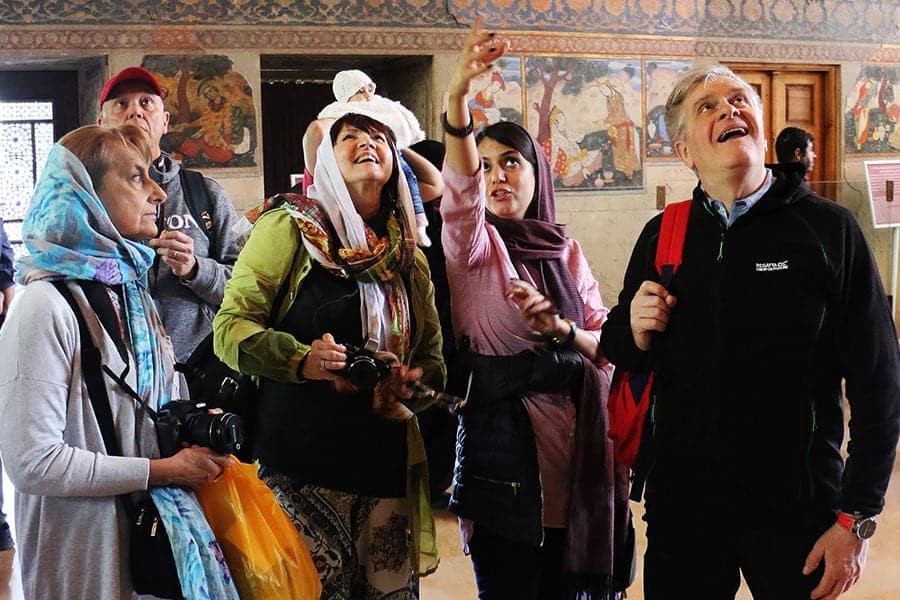
Iran 7-Day Tour
Final price and availability on request
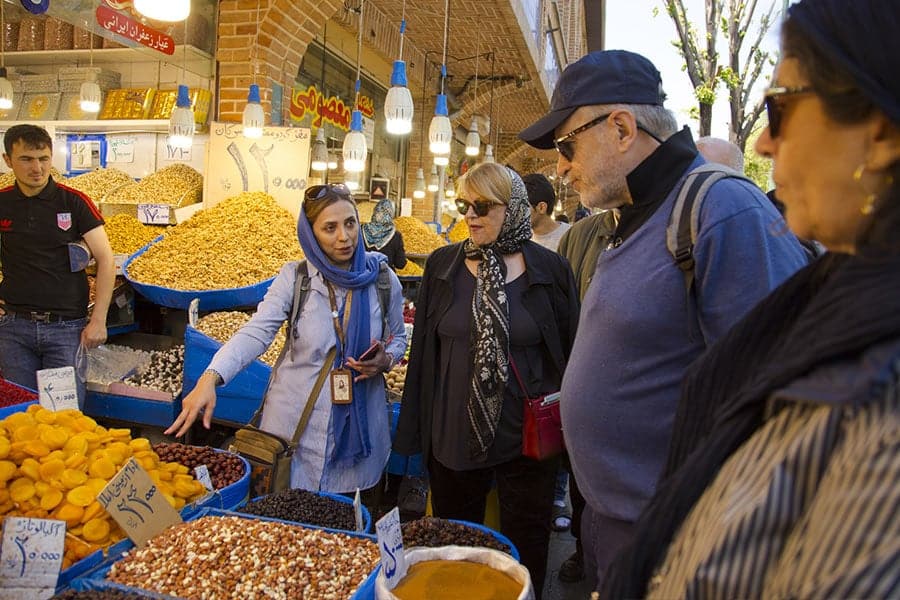
Iran 9-Day Tour
Final price and availability on request
Iran 15-Day Tour
Final price and availability on request