Iranian Traditional Dress: A Cultural Heritage Guide
Explore the Diverse Traditional Attires Across Iran's Regions

Iranian traditional clothing is rarely worn on city streets today, but it is far from gone. In villages, nomadic camps and at weddings and Nowruz gatherings, people across Iran still wear garments whose cut, colour and needlework tell you where they come from.
You can often tell where someone is from by their clothes alone. White, loose cotton in Baluchestan. A wide sash and baggy trousers in the Kurdish mountains. Ribboned skirts in the rice fields of Gilan.
Contents
A Short History of Persian Clothing
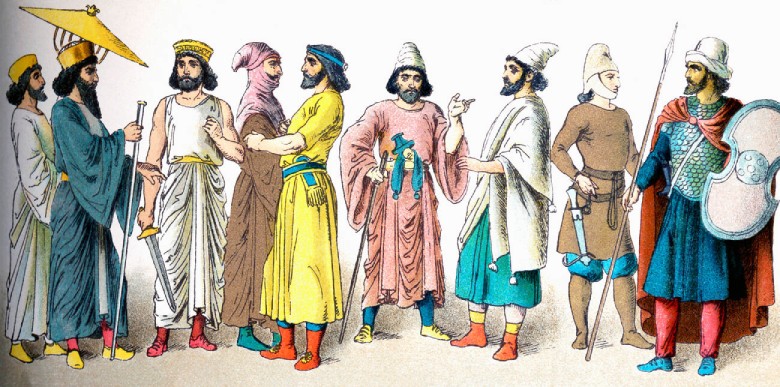
Clothing in Iran has signalled rank and status for thousands of years. Reliefs from the Achaemenid Empire (550 to 330 BCE) show courtiers and soldiers in long, pleated robes and in fitted tunics with trousers. Royal garments used fine fabrics and gold thread.
Under the Parthians (247 BCE to 224 CE) and the Sasanians (224 to 651 CE), the tunic-and-trouser combination became standard. Sasanian textiles were known for patterns of animals, birds, plants and geometric shapes, motifs that still appear in Persian design.
After the arrival of Islam in the 7th century, clothing became more modest, and long veils and the chador (a full-length cloak) became common for women. Pre-Islamic colours, patterns and craft skills carried on in regional dress, which is why village and tribal clothing today often looks older than its date of making.
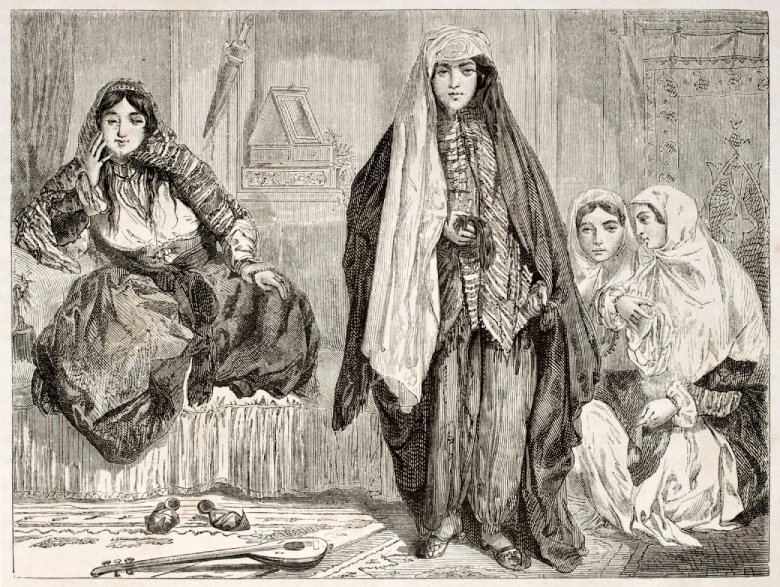
By the Qajar era (19th century), city fashion in Tehran was changing fast. Villages and nomadic tribes kept their own styles, and those are what Iranians usually mean today when they talk about traditional clothing.
Iranian Traditional Clothing by Province
Iran is home to Persians, Azerbaijanis, Kurds, Lurs and Bakhtiari, Baloch, Turkmen, Arabs, Gilaks, Mazandaranis and many smaller communities. Each group dresses differently, and styles can change from one valley or town to the next. The sections below cover the best-known regional dress.
Sistan and Baluchestan: Balochi Clothing
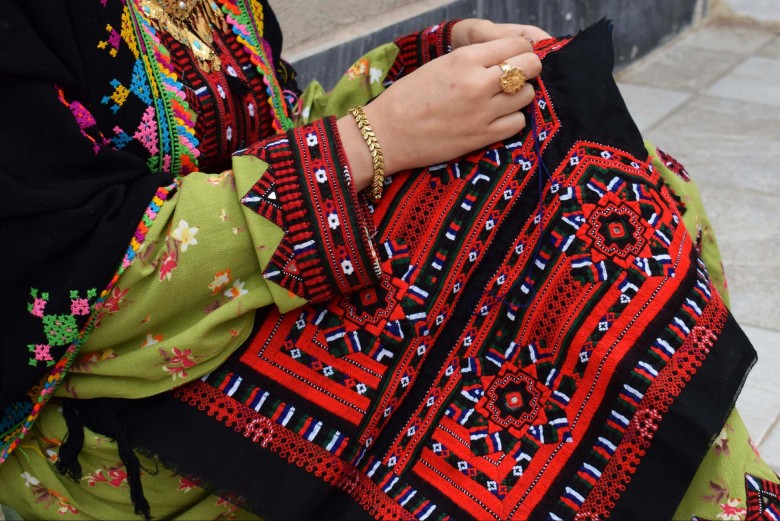
Balochi clothing, worn from Chabahar to Zahedan, is often described as the most valuable traditional dress in Iran. Its worth comes from dense hand embroidery, known as suzan-douzi, and from the silk thread used in the finest pieces. Researchers have compared Balochi embroidery patterns to motifs on ancient rock carvings.
Women wear wide trousers (pajamak), a long dress with side slits and a heavily embroidered front panel, and a loose skirt (tambo). Embroidered leggings called chaqchur cover the legs from ankle to knee. A headscarf (taku) and a larger shawl (serig) complete the outfit. Younger women usually choose bright colours, while older women wear darker shades. Silver hair ornaments and jewellery are common.
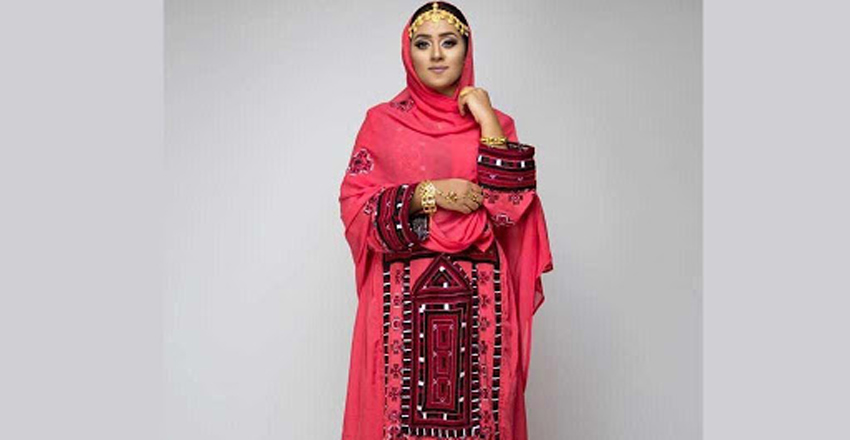
Balochi dress can look uniform at first glance, but stitch style and pattern often show which area or tribe a piece comes from.
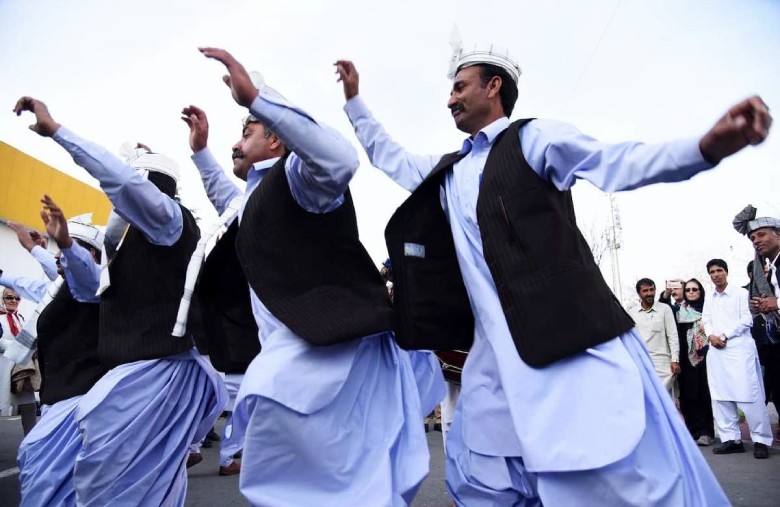
Men usually wear white: wide trousers (pajamak), a long, loose shirt (chamg), a leather belt and a turban (pag) wound over a skullcap. A shawl (pato) is often wrapped around the shoulders.
Kurdistan, Kermanshah and Ilam: Kurdish Clothing
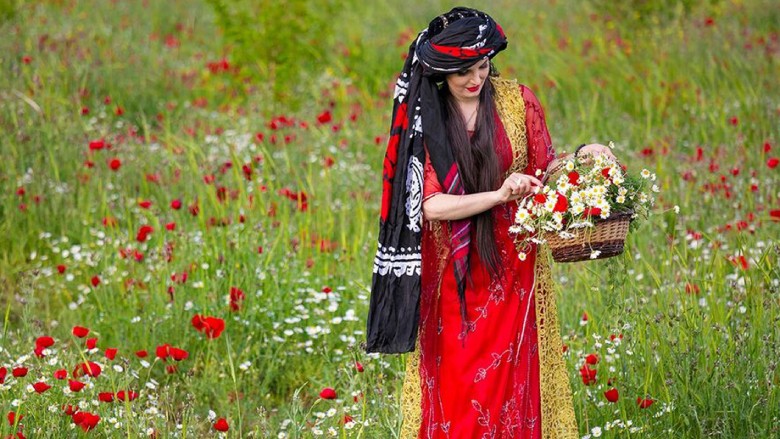
Kurdish clothing is among the oldest and most recognisable dress in Iran. Researchers have noted similarities with garments shown on Achaemenid reliefs. It varies a little between Kurdistan, Kermanshah and Ilam, but the core outfit is the same.
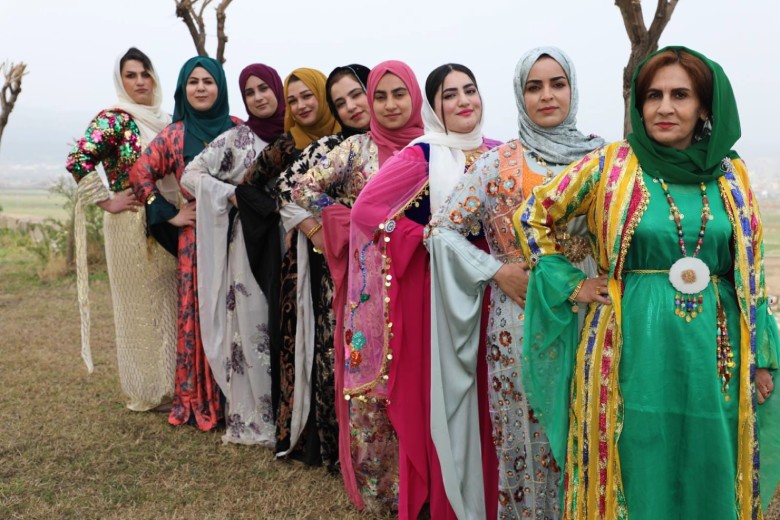
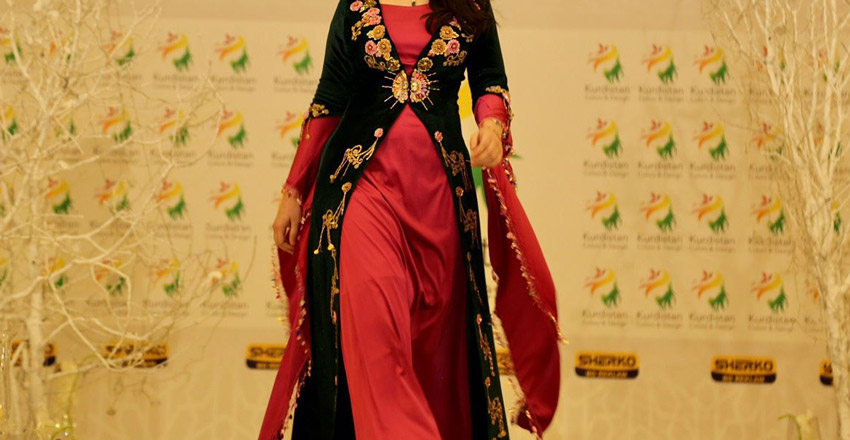
Women wear a long dress (kras) in bright crepe, chiffon, satin or velvet, often under a short, sleeveless velvet jacket. A sash wraps the waist. Head coverings range from simple caps (klaw) to elaborate festive headdresses with gold embroidery or sequins. Coins, beads and ornate bands are sewn onto the clothing, and some beadwork traditionally carries a protective meaning.
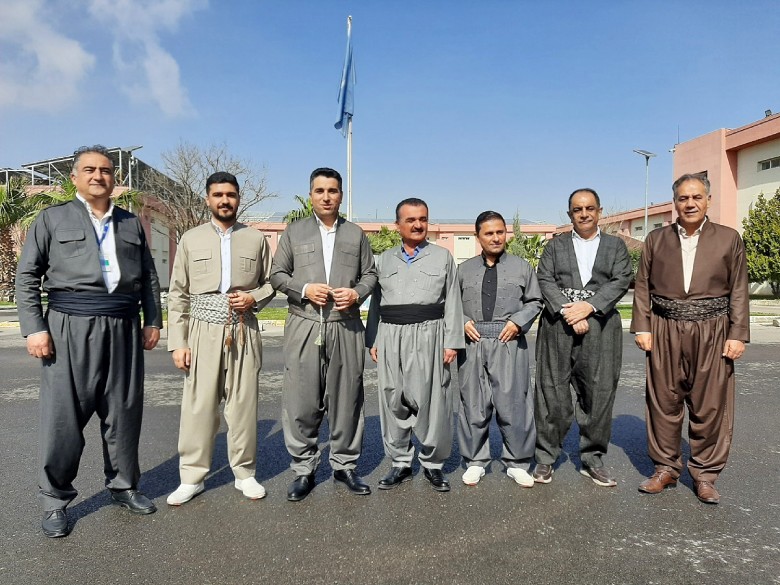
Men wear clothing made for moving through mountain country: a loose shirt, very wide trousers, a short jacket (choukha) and a cloth sash. A black-and-white hand-woven scarf holds the head covering in place.
Gilan: Gilaki and Taleshi Clothing
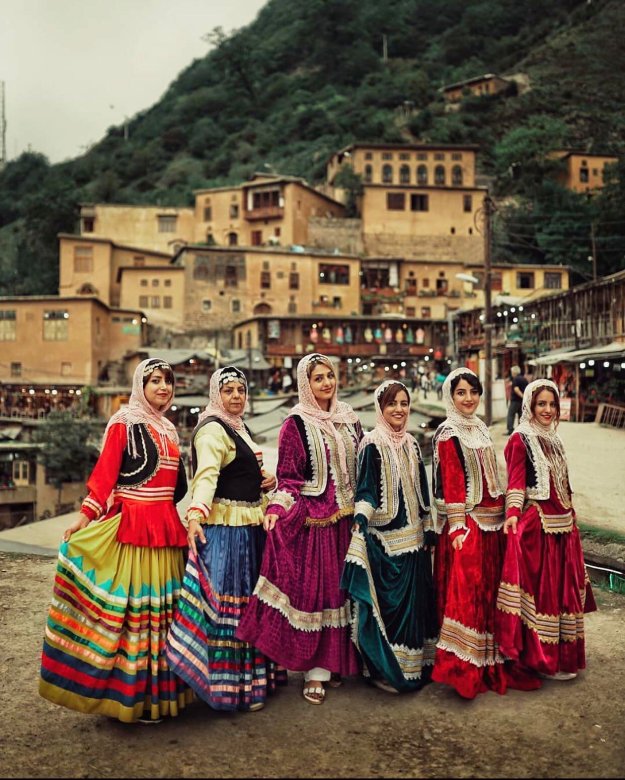
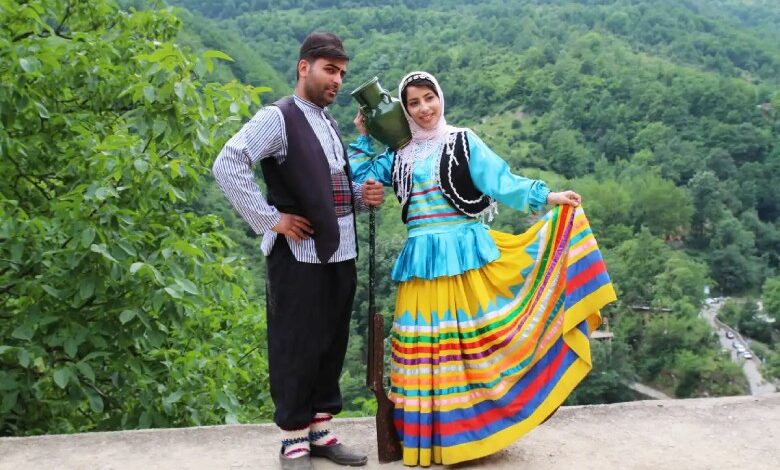
Clothing in Gilan, from Rasht and Anzali, Talesh and Ghasemabad, is known for cheerful colours that match the green, wet landscape of the Caspian coast.
Women wear full, colourful skirts trimmed with ribbons: the short version is the tuman and the long one the daraz tuman. On top go a blouse with slit sides and an open or three-button black vest, often decorated with coins. A coin-trimmed scarf (mandil) and a lace shawl cover the head. In the past, the number of ribbons and the colour of the skirt showed a woman’s age and marital status, and silk versions were kept for weddings.
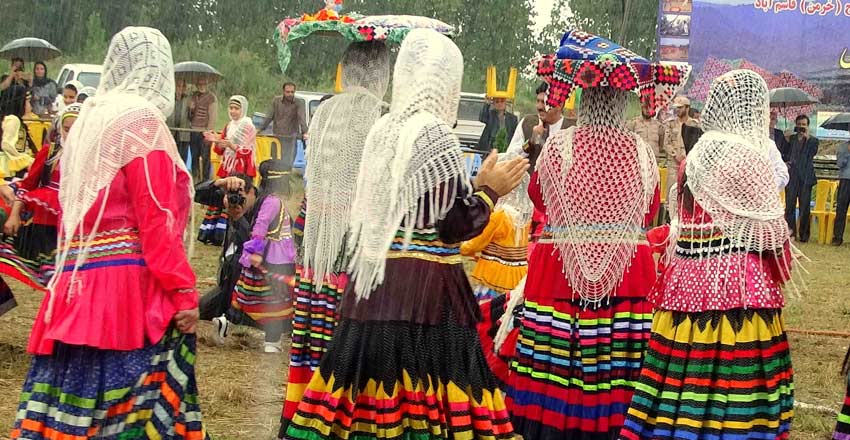
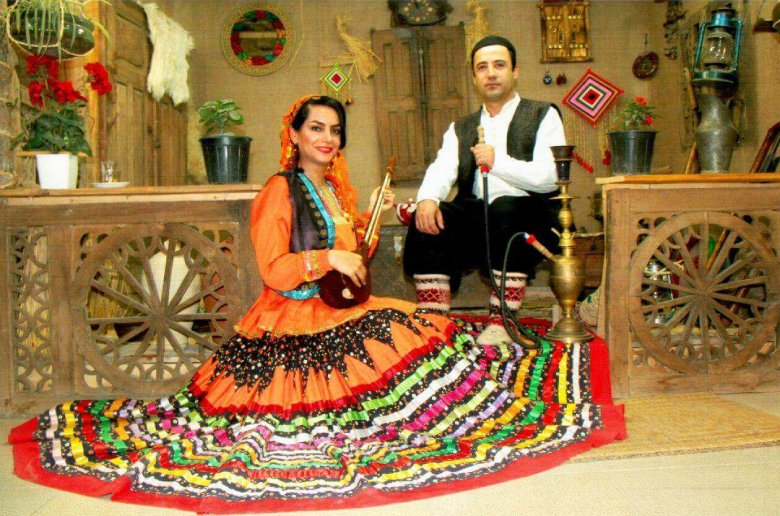
Men wear a woollen coat (chokha), a light shirt, trousers, a belt and a felt or woollen hat. Leather shoes called chamush suit the muddy, hilly terrain.
Mazandaran: Mazandarani Clothing
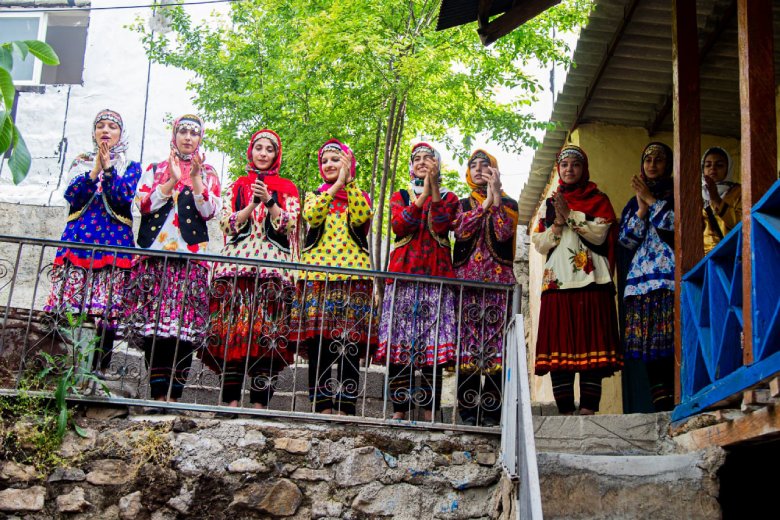
In Mazandaran, around Amol and Babol, women wear short, gathered, brightly coloured skirts (shaliteh) over dark trousers (tomban), with a blouse and a light headscarf. Men wear long coats, belts and warm felt hats. Unlike neighbouring Gilan, the skirt is short and layered rather than long.
Isfahan Province: Abyaneh Village Clothing
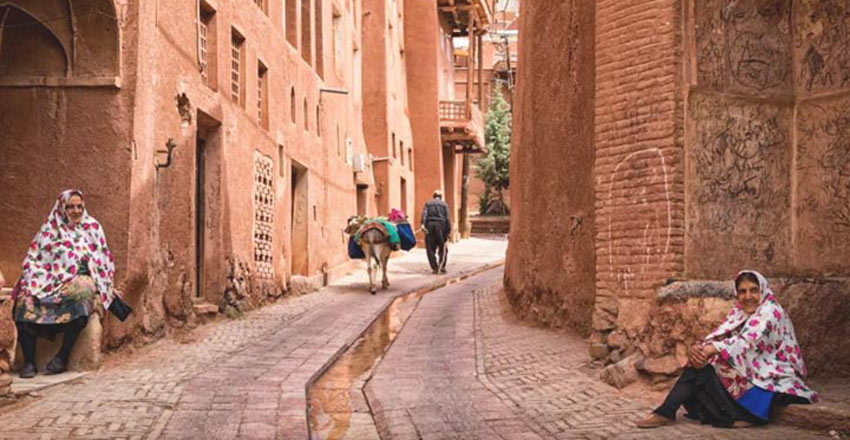
In Abyaneh, a red mud-brick village in the mountains near Natanz, older residents still wear traditional dress. Women here rarely wear black. Their long white headscarf, printed with colourful flowers, sets Abyaneh apart from other regions, together with a long brocade shirt, a full, knee-length skirt and hand-knitted socks.
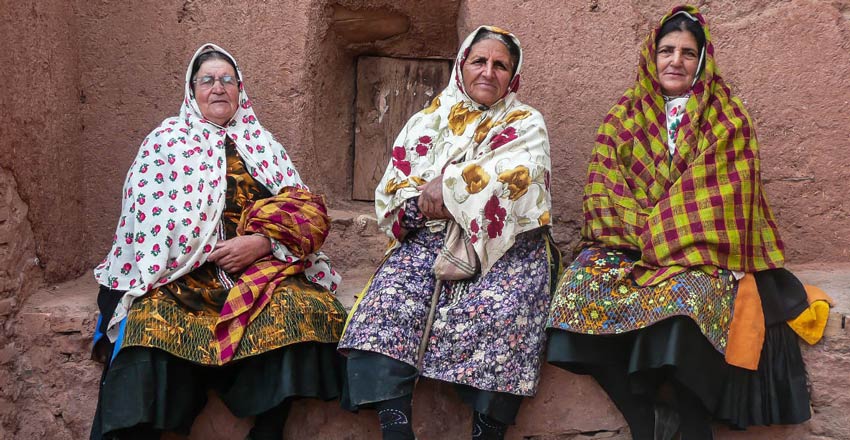
Men wear loose black trousers, a vest and a woollen hat, often with hand-woven shoes called giveh.
East Azerbaijan: Azerbaijani Clothing
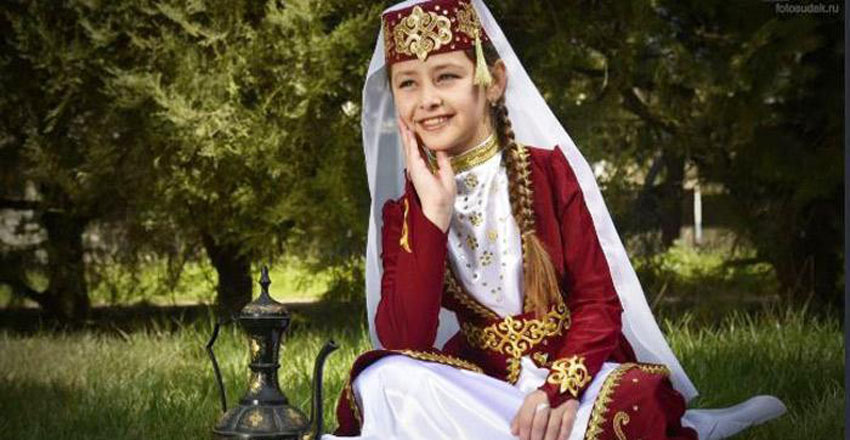
Traditional Azerbaijani dress in the northwest once came in urban, rural and nomadic styles. It has largely disappeared from cities such as Tabriz but survives in villages and at celebrations.
Women wear a long, gathered dress with a round neck (kuynak), a long skirt (tuman), a fitted jacket and a vest, with a large, bright headscarf and sometimes a forehead band. Fabrics are light and often floral. Men wear trousers that narrow at the ankle and a jacket that flares out below the waist like a skirt. Hat styles vary widely from one community to another.
Chaharmahal and Bakhtiari: Bakhtiari Clothing
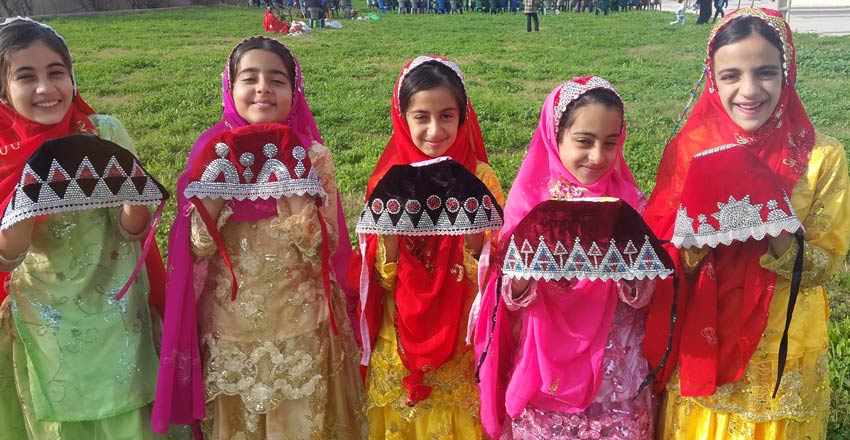
The Bakhtiari live in the central Zagros Mountains. Some families are still nomadic herders who move between summer pastures in the high mountains and winter pastures in the lowlands towards Khuzestan. Their clothing is colourful and generous in cut.
Women wear a knee-length dress (jomeh) with side slits over very full, pleated trousers that use many metres of fabric, often velvet, plus a velvet vest. On the head they wear a decorated cap (lachak) under a sheer silk scarf (mina). Brides wear a gold-embellished lachak.
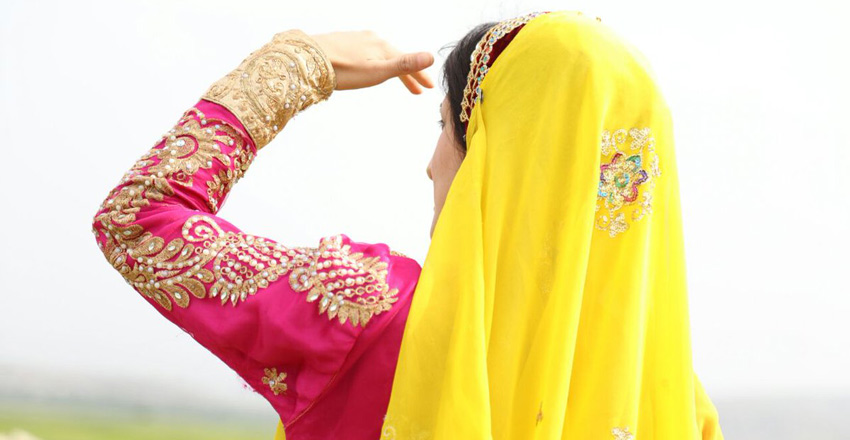
Men wear the chogha, a short cloak woven with black and white vertical stripes. Some people link its design to the ancient Chogha Zanbil ziggurat, and others read the two colours as a symbol of good and evil. Both are local interpretations rather than established history.
Fars: Qashqai Clothing
The Qashqai, a Turkic-speaking nomadic confederation in Fars province, are known for full, embroidered skirts and long, colourful headscarves. Men wear a felt hat with two raised flaps, the dogushi (“two-eared”), which has been a symbol of Qashqai identity since the 19th century. The best way to see this clothing in daily life is to spend time with Qashqai families in their camps.
Meet the Qashqai in Fars
Spend 7 days with the Qashqai tribes on our nomadic tour, which starts in Shiraz.
Hormozgan: Bandari Clothing
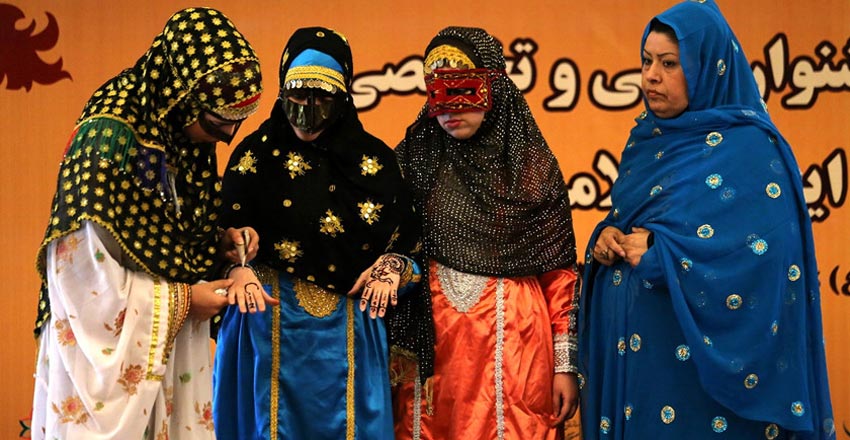
Clothing on the Persian Gulf coast is light and practical for the hot, humid climate. Some experts note similarities with dress across the Gulf and the Indian Ocean coast, a result of centuries of trade. For more on the region, see our Hormozgan travel guide.
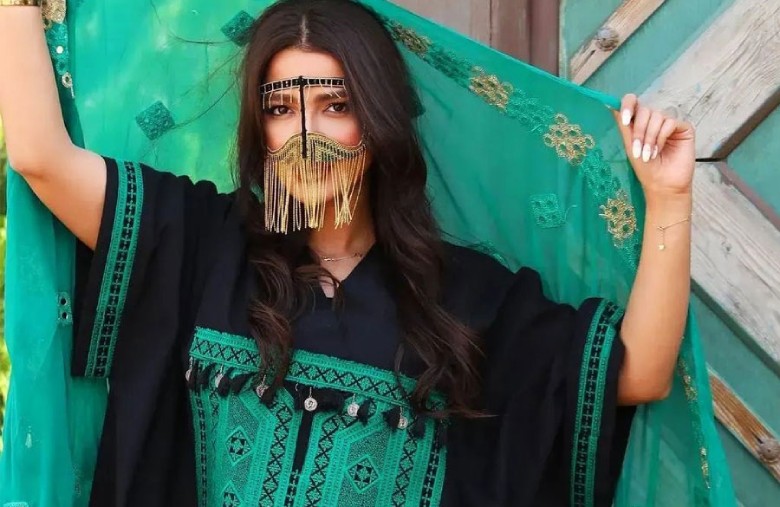
Women wear brightly coloured tunics over light cotton trousers that narrow from knee to ankle, with gold embroidery at the cuffs. A loose dress called the kandura is common. Headscarves are vivid, so a group of women together looks like a rainbow. Many women also wear a face mask, often called a burqa, which protects against the sun and comes in several shapes and colours.
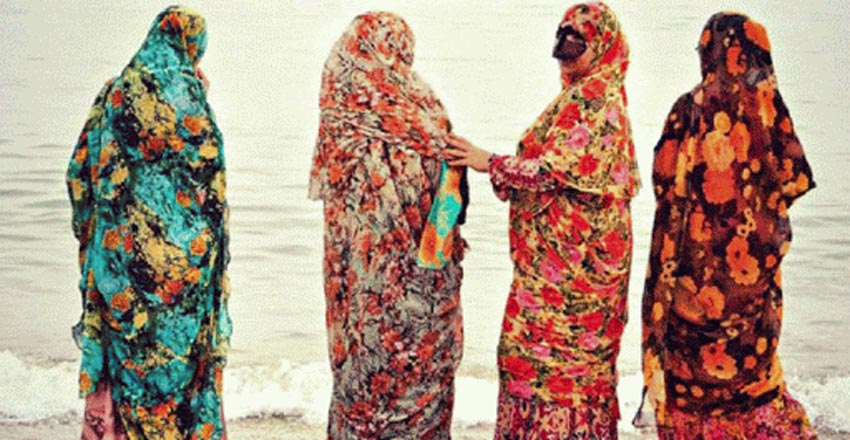
Golestan and North Khorasan: Turkmen Clothing

The Turkmen community lives mainly in Golestan and North Khorasan. Women traditionally wear long silk or wool dresses with fine needlework around the collar, cuffs and hem, embroidered trousers and ornaments. Their headdresses, belts and coats are seen less often today but remain a point of pride.

Men wear cotton tunics and trousers, and in cold weather a long, striped coat without buttons. The large, shaggy sheepskin hat is the best-known part of Turkmen dress.
Traditional Clothing in Iran Today
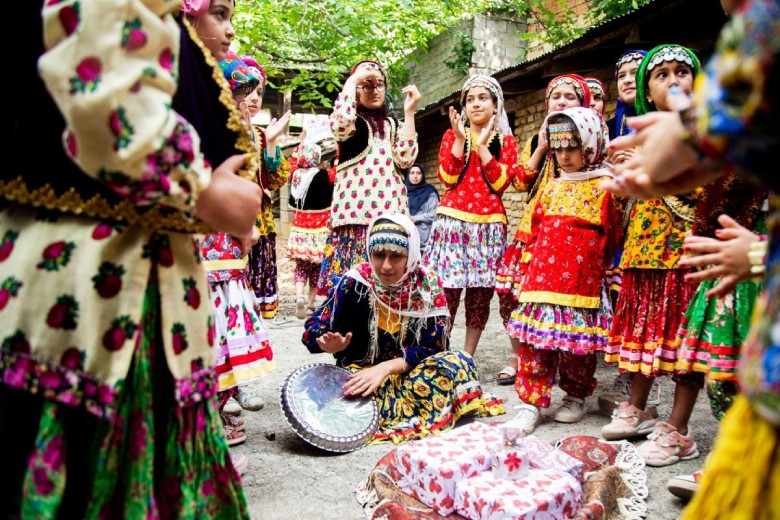
Traditional dress is now worn mostly at weddings, during Nowruz and at local festivals, and every day in some villages and nomadic communities. Iranian designers also use regional motifs, embroidery and colours in modern jackets, mantos (long coats), dresses and scarves. Balochi needlework in particular now appears on bags, cuffs and accessories sold in cities across Iran.
As a visitor, your best chances of seeing traditional clothing in daily use are in villages such as Abyaneh, in Kurdish towns, in the Caspian provinces, on the Hormozgan coast and with nomadic families in Fars and the Zagros. Bazaars such as Vakil Bazaar in Shiraz sell embroidered textiles and accessories.
Traditional dress is not expected of travellers. For what visitors should wear, read our Iran dress code guide. To meet the communities behind these clothes, see our Iran cultural tours or plan a route around the regions that interest you with an Iran private tour.
Book Services, Pay Online








Iranian Traditional Clothing: FAQ
Is there one national costume in Iran?
No. Iran has no single national costume. Traditional clothing differs by ethnic group and region, from white Balochi menswear in the southeast to the colourful skirts of Gilan and Mazandaran in the north.
Where can I see Iranian traditional dress?
In villages such as Abyaneh, in Kurdistan and Kermanshah, in the Caspian provinces of Gilan and Mazandaran, on the Hormozgan coast and among nomadic communities such as the Qashqai and Bakhtiari. Weddings and Nowruz celebrations are also good occasions.
Do tourists need to wear traditional clothing?
No. Visitors wear ordinary modest clothing. See our Iran dress code guide for details.
Can I buy traditional clothing or embroidery in Iran?
Yes. Embroidered textiles and accessories, especially Balochi needlework, are sold in bazaars and craft shops. Complete hand-embroidered outfits take a long time to make and are priced accordingly.
Read More