Golestan Province, Iran: Forests, Wildlife and Places to Visit
Explore Golestan National Park, the Hyrcanian forests, mountain villages and Caspian landscapes.

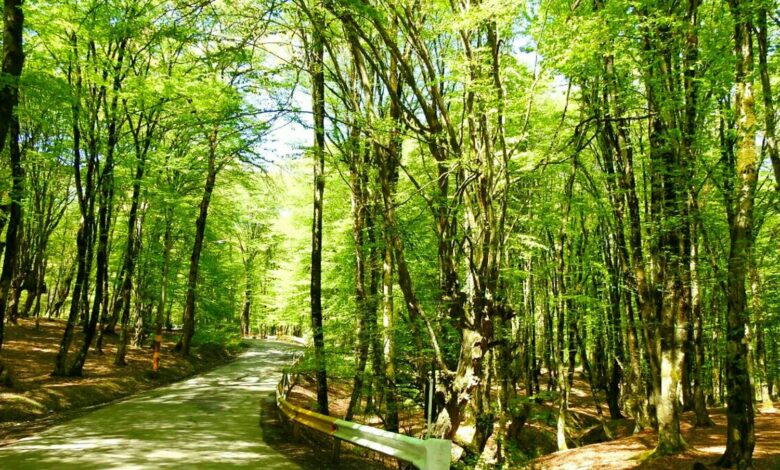
Golestan Province in northeastern Iran brings together forested mountains, rolling grasslands, wetlands and a stretch of the Caspian coast. Its changing landscapes make it a rewarding destination for travelers interested in nature, wildlife and regional culture.
The province lies near the southeastern Caspian Sea, with Gorgan as its capital. The Hyrcanian forests cover parts of its northern mountain slopes, while more open steppe landscapes extend eastward.
Golestan has a diverse cultural heritage shaped by communities and historical routes across northeastern Iran. The province is not a single ancient city; its towns, villages and archaeological sites each have their own histories.
Contents
Best time to visit Golestan Province
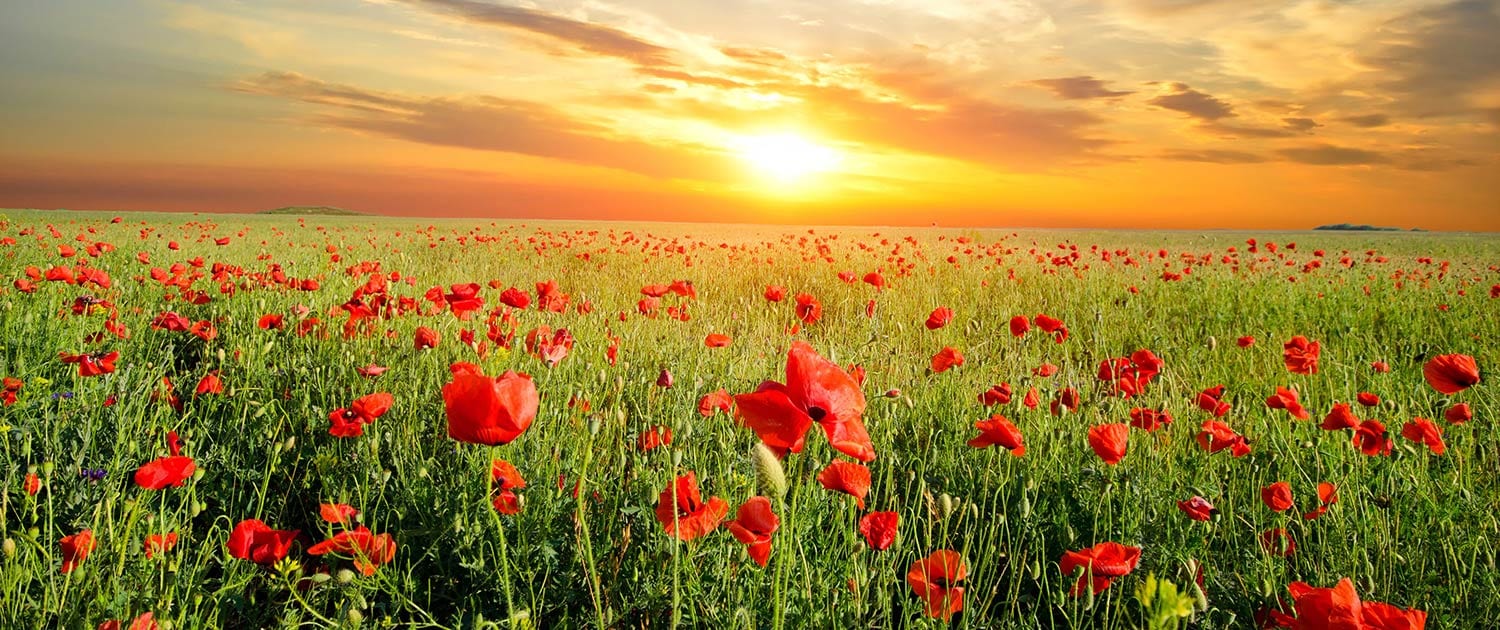
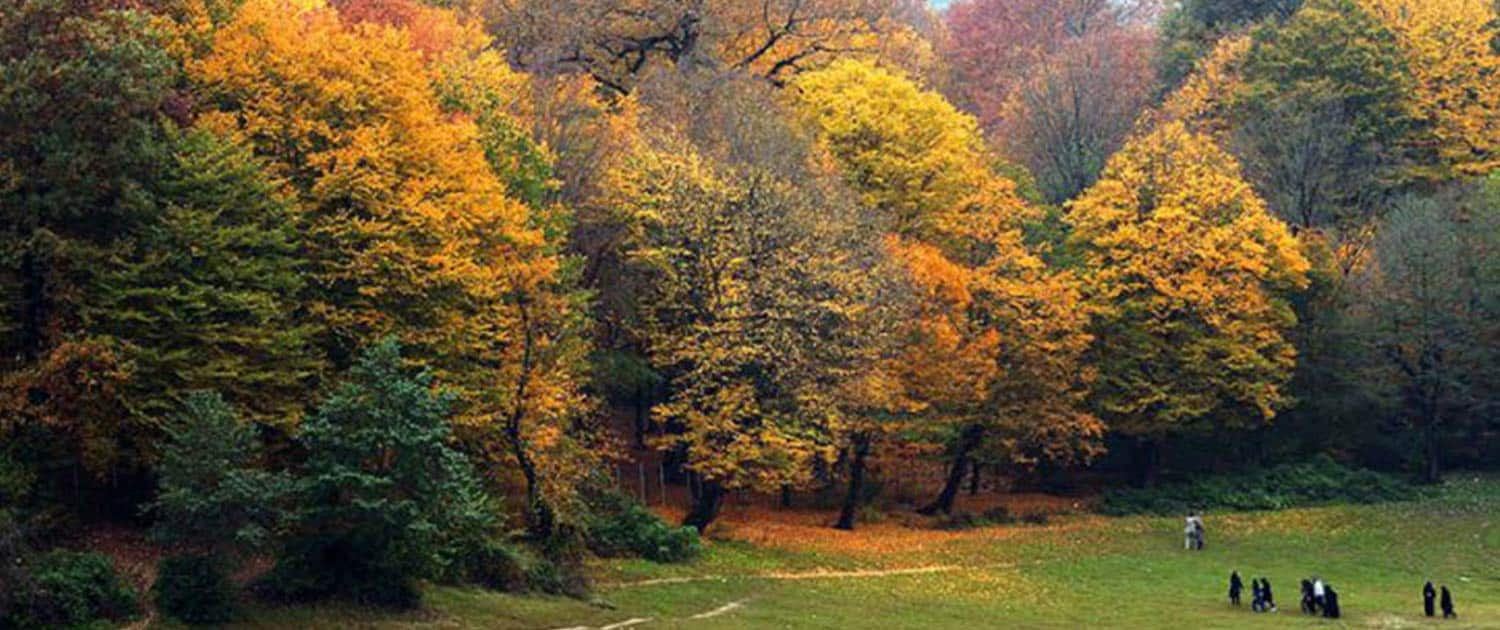
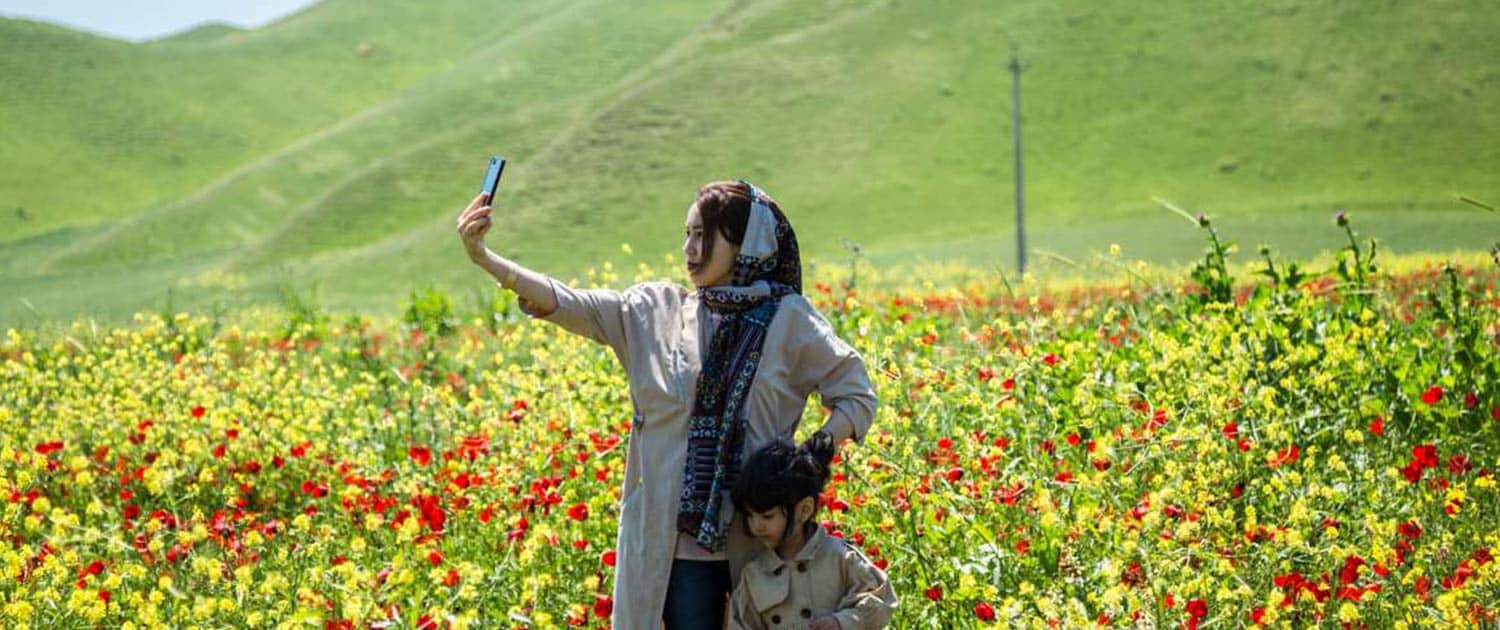
Spring brings fresh greenery and wildflowers to many areas, while autumn is particularly appealing for forest colors. Conditions differ sharply between the humid lowlands and colder mountains. Check seasonal access, rainfall and road conditions before traveling.
These places offer an introduction to Golestan’s varied landscapes. Some are protected or remote areas, so access rules, local guides and responsible photography are important.
Golestan National Park
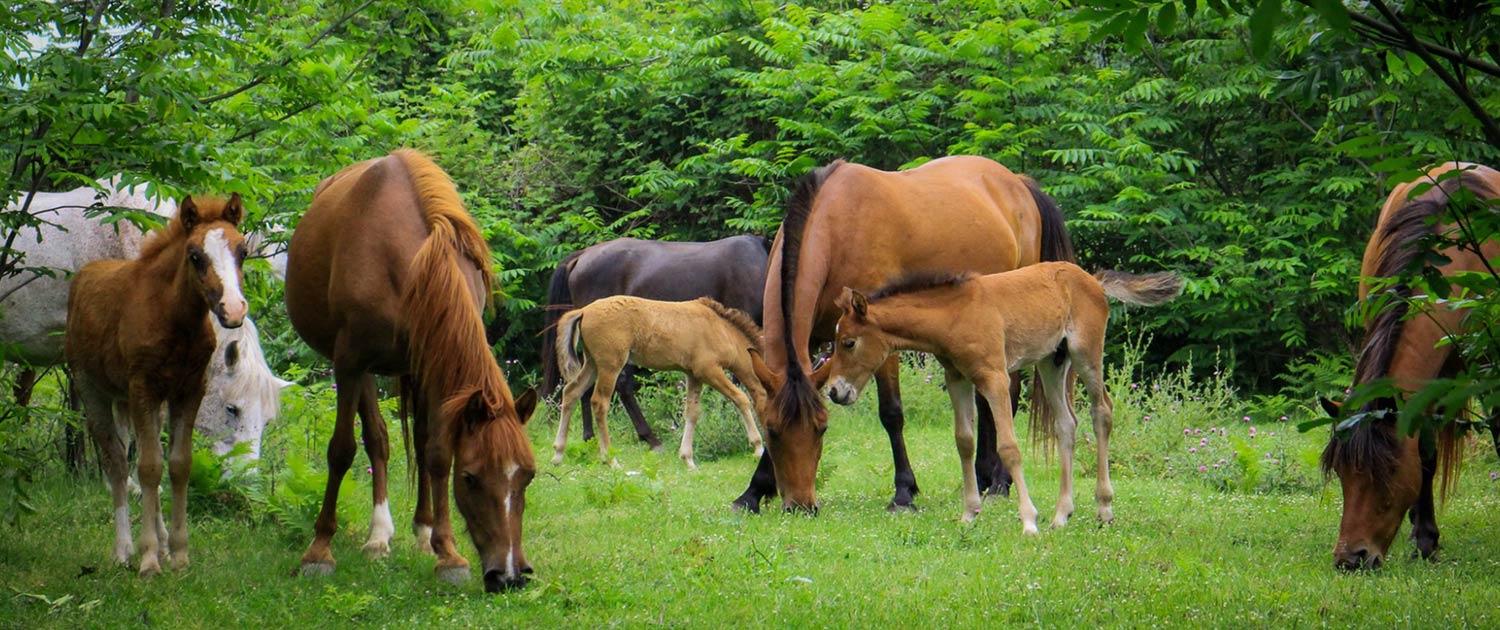
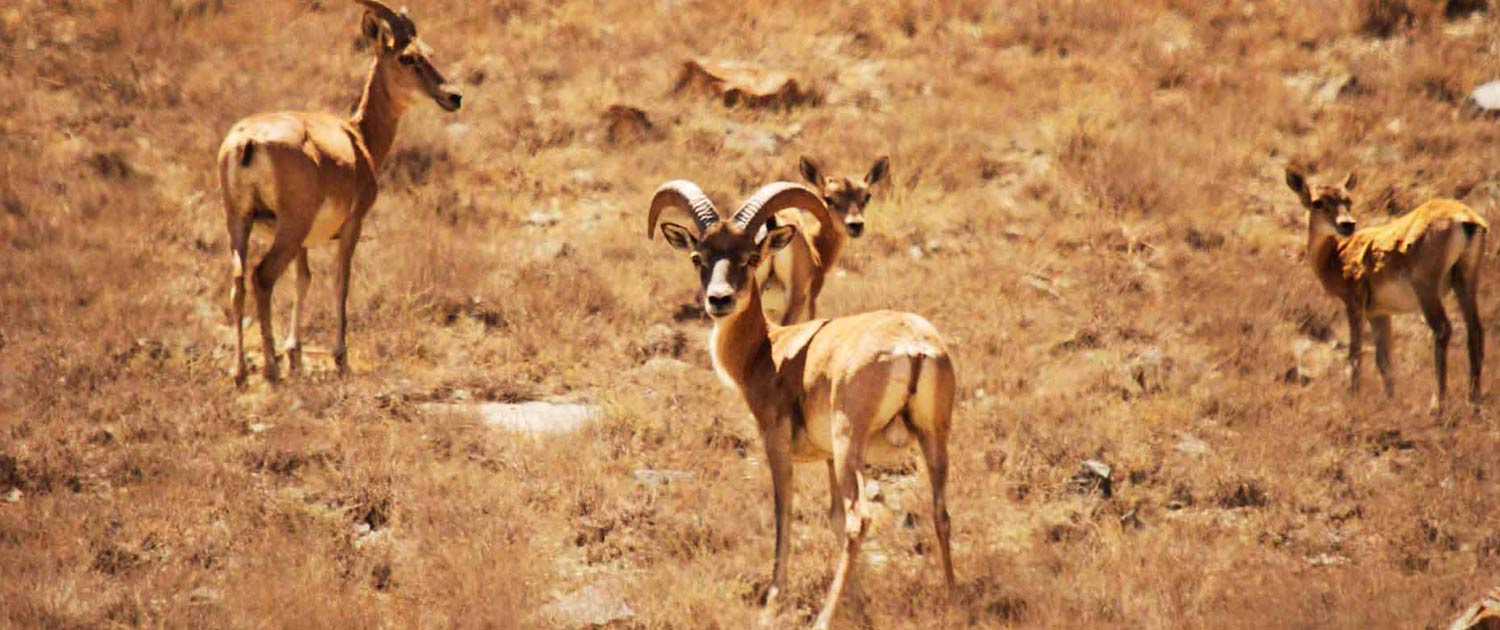
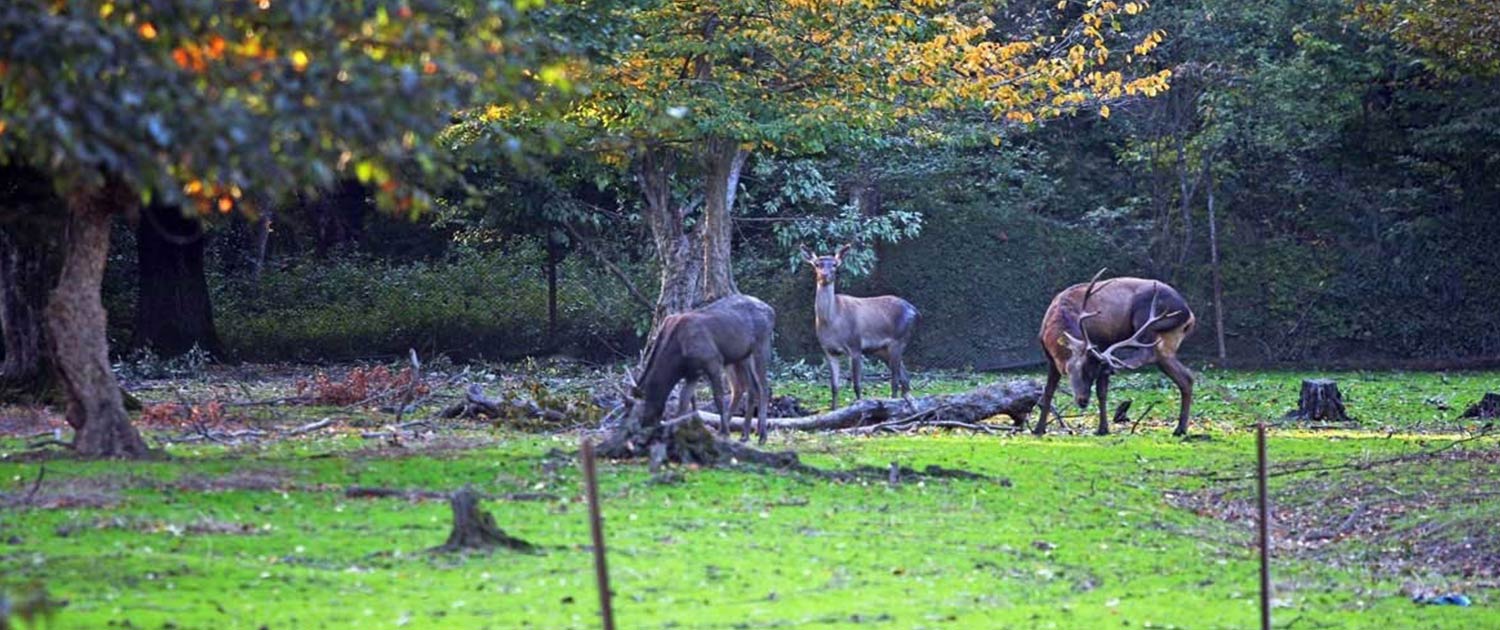
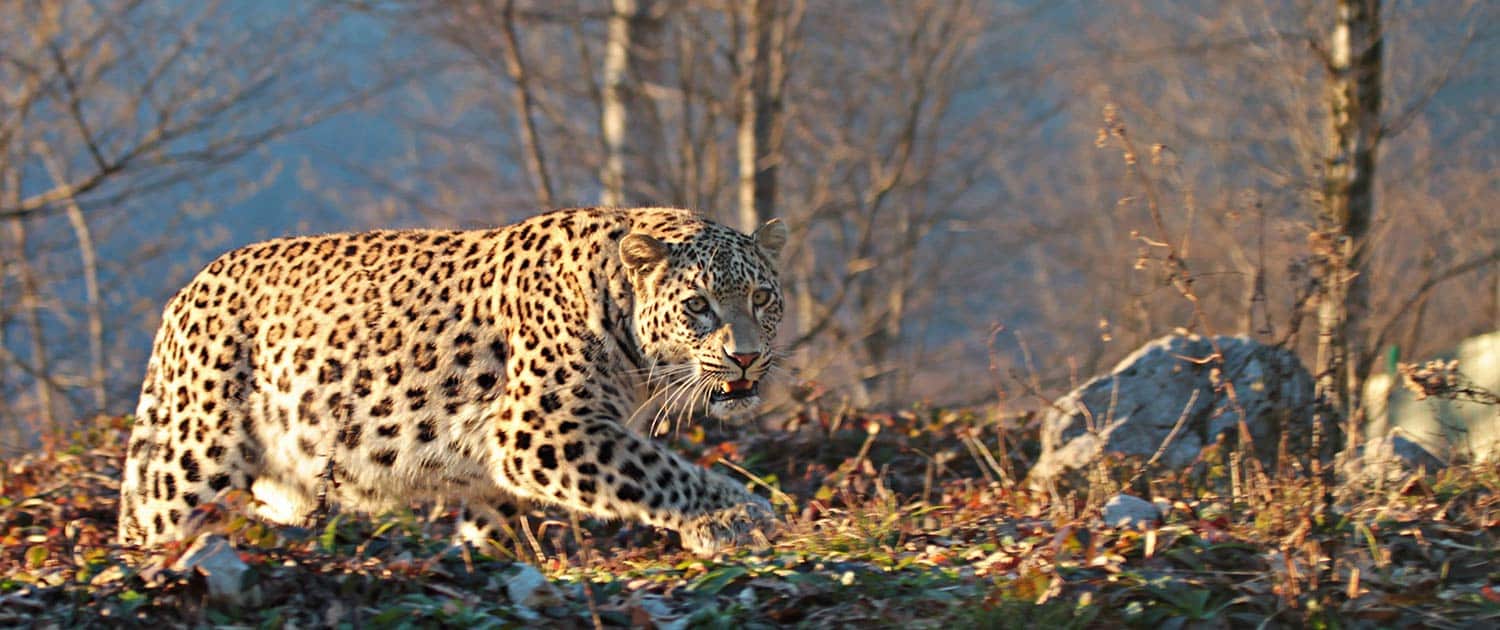
Golestan National Park protects a mosaic of forest, grassland and drier mountain habitats in northeastern Iran. The wider Golestan Biosphere Reserve was designated by UNESCO in 1976 and supports wildlife including Persian leopards, brown bears and numerous bird species. Wildlife sightings are never guaranteed. See the UNESCO biosphere reserve profile for ecological details.
Khaled Nabi
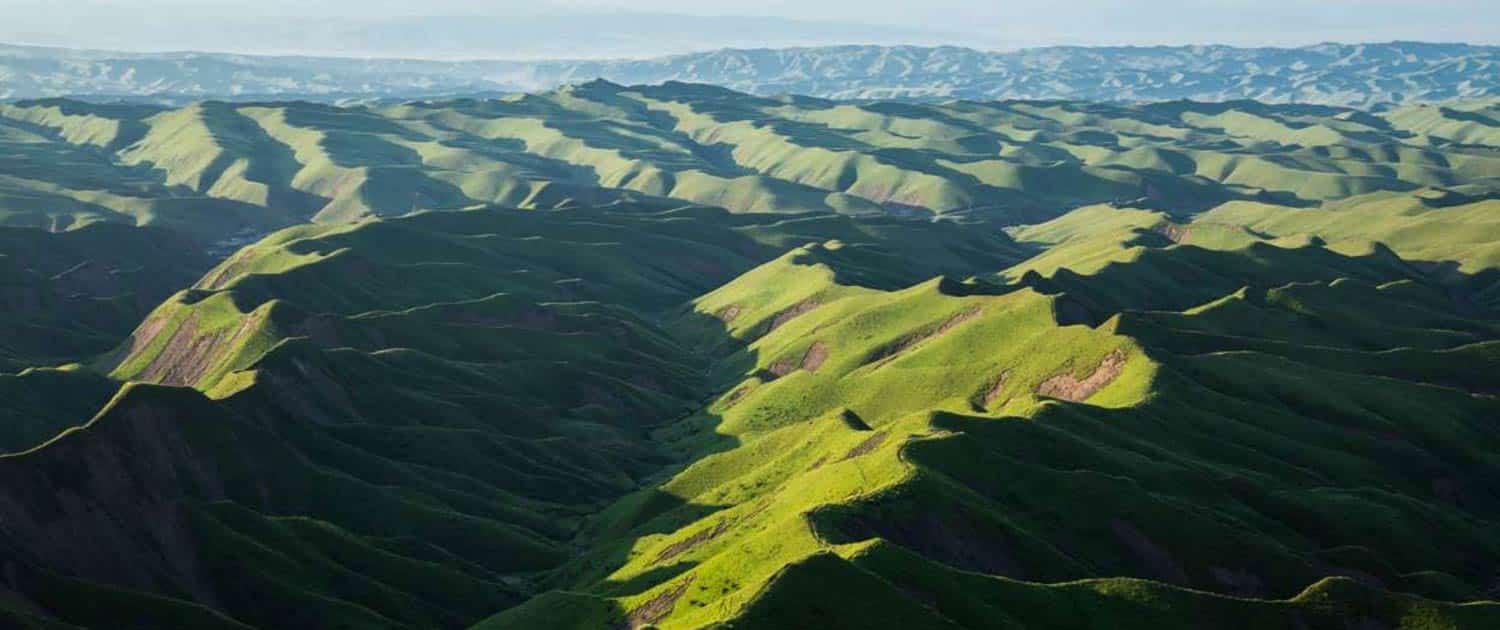
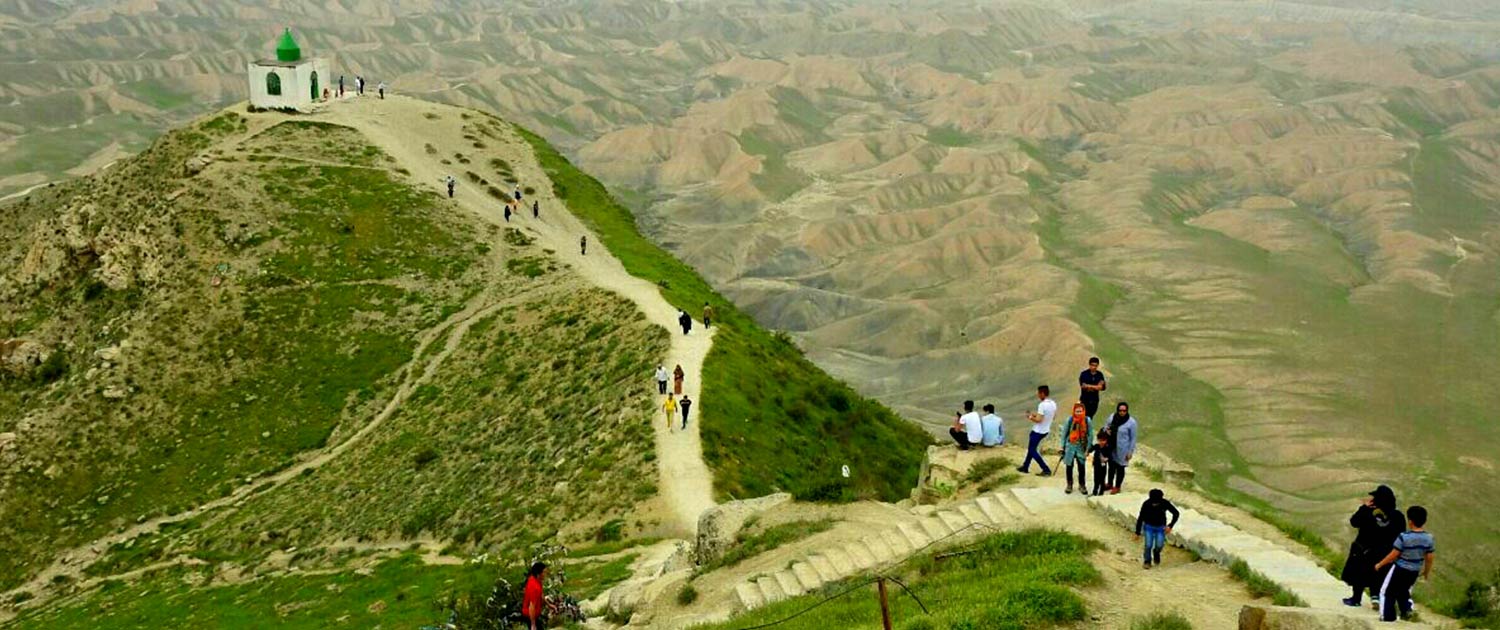
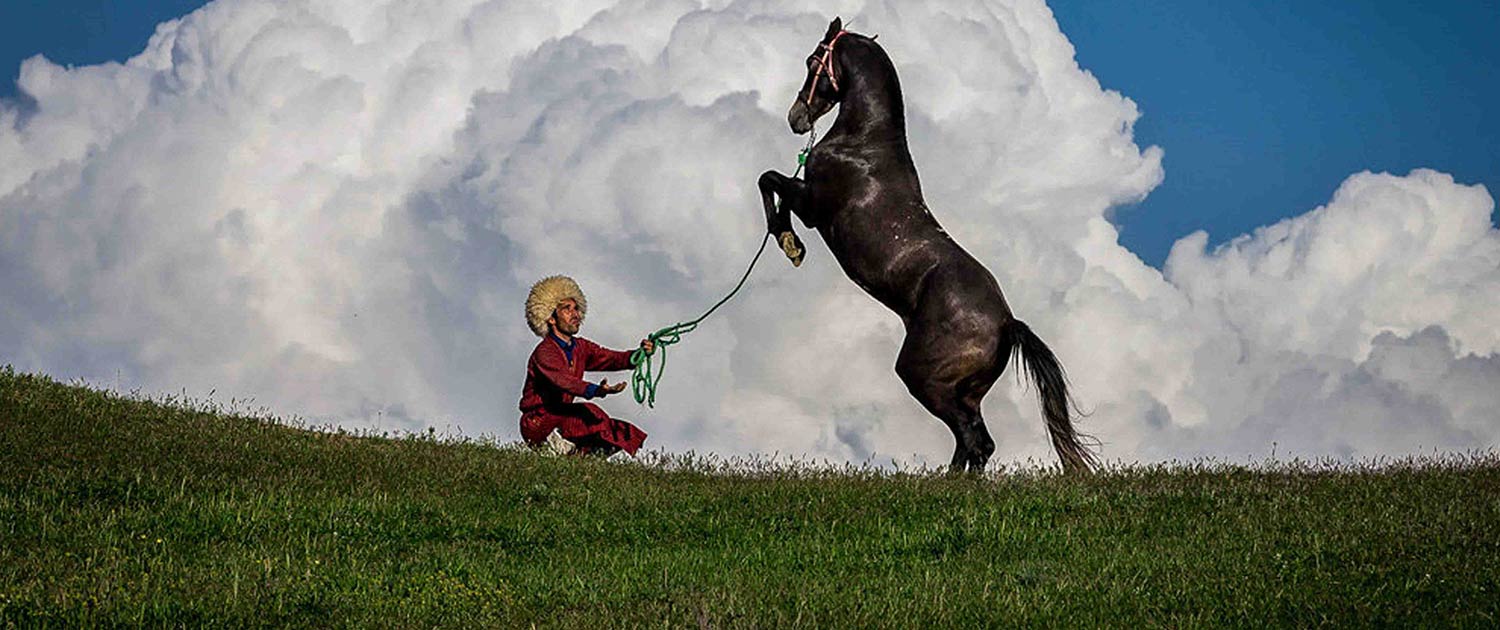
The Khaled Nabi site lies amid rolling hills near Iran’s border with Turkmenistan. A hilltop mausoleum and an unusual group of standing stone markers are associated with local traditions. The identity and interpretation of the stones should not be presented as settled archaeological fact. The surrounding viewpoints are a major part of the visit; respect the site and local customs.
Ashura-deh Island
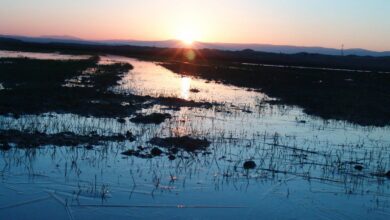
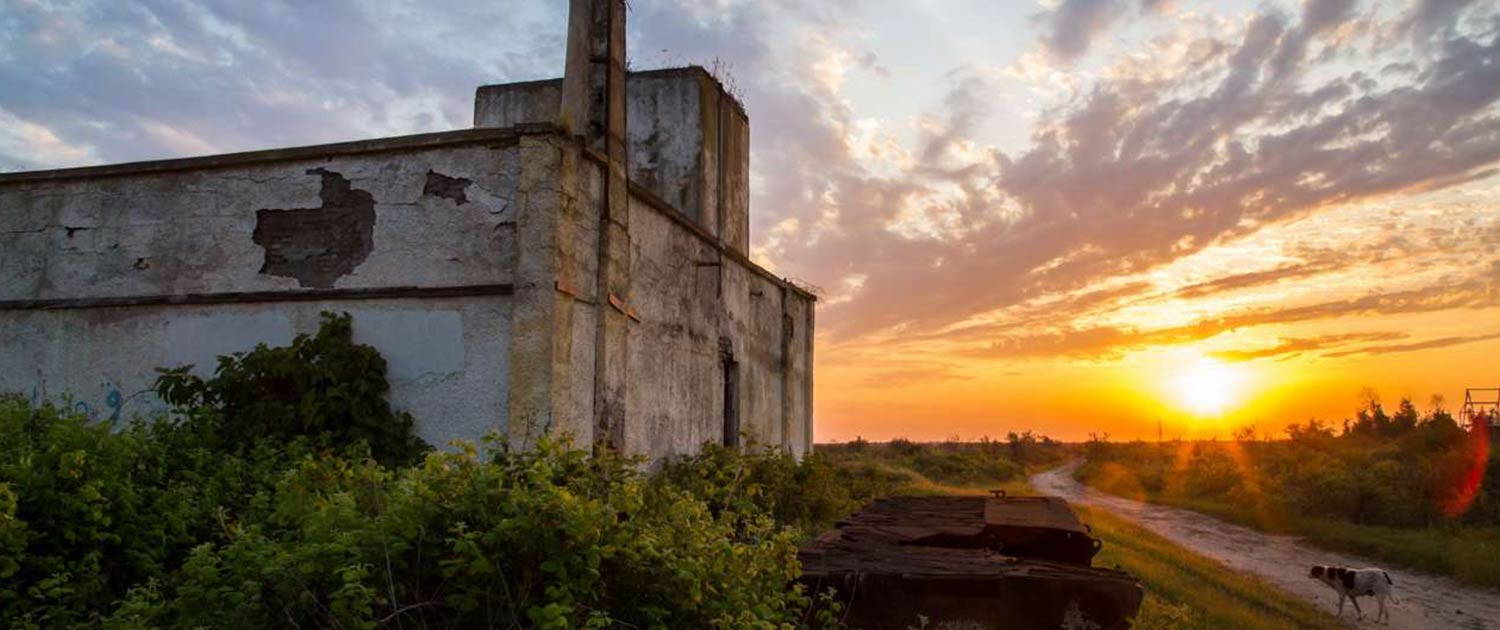
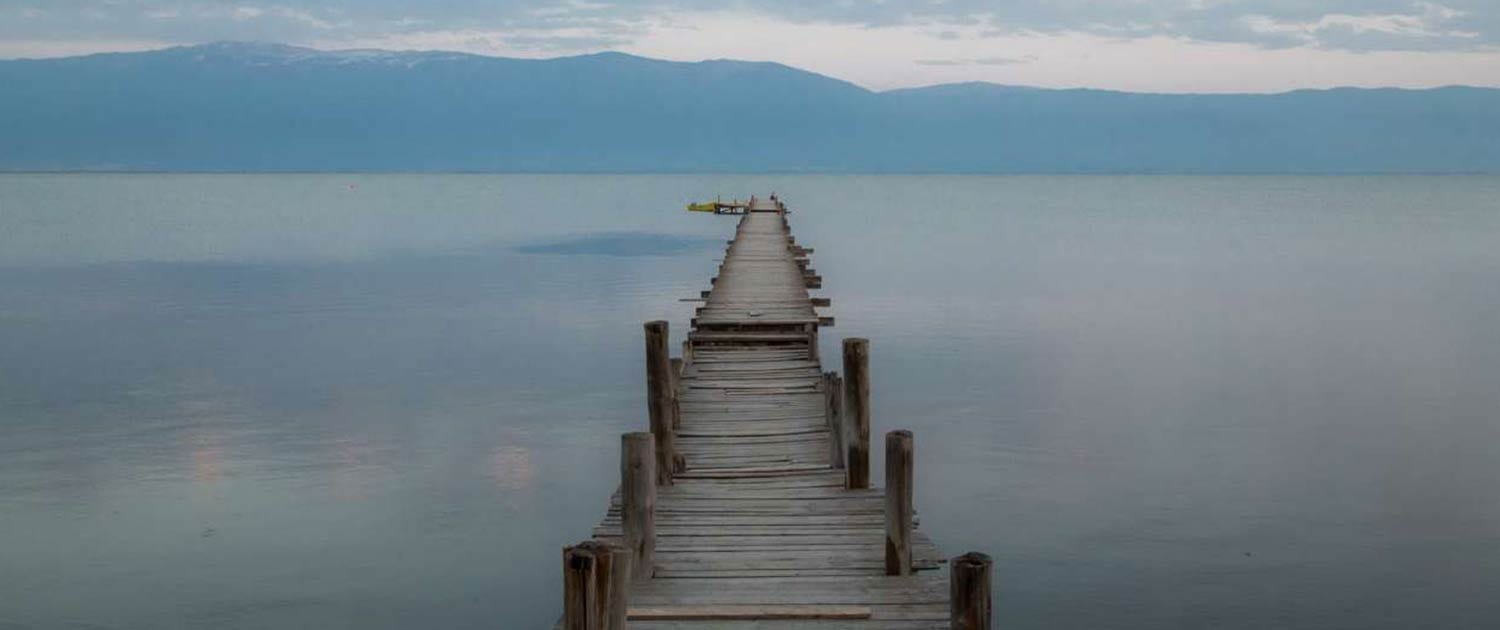
Ashuradeh is an island near the southeastern Caspian coast and Bandar-e Torkaman. It forms part of a sensitive coastal and wetland environment. Boat access and visitor arrangements can change, so check locally and avoid disturbing birds and shoreline habitats.
Alangdareh Forest Park
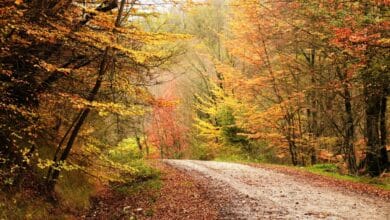
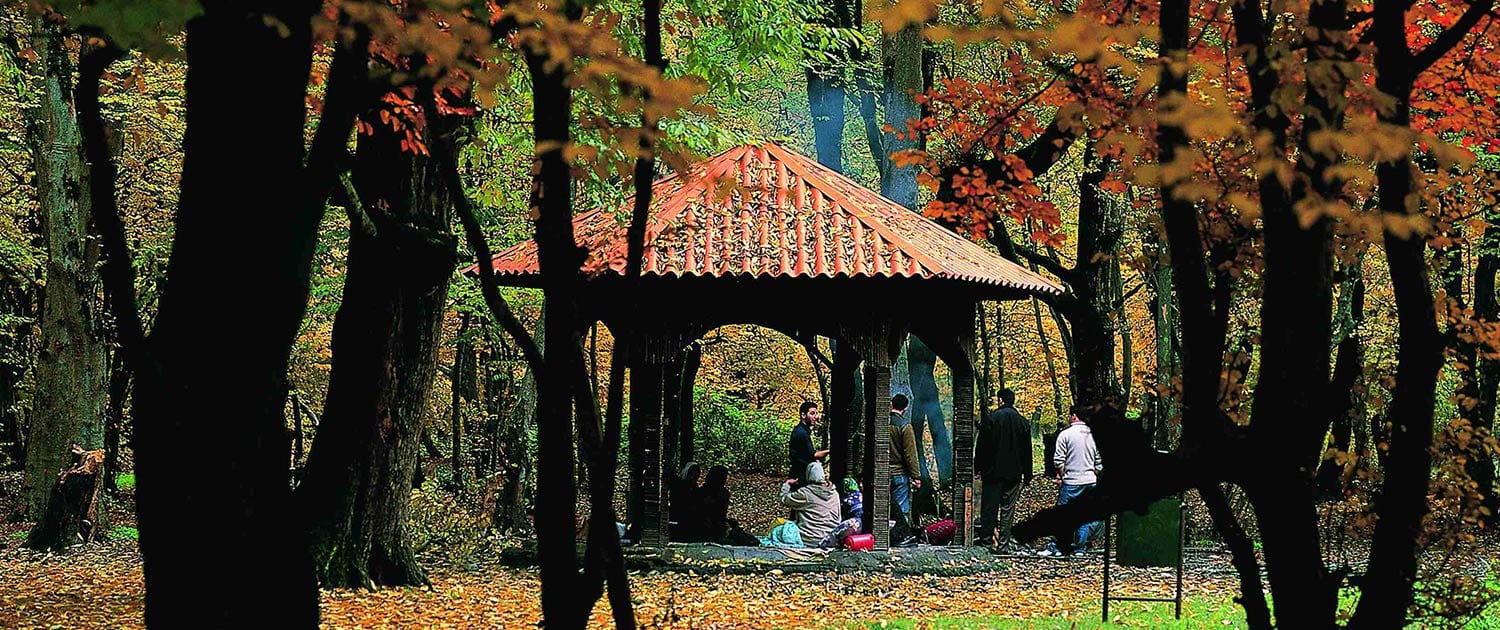
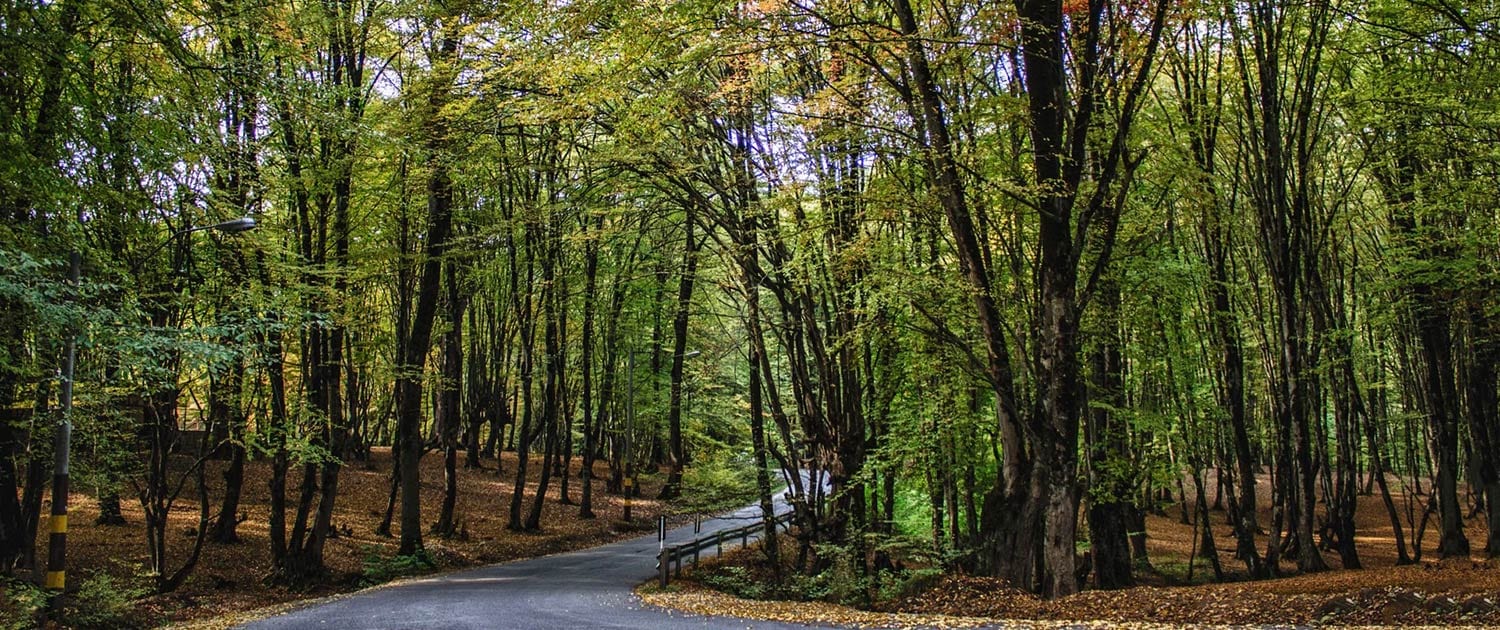
Alangdareh Forest Park near Gorgan is popular for walking among tall trees, especially when leaves change color in autumn. Follow designated paths and allow time for wet or slippery ground after rain.
Kaboud-Val Waterfall
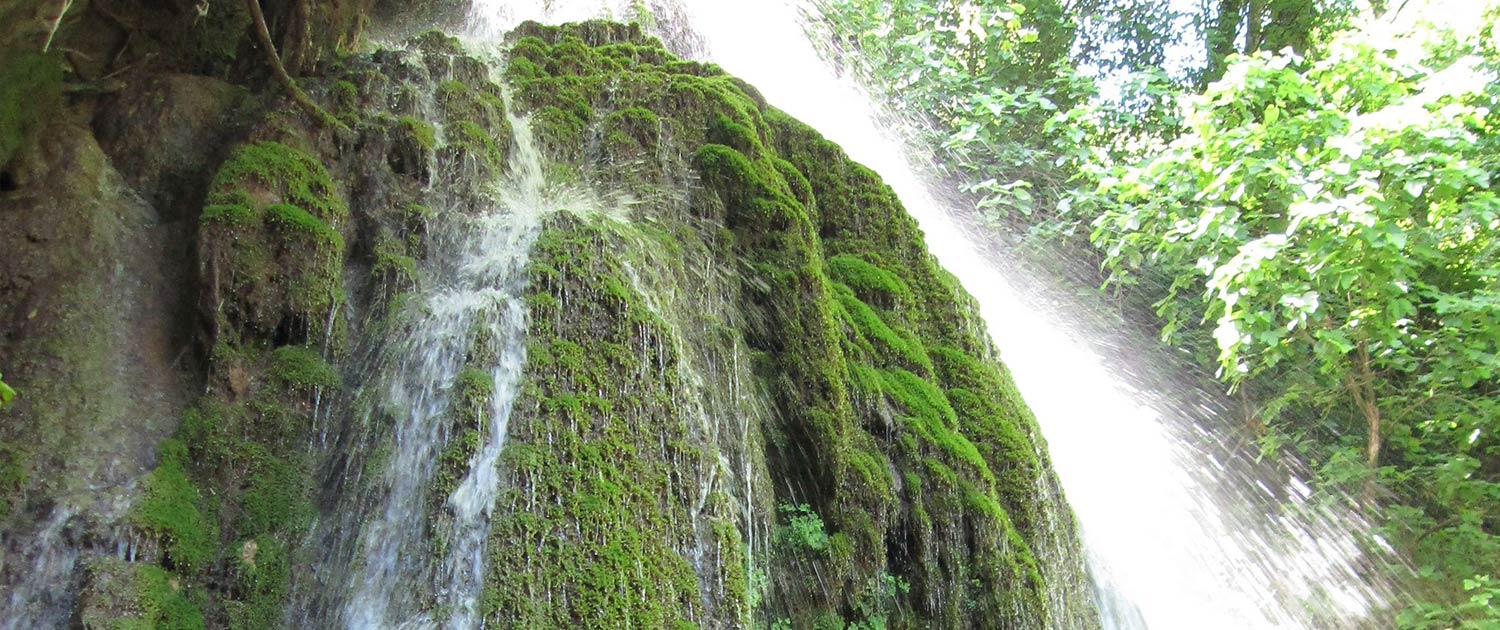
Kaboud-val Waterfall near Aliabad-e Katul is known for its moss-covered rocks and forest setting. The approach includes a walking trail, and surfaces can be slippery. Do not assume that untreated stream or waterfall water is safe to drink.
Jahan Nama Village
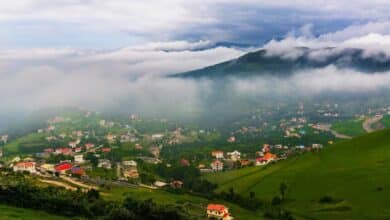
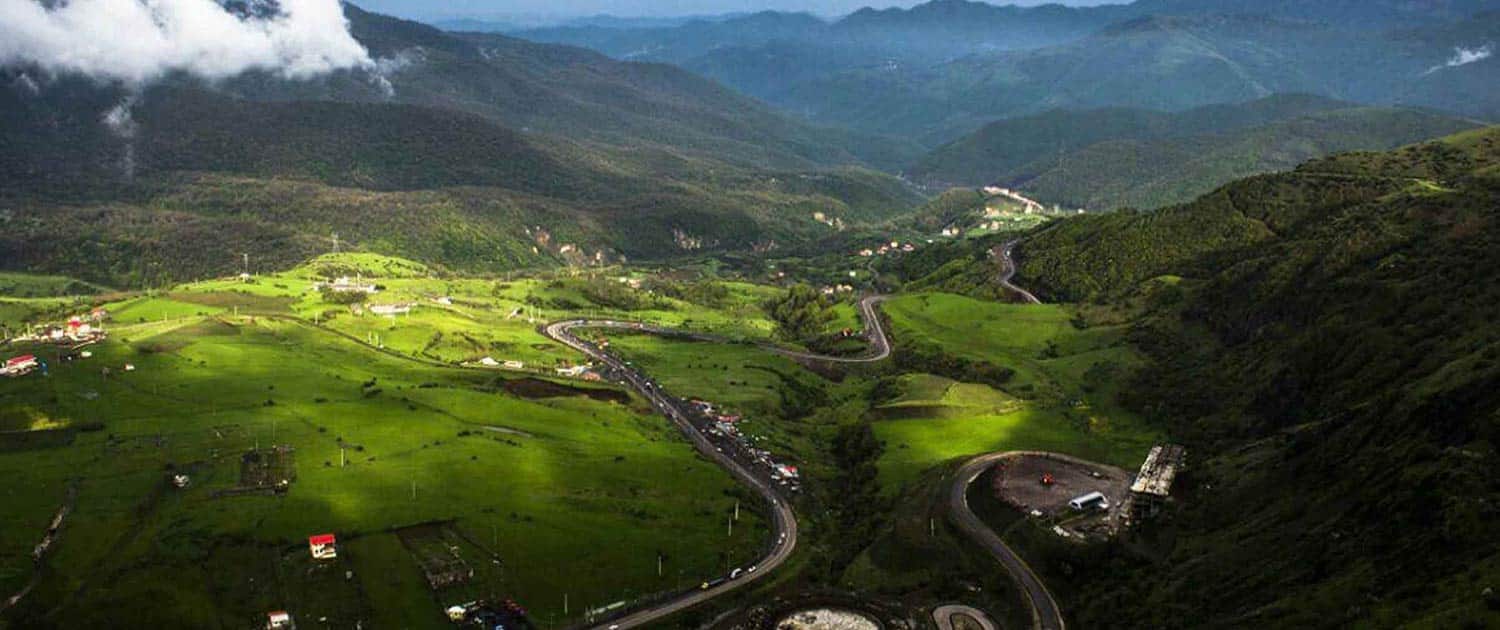
Jahan Nama is a protected upland landscape of forest, mountain meadows and villages. The wider Hyrcanian Forests are recognized by UNESCO for their ancient forest ecosystems and biodiversity. Claims of living tigers in these forests are inaccurate; visitors should follow conservation rules and keep a safe distance from wildlife.
Galikesh County
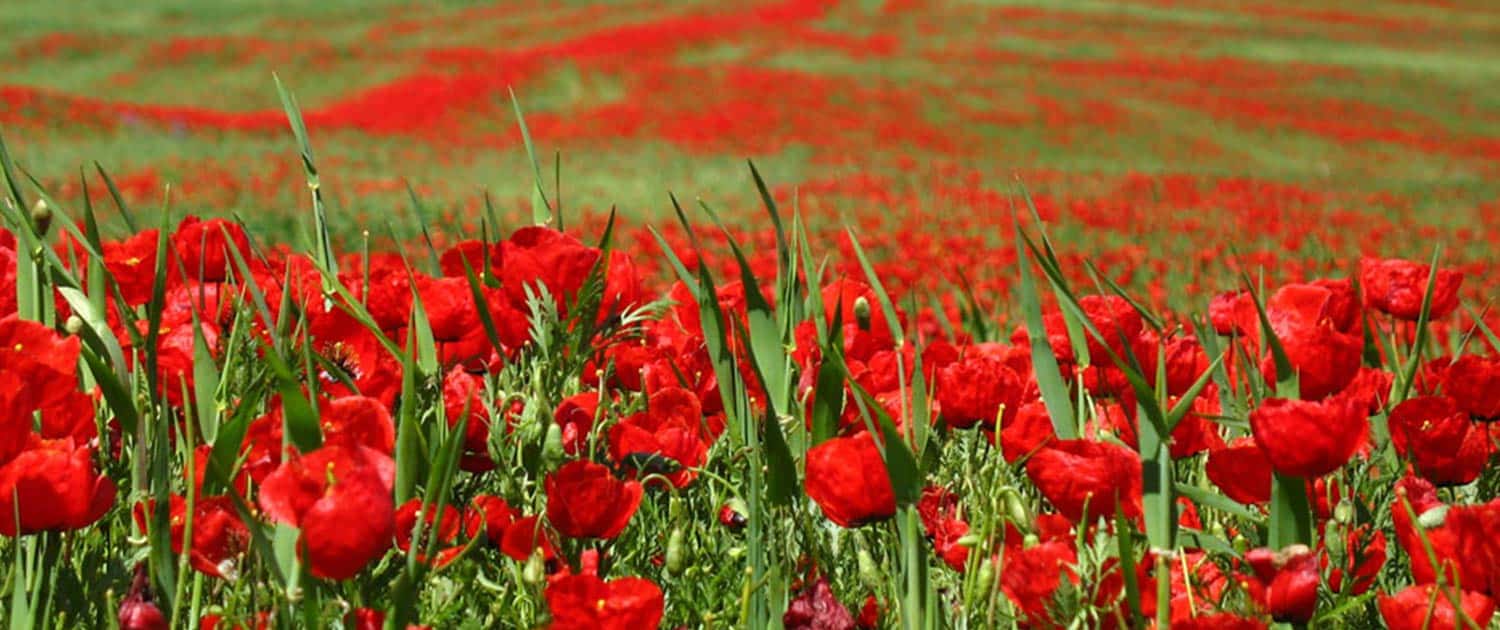
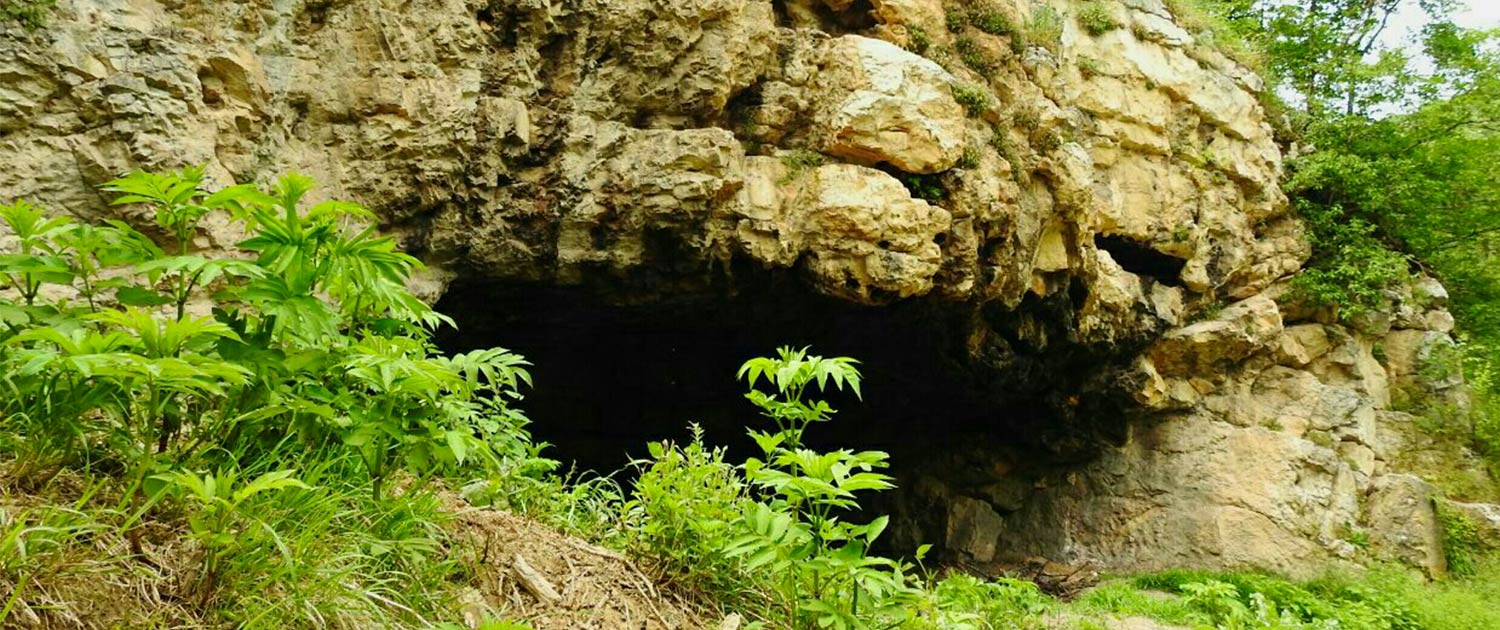
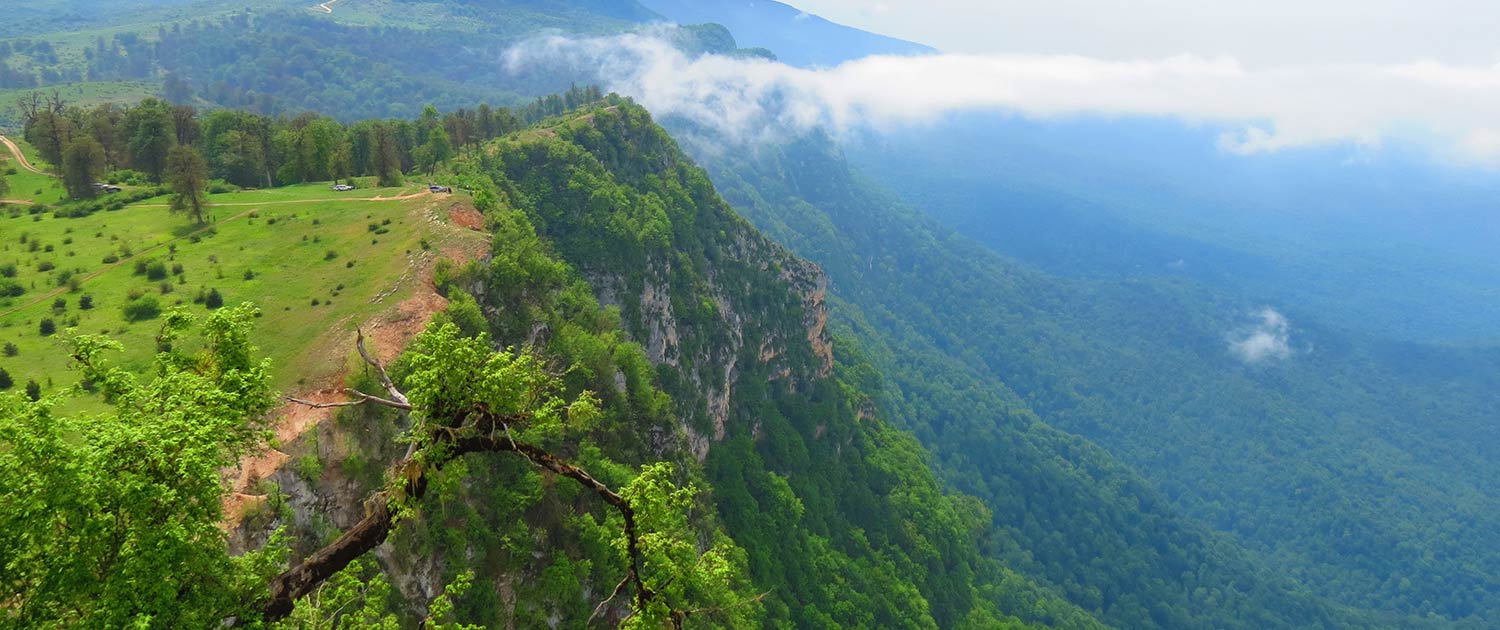
Galikesh County lies east of Gorgan near Golestan National Park. In suitable spring conditions, red wildflowers brighten parts of the countryside. Kiaram Cave is an archaeological locality in the area, but claims that it is the single oldest settlement in northern Iran need stronger evidence.