Iran’s coastlines, forests, mountains and deserts sometimes resemble landscapes thousands of kilometres away. The comparisons below highlight visual similarities, not identical geology, climate or conservation status.
From the Caspian forests to the Persian Gulf and the deserts of the interior, Iran spans a striking range of environments. This photo-led journey pairs eight Iranian landscapes with places abroad, while explaining what makes each one distinctive.
Contents
Desert Meeting the Ocean
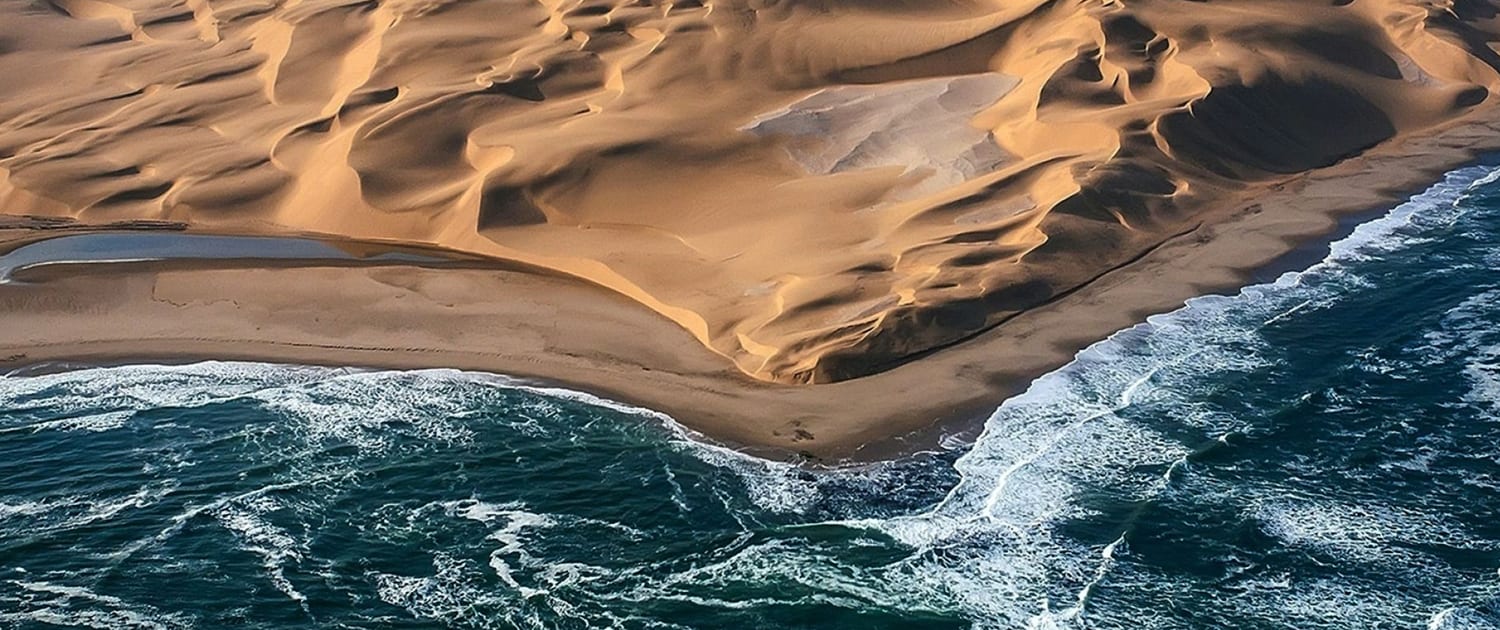
Darak Beach, on Iran’s southeastern coast in Sistan and Baluchestan, is known for the meeting of sandy terrain and the Gulf of Oman. The Namib Desert on Africa’s southwestern Atlantic coast offers a memorable visual comparison, although the two coastlines have different environmental histories.
Cloud Forest
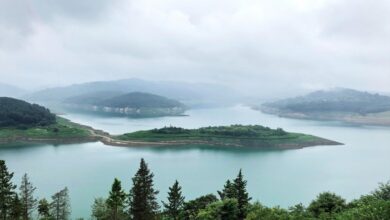
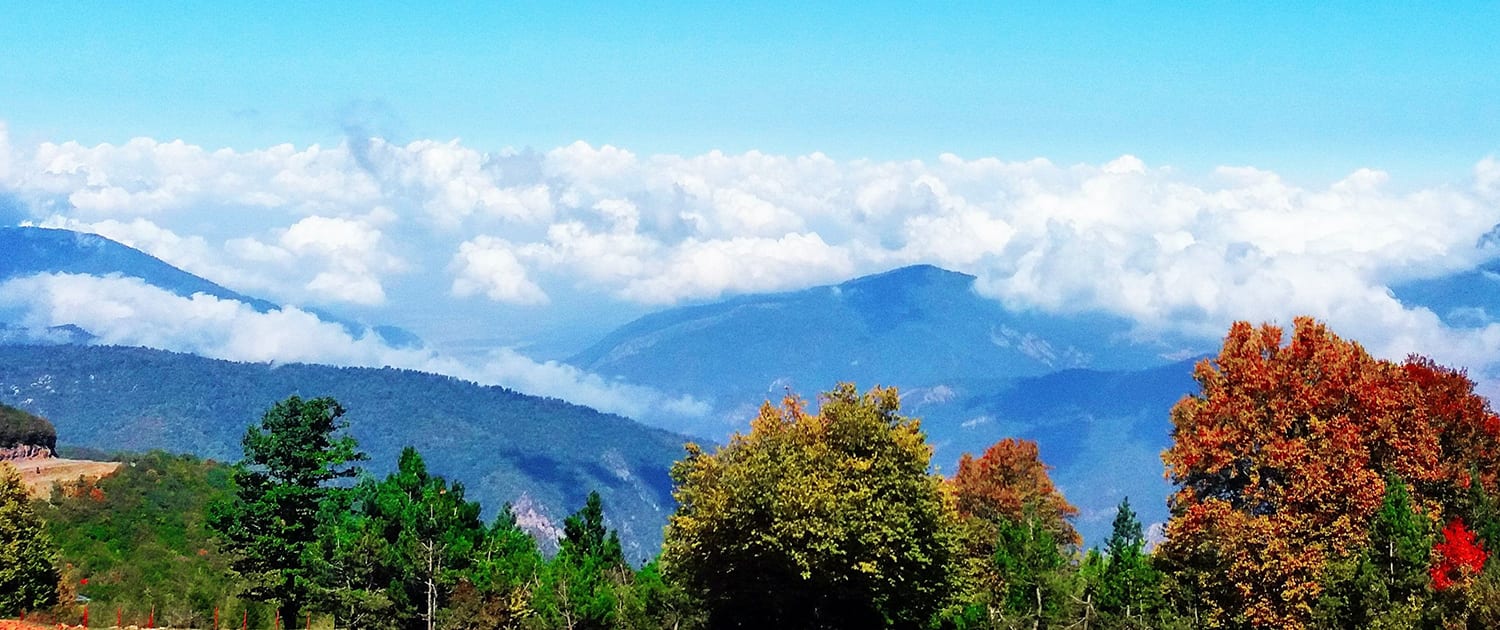
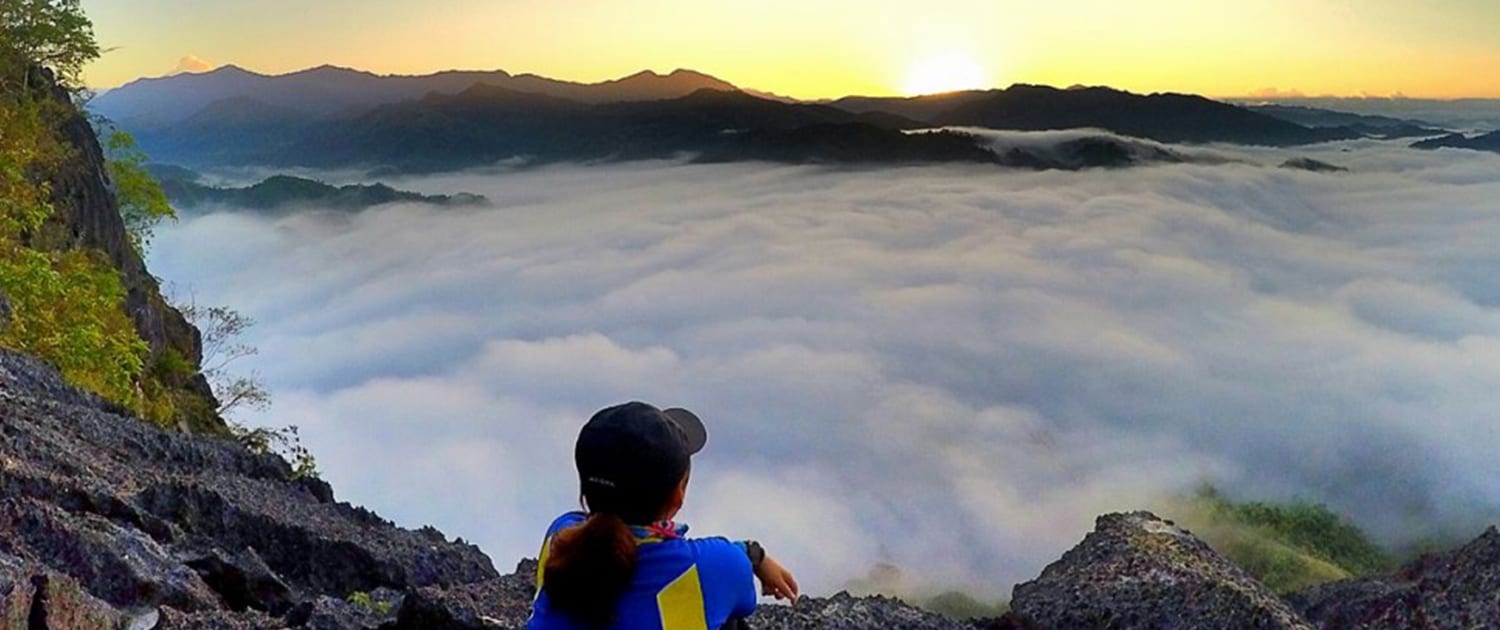
Near Shahroud in Semnan Province, Jangal-e Abr (Cloud Forest) is known for mist and low cloud drifting across forested mountain slopes. A cloud-filled mountain view in the Philippines may look similar in a photograph, but the ecosystems and terrain are not the same.
Rainbow Mountains
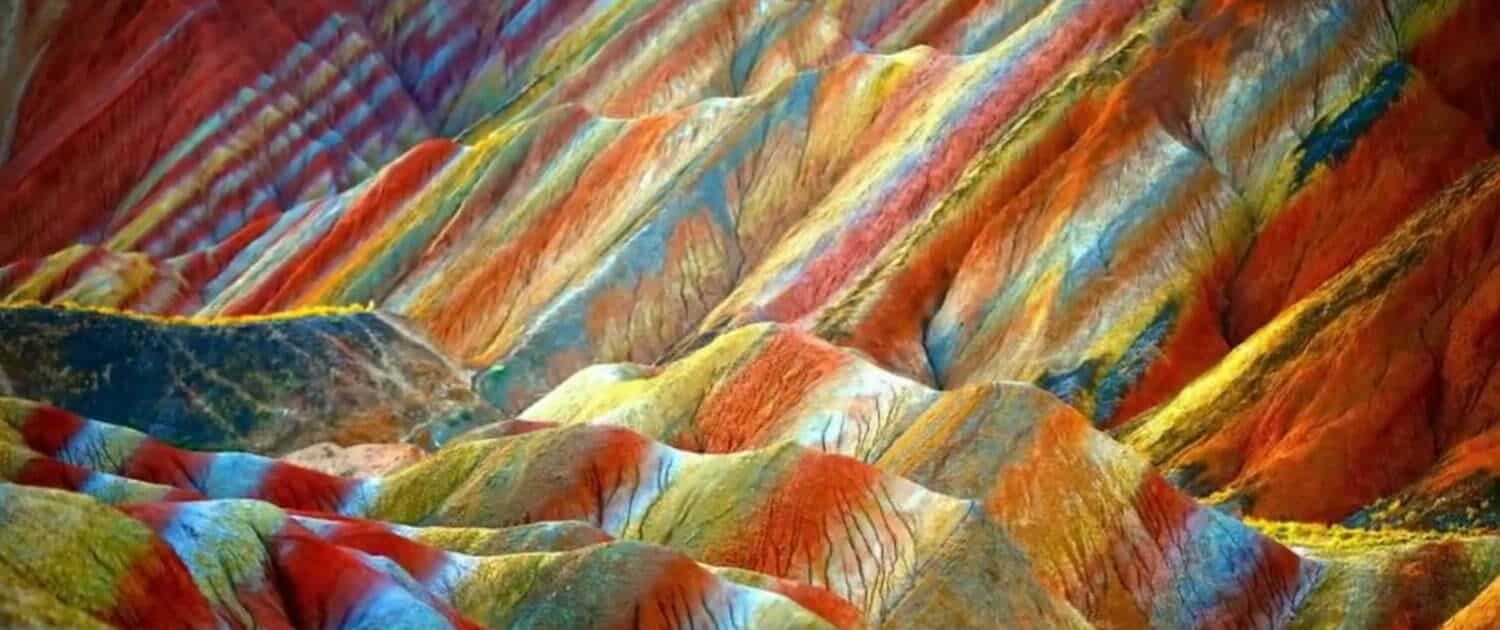
The multicoloured Aladaghlar hills near Mahneshan in Zanjan Province show bands of differently coloured sedimentary rock. China’s Zhangye UNESCO Global Geopark is another celebrated landscape of colourful strata, shaped by its own geological history.
Golden Beach
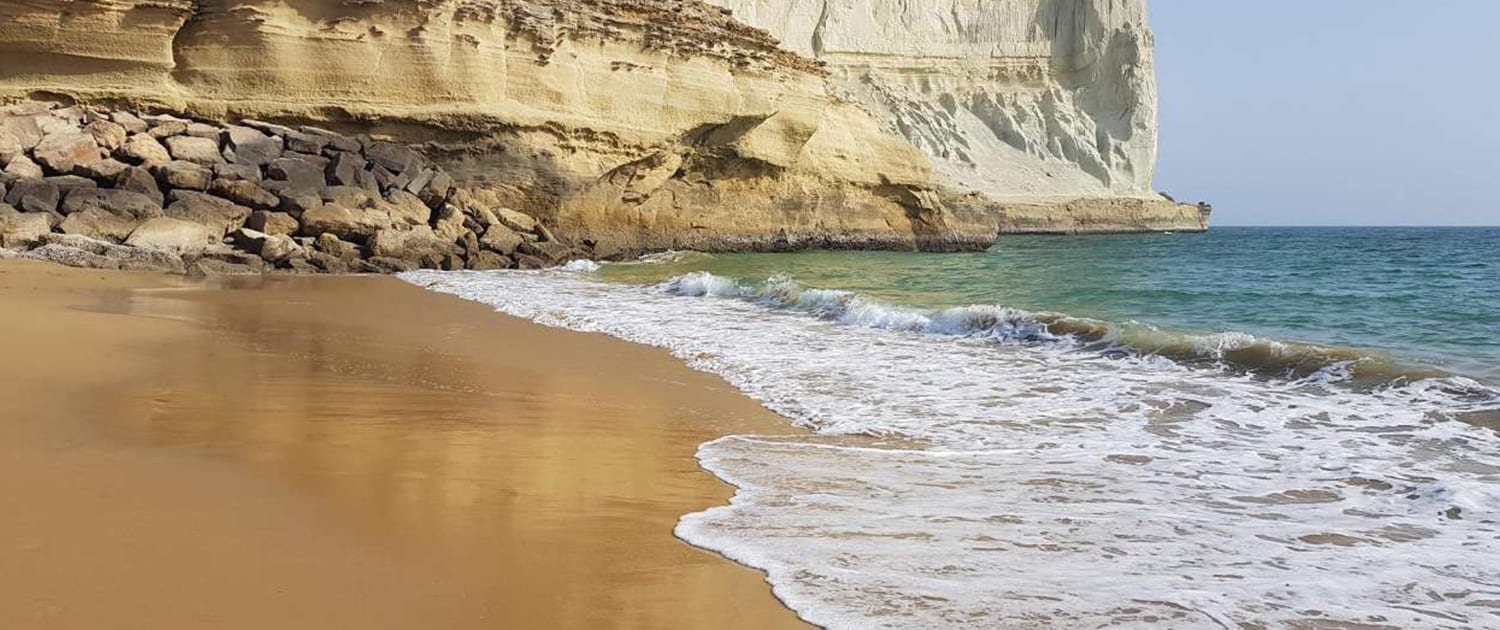
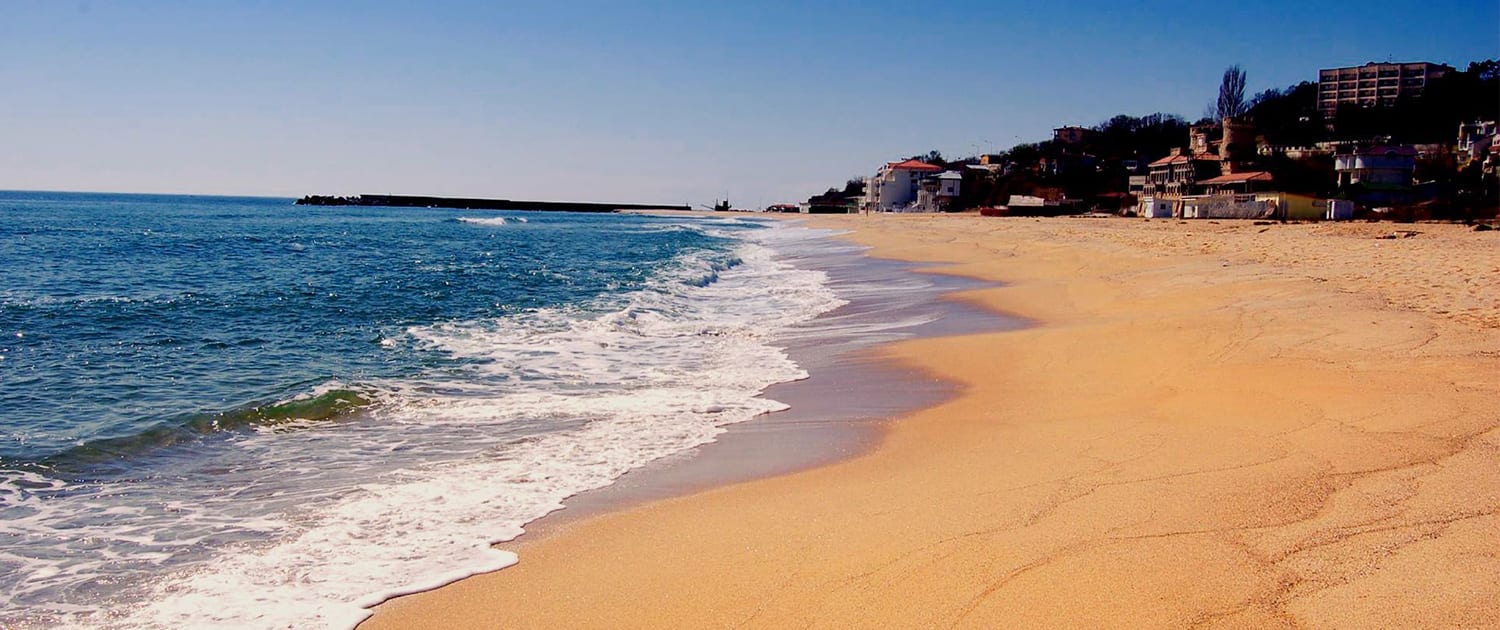
Around Chabahar, stretches of sandy coastline offer a warm-water counterpart to the beach scenery of Bulgaria’s Black Sea coast. The resemblance is mainly visual; seasonal weather and coastal conditions differ substantially.
Martian Mountains
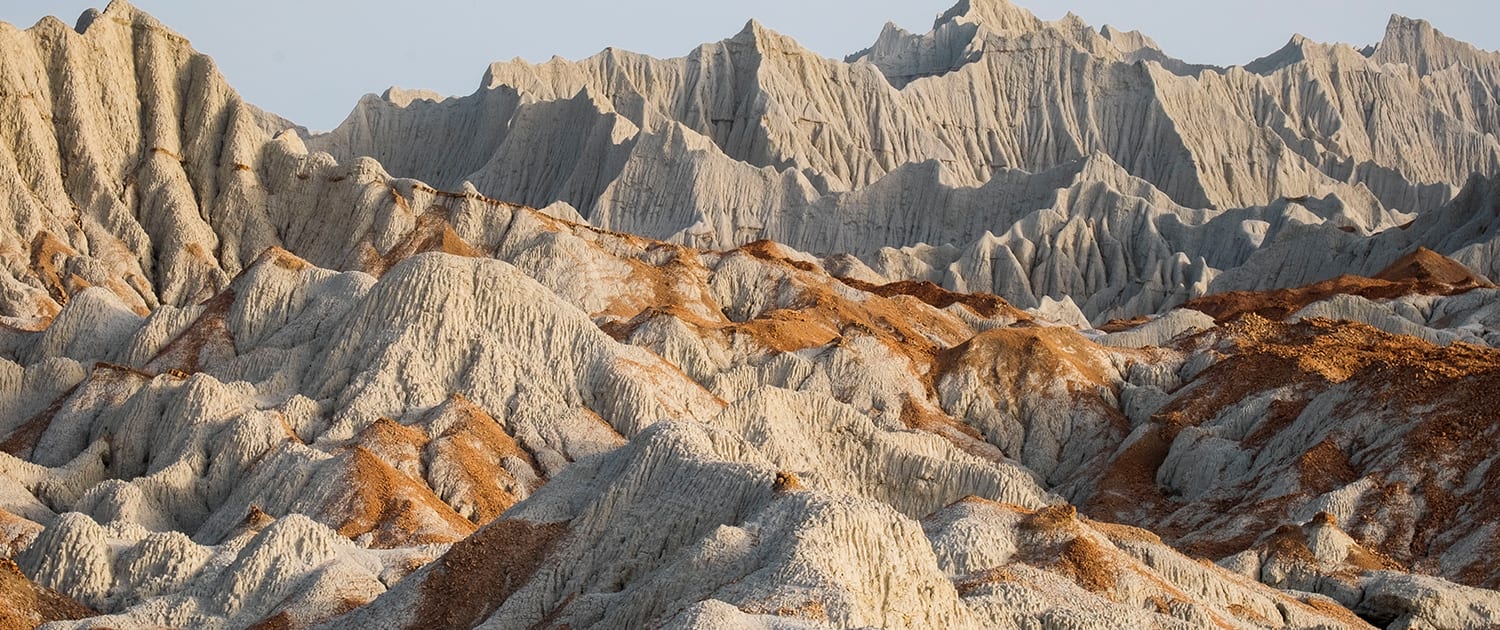
The eroded ridges and badlands near Chabahar are often nicknamed the Martian Mountains because of their otherworldly shapes. Parts of Chile’s Atacama Desert evoke a similar impression, but neither landscape should be treated as a geological duplicate of the other.
Stonewalls Canyon
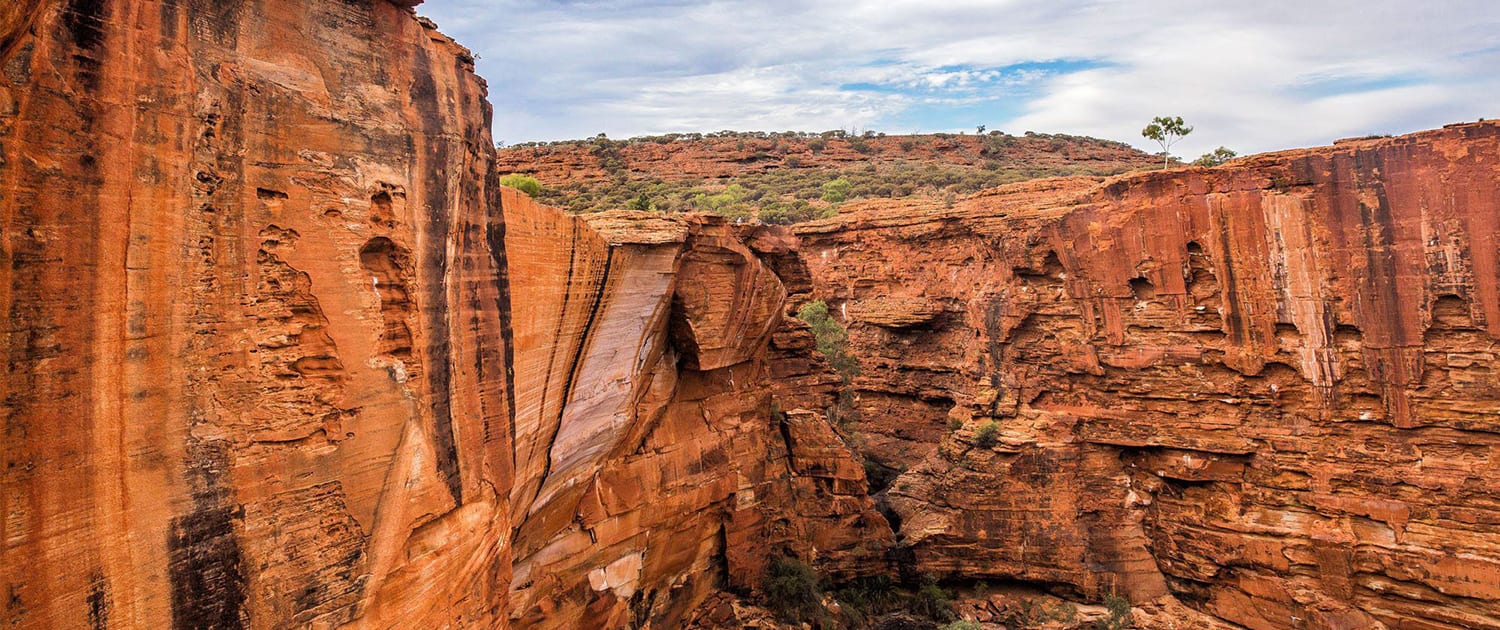
Shirez Canyon in Lorestan is known for steep rock walls and a narrow, dramatic valley. Australia’s Kings Canyon offers a useful visual contrast, with its own distinctive sandstone formations. Visitors should check local access and trail conditions at either site.
Pink Lake
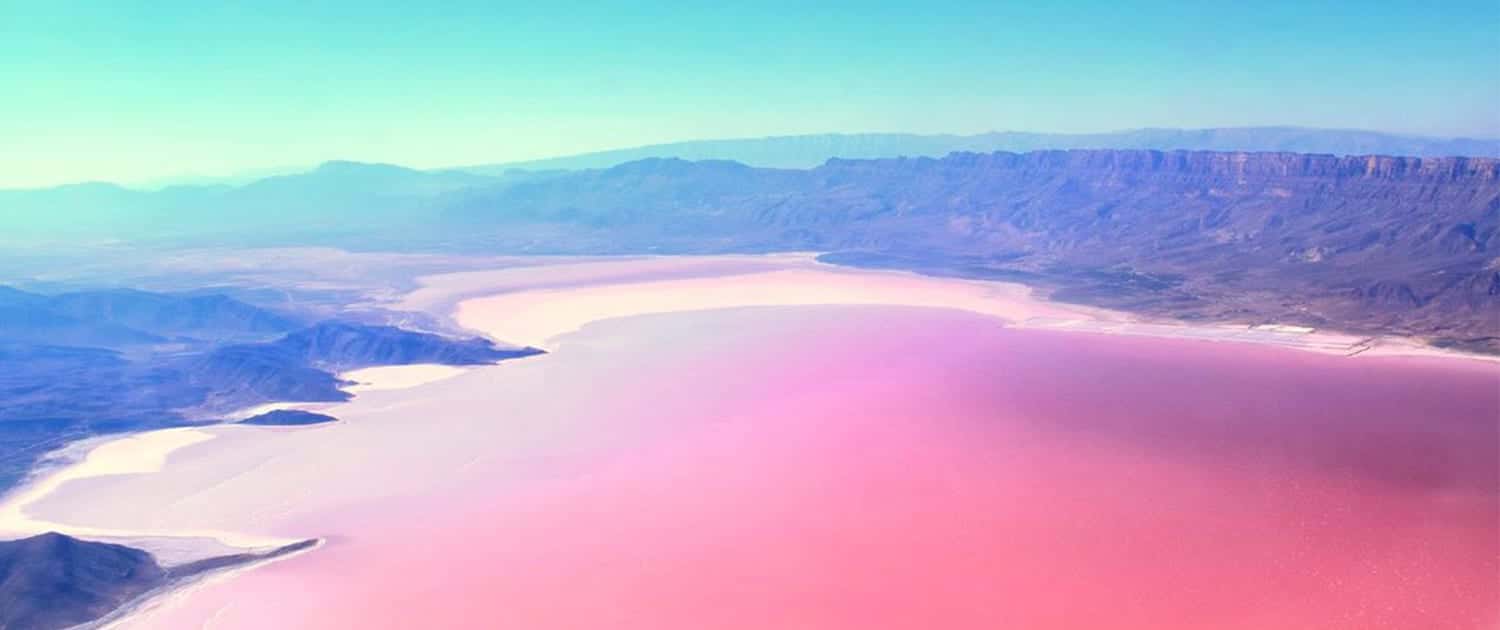
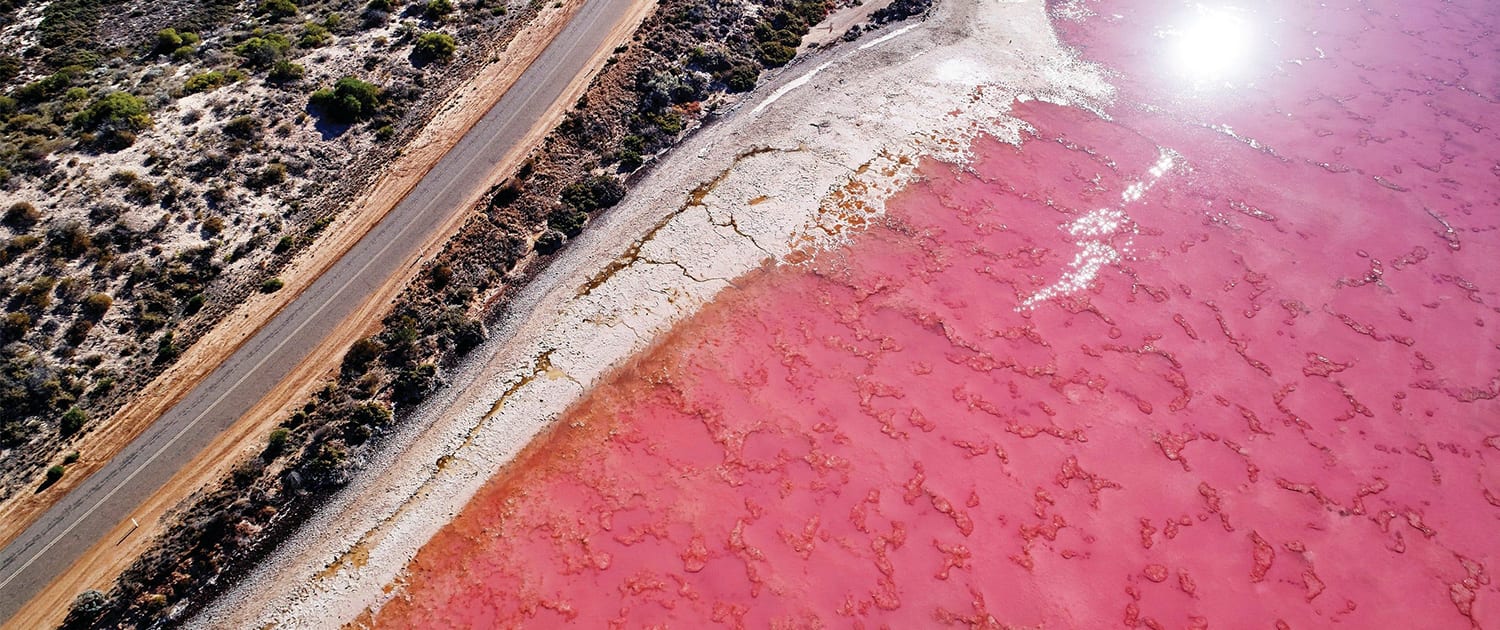
Maharloo Lake near Shiraz can develop pink or reddish tones under certain saline and biological conditions. Some Australian salt lakes display comparable colours. The appearance of any such lake changes with water levels, season and conditions, so photographs are not a promise of what visitors will see.
Desert Yardangs
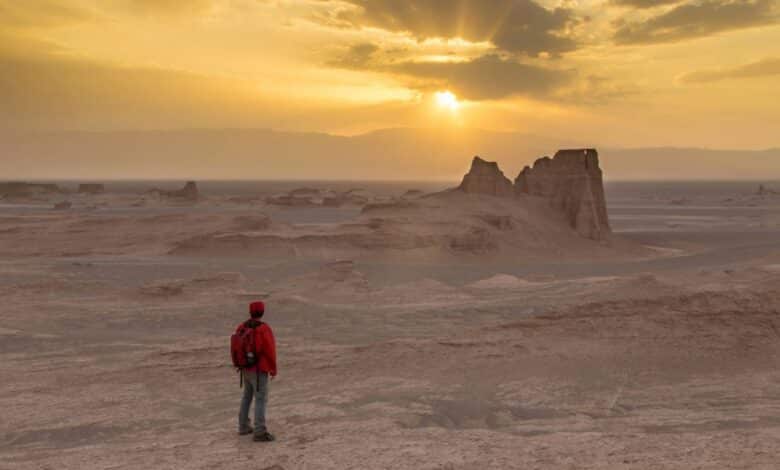
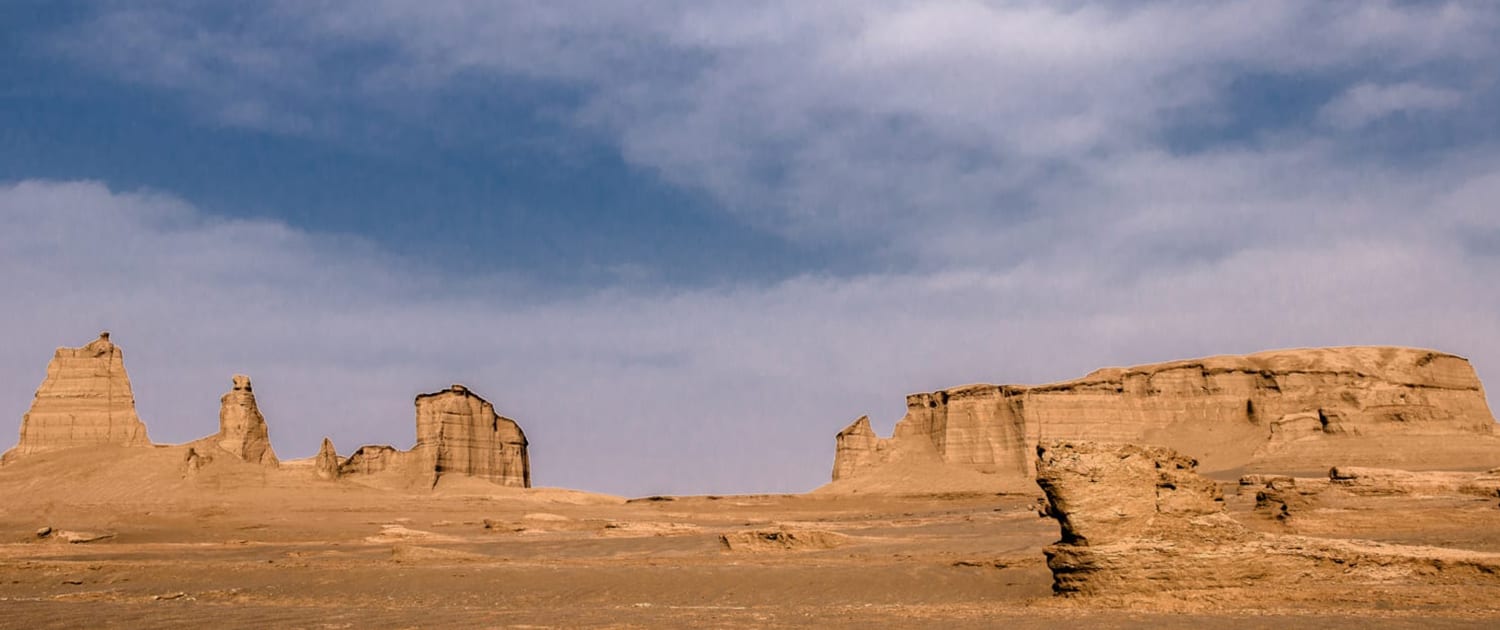
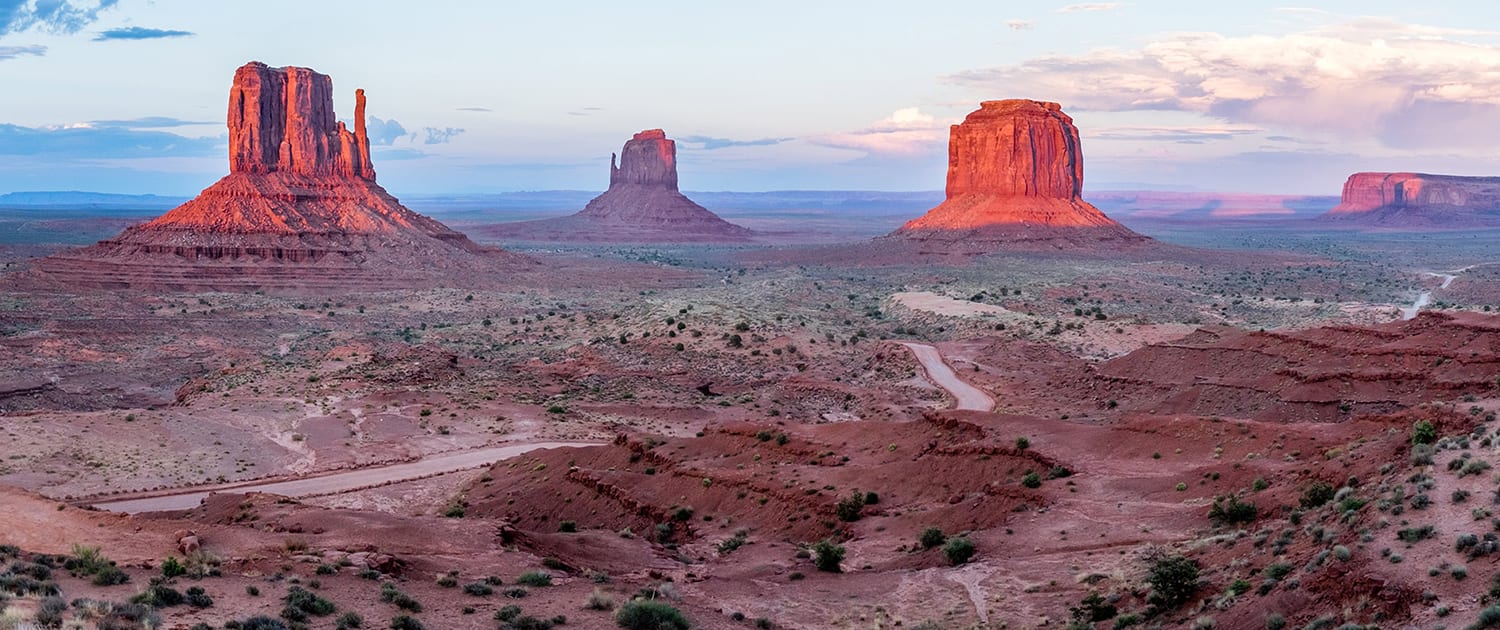
The UNESCO-listed Lut Desert contains extraordinary yardangs, or kaluts, carved by wind-driven erosion. Eroded rock landscapes in the American Southwest may suggest a visual parallel, but their rock types and formation processes should be considered separately.
A Note on the Comparisons
These pairings are visual invitations to explore. They do not imply that the locations share the same geology, ecological protection or visitor facilities. Always check local access and environmental guidance before visiting sensitive landscapes.