Visitor status: The Treasury has had periods of closure and restricted access. Because opening arrangements can change, confirm the latest status with the Central Bank of Iran before travelling to the museum. Do not rely on older opening hours or ticket prices.
Tehran’s Treasury of National Jewels, administered by the Central Bank of Iran, preserves royal regalia, gemstones and ceremonial objects associated with several periods of Iranian history. The collection includes crowns, thrones, jewellery and gem-set objects that once formed part of the royal treasury.
Contents
History of the National Jewels
The collection reflects centuries of royal collecting, diplomacy, warfare and craftsmanship. Safavid rulers assembled gemstones and luxury objects from Iran and beyond. After the fall of the Safavid state, parts of the treasury were dispersed. Nader Shah’s eighteenth-century campaigns in India later brought major gemstones and objects into the Iranian royal treasury.
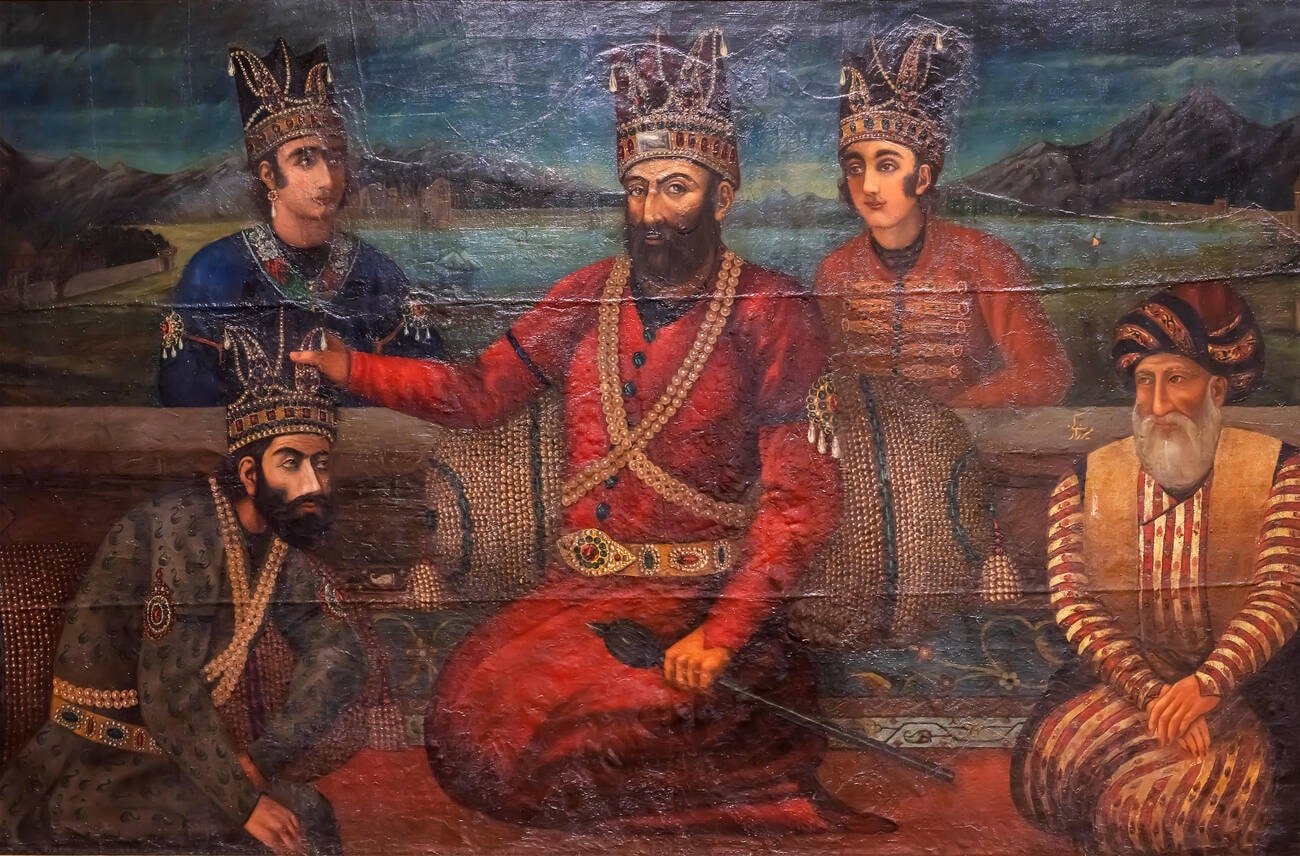
Qajar and Pahlavi rulers continued to use and expand the collection. In the twentieth century, the jewels were placed under the custody of Iran’s central banking institutions and became associated with the country’s monetary reserves.
Highlights of the Collection
Darya-ye Noor Diamond
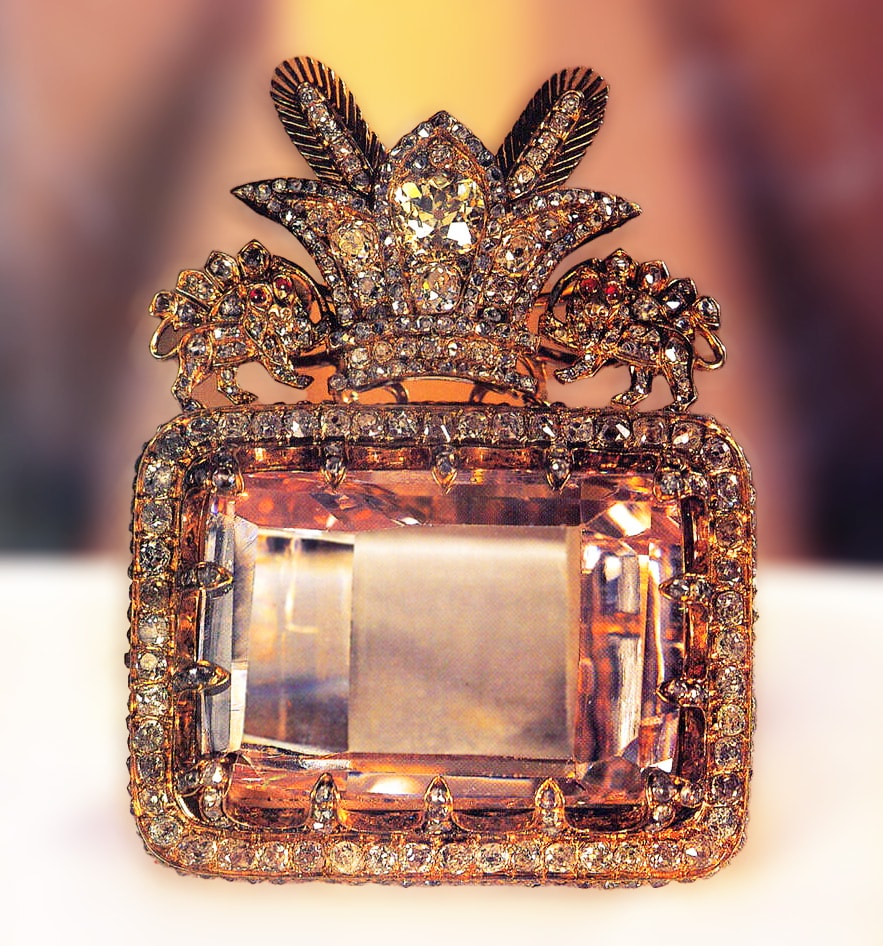
The pale-pink Darya-ye Noor, whose name means “Sea of Light,” is among the treasury’s most famous diamonds. Historical accounts connect it with gemstones brought to Iran following Nader Shah’s campaign in India.
Samarian Spinel
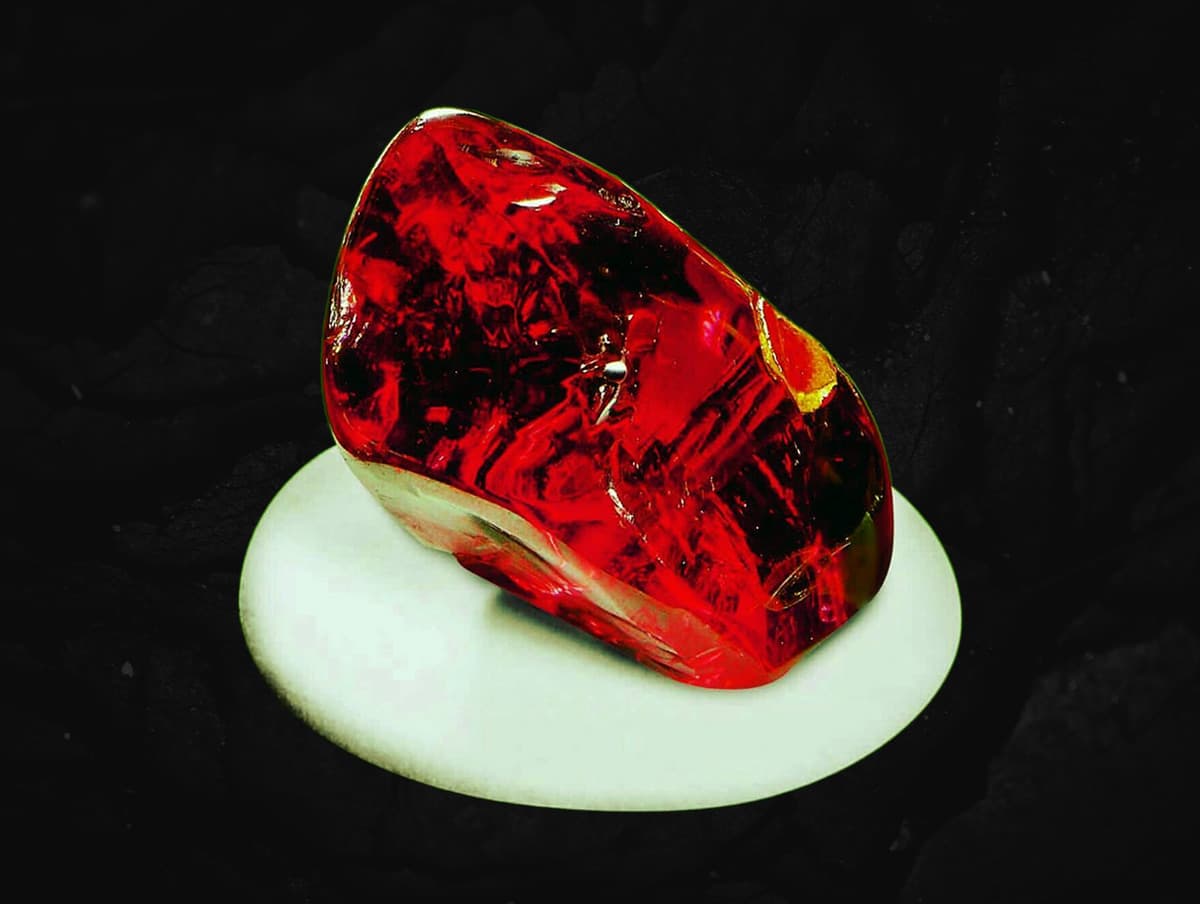
The Samarian Spinel is an exceptionally large historic spinel, traditionally described as weighing about 500 carats. Its long provenance and inscriptions link it to the wider history of royal collections in Iran and South Asia.
Sun Throne
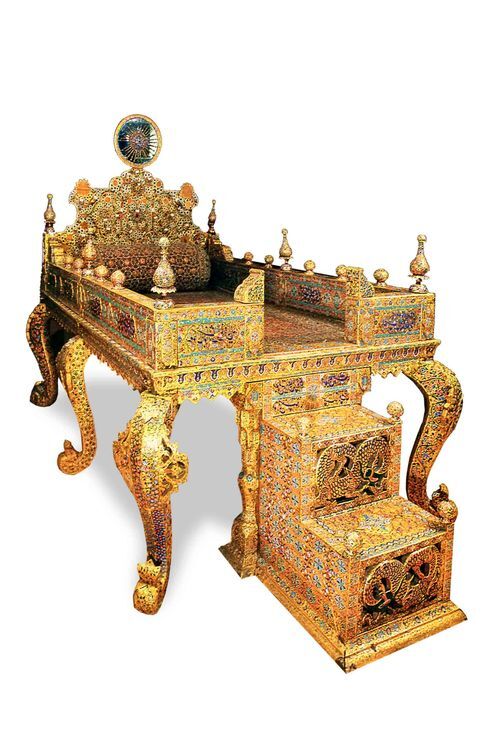
The Qajar-era Sun Throne was made for Fath-Ali Shah and takes its name from the radiant sun motif on its back. It later became known as the Peacock Throne, but it should not be confused with the Mughal Peacock Throne associated with Shah Jahan.
Noor-ul-Ain Tiara
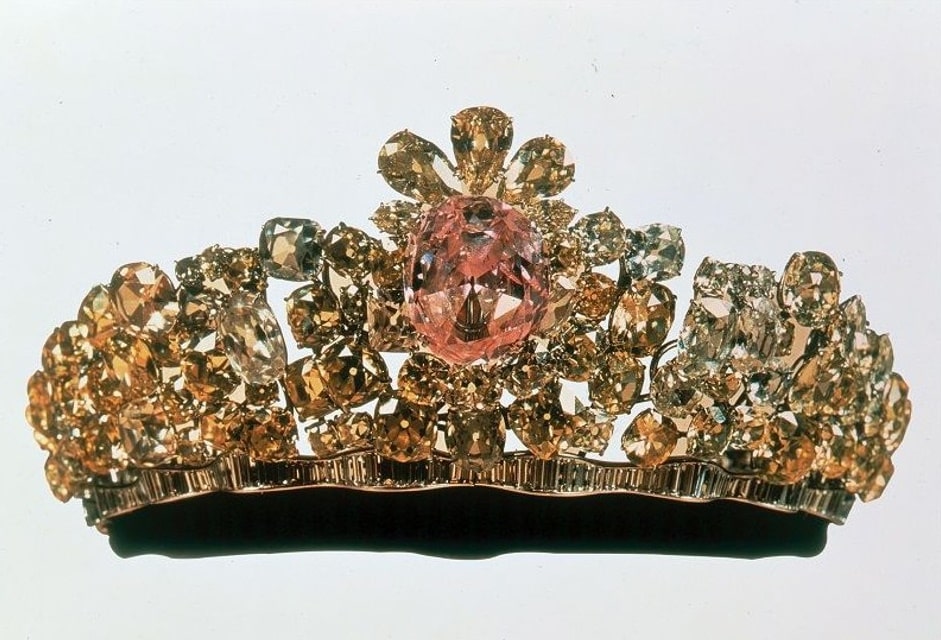
The Noor-ul-Ain is a large pink diamond mounted in a tiara designed by Harry Winston for Farah Pahlavi. The jewel combines an older historic gemstone with twentieth-century jewellery design.
Kiani Crown
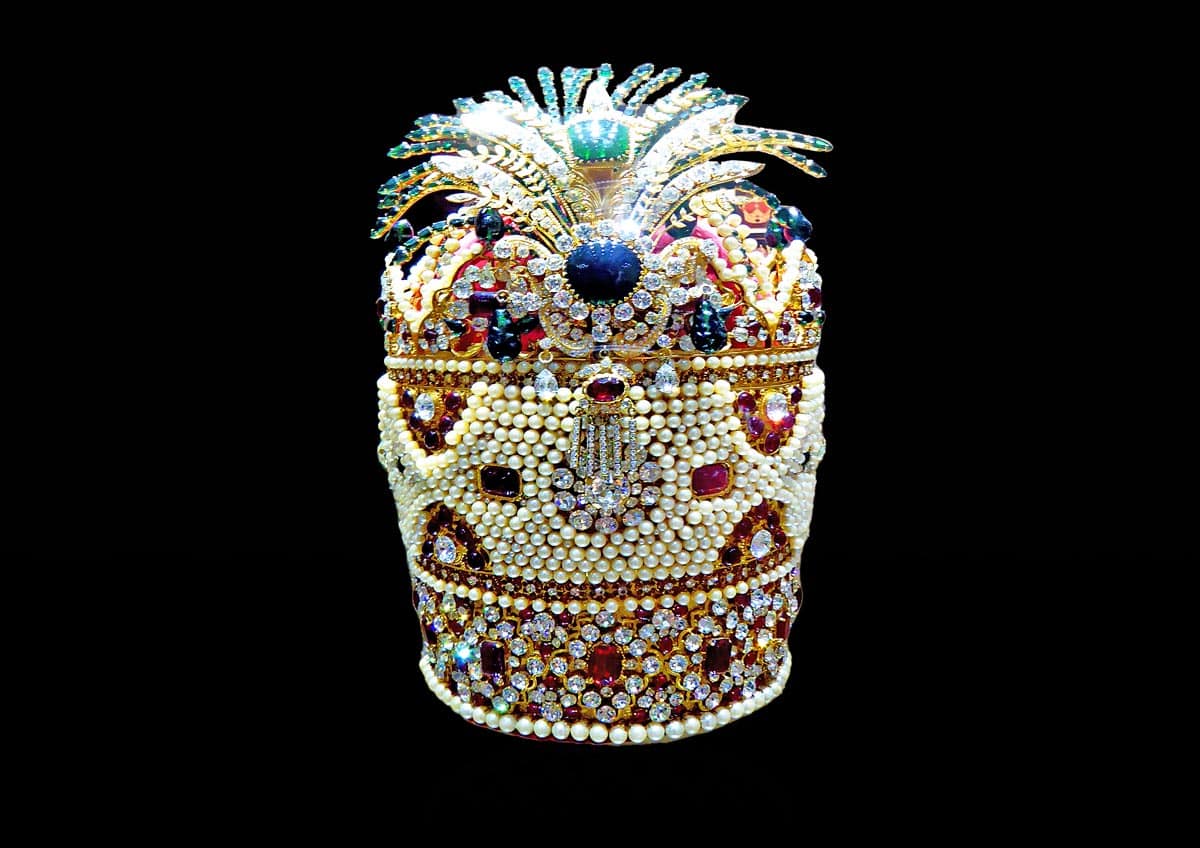
The tall, gem-set Kiani Crown became a distinctive symbol of Qajar monarchy. Its form deliberately evoked older Iranian ideas of kingship while establishing a recognisable visual identity for the dynasty.
Pahlavi Crown
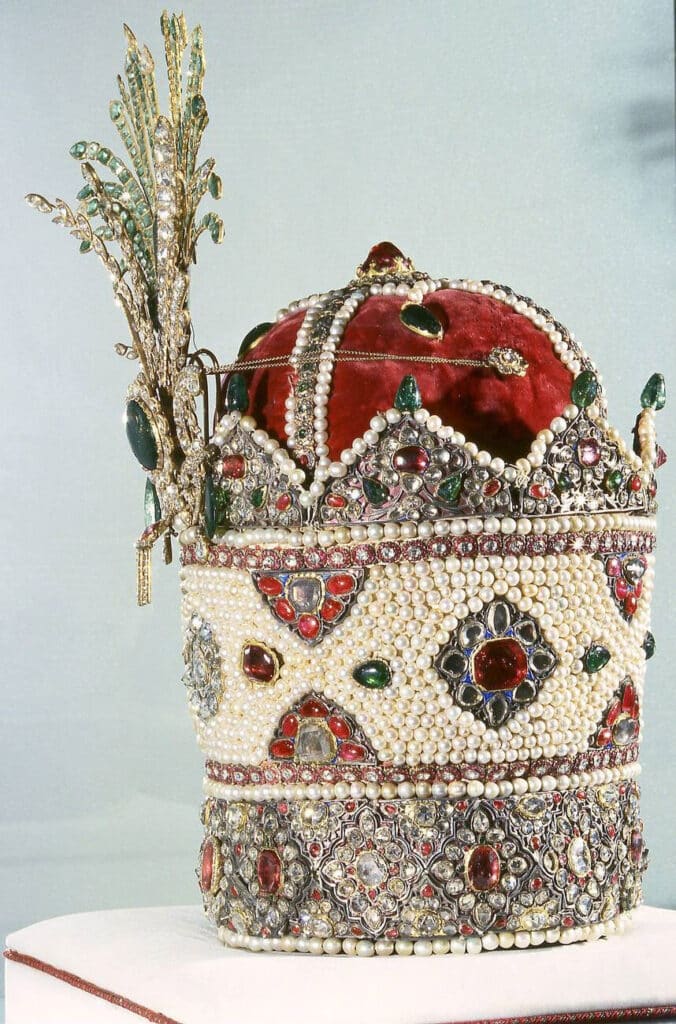
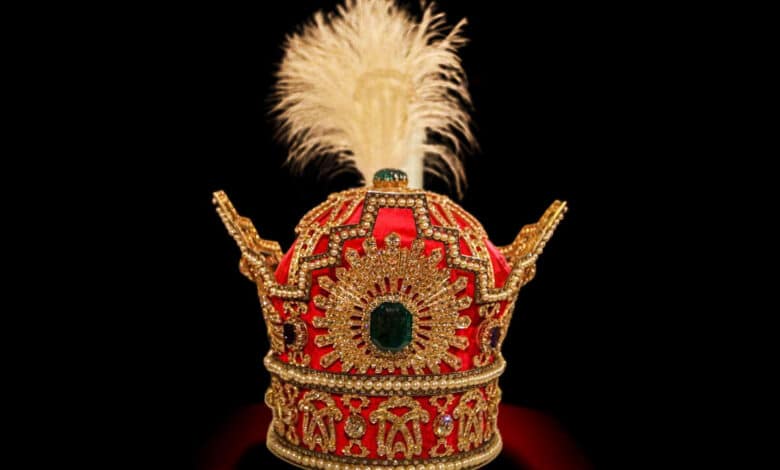
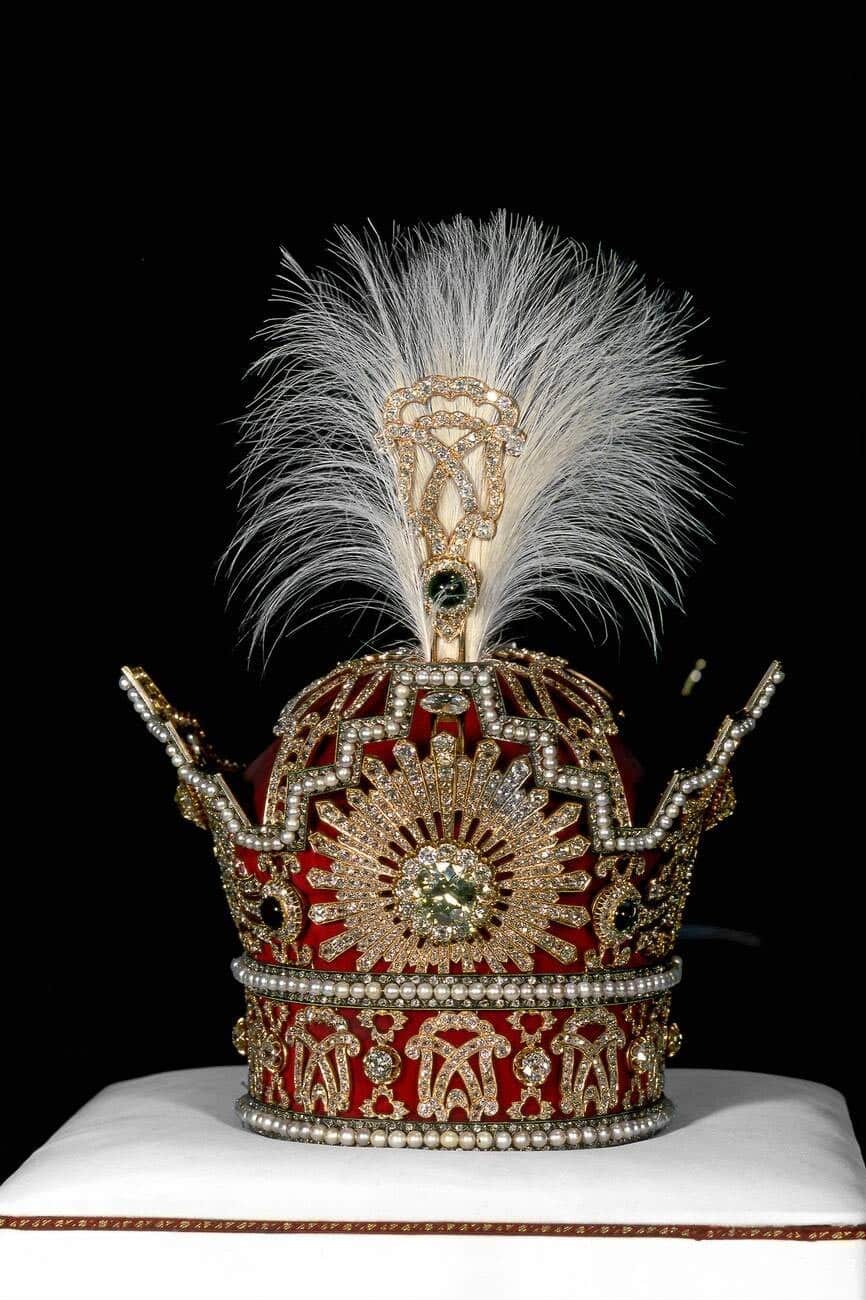
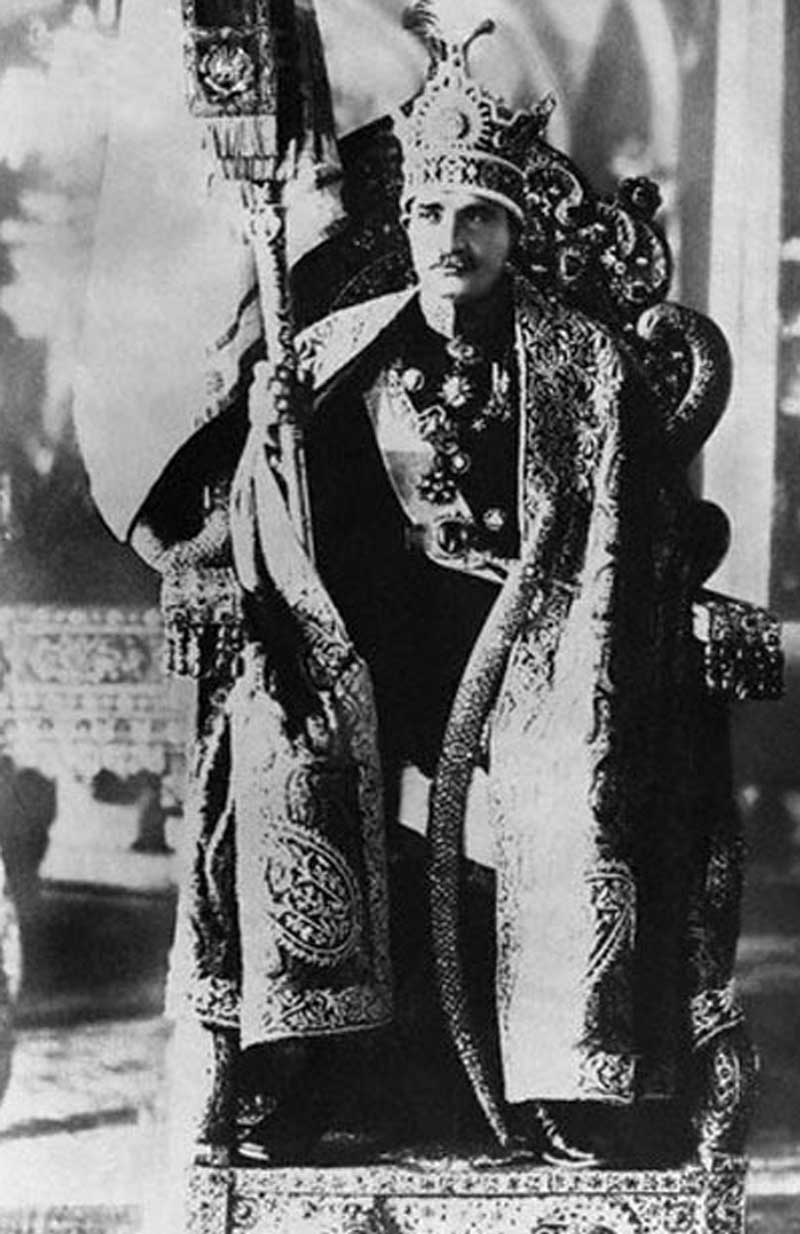
Reza Shah commissioned the Pahlavi Crown for his 1926 coronation, creating new regalia for the dynasty that replaced the Qajars. Mohammad Reza Pahlavi also wore it at his 1967 coronation.
Empress Farah’s Crown
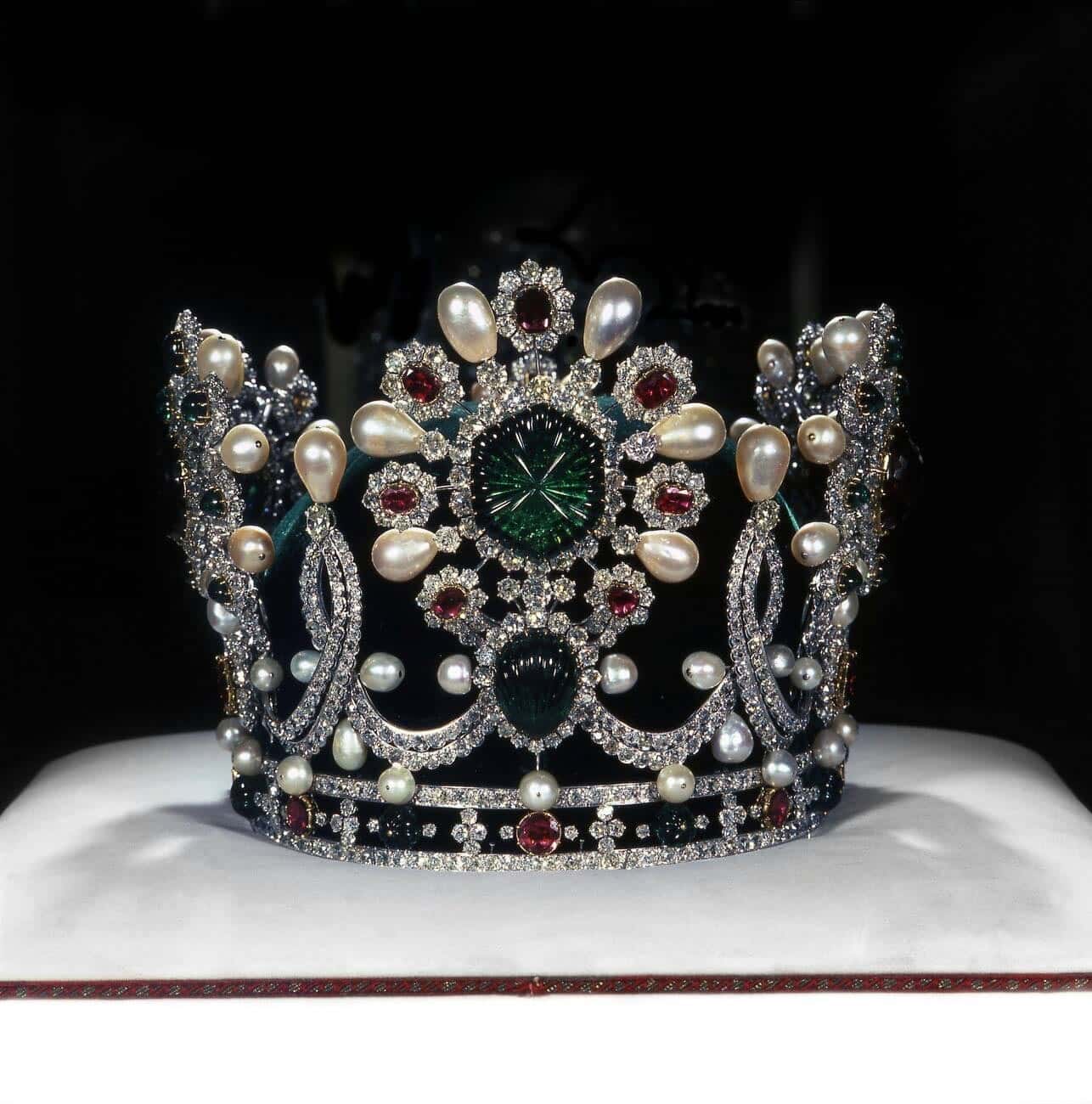
Van Cleef & Arpels created the crown worn by Farah Pahlavi during the 1967 coronation. Because treasury jewels could not be taken out of Iran, the work was carried out using stones selected from the collection in Tehran.
Golden Belt
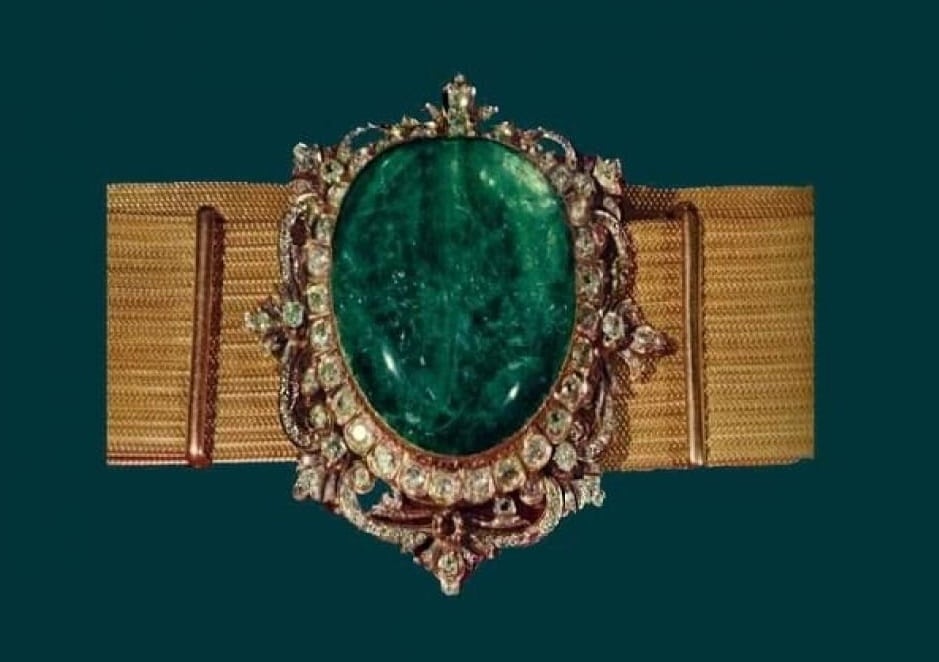
The Golden Belt, associated with Naser al-Din Shah Qajar, is distinguished by a large emerald set into its buckle and surrounded by diamonds.
Jeweled Globe
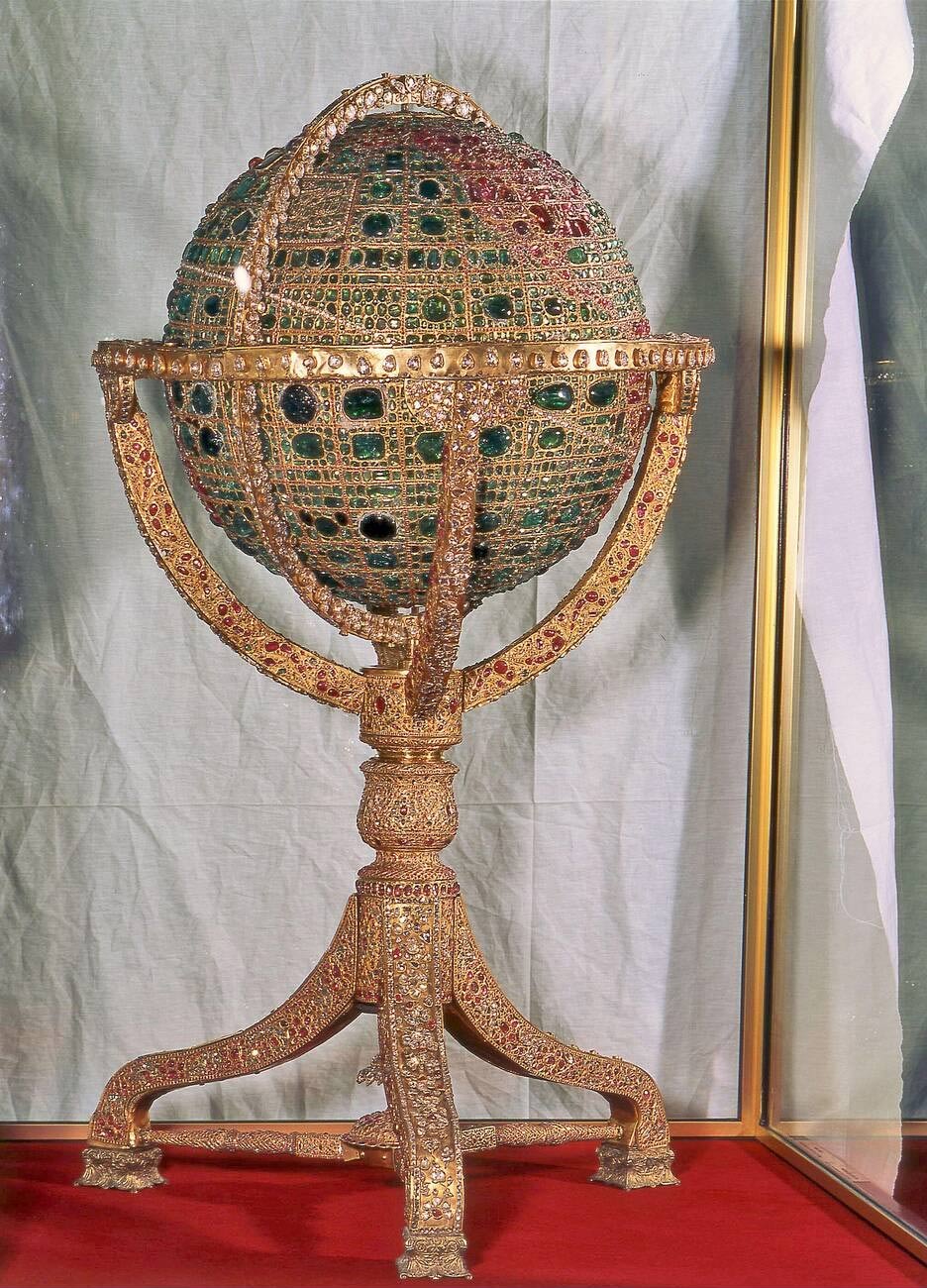
The nineteenth-century Jeweled Globe combines cartography with court jewellery. Gemstones form its seas, landmasses and geographical details, making it one of the collection’s most recognisable objects.
Naderi Throne
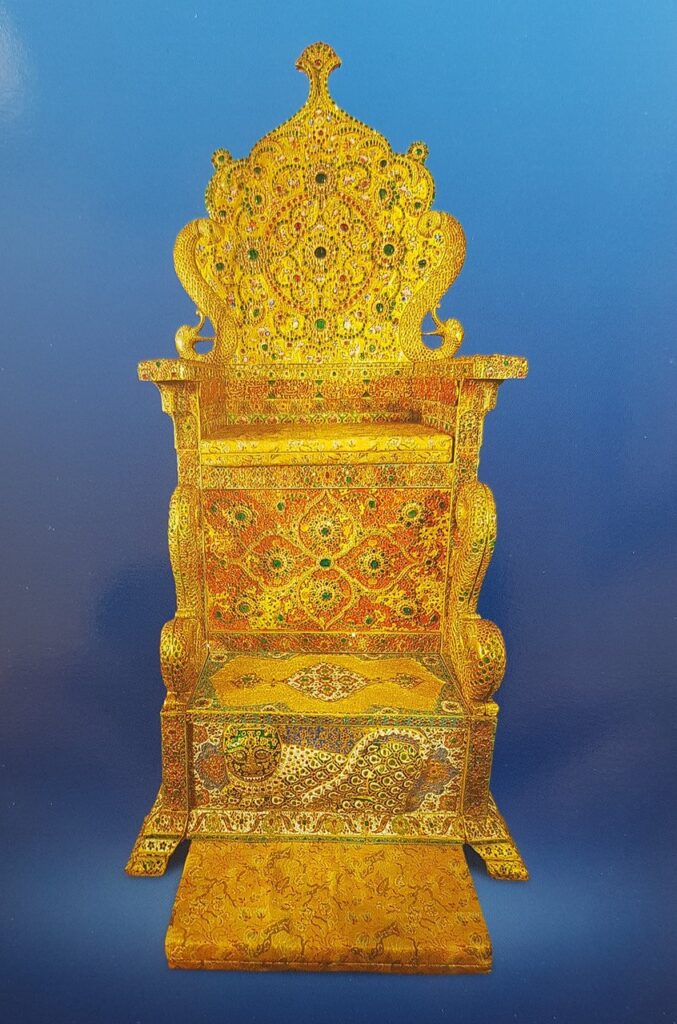
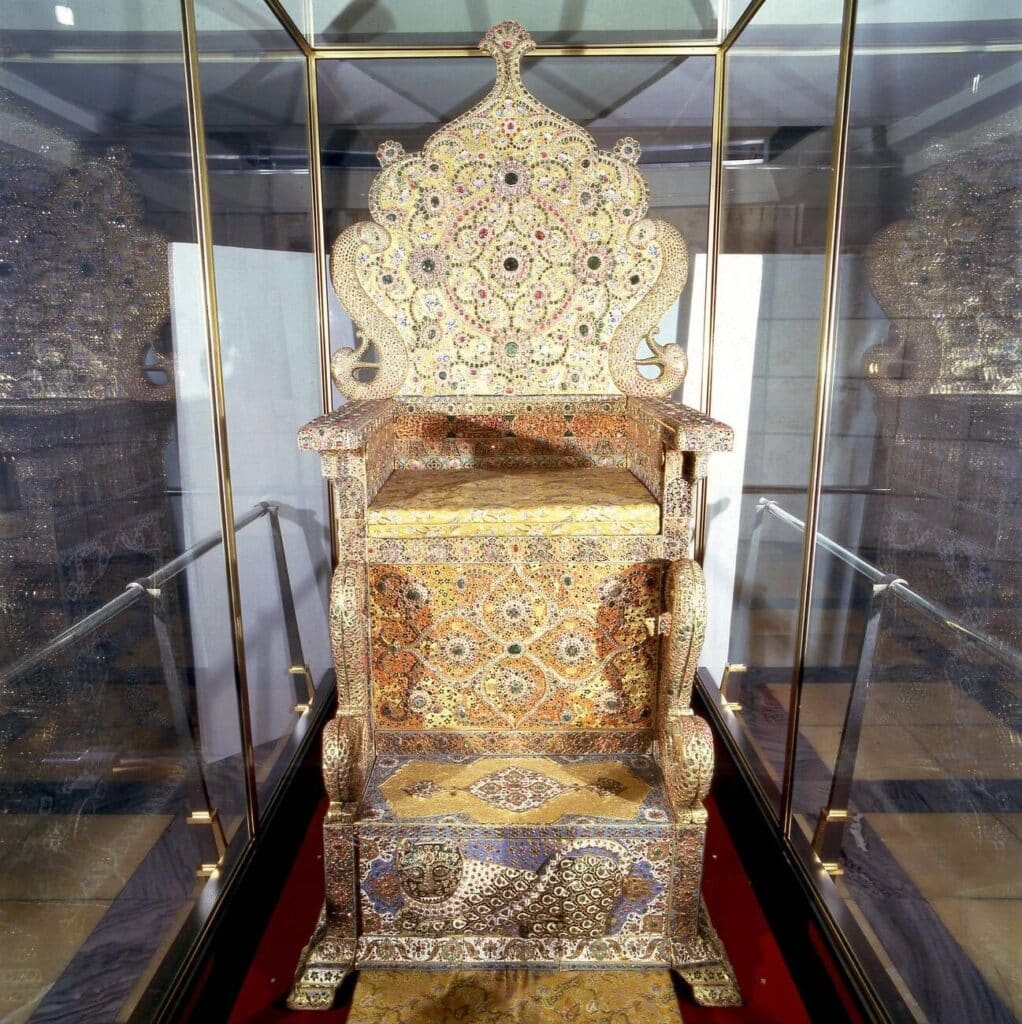
Despite its name, the Naderi Throne is associated with the Qajar period rather than Nader Shah. Its elaborate gold and gemstone decoration made it suitable for court ceremonies and later royal events.
Planning a Visit
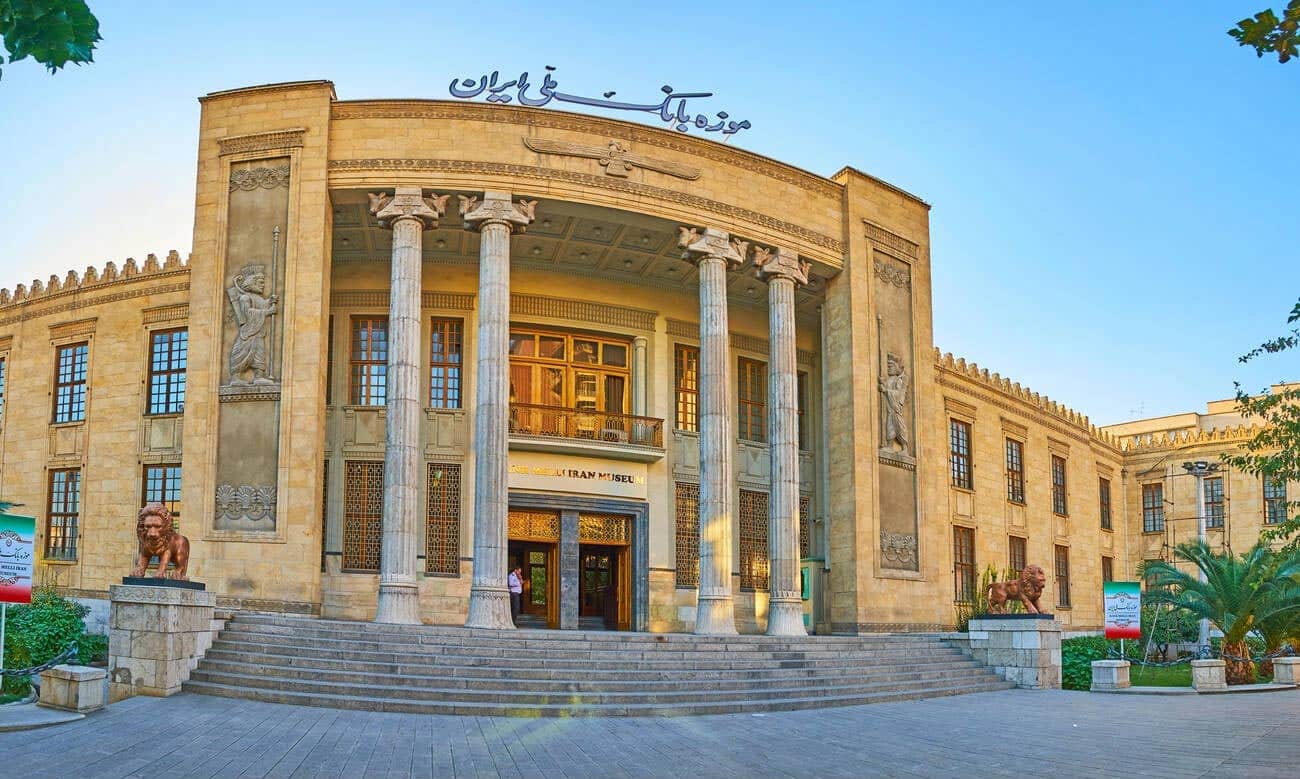
The Treasury is in central Tehran within the Central Bank complex. Security procedures are strict, and photography and personal items may be restricted. Opening days, hours, admission rules and temporary closures can change. Check current information before setting out rather than relying on archived schedules.
For nearby cultural sites, see our Tehran travel guide and guide to Golestan Palace.