Seasonal Guide to Bird Watching in Iran: What to Expect
Seasonal habitats, migration and where to look


On Iran’s Caspian coast, autumn migration and winter waterbird concentrations offer different reasons to bring binoculars. In spring, watch for passage and breeding activity. In summer, look to mountain habitats and scan reedbed edges without disturbing nesting birds.
Contents
Spring (March to May)
Overview
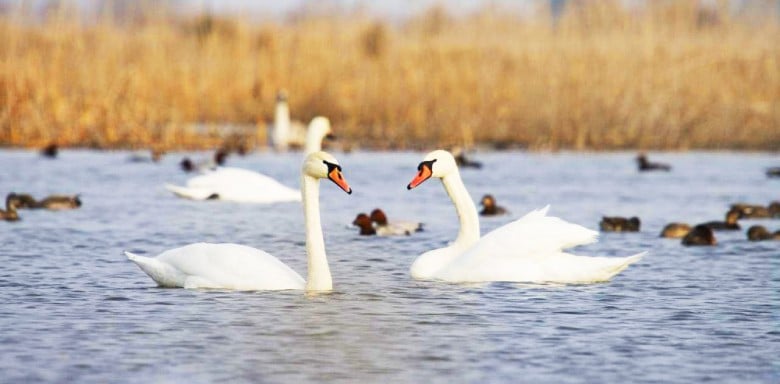
In spring, watch for birds moving through wetlands and for territorial or nesting behavior. Give breeding birds space and watch from the edge of the habitat.
Key Species and Locations
- Miankaleh Peninsula: Scan the shallow water and exposed margins for passing waterbirds. The reserve’s best-documented concentrations are in autumn and winter.
- Touran Biosphere Reserve: UNESCO identifies the Iranian ground jay and houbara bustard among the reserve’s characteristic birds. These are habitat records, and encounters vary.
- Lar National Park: Scan rocky slopes and open mountain terrain from established routes. Keep your distance from birds using the same slope.

Tips
- Timing: Early morning and late afternoon are the best times for bird activity.
- Gear: Bring binoculars and a camera with a good zoom lens to capture distant species.
Summer (June to August)

Overview
In summer, work the edges of mountain habitats and wetlands early in the day. A spotting scope lets you scan open water or distant rock faces from one position.
Key Species and Locations
- Alborz Mountains: Enjoy the cooler climate and spot the Golden Eagle and Red-fronted Serin.
- Anzali Wetland: Watch the reedbed edge for movement, then scan the open water. Avoid entering reeds or approaching nesting areas.
- Hormuz Island: Where the shore is open to visitors, scan exposed rocks and shallows from a distance. The tide changes how much shoreline is available for feeding.
Tips
- Hydration: Stay hydrated and protect yourself from the sun.
- Clothing: Wear lightweight, breathable clothing and a hat for sun protection.
Autumn (September to November)

Overview
Autumn brings migrating waterbirds to the southern Caspian. At Miankaleh and Anzali, scan open water first and then work along the margins, where smaller birds can disappear against the reeds.
Key Species and Locations
- Miankaleh Peninsula: UNESCO documents large concentrations of migrating birds during autumn and winter.
- Touran Biosphere Reserve: Scan open ground and low scrub separately. Birds on bare ground can be difficult to pick out against pale soil.
- Anzali Wetland: The Ramsar Convention identifies Anzali as habitat for migratory birds. Watch for movement along the reed margins and scan the open lagoon for flocks.
Tips
- Binoculars: Essential for spotting birds from a distance.
- Notebook: Keep a bird-watching journal to document species and behaviors.
Winter (December to February)

Overview
Winter in Iran brings a unique opportunity to see many migratory birds that spend the season in the country’s milder regions. The northern wetlands and southern coasts are particularly active.
Key Species and Locations
- Miankaleh Peninsula: White-headed ducks and Dalmatian pelicans are among the waterbirds documented in winter counts in the wider Miankaleh and Gorgan Bay area.
- Anzali Wetland: Anzali is one of the Iranian wintering areas documented for the Dalmatian pelican. Scan open water with binoculars or a scope.
- Hormuz Island: Look for feeding birds along the tide line. Give any flock space if it stops feeding or moves away as you approach.
Tips
- Warm Clothing: Dress in layers to stay warm during early morning and late afternoon birding sessions.
- Travel Arrangements: Plan your travel and accommodation in advance, especially in popular birding areas.
Guided Bird Watching Tours
Benefits
- Expert Knowledge: Local guides provide valuable insights and help you spot rare species.
- Organized Logistics: Tours handle transportation, accommodation, and access to remote areas.
- Enhanced Experience: Guided tours often include educational elements about the birds and their habitats.
What to Ask a Birding Guide
- Ask which habitats the route covers and what birds the guide has recorded there recently.
- Ask which observation points are open and whether the route requires permission or a boat.
Book Services, Pay Online








Conclusion
Choose a habitat and season before building your species list. If you want to see wintering waterbirds, start with the Caspian wetlands and bring optics that let you watch from shore. Record the site and date with each sighting so that your list is useful on future visits.
Read More