From the sandstone formations of Qeshm to the river-cut gorges of the Zagros, Iran has valleys shaped by very different landscapes and climates. These seven places reward careful planning as much as curiosity.
Some are accessible viewpoints; others involve steep trails, river crossings or technical canyoning. Check seasonal conditions, local access rules and the need for an experienced guide before travelling. Explore more destinations in Iran as you plan.
Contents
1. Valley of Stars, Qeshm
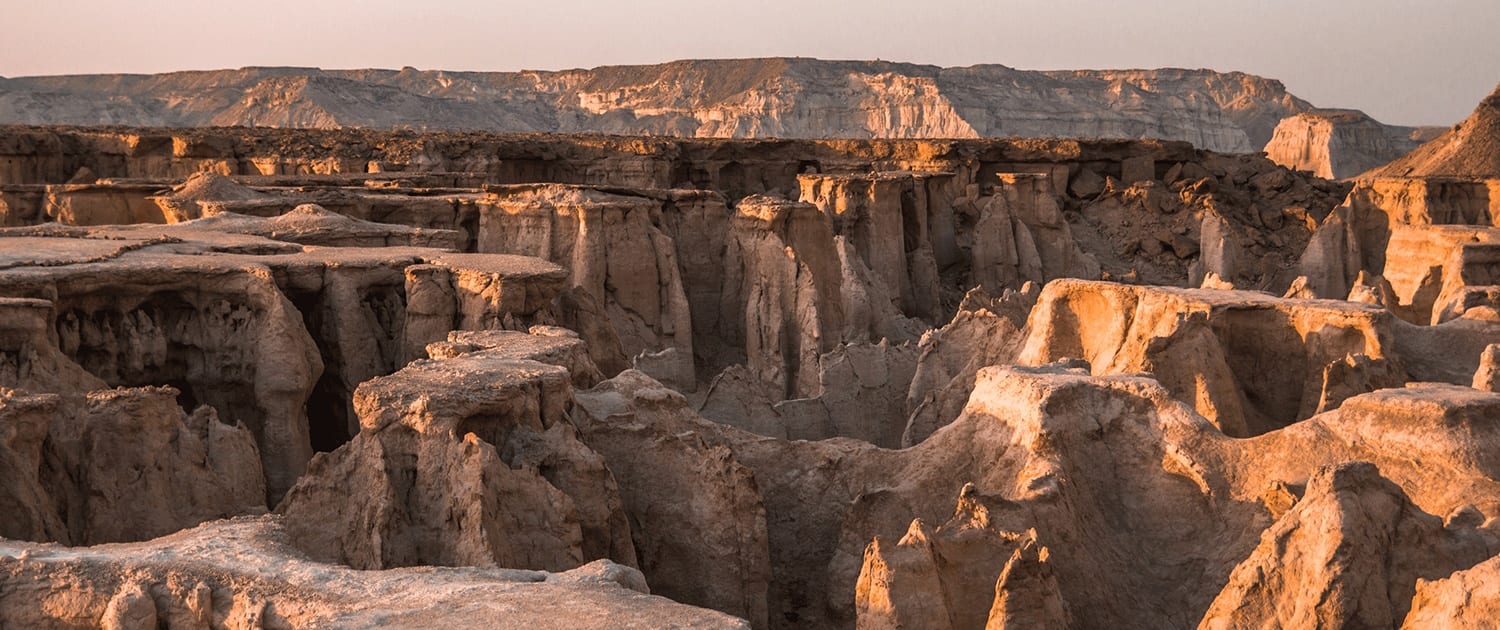
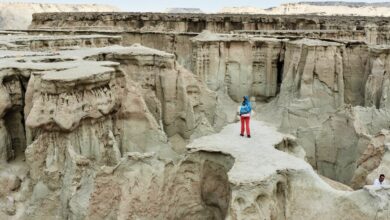
Qeshm Island is home to the Valley of Stars, a protected geosite within the Qeshm Island UNESCO Global Geopark. Water erosion and differences in the resistance of rock layers created its narrow gullies, columns and unusual silhouettes. The valley itself is not a separate UNESCO geopark.
The local name, often rendered Estaleh Kaftah or “fallen star”, reflects a legend that a star struck the ground. It is folklore, not a geological explanation. The geopark authority identifies fragile surfaces and warns visitors against walking on unstable outer layers.
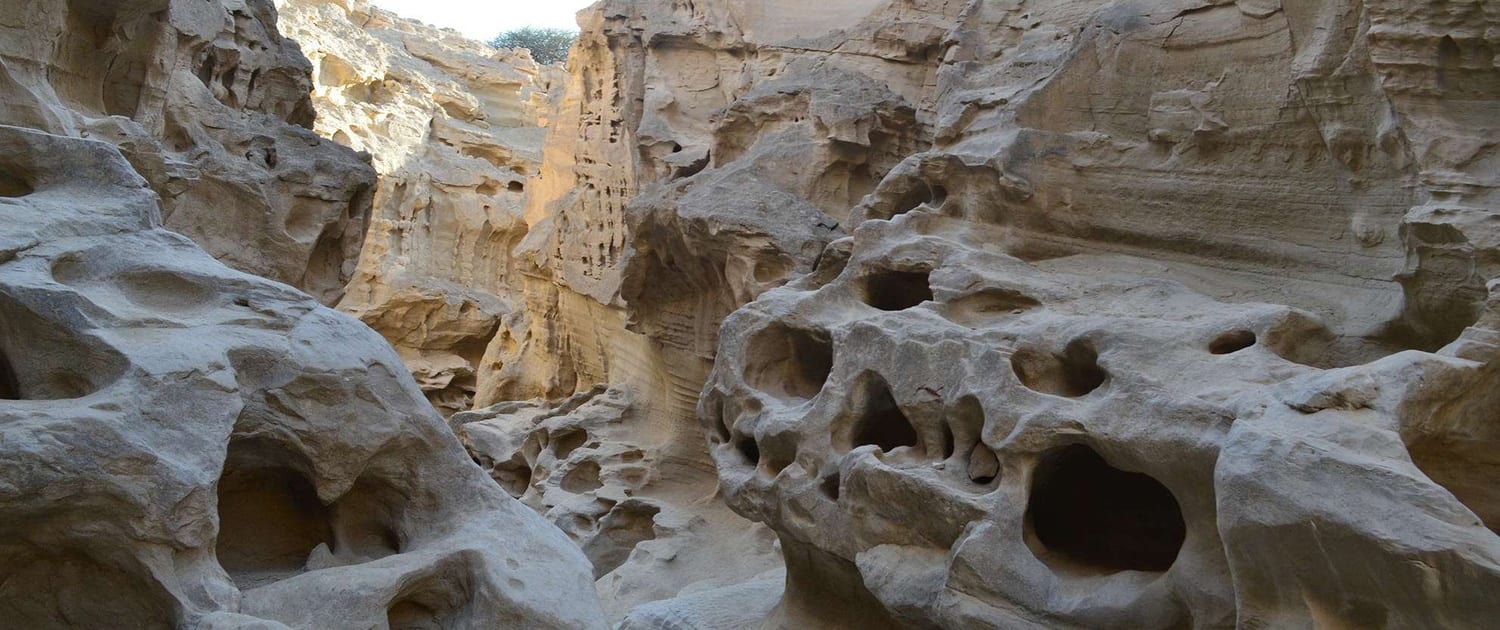
The shifting light gives the formations a different appearance throughout the day. Stay on designated paths, avoid fragile ledges and confirm opening times locally; the site is not a place for unsupervised night exploration.
2. Kul Khersoon Gorge, Khuzestan
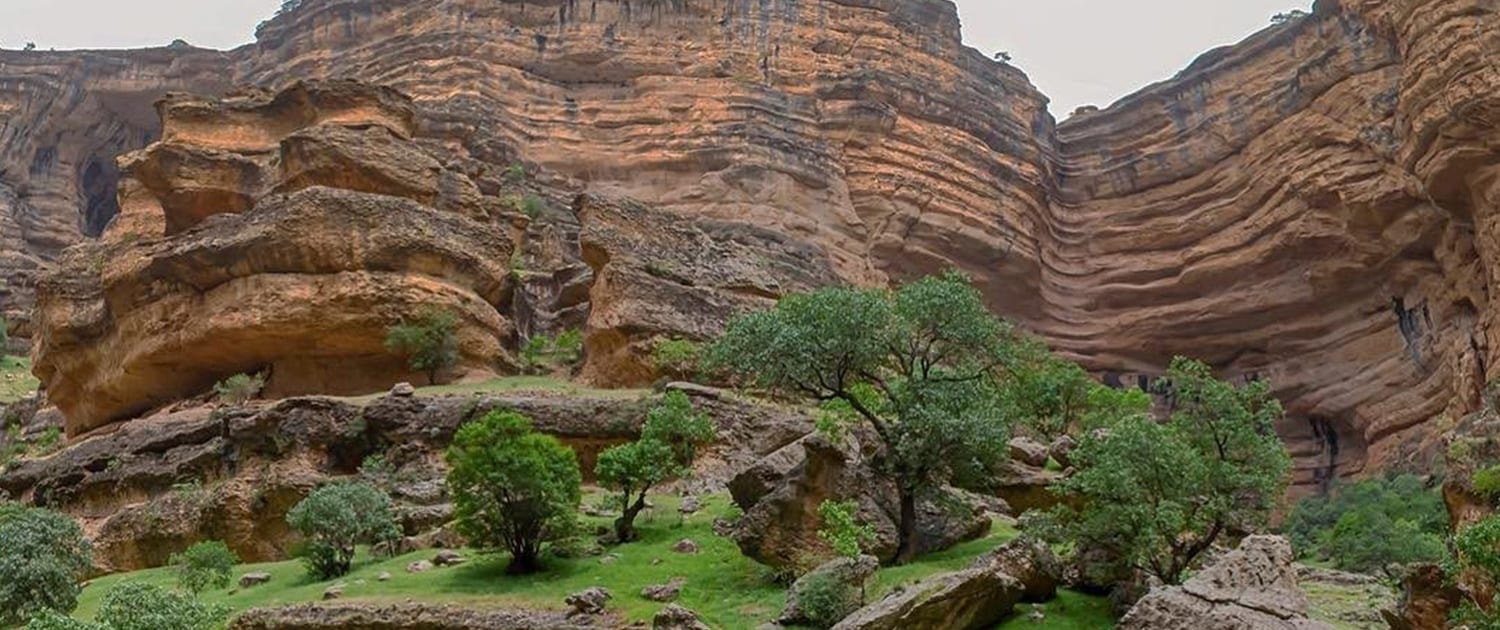
Kul Khersoon, also written Kool Khersoon or Kol Khersan, is a narrow gorge near Dezful in Khuzestan Province. Tall rock walls and water-shaped passages make it striking, but the route can involve slippery ground, pools and confined sections.
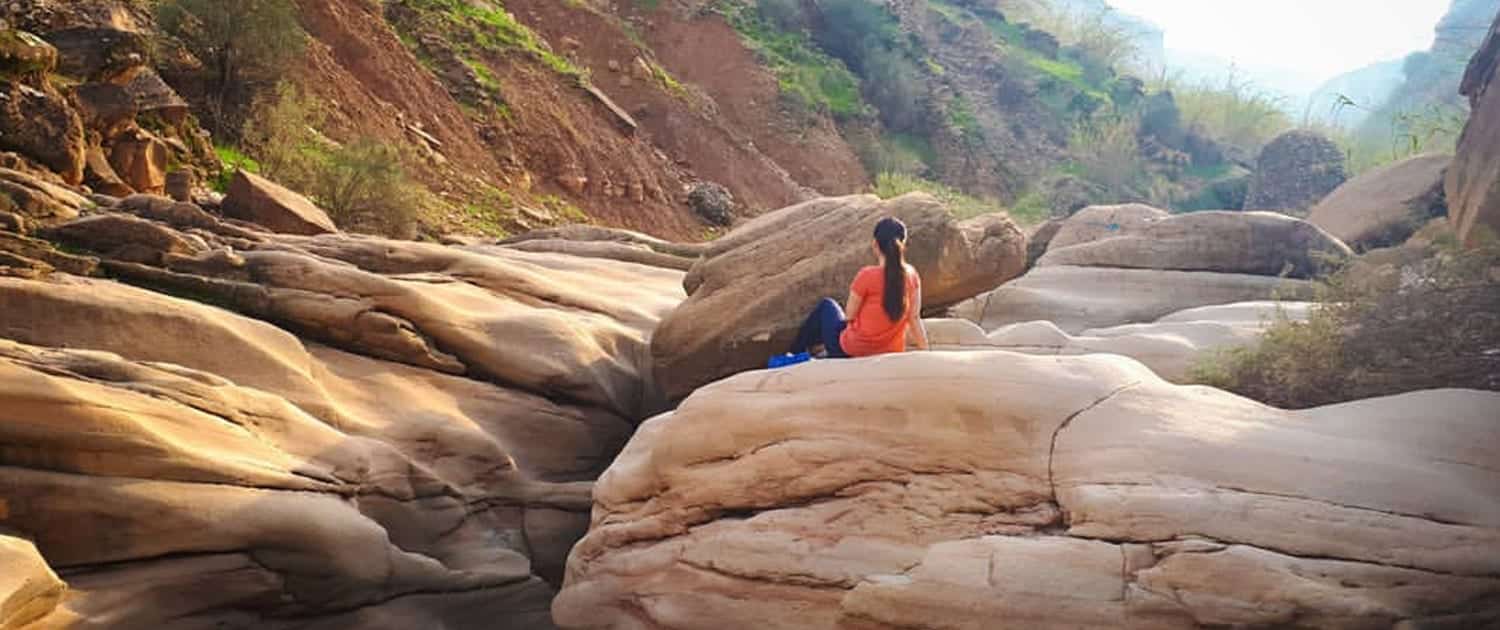
Do not treat descriptions of the walk as a fixed route or guaranteed distance. Water levels and access can change quickly after rain. Arrange a knowledgeable local guide and appropriate equipment, and never enter a narrow canyon when flash flooding is possible.
3. Alamut Valley, Qazvin
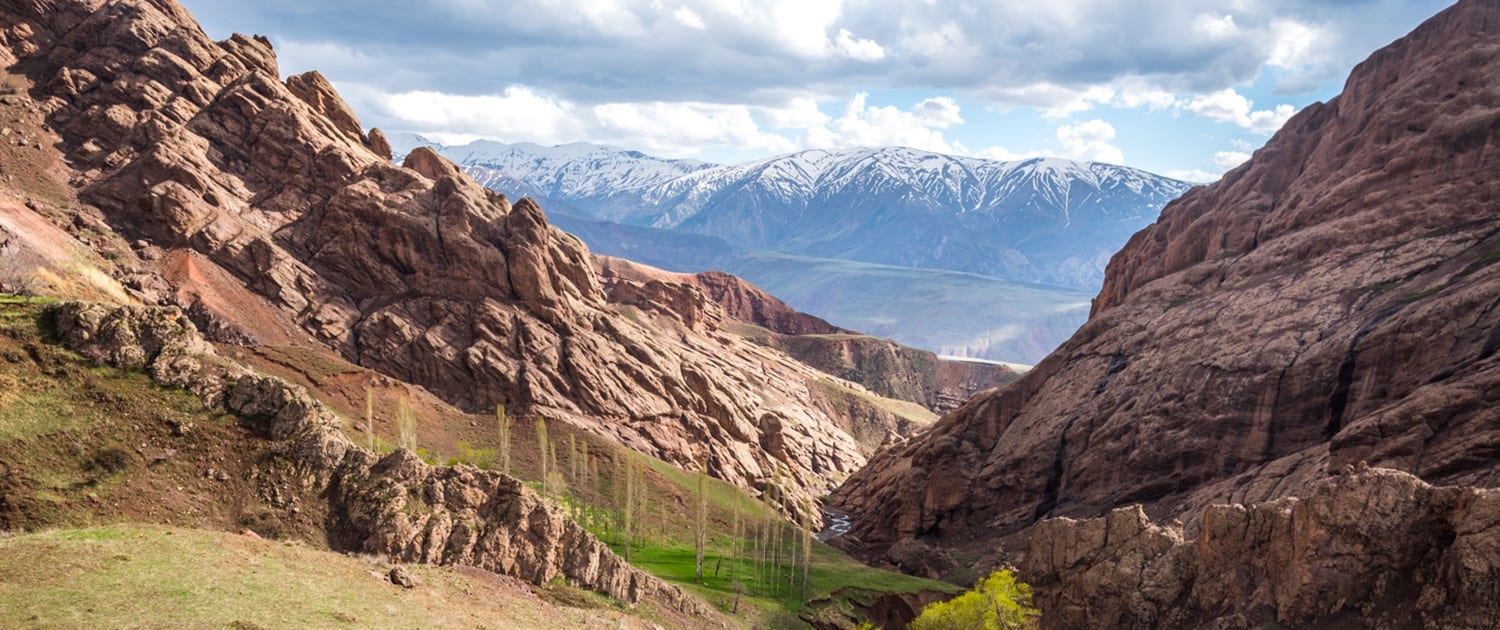
The Alamut region lies in the mountains of Qazvin Province, with valleys, villages and routes leading towards the Alborz. The area is associated with the historic Alamut Castle and the landscapes around Qazvin.
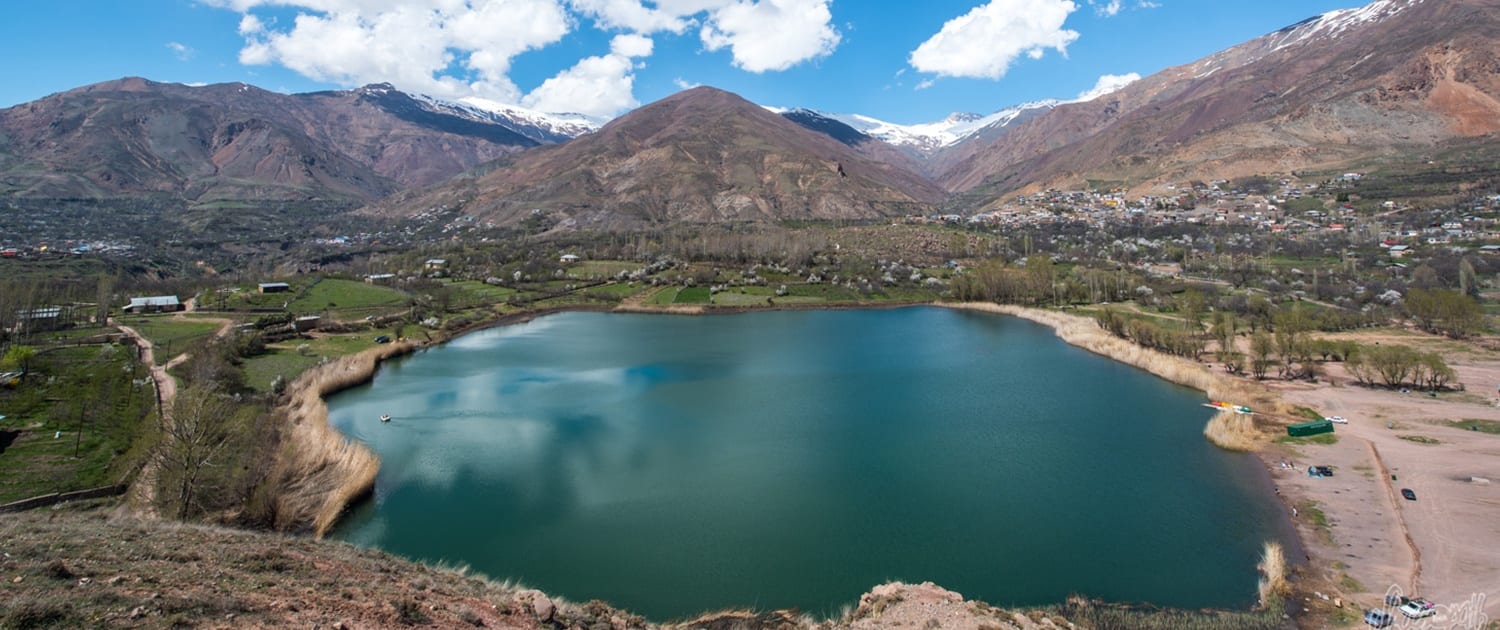
Its fortress history spans many centuries, not merely a hundred years. The best viewpoints depend on the chosen trail, weather and local road conditions. Allow time for the climb and check access before setting out.
4. Lar Valley, Alborz
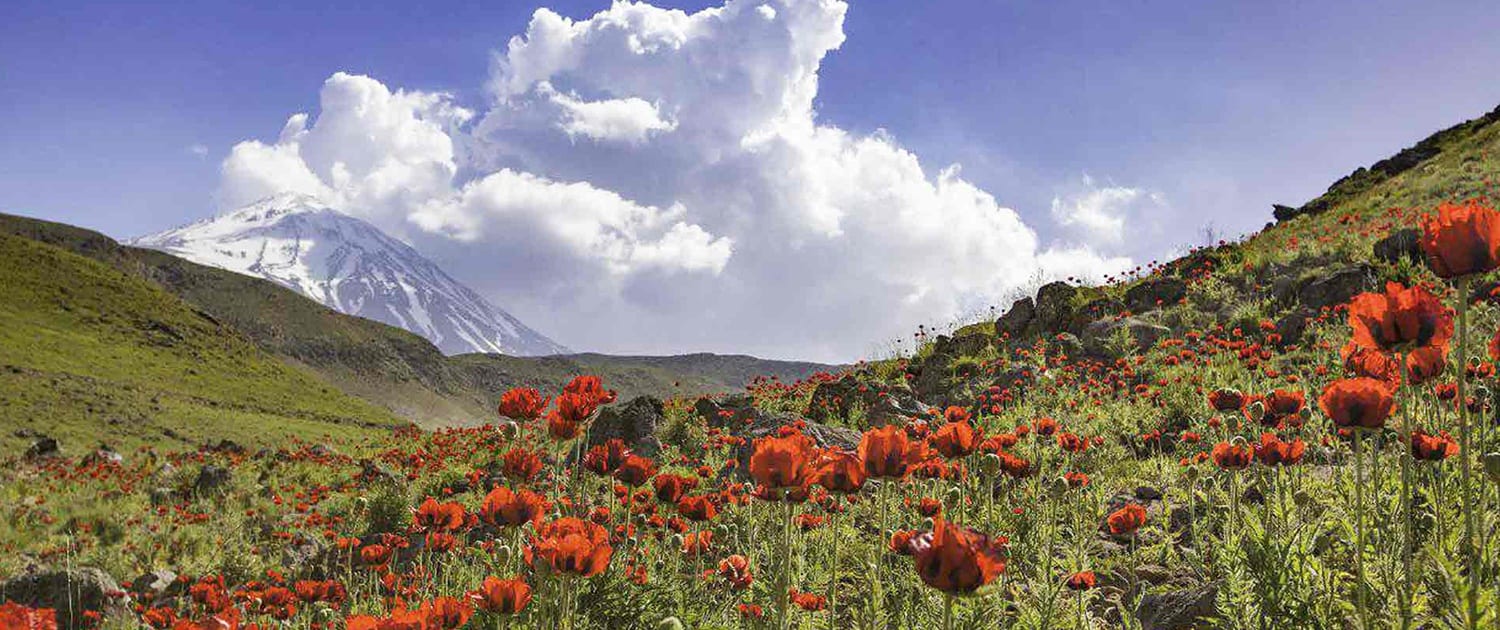
The Lar landscape stretches beneath Mount Damavand in the Alborz Mountains. Open grassland, mountain streams and seasonal wildflowers are among its attractions. The wider protected area also supports wildlife that visitors should observe from a distance.
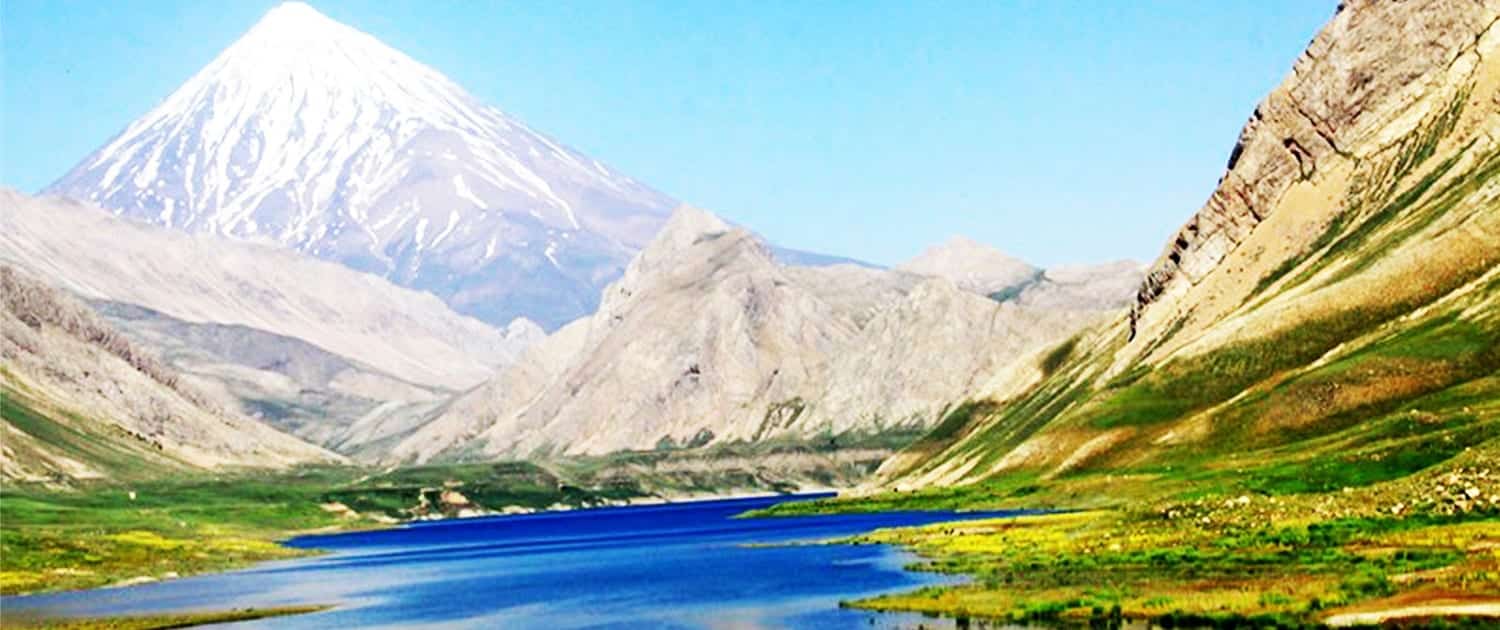
Access to Lar National Park can be seasonal and subject to conservation rules. Confirm current entry permissions, road conditions and weather with local authorities; spring flowers and summer hiking conditions vary from year to year.
5. Shirez Canyon, Lorestan
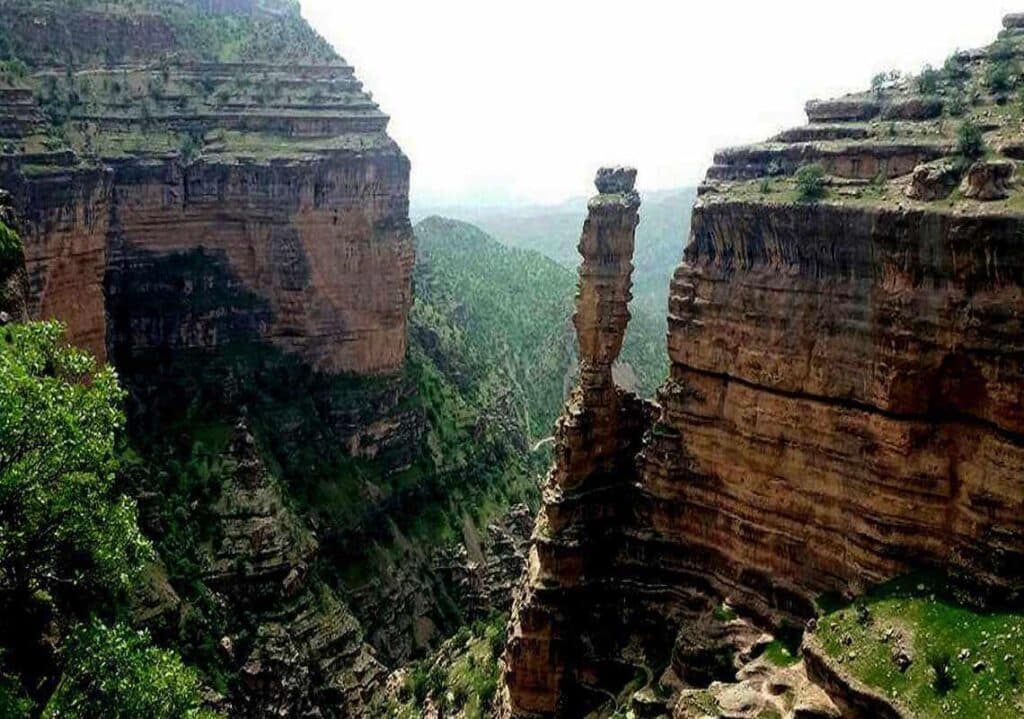
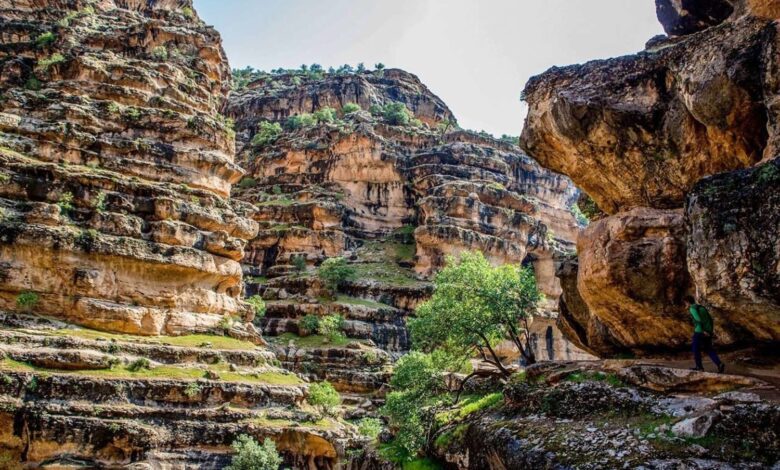
Shirez Canyon, or Tang-e Shirez, lies in Lorestan Province near Kuhdasht. Water has carved a dramatic corridor through layered rock, creating high walls, rock formations and shaded passages. It is sometimes nicknamed the “Grand Canyon of Iran”, a descriptive comparison rather than an official designation.
6. Reghez Canyon, Fars
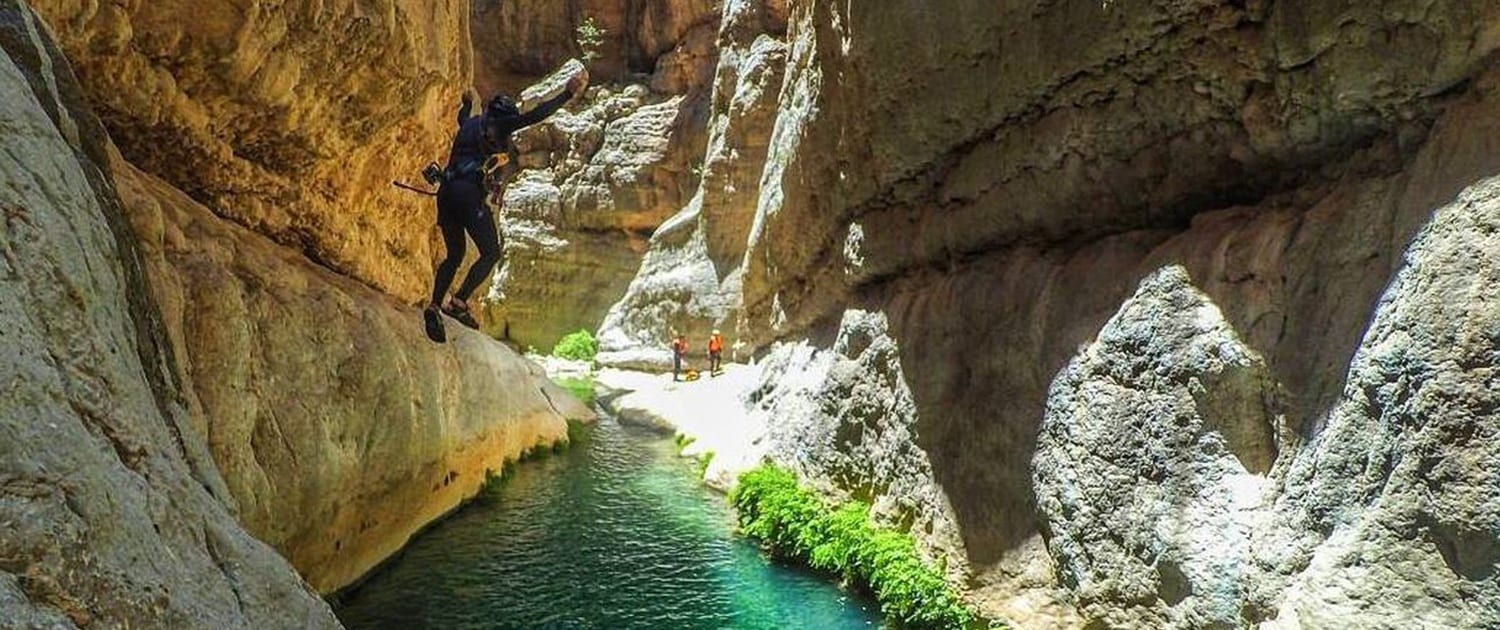
Reghez Canyon near Darab in Fars Province is known for pools, cascades and narrow water-cut passages. Its beauty does not make it an easy walk: some routes require swimming, rope work and technical canyoning skills.
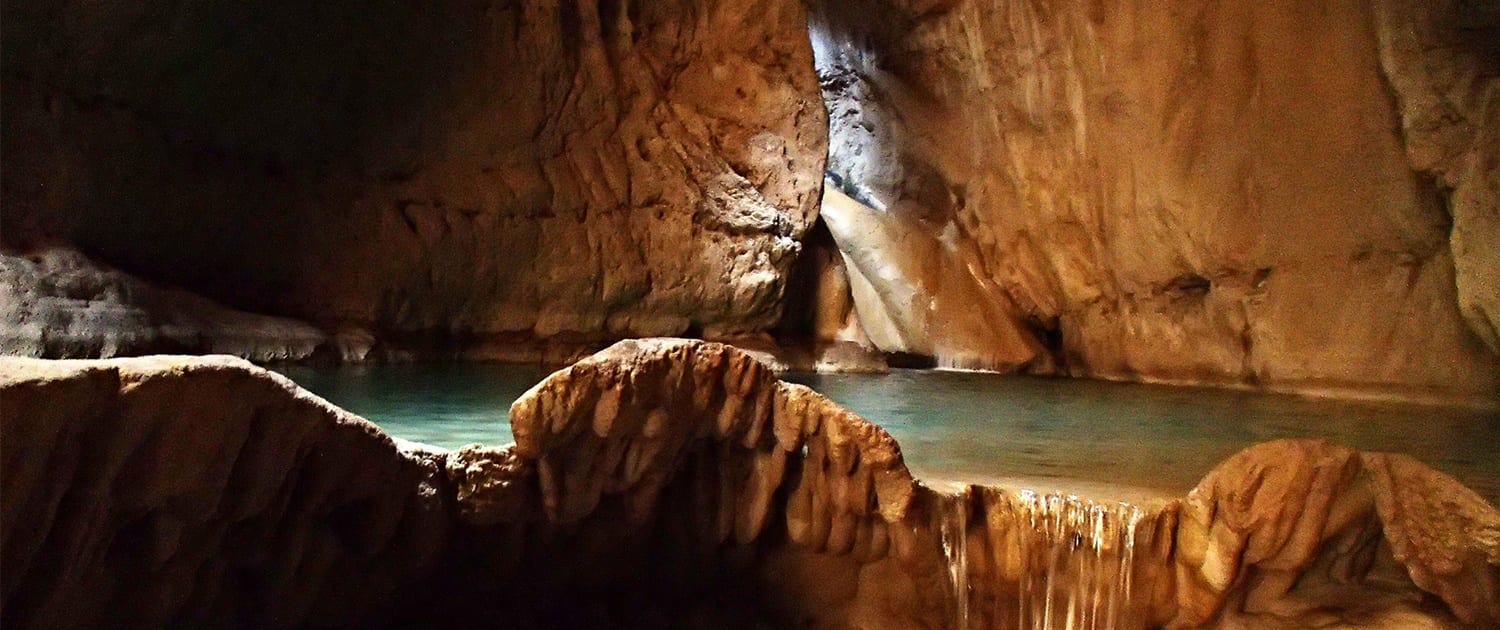
Visit only with qualified local canyoning guides and suitable safety equipment. Check weather and water conditions immediately before entering; avoid the gorge when storms or sudden rises in water level are possible.
7. Shamkhal Valley, Razavi Khorasan
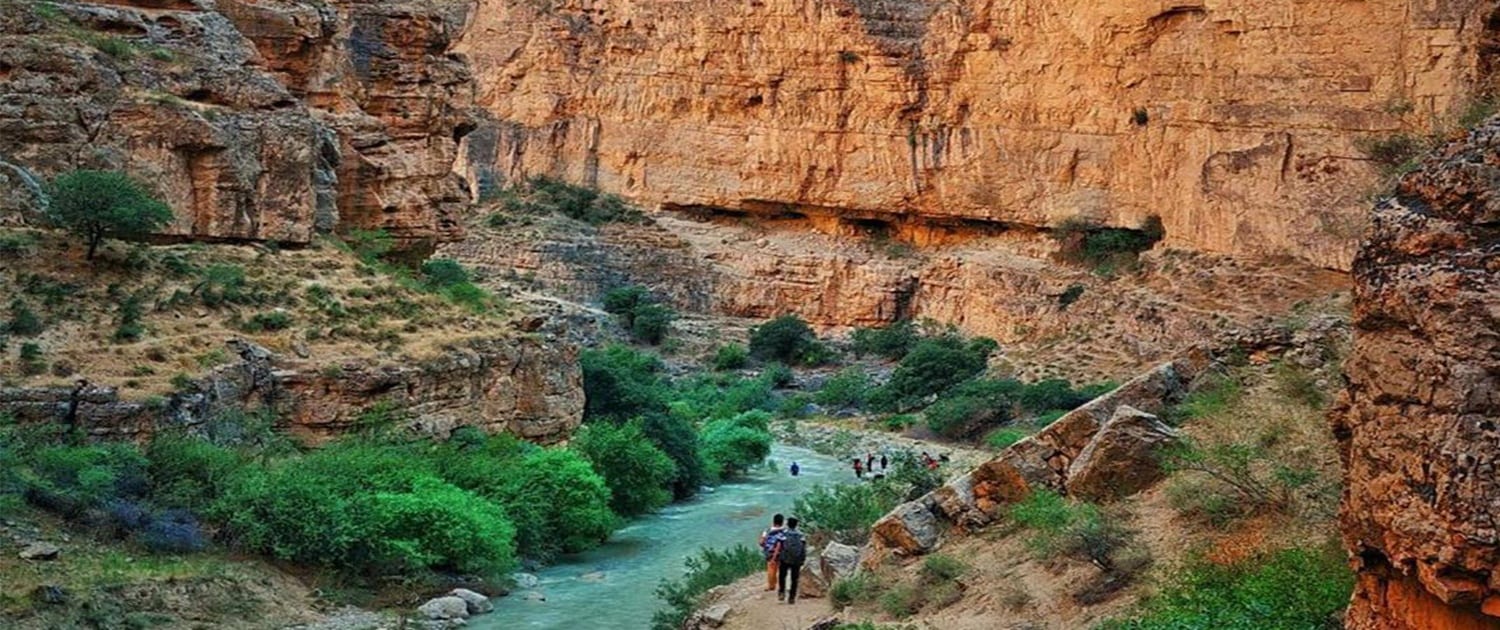
Shamkhal Valley is in the northeastern mountains near Quchan, Razavi Khorasan Province, close to the Turkmenistan border region. Its steep walls, vegetation and stream create a contrasting landscape to Iran’s desert canyons.
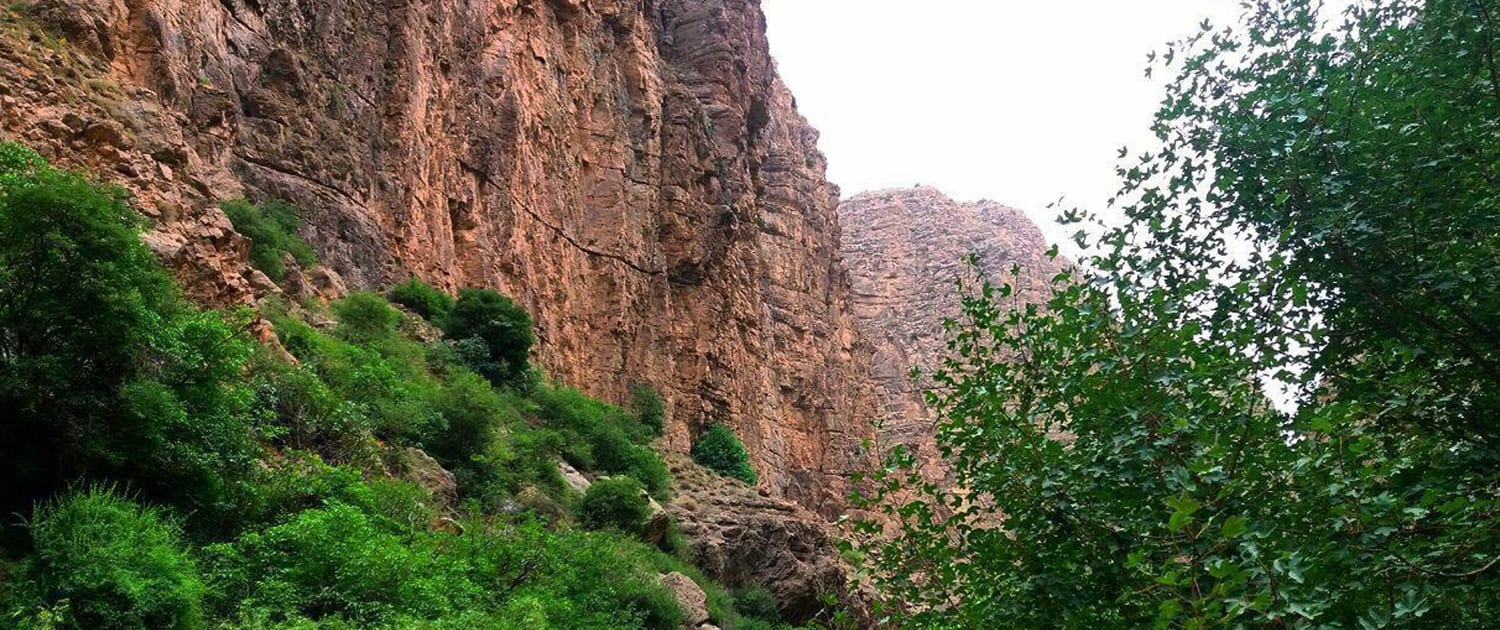
Walking conditions depend on the season, rainfall and stream flow. Wear suitable footwear, carry water and check whether local access or guide arrangements are required. Avoid treating published distances or wall heights as verified measurements without a reliable survey.
Planning a Safe Valley Visit
Choose your destination according to the season and your experience. River gorges may be dangerous after rain, while high mountain routes can remain cold or inaccessible well into spring. Verify transport, permits, local guidance and the latest travel advice before departure. For a planned itinerary, explore tailor-made travel in Iran.