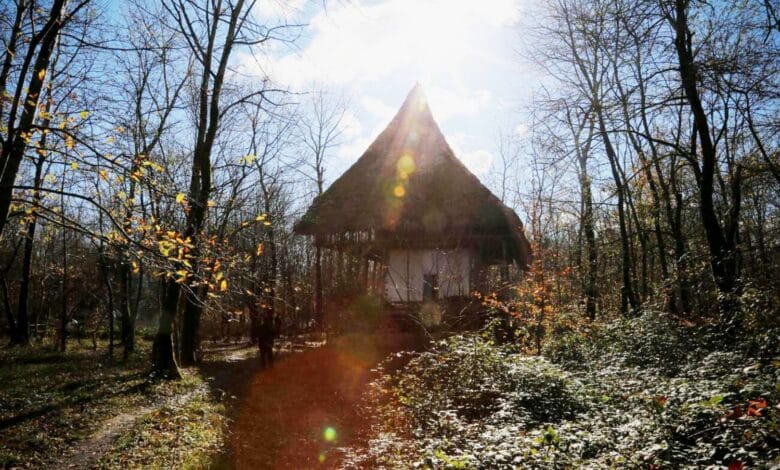
The Gilan Rural Heritage Museum is an open-air museum in Saravan Forest Park outside Rasht. Houses moved from villages across Gilan are displayed with domestic and agricultural buildings.
Compare a house with the structures around it, such as a rice store or stable. Together they show how farming, storage and family life shaped the layout of a rural home.
Contents
Architecture and Collections
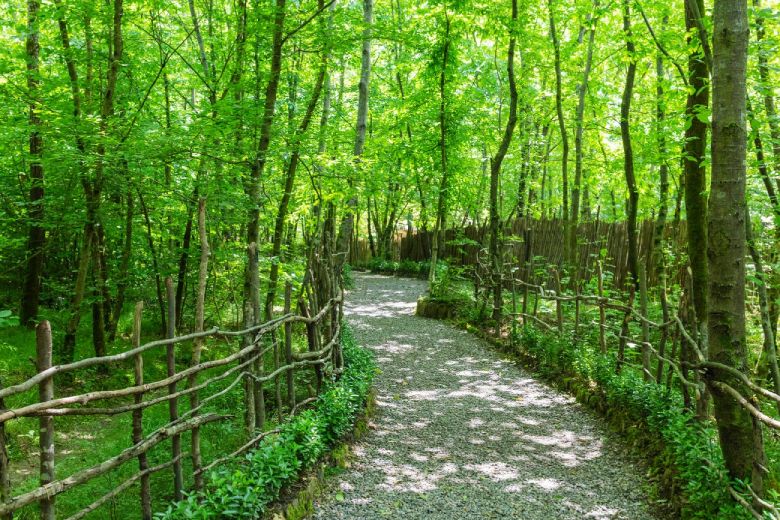
The Cultural Relations Organization’s museum profile puts the allocated site at 263 hectares and describes nine regional sections. Start by comparing a plain house with a foothill or mountain example. Their roofs, foundations and wall materials respond to different terrain and rainfall.
What to Look For During a Visit
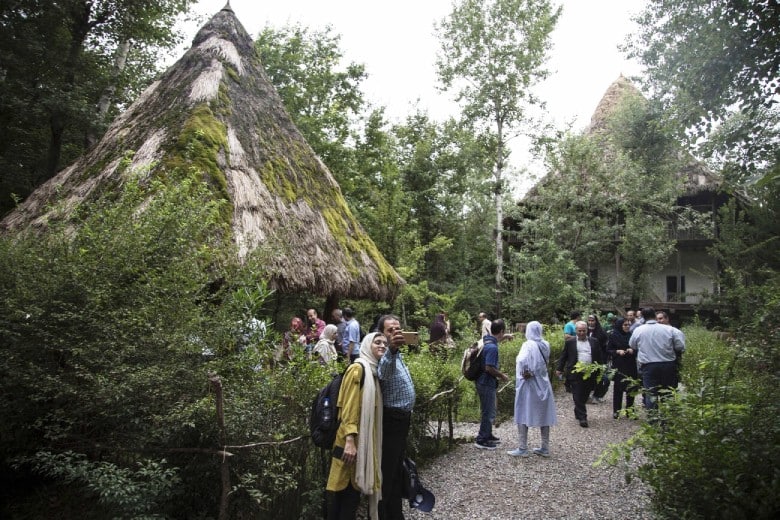
In the plain sections, look for rice storage and spaces for livestock alongside the houses. A workshop, market stall or performance can add context when it is running. The buildings and displayed tools give the visit a focus even without a scheduled event.
Preserving Cultural Heritage
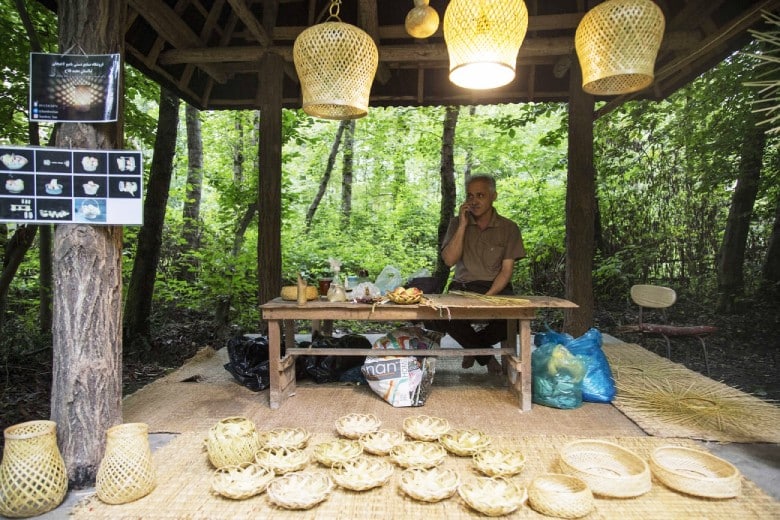
The houses preserve more than their outward appearance. Their frames, roof materials and working spaces help explain the skills needed to build and maintain them. Tools inside the houses connect the rooms with cooking, textile work and farming.
Location of the Gilan Rural Heritage Museum
From the Qazvin–Rasht road, Iran’s tourism authority directs visitors to the Saravan–Shaft turnoff near the police station. Search for Gilan Rural Heritage Museum rather than a general Saravan Forest Park pin.
The History of Gilan Rural Heritage Museum
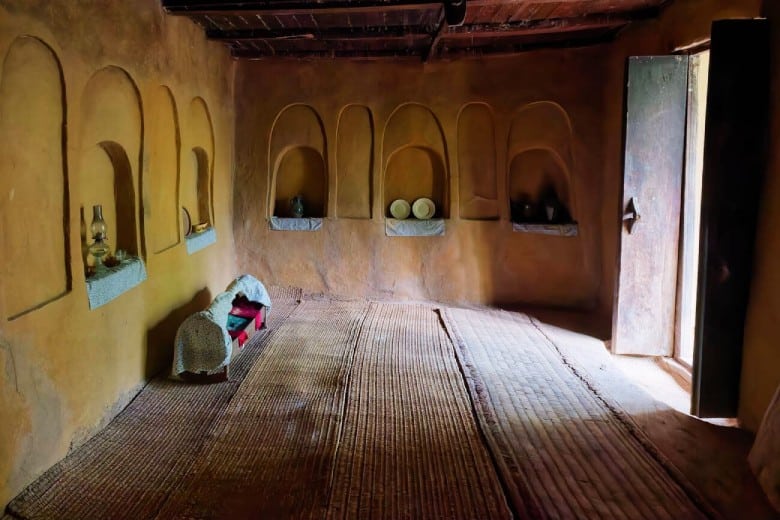
The project grew out of concern for rural buildings after the 1990 Gilan and Zanjan earthquake. Field studies began in 2002. Work on the eastern plain section followed in 2005, and the first phase opened in 2006.
The Process of Relocating Buildings
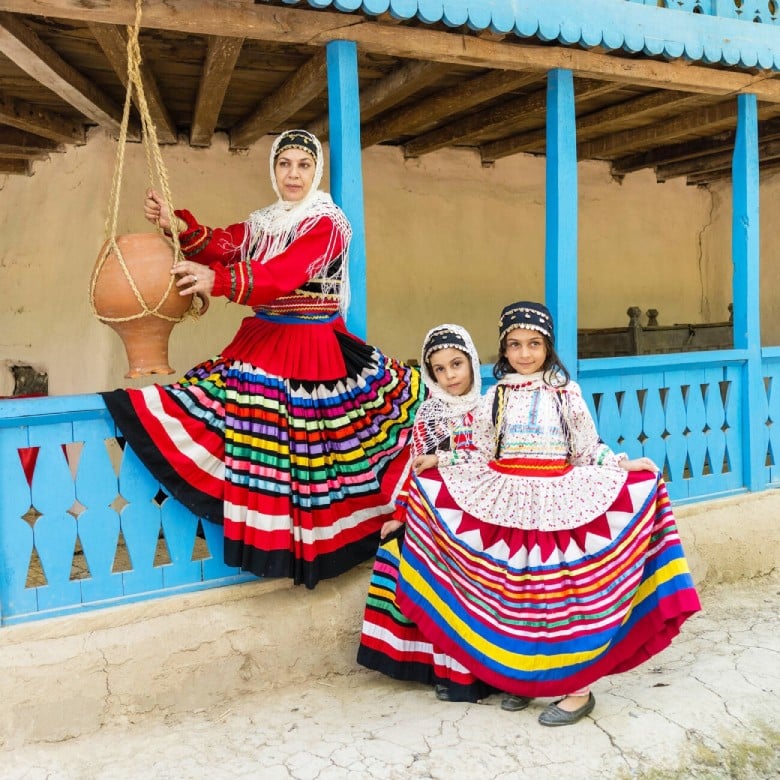
Researchers selected and documented buildings in their original villages. The structures were dismantled, moved and reassembled in Saravan. Grouping the buildings by region lets visitors compare houses and outbuildings from different parts of Gilan.
Look at where each household stored crops, kept animals and sheltered from rain. Those details make the differences between regions easier to see.
Best Hotels in Iran
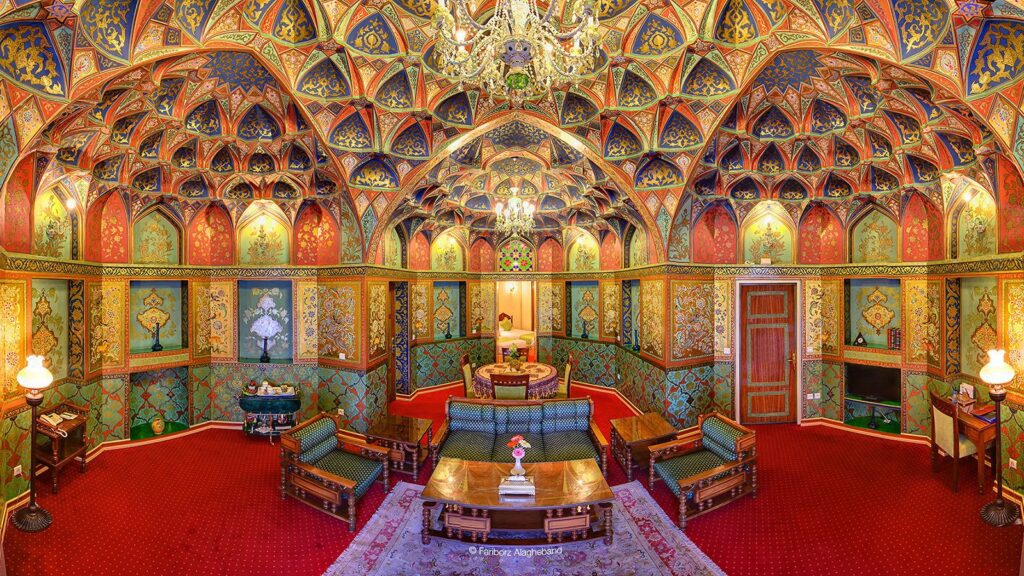
Traditional Displays and Games
The museum interprets regional traditions including Guli Bride, Gilemardi wrestling and lafandbazi. Demonstrations are occasional, so treat the descriptions below as cultural context for the exhibits.
Guli Bride: A Nowruz Performance
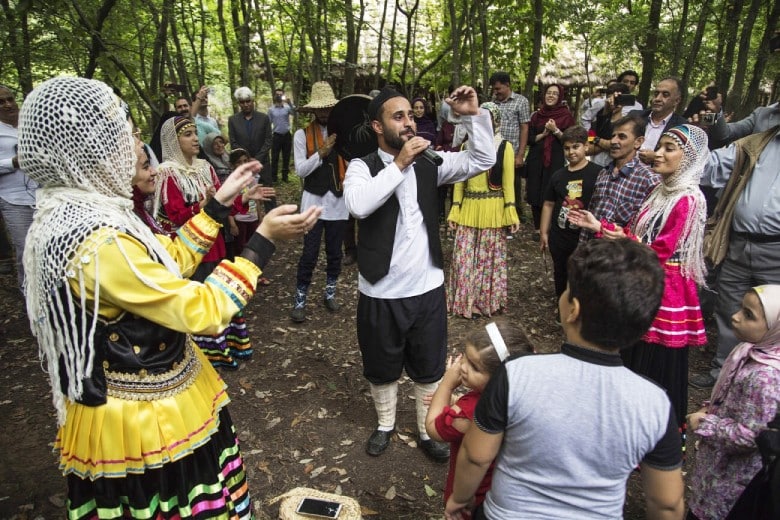
Guli Bride is a village performance associated with the weeks leading up to Nowruz. The characters and ending can vary between versions.
Gilemardi Wrestling
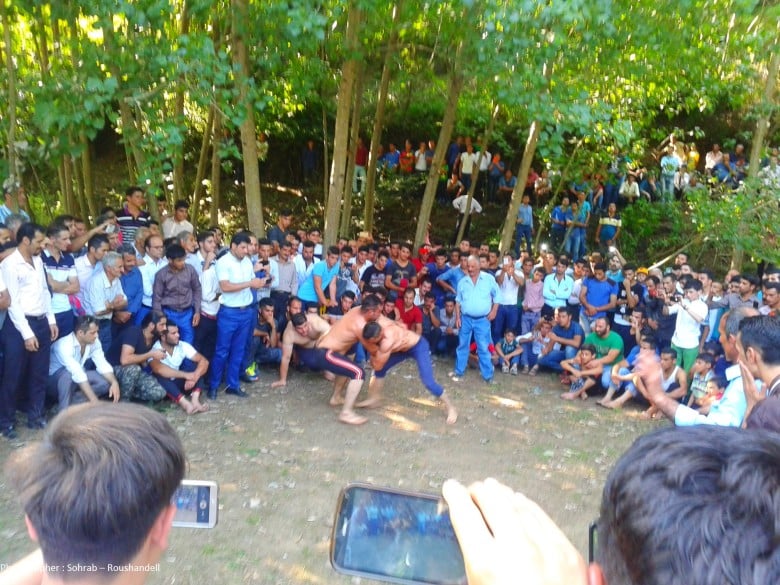
Gilemardi is a traditional wrestling competition associated with celebrations such as Nowruz and weddings. In the museum profile’s description, touching the ground with the hands or falling can decide the match.
Lafandbazi: Tightrope Performance
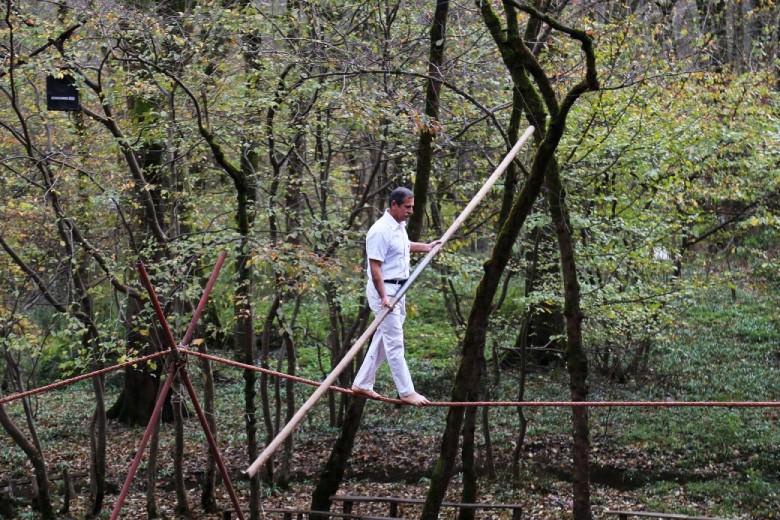
Lafandbazi is a traditional rope performance associated with gatherings such as Nowruz. Its appearance in museum interpretation does not establish a regular show schedule.
Planning Your Visit
This is an outdoor site with buildings spread across the grounds. Allow time for the paths between sections and bring footwear suited to damp ground. Ask the museum about current admission, opening hours and any demonstrations before setting out.
SURFIRAN Tours
Best Iran Tours
Conclusion
Start with a house in a plain section, then compare it with a building from the foothills or mountains. The differences in roofs, foundations and outbuildings tell much of the story.
Read More