National Museum of Iran: A Complete Visitor’s Guide
The National Museum of Iran: A Window into Ancient Civilizations

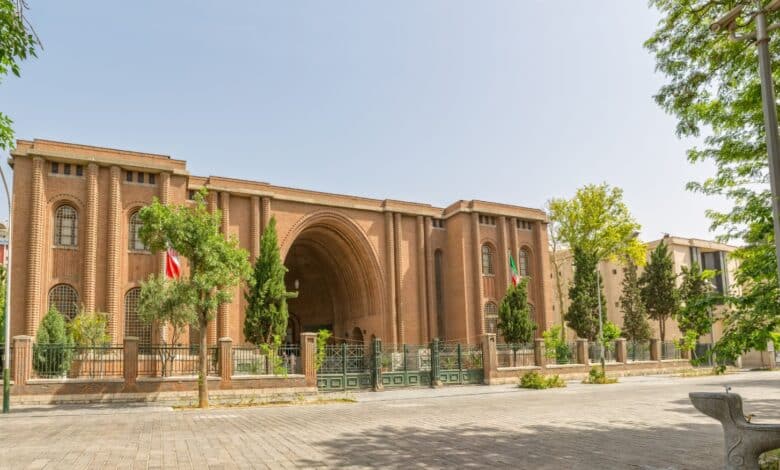
The National Museum of Iran in central Tehran has two main museums: Ancient Iran and Islamic Archaeology and Art of Iran. Together, they provide a chronological introduction to archaeological material from prehistoric communities through the Islamic periods.
Allow time for both buildings when planning a visit. A chronological route through the collections introduces different materials, technologies and artistic traditions, rather than treating the complex as one gallery of famous objects.
This guide introduces the buildings, selected objects and the practical questions involved in a visit. A named object in a collection, a temporary loan and an item currently on display are different things; the distinctions matter when choosing what to see.
The National Museum of Iran consists of the Iran Bastan Museum (Ancient Iran) and the Museum of Islamic Archaeology and Art of Iran, as well as eight research departments, the conservation department, the library and the archives.
The research departments are organized by archaeological periods and specialist topics. Their work concerns the objects’ materials, excavation contexts and historical interpretation as well as their care in the museum.
Contents
Historical Background
The museum’s Ancient Iran brochure describes its building as Iran’s first purpose-built museum. The building and its collections have separate histories: the museum opened in 1937, while its objects come from much earlier archaeological contexts.
Founding of the Museum
The foundation of the museum dates back to the 1930s, during the reign of Reza Shah Pahlavi, a period marked by significant modernization and cultural renaissance in Iran.
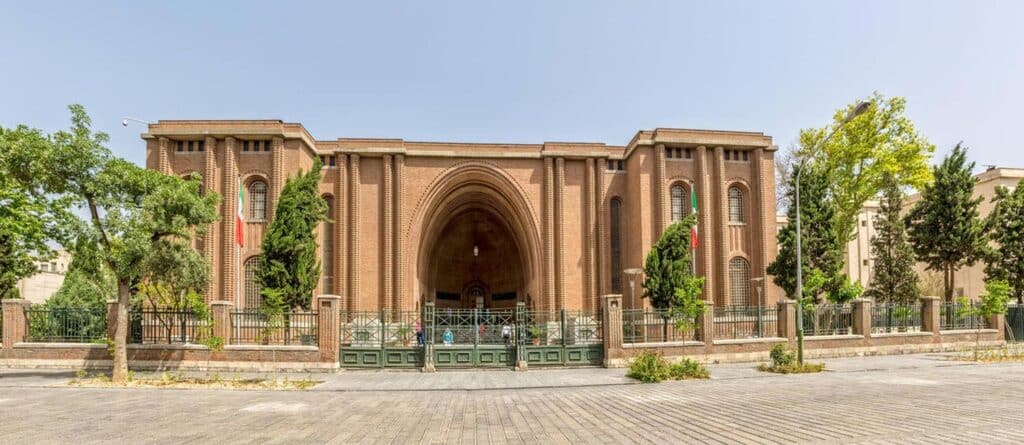
André Godard designed the Ancient Iran building, which opened to the public in 1937. Iranian master builders Abbas Ali Memar and Morad Tabrizi carried out the construction. A study in Iranian Studies distinguishes their work from that of Maxime Siroux, who designed the gardens for the museum and the neighboring National Library.
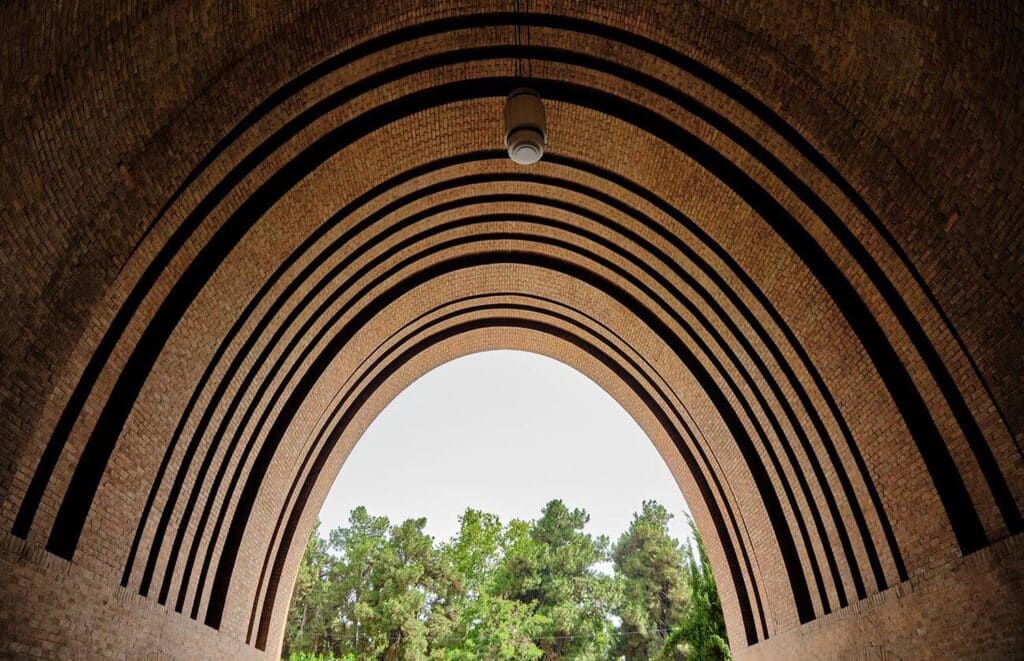
At the entrance, look for the tall brick iwan, a vaulted opening that frames the approach to the museum. Its profile echoes the much larger Sasanian arch at Ctesiphon, known as Taq Kasra. The building adapts that form to a modern museum entrance.
The museum officially opened its doors to the public in 1937, beginning with a modest collection of archaeological finds from key historical sites across Iran, including Persepolis, Susa, and Ecbatana. These artifacts laid the foundation for a growing collection that would come to represent every era of Iranian history.
Evolution Over the Decades
The Museum of Islamic Archaeology and Art of Iran opened in 1996. A further renovation began in 2006, and it reopened in 2015. The collections are arranged chronologically across two exhibition floors.
Throughout the decades, the museum has actively engaged in archaeological excavations and research. Many artifacts in its collection were unearthed during pivotal excavations carried out by Iranian and international teams, solidifying its status as a key institution for archaeological studies in the region.
Conservation involves professional training as well as the treatment of individual objects. ICCROM documents a preventive-conservation workshop held at this museum in January 2017.
Role in Preserving Iranian History
The Ancient Iran brochure places the prehistoric galleries on the first floor and the Bronze Age through Sasanian collections on the ground floor. This layout helps visitors follow changes in materials and technology without confusing the collection’s total holdings with the objects selected for exhibition.
Through its exhibitions, the museum not only celebrates Iran’s past but also fosters a sense of national pride. It acts as an educational hub, enlightening visitors—both Iranian and international—about the pivotal role Iran played in the development of human civilization. From the dawn of the agricultural revolution to the height of the Persian Empire and the flowering of Islamic art, the museum’s displays underscore the continuity and innovation of Iranian culture.
The distinction between caring for a collection and excavating a site matters. A museum exhibition, a research project and a professional workshop each require their own institutional record.
The National Museum of Iran stands as a bridge between the past and the present, offering visitors a deeper understanding of Iran’s complex and fascinating history. Its enduring mission is to preserve, educate, and inspire, making it a cornerstone of cultural and historical identity in Iran and beyond.
Architecture and Layout
The National Museum of Iran is not only a repository of historical artifacts but also a work of art in itself. Its architecture reflects a blend of traditional Iranian styles and modern design principles, making it a visual and cultural landmark in Tehran.
Exterior and Interior Design
The exterior’s brick patterns, arched windows and paired columns reward a closer look. The symmetry continues inside, where corridors run around two courtyards.
Inside, the Museum of Ancient Iran features wide, open halls with high ceilings that evoke a sense of grandeur. The neutral tones of the walls and floors provide a subtle backdrop, allowing the artifacts to stand out. Natural light filters through strategically placed windows, creating a serene ambiance that complements the historical significance of the exhibits.
Influence of Iranian and Modern Architectural Styles
The Islamic museum has an octagonal cross-shaped plan inspired by the Sasanian palace at Bishapur. The museum’s account places its Islamic collections on the first and second floors, with an auditorium and temporary exhibition space at ground level. The architectural reference therefore also reaches back to pre-Islamic Iran.
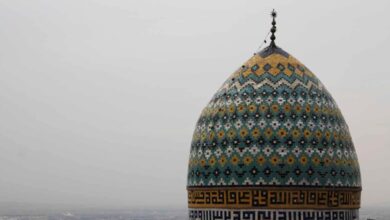
The newer wing incorporates Islamic geometric patterns and forms, echoing the rich tradition of Persian-Islamic design. This combination of styles not only celebrates Iran’s architectural evolution but also makes the museum itself a visual narrative of the country’s history, bridging the pre-Islamic and Islamic eras.
Featured Galleries and Collections
The National Museum of Iran houses a rich array of artifacts organized into thematic galleries, each offering a journey through distinct periods of the region’s history. Visitors can trace the evolution of human civilization from prehistoric times to the Islamic era, gaining a deep appreciation of Iran’s role in shaping global heritage.
Prehistoric Iran Gallery
The Prehistoric Iran Gallery is the starting point for exploring the earliest chapters of human history. This section showcases artifacts that span the Paleolithic, Neolithic, and Chalcolithic periods, reflecting the ingenuity of early inhabitants of the Iranian plateau.
Highlights of the Prehistoric Collection:
Stone tools from the Lower Paleolithic period, some over a million years old, reveal the survival strategies of early humans.
Pottery fragments from the Neolithic period display the earliest attempts at decoration, highlighting the growing complexity of early societies.
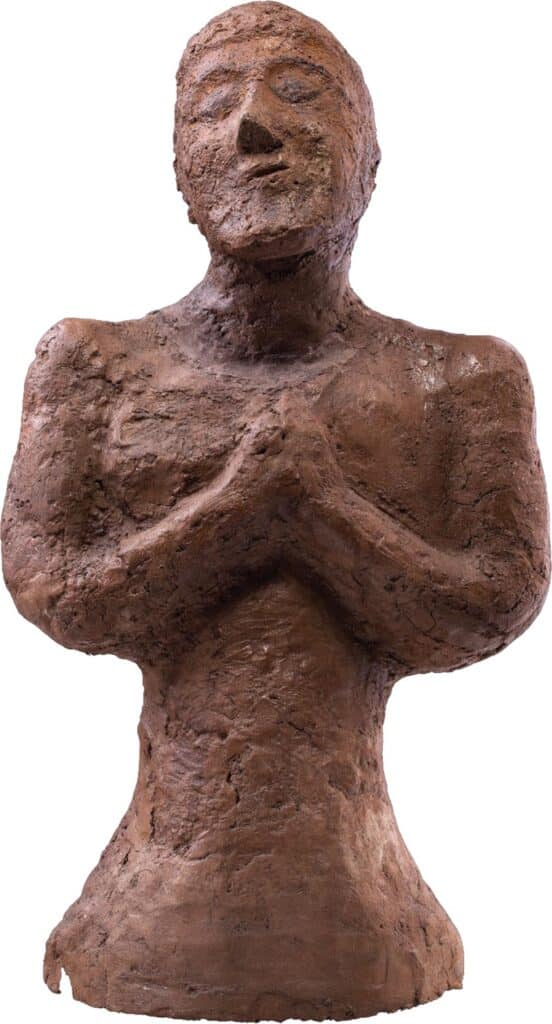
Clay figurines include examples from Sarab and Sang-e Chakhmaq. The museum’s brochure discusses possible religious meanings but says the beliefs themselves are not known. A small human figure should not automatically be identified as a fertility goddess.
Artifacts from ancient settlements like Tepe Sialk and Chogha Golan document advancements in agriculture, architecture, and community organization.
This gallery emphasizes the cultural continuity of early Iranian societies, demonstrating how innovations like pottery-making and farming contributed to the development of civilization.
Ancient Iran Gallery
The Ancient Iran Gallery transports visitors to the height of Persian civilization, covering the Elamite, Achaemenid, Parthian, and Sassanian periods. These eras established Iran as a cultural, political, and military powerhouse in the ancient world.
Highlights of the Ancient Collection:
Cyrus Cylinder and loans: The original is in the British Museum’s collection, which records a loan to Tehran in 2010. That historical loan does not establish that the original, or a replica, is part of today’s permanent display in Tehran.
Achaemenid reliefs and statues from Persepolis showcase the empire’s grandeur, including intricate carvings of delegations bringing tribute to the Persian king.
Oxus Treasure: This Achaemenid gold and silver collection belongs to the British Museum, whose published visitor map lists it in the Ancient Iran gallery. It should not be presented as a permanent National Museum of Iran exhibit.
Sassanian silver plates and coinage feature intricate designs that celebrate royal power and religious devotion.
This gallery not only presents the material wealth of ancient Iran but also delves into its contributions to art, governance, and the cultural exchanges that flourished along the Silk Road.
Islamic Iran Gallery
The Islamic Iran Gallery is a vibrant testament to the country’s artistic and intellectual flourishing during the Islamic era. This section spans over a millennium, highlighting the intricate interplay between tradition and innovation in art, science, and spirituality.
Highlights of the Islamic Collection:
Calligraphy masterpieces: The gallery features stunning Quranic manuscripts and examples of Persian calligraphy, showcasing the evolution of this revered art form.
Ceramics and tiles: Decorative objects adorned with geometric patterns, floral motifs, and Quranic verses illustrate the fusion of utility and beauty in Islamic art.
Textiles and carpets: Fine Persian rugs and fabrics demonstrate the expertise of Iranian artisans, known worldwide for their unparalleled skill.
Astronomical instruments and scientific texts: These artifacts reflect the contributions of Iranian scholars to the Islamic Golden Age.
Through its exhibits, this gallery highlights the lasting influence of Islamic art and culture, from architecture and poetry to philosophy and science.
Temporary Exhibitions
The National Museum of Iran regularly hosts temporary exhibitions, providing fresh perspectives on Iranian heritage and fostering cultural exchange. These exhibitions often feature collaborations with international museums and institutions, showcasing rare artifacts or exploring specific themes.
Notable Past Exhibitions:
The Louvre at Tehran (2018): The Louvre’s press release announced the exhibition for 6 March to 8 June 2018, with around 50 works from the Louvre and Musée Delacroix. The National Museum of Iran and the Louvre jointly organised it.
Human Search for Resources (2021): The National Museum announced this online exhibition alongside the German Mining Museum’s Death in Salt. The paired projects presented mining history and the archaeological research at Chehrabad, illustrating a documented form of international cooperation.
These are dated examples of past projects. Their titles and dates distinguish the museum’s exhibition history from its current programme; neither should be treated as an exhibition available during every visit.
Selected Ancient Objects and Historical Loans
- The Salt Man
- A naturally mummified man discovered in a salt mine in Zanjan, dating back to the Sassanian period. His clothing and tools offer insights into ancient mining life.
- Cyrus Cylinder: historical loan
- The original belongs to the British Museum and was loaned to Tehran in 2010. This loan history does not confirm a replica on permanent display in Tehran.
- Persepolis Stone Reliefs
- Carvings from the Achaemenid Empire that depict court life, ceremonies, and mythological motifs.
- The Life-Size Bronze Statue of Shami Man
- The 1.94-metre bronze figure, museum no. 2401, was found near Shami in Khuzestan in 1935. Trudy Kawami’s study explains that its head was cast separately and fitted to the body. Both arms are largely missing. Its jacket and loose leggings are useful details to compare with other Parthian-period representations; the clothing does not identify a named individual.
- Clay Tablets from Susa
- Examples of early administrative records and proto-writing systems, dating back to the Elamite period.
- Pottery from Tepe Sialk
- Prehistoric ceramics showcasing early Iranian craftsmanship and decorative motifs.
- Elamite Artifacts from Chogha Zanbil
- Objects including inscribed bulls and glazed ceramics from this UNESCO World Heritage site.
- Jiroft Culture Relics
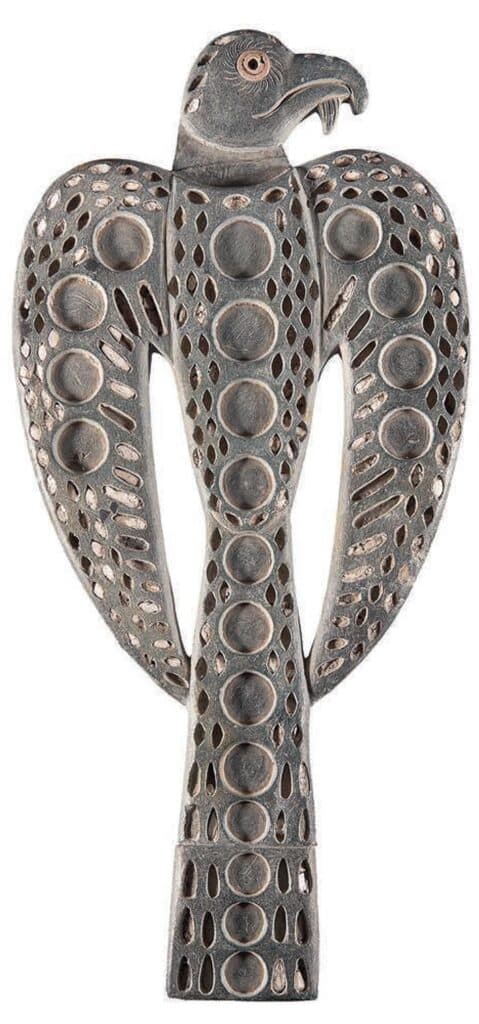
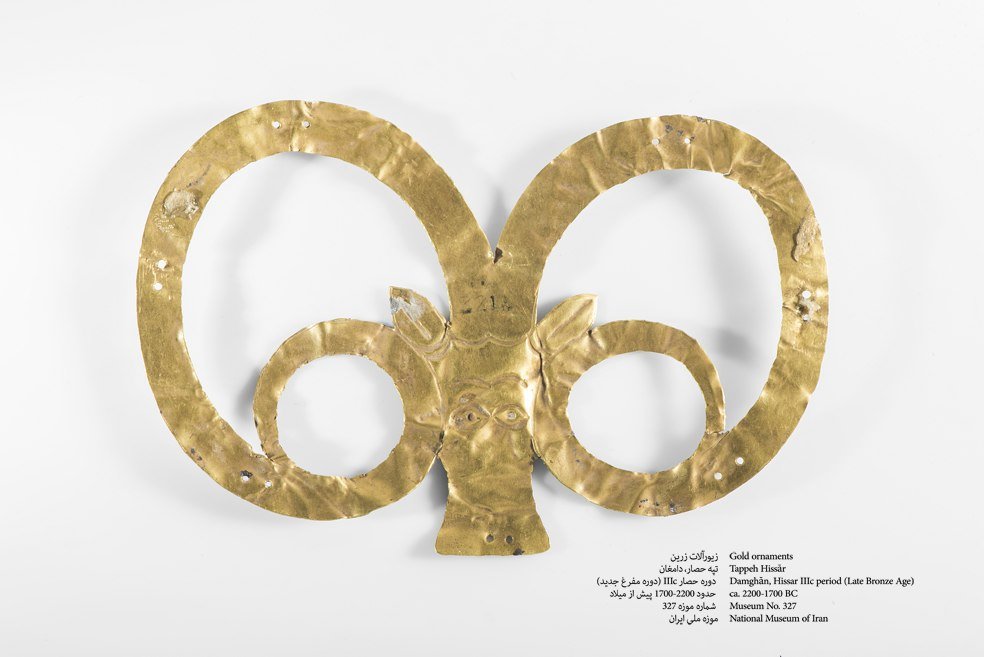
- Unique chlorite stone vessels depicting mythical creatures, hinting at the sophistication of this early Iranian civilization.
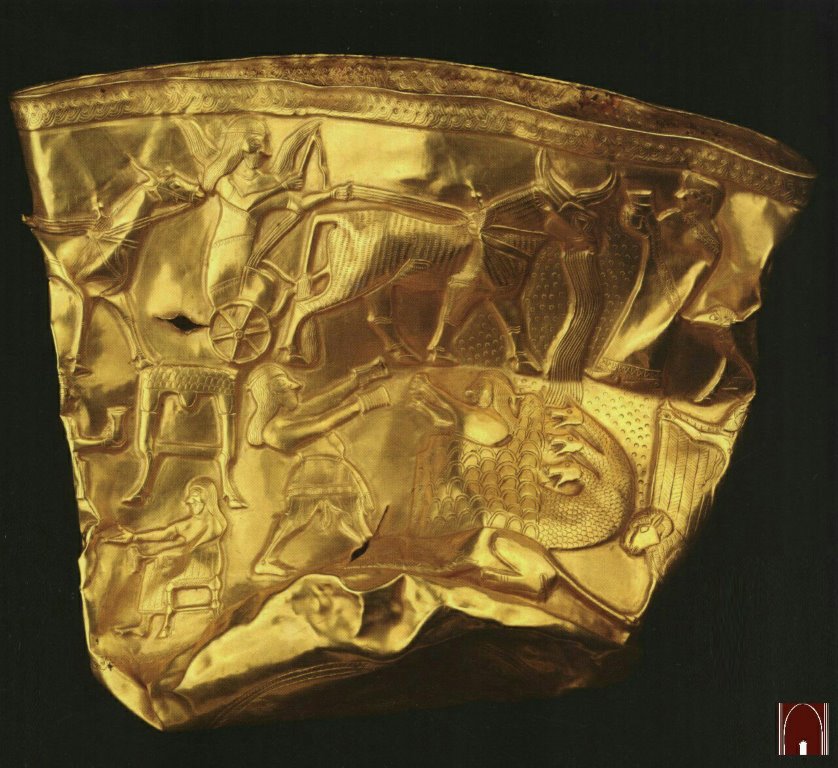
- Marlik Golden Cups
- Stunning examples of metalwork from the Iron Age, featuring animal motifs.
- Luristan Bronzes
- Decorative bronze artifacts such as ceremonial axes and horse trappings from the western regions of Iran.
Top 10 Must-See Artifacts in the Museum of the Islamic Era
- Ilkhanid Mihrab (Prayer Niche)
- The Islamic museum brochure identifies the lustre-painted tile mihrab known as the Gate of Paradise and dates it to 1333 CE. Its decoration connects the architectural prayer niche with the specialised tile production associated with Kashan.
- Reza Abbasi Pen and Ink Paintings
- Exquisite works by this renowned Safavid-era artist.
- The Quran of Ahmad Sohravardi
- A 14th-century illuminated manuscript in the Mohaqqaq script.
- Safavid Carpets
- Representing some of the finest examples of Persian carpet weaving, with intricate floral and geometric designs.
- Timurid Tiles
- Examples of Moarraq technique tiles showcasing the apex of Islamic decorative arts.
- Seljuk Pottery
- The brochure’s Seljuk section discusses fritware and minai decoration, in which painted designs were applied over the glaze. These techniques should be distinguished from the Iranian and Chinese motifs discussed in its later Timurid section.
- Qajar Lacquered Artifacts
- Mirror frames and pen cases adorned with vibrant oil-painted miniatures.
- Brass Astrolabe
- The brochure illustrates a brass astrolabe inlaid with silver and dated 1162 CE. Its engraved scales are a more specific feature to look for than a general claim about scientific innovation.
- Ceramics from Kashan and Kerman
- High-quality glazed pottery highlighting regional craftsmanship.
- Illuminated Manuscripts of Shahnameh
- Pages from Ferdowsi’s epic, showcasing the brilliance of Persian miniature painting.
Visitor Information
The National Museum of Iran is located in central Tehran, making it convenient for both locals and international visitors. The museum’s address is:
Si-e Tir Street, Emam Khomeini Avenue, Tehran, Iran.
Getting There:
Public Transport:
The museum is easily accessible via Tehran’s metro system. The nearest station is Emam Khomeini Metro Station (Line 1), just a short walk away.
Several bus routes also serve the area, with stops close to the museum.
By Car:
Visitors can reach the museum by car or taxi. Limited parking is available nearby, but public transport is recommended due to Tehran’s busy traffic.
Pedestrian Access:
Si-e Tir Street is a vibrant pedestrian-friendly area, ideal for exploring on foot before or after visiting the museum.
The museum’s central location makes it an ideal starting point for exploring Tehran’s cultural and historical sites.
Opening Hours and Ticket Pricing
Opening Hours:
The museum is open daily from 9:00 AM to 5:00 PM, except on certain national holidays. It’s recommended to check ahead for updates on opening times.
Ticket Pricing:
Tickets for international visitors are priced at 1000,000 IRR (subject to change).
Guided Tours and Language Support
The National Museum of Iran offers a range of services to enhance the visitor experience:
Guided Tours:
Professional guides are available to provide in-depth tours of the museum. Guided tours typically last 1.5 to 2 hours, covering major galleries and artifacts.
Visitors can arrange for group or private tours upon arrival or book in advance.
Language Support:
Information plaques in the museum are written in Persian and English.
Audio guides in multiple languages, including French, German, and Arabic, can be rented at the entrance.
Some tours are conducted in English for international visitors; it’s best to confirm availability ahead of time.
Self-guided exploration is also well-supported with maps and brochures available at the entrance.
Nearby Attractions
The museum’s location on Si-e Tir Street places it close to several other notable attractions, allowing visitors to explore more of Tehran’s rich history and culture.
- Glassware and Ceramics Museum of Iran (Abgineh Museum):
- A short walk from the National Museum, this museum displays exquisite glass and ceramic artifacts from various historical periods.
- Golestan Palace:
- A UNESCO World Heritage Site located about 10 minutes away by car or metro, showcasing stunning Qajar-era architecture and gardens.
- Tehran Bazaar:
- Ideal for exploring local commerce and traditional Iranian goods, the bazaar is just a short distance from the museum.
- Museum of the Qasr Prison:
- A fascinating historical site that offers insights into Iran’s modern history, accessible by taxi or metro from the museum.
Visitors can easily plan a full day exploring these cultural landmarks, all within close proximity to the National Museum of Iran.
Educational and Research Role of the National Museum of Iran
The National Museum of Iran is not just a repository of historical artifacts but also a vibrant center for education and research. Through its contributions to archaeological studies, international collaborations, and educational programs, the museum plays a vital role in fostering understanding and appreciation of Iran’s rich heritage.
Contributions to Archaeological Research
Godard’s career provides a documented example of the institution’s research history:
- Field research: Iranica describes Godard’s investigations of Luristan bronzes while directing the museum’s archaeological department.
- Publication: Research by André and Yedda Godard and other scholars appeared in Athar-e Iran, published in French from 1936 to 1949, with interruptions.
- Reassessment: Later scholarship rejected Godard’s Kassite attribution of the Luristan bronzes. Museum research develops through revision as well as discovery.
- Reading older studies: Distinguish an early interpretation from a present catalogue attribution. An excavation history does not by itself establish which object is on display today.
Through these efforts, the museum not only safeguards Iran’s heritage but also contributes to our broader understanding of human history.
Collaborative International Projects
The National Museum of Iran has actively partnered with international institutions to advance archaeological research and cultural understanding:
- Collection research: Gunvor Lindstroem of the German Archaeological Institute studied bronzes from Kal-e Chendar/Shami in the National Museum in 2015 and 2016. Her 2021 article compares casting techniques and alloys. This is a documented collection study, rather than evidence of joint excavation by every institution named in an exhibition history.
- Exchanges and Loans: The museum participates in global exhibitions, loaning key artifacts to museums worldwide. For example, the “Persian Empire” exhibition at the British Museum showcased treasures from the National Museum alongside other collections.
- Training Programs: Through partnerships with foreign universities and cultural organizations, the museum facilitates training in conservation techniques, digital documentation, and modern archaeological practices.
- Cultural Dialogues: The museum frequently hosts international conferences and symposia, fostering dialogue on topics such as heritage preservation and the ethical treatment of artifacts.
These collaborations enhance the global recognition of Iran’s cultural heritage and build bridges between nations through shared history and scholarship.
Educational Programs for Students and Enthusiasts
The National Museum of Iran is deeply committed to education, offering programs designed to engage audiences of all ages and backgrounds:
- Illustrated brochures: The two museum brochures combine period summaries, selected objects and floor plans, giving students a route from a historical overview to individual examples.
- Published scholarship: The Journal of Iran National Museum publishes object studies, including Lindstroem’s 2021 examination of the Shami bronzes.
- Research methods: Lindstroem’s study uses 3D reconstruction to investigate a damaged Hellenistic bronze head. This describes a scholarly method, not a hands-on activity offered to ordinary visitors.
- Floor plans: The downloadable Ancient Iran and Islamic museum plans distinguish the two buildings and their chronological routes. They are useful preparation for a self-guided visit.
- Professional training: ICCROM’s account of the January 2017 preventive-conservation workshop documents training for museum professionals. It does not establish a current programme of visitor courses or mock excavations.
By engaging students, scholars, and visitors, the museum ensures that Iran’s cultural legacy is not only preserved but also actively passed on to future generations.
Cultural and Global Significance of the National Museum of Iran
The museum’s buildings and collections offer different ways to approach Iranian history. Architectural study, object research and conservation training should be considered through specific documented examples.
Impact on Global Understanding of Iranian History
The museum provides a comprehensive narrative of Iran’s historical and cultural evolution, offering invaluable insights into a civilization that has shaped world history:
- Highlighting Iran’s Role in Early Civilizations: By showcasing artifacts from prehistoric periods to the rise of great empires, the museum illustrates Iran’s pivotal role in the development of agriculture, urbanization, and trade.
- Connecting Cultures: Items from the Achaemenid and Sassanian periods reveal Iran’s connections with other major civilizations, such as Greece, Rome, India, and China, through diplomacy, trade, and cultural exchanges.
- Promoting Academic Scholarship: The museum’s collections are extensively studied by international scholars, resulting in publications and exhibitions that bring Iranian history to a global audience.
- Combatting Misconceptions: Through its exhibitions and partnerships, the museum presents an authentic and nuanced picture of Iran’s rich history, countering oversimplified narratives often seen in mainstream media.
These contributions foster a deeper understanding of Iran’s influence on art, science, governance, and religion, enriching the global narrative of human civilization.
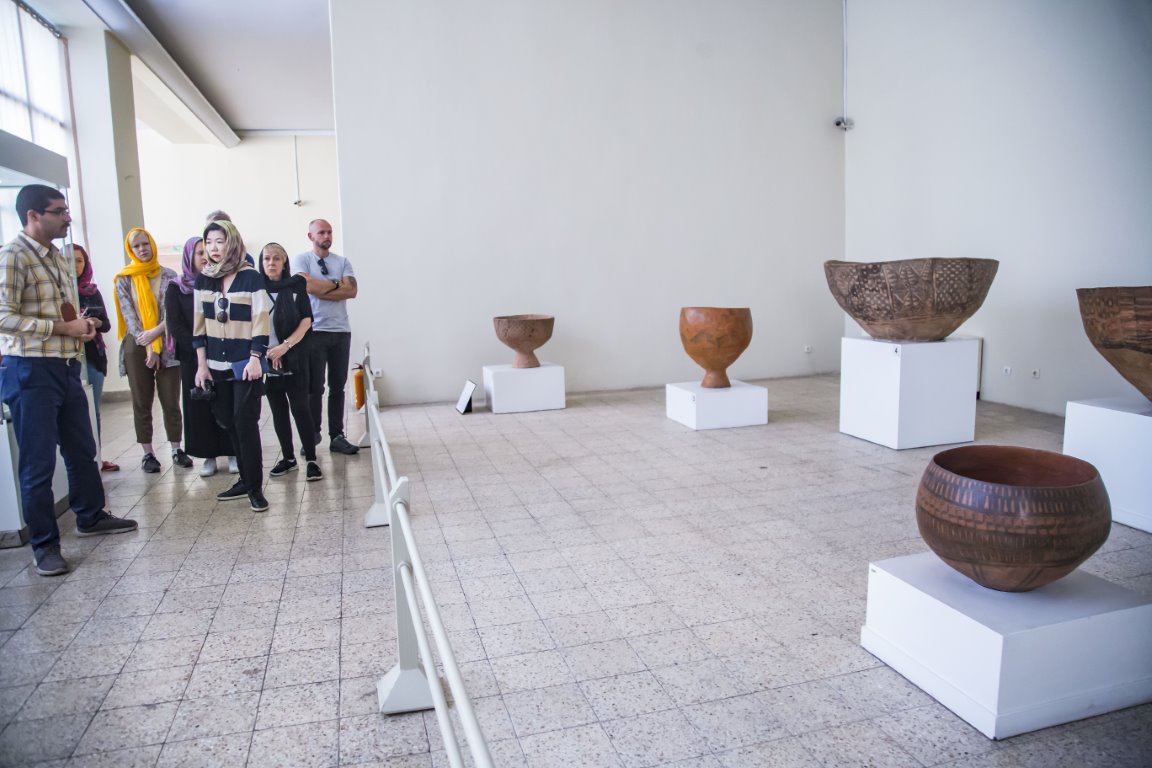
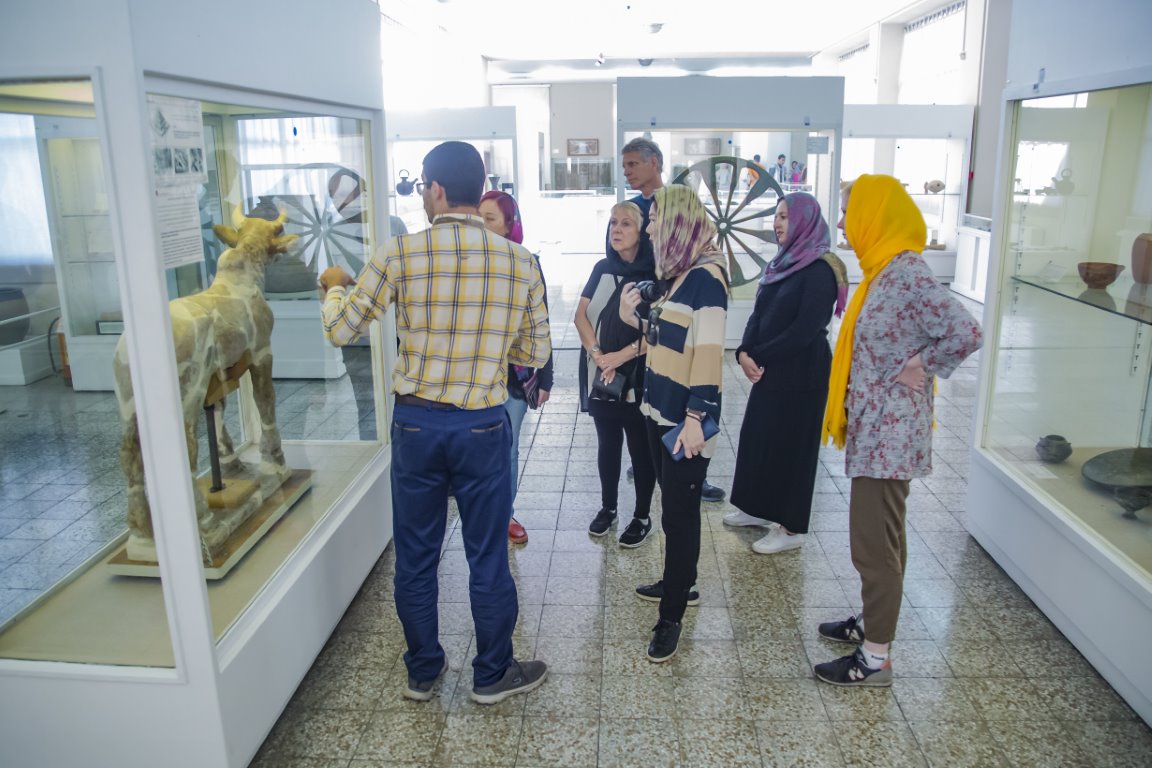
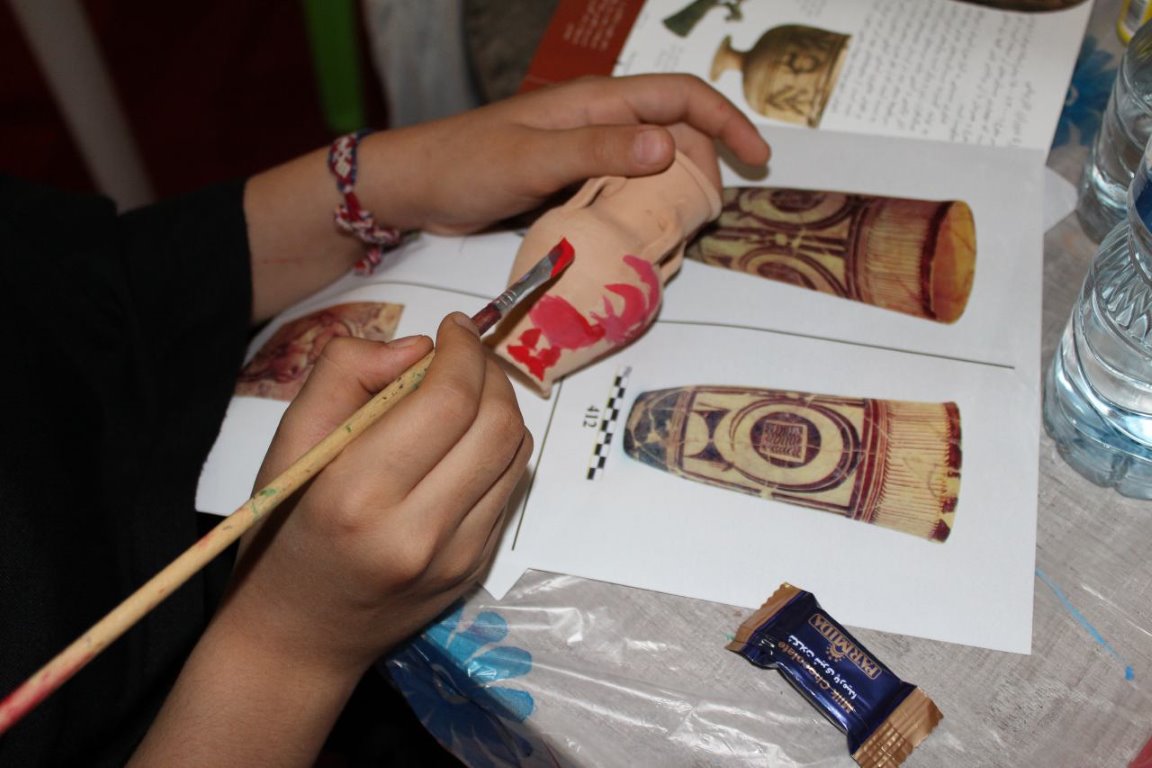
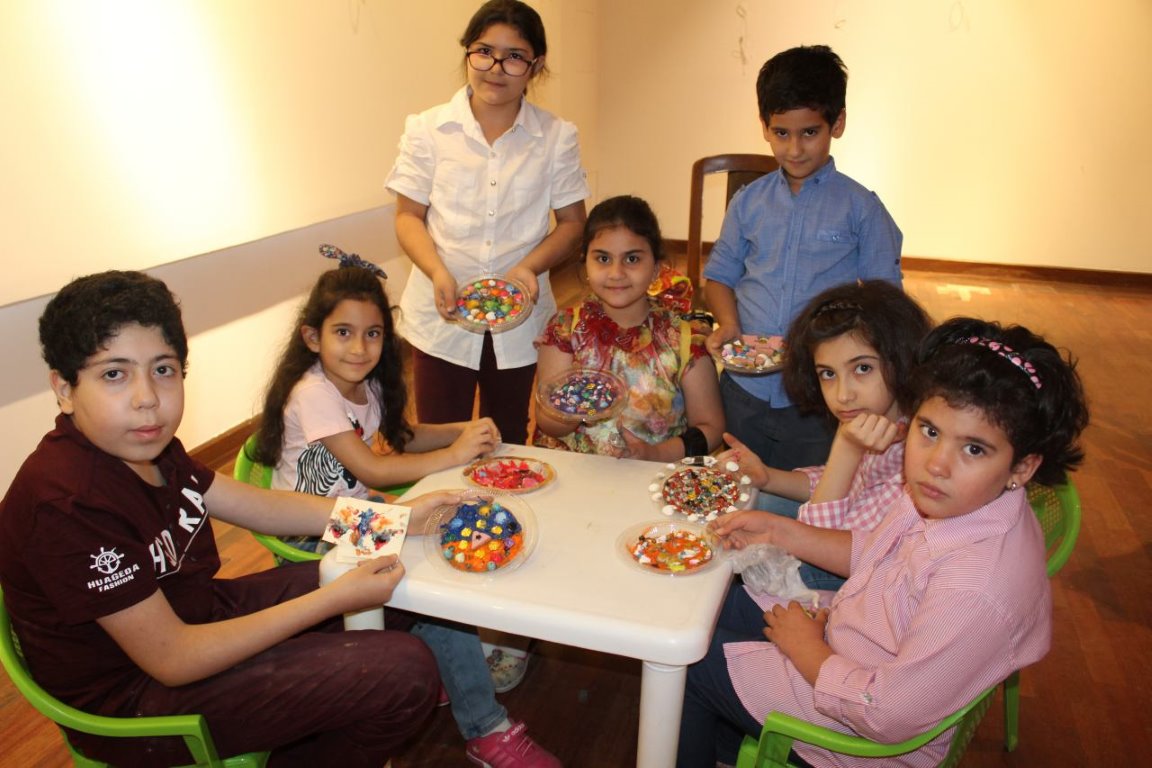
Museum of Ancient Iran photos
Documented Conservation Cooperation
ICCROM’s workshop report records a specific example of professional cooperation at the National Museum of Iran:
- Dates and place: The International Training Workshop on the Museum Environment and Preventive Conservation took place at the museum on 8–12 January 2017.
- Organisers: The Research Center for Conservation of Cultural Relics and ICOM-Iran organised the workshop.
- Participants: It brought together 34 museum professionals from Iran, Armenia, Kazakhstan, Pakistan, Turkmenistan and Turkey.
- ICCROM’s contribution: A three-day introduction to preventive conservation formed part of the workshop.
What This Cooperation Demonstrates
This dated event concerns the care of museum collections. It is not an announcement of a visitor course or evidence that the museum itself has World Heritage status.
Conclusion
The National Museum of Iran stands as a vital destination for anyone seeking to understand the roots of human civilization and the enduring influence of Persian culture. Its extensive collections, covering thousands of years of history, offer visitors a rare opportunity to connect with the artistic, scientific, and spiritual achievements of ancient and Islamic-era Iran.
Why the National Museum of Iran Is a Must-Visit
- Chronological route: The two buildings connect prehistoric and ancient material with Islamic-era collections, allowing visitors to compare objects across periods.
- Architecture: The Ancient Iran entrance refers to Taq Kasra at Ctesiphon, while the Islamic museum’s plan draws on the Sasanian palace at Bishapur.
- Global Relevance: The museum highlights Iran’s pivotal role in global history, offering insights into the exchanges and innovations that shaped civilizations across continents.
- Dynamic Visitor Experience: With its guided tours, temporary exhibitions, and educational programs, the museum offers an engaging experience for history enthusiasts and casual visitors alike.
Final Thoughts on Its Legacy and Influence
The National Museum of Iran is more than a repository of artifacts—it is a guardian of a nation’s identity and a bridge to the world. Its dedication to preserving and sharing Iran’s cultural heritage fosters a deeper understanding of the interconnectedness of human civilizations.
Through its collaborations, educational programs, and ongoing research, the museum continues to inspire curiosity and respect for the past. For visitors, it is not merely a museum but a gateway to exploring the rich history, art, and culture of Iran.
A visit to the National Museum of Iran lets you follow the material record of people who lived across many periods of Iranian history.
Sources for the Revised Sections
National Museum of Iran. (n.d.). About the museum; (2021, April 9). New exhibition: Human Search for Resources. Gran-Aymerich, È., & Marefat, M. (2001, updated 2013). Godard, André. Encyclopaedia Iranica. Musée du Louvre. (2018). The Louvre at Tehran. British Museum. (2021). Annual review 2020–21; (2024). Visitor map. ICCROM. (2017). Training workshop on preventive conservation held in Tehran. Sources inspected on 2 November 2026. Kawami, T. S. (2016). Shami statue. Encyclopaedia Iranica. Lindstroem, G. (2021). The portrait of a Hellenistic ruler and other bronze sculptures from Kal-e Chendar/Shami. Journal of Iran National Museum, 2(1), 177–196. National Museum of Iran. (n.d.). Ancient Iran and Islamic Archaeology and Art of Iran brochures and plans.
Read More