Rice Cultivation in Iran: The Ultimate Guide
History, Cultivation and traditional Iranian rice-based foods

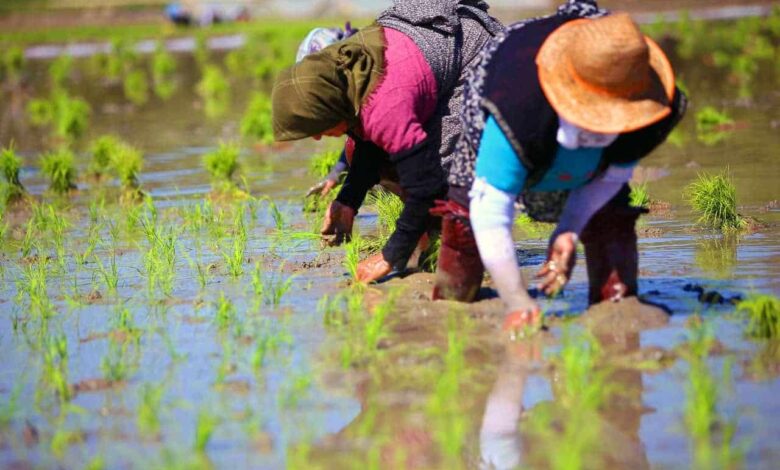
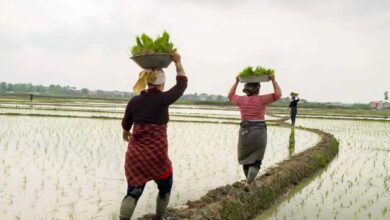
Each spring, rice farmers prepare the lowland paddies of Gilan and Mazandaran along Iran’s Caspian coast. Irrigation, transplanting and harvesting shape the region’s agricultural calendar and landscape.
Rice is central to Persian cuisine, especially in the Caspian provinces. In drier regions, bread historically played a larger role, but rice now accompanies many familiar meals, from stews to kebabs.
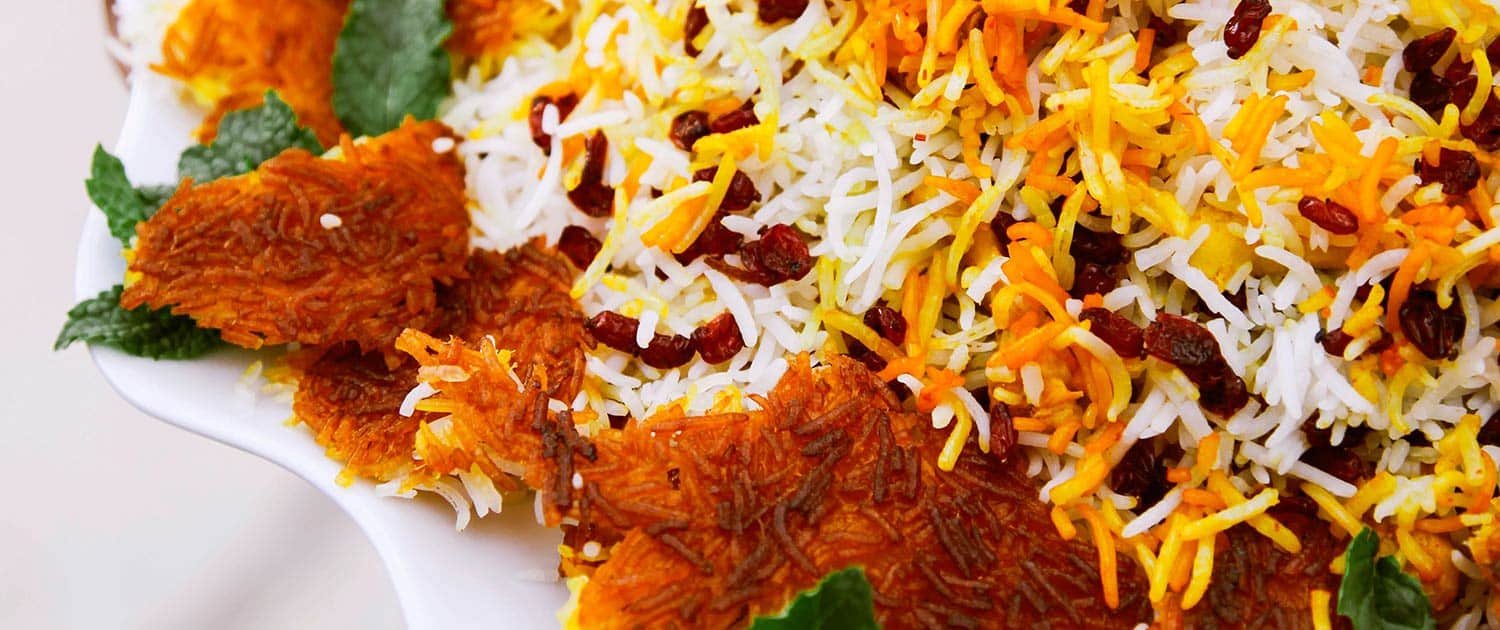
Rice varieties, aroma and preparation methods vary by region and household. Northern markets sell locally grown rice, and cooks often value grain that has been properly dried and stored. This guide explores the crop’s history, the Caspian landscape and the dishes that make Iranian rice distinctive.
Contents
The History of Rice in Iran
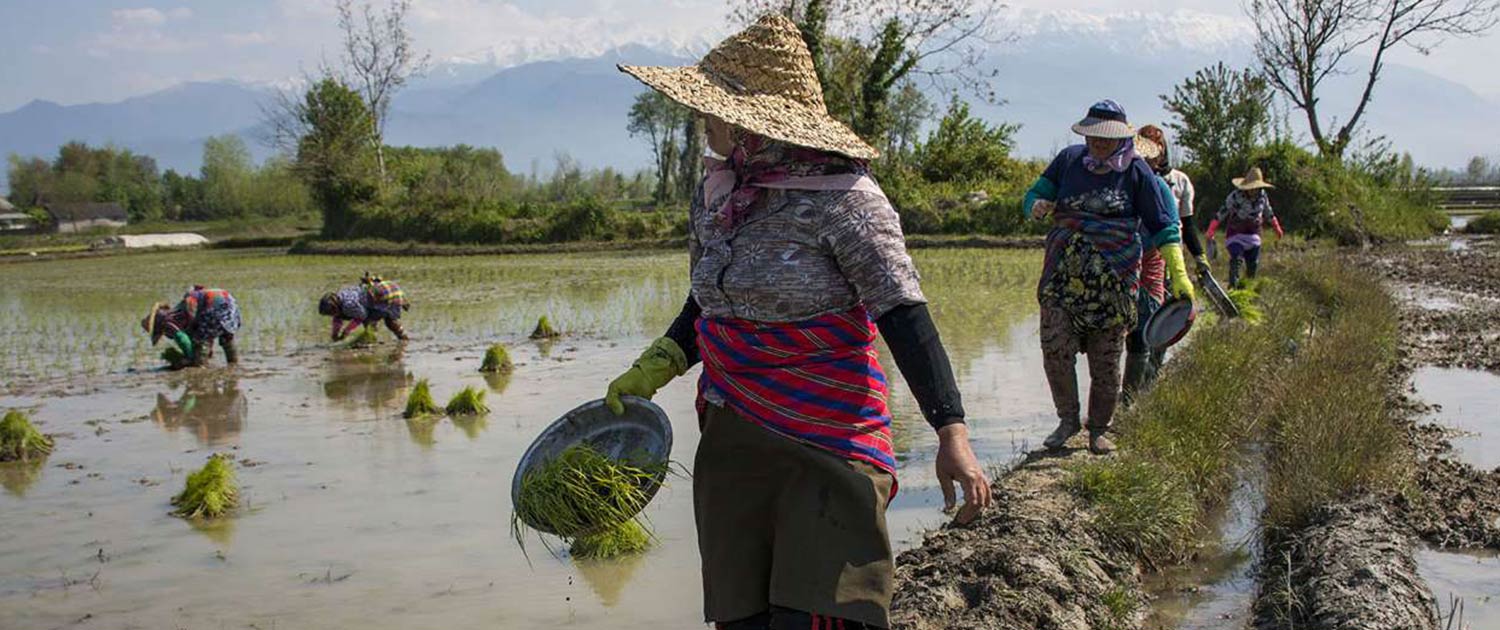
The precise date when rice cultivation reached Iran remains uncertain. Researchers have proposed several routes and periods of introduction, but the surviving evidence does not support one definitive account. Rice was established in parts of Iran by the medieval period and appears in accounts of Iranian cooking from earlier centuries. See Encyclopaedia Iranica’s historical survey for the evidence.
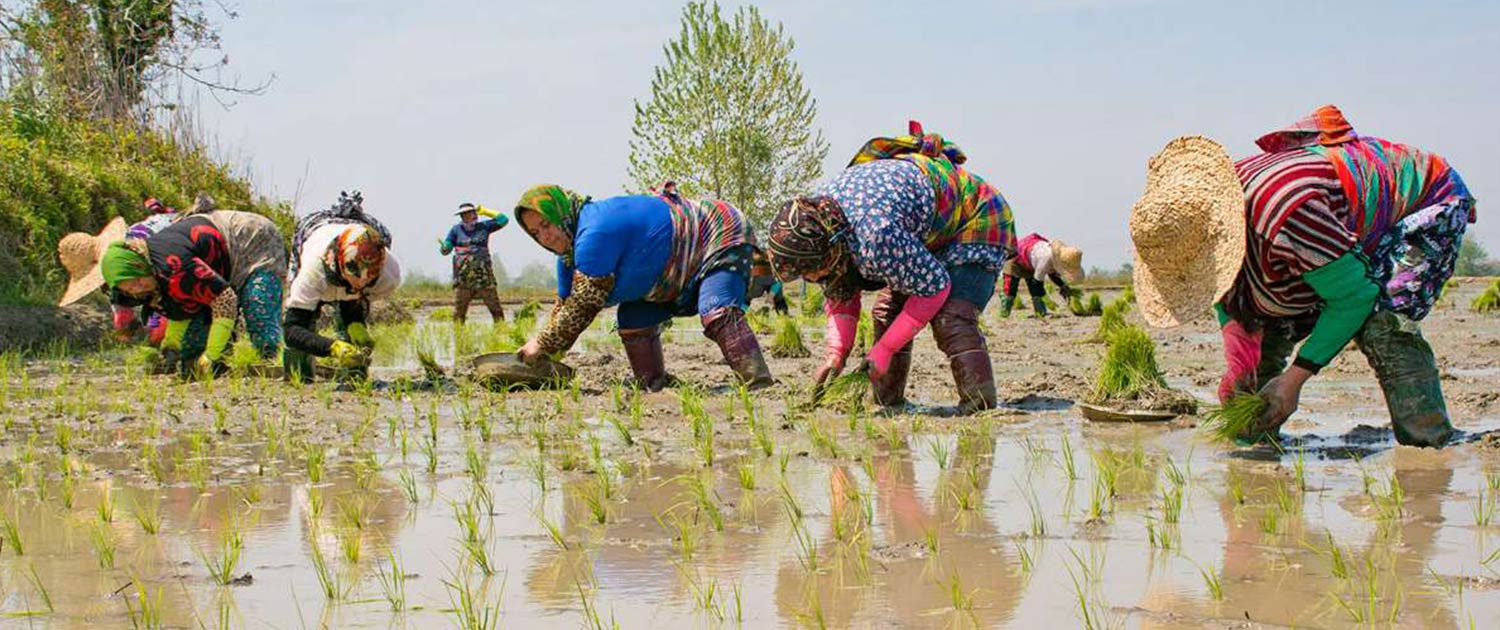
Rice Fields in Gilan and Mazandaran
The Caspian provinces of Gilan and Mazandaran are important centres of Iranian rice cultivation. Rainfall, rivers and irrigation support paddies that contrast with drier landscapes inland. Historical percentages for farmland and harvests should not be presented as current statistics without dated agricultural data.
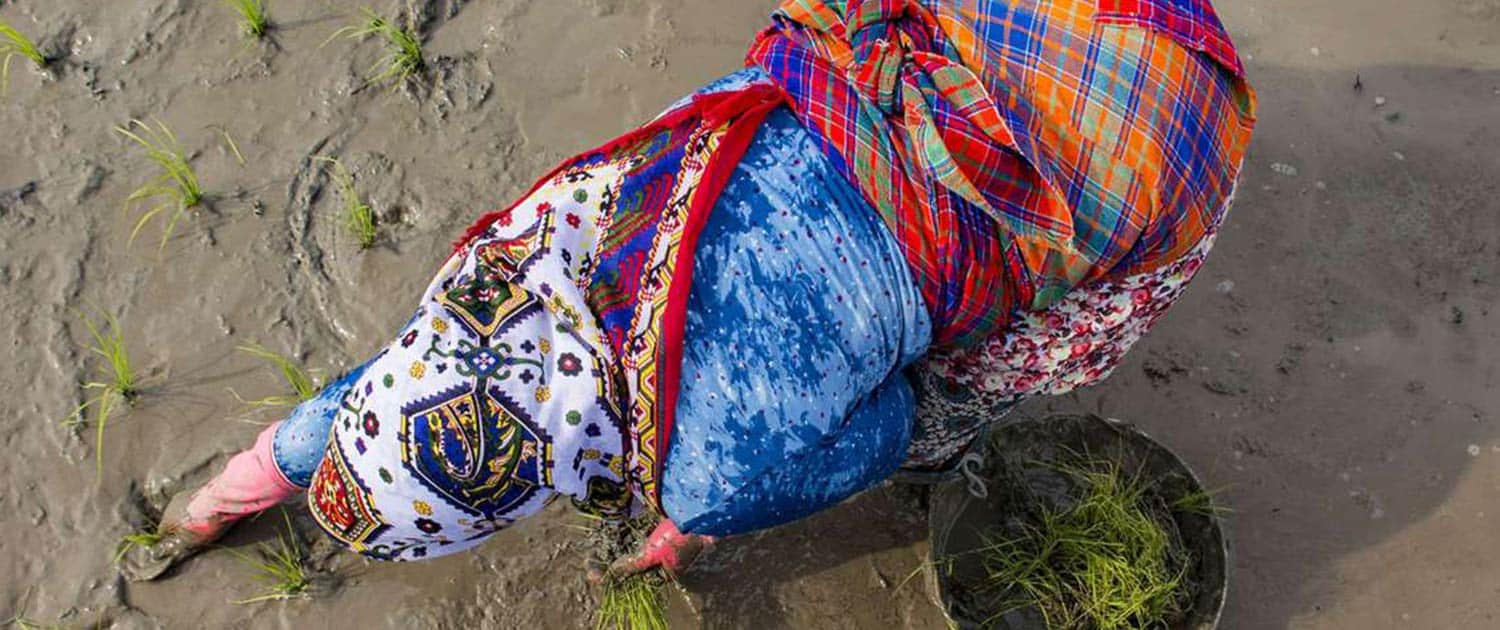
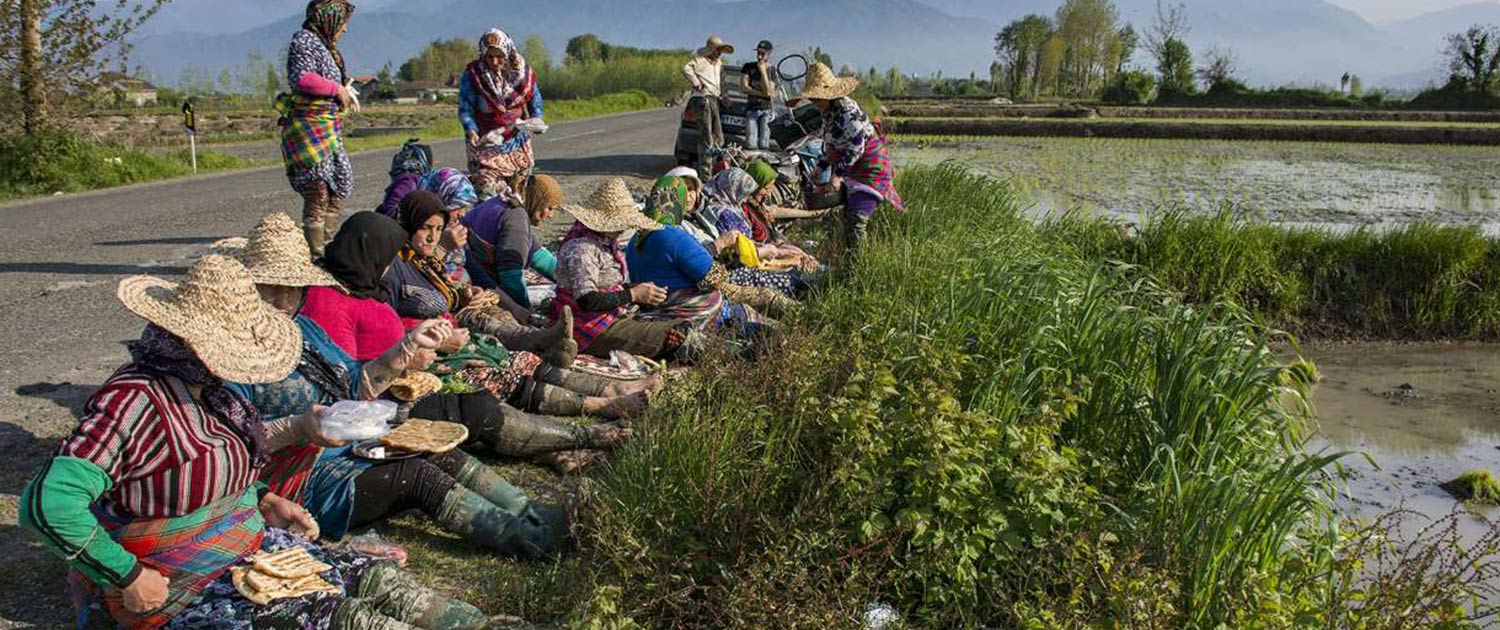
Farm work follows local weather and water availability. Seedlings are raised and transplanted during the growing season, with harvesting later in the year. Women have long played a substantial role in rice cultivation in many Caspian communities. See our Gilan rice-field photo essay.
How Iranians Cook Rice
Regional rice names include Tarom, Domsiah and Champa. Iranian cooks distinguish chelow, usually plain rice served with kebabs or stews, from polow, rice cooked or layered with herbs, beans, meat or fruit. Kateh uses the absorption method, while dami often combines rice and other ingredients in one pot. Read more in Encyclopaedia Iranica’s guide to Iranian rice cooking.
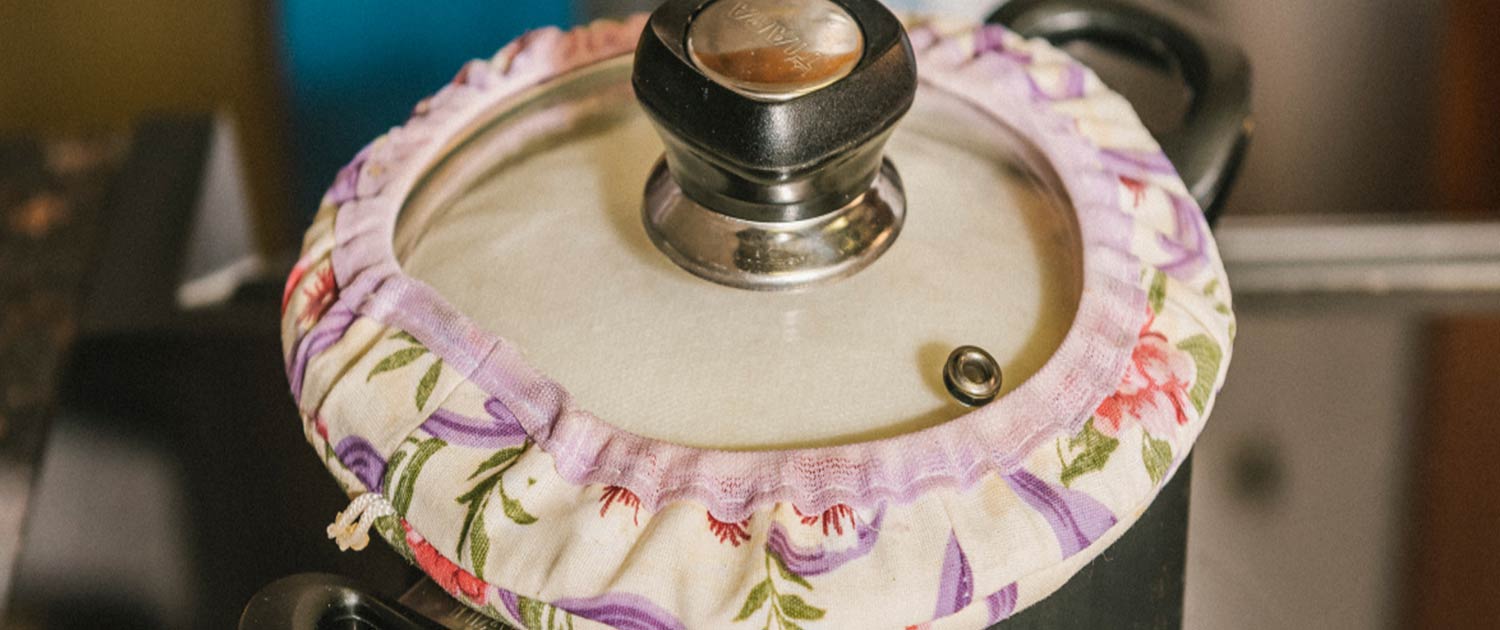
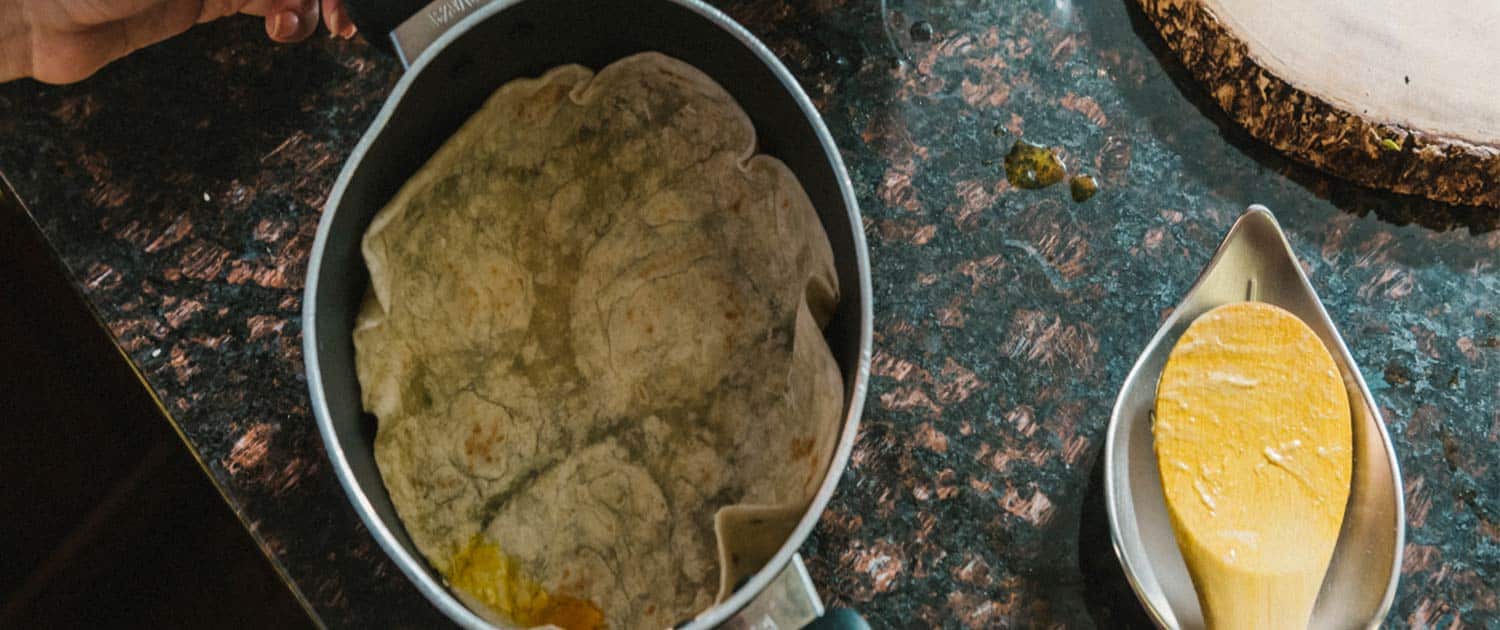
Many cooks use a damkoni, a clean cloth cover fitted over the lid to manage steam and condensation while rice finishes cooking.
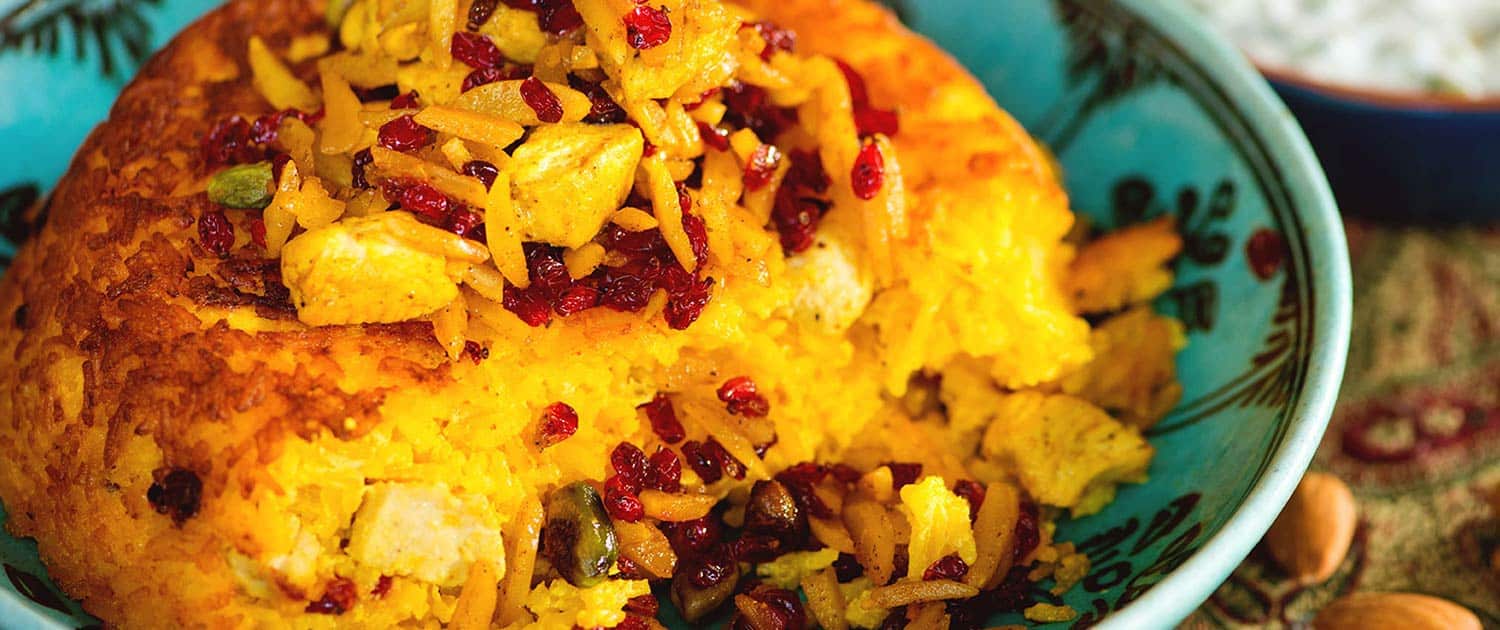
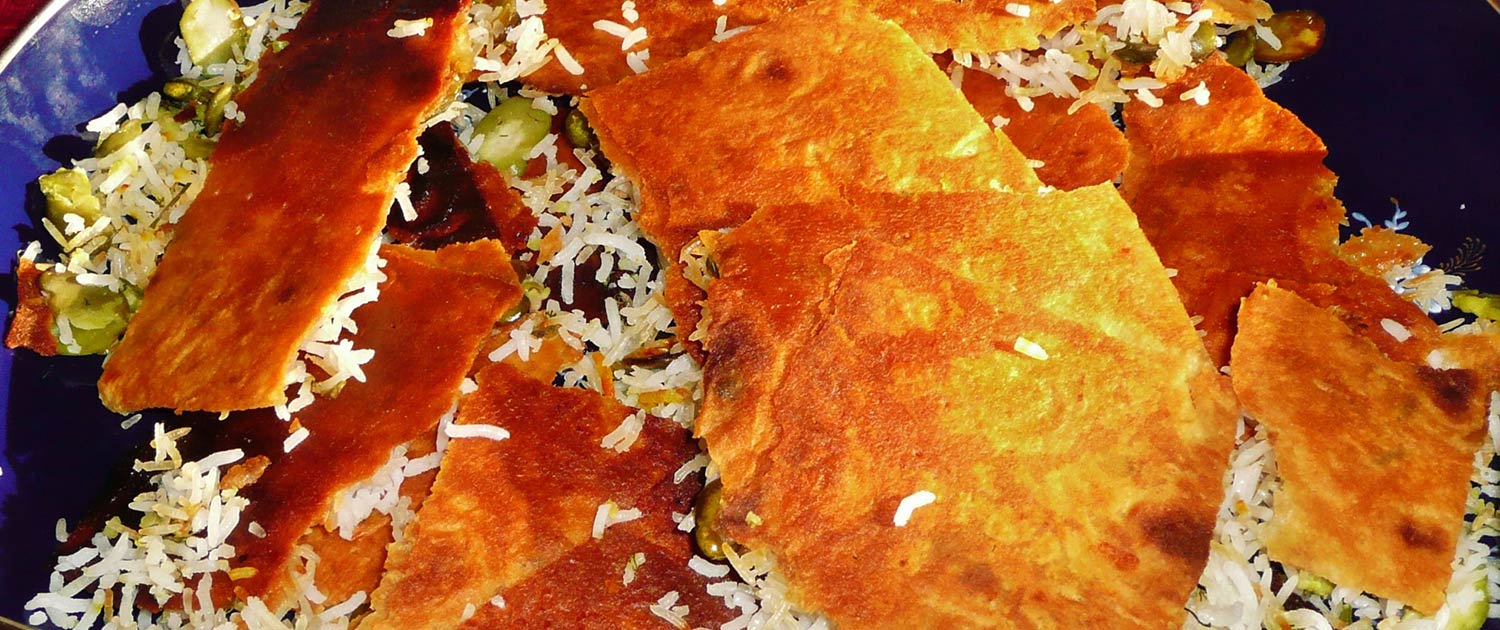
A favourite result is tahdig, the crisp golden layer formed at the bottom of the pot. Depending on the recipe, cooks use rice itself, thin bread or slices of potato to create the crust.
Popular Iranian Rice Dishes
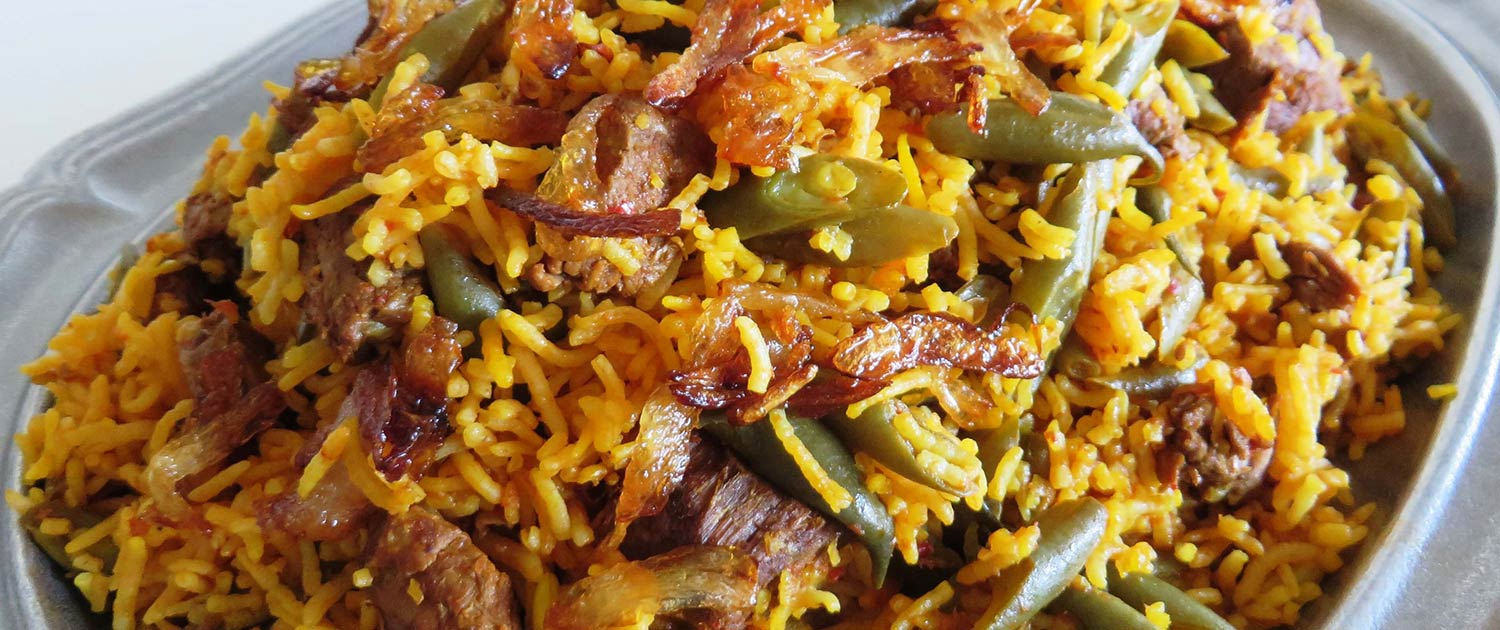
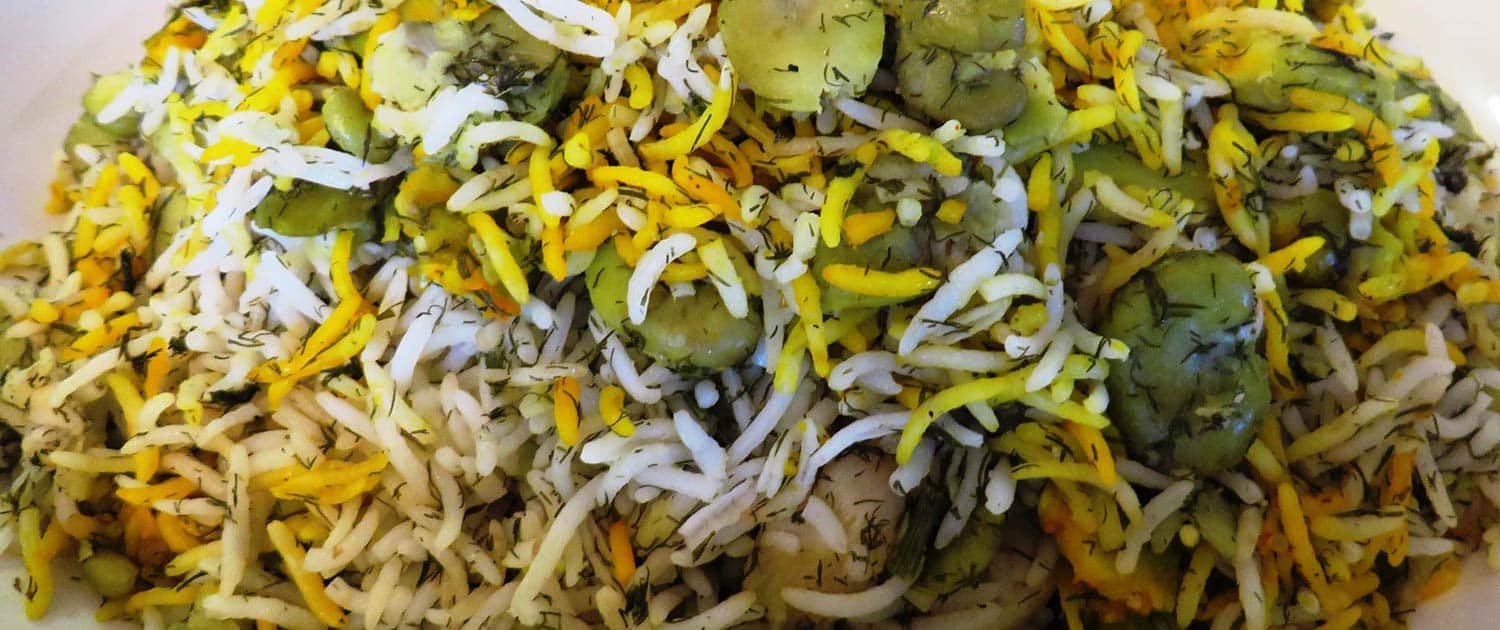
Popular dishes include baghali polow with fava beans and dill, sabzi polow with herbs, zereshk polow with barberries, tahchin with saffron and yogurt, lubia polow with green beans and adas polow with lentils. Explore Persian dishes and our baghali polow recipe.
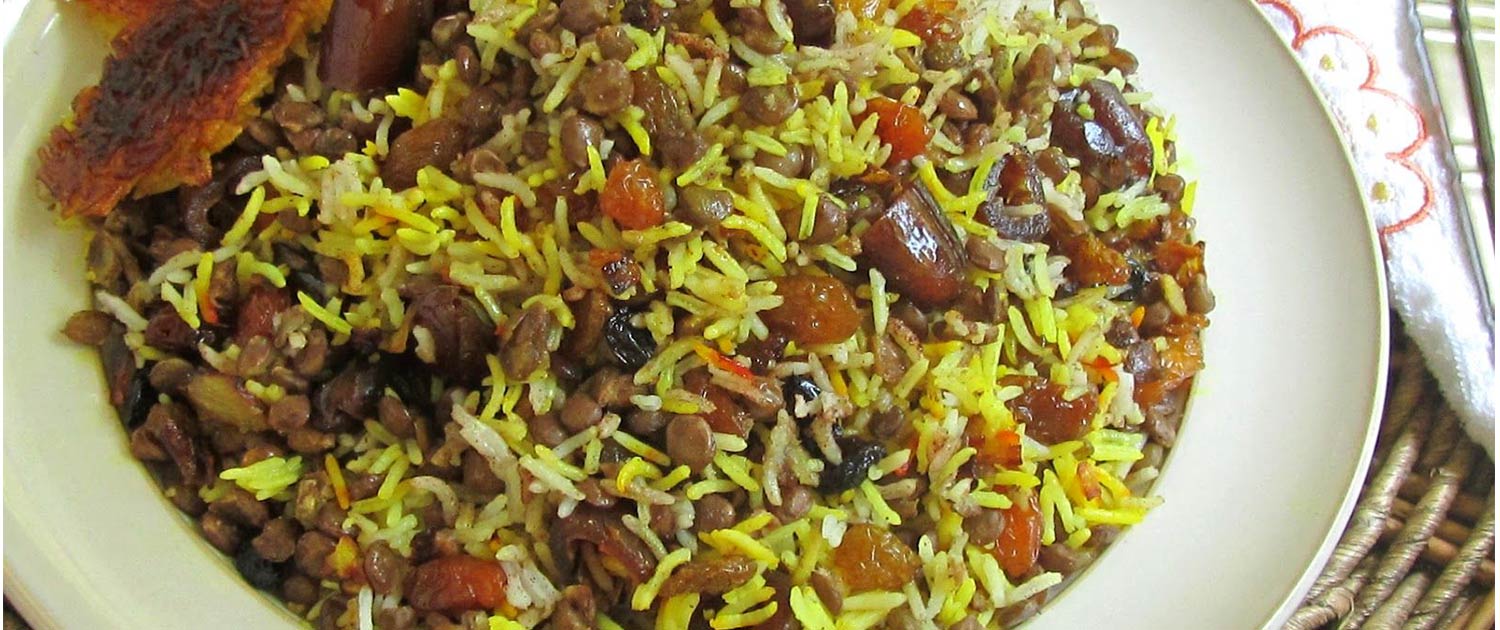
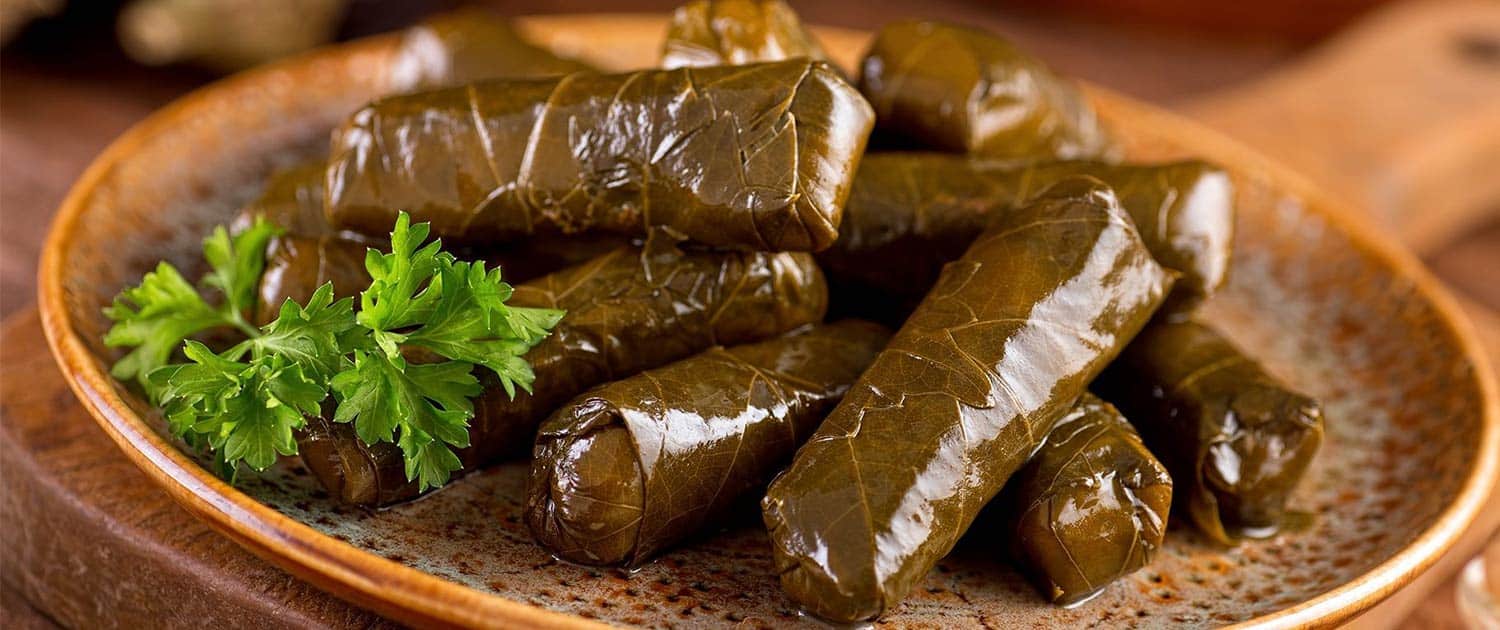
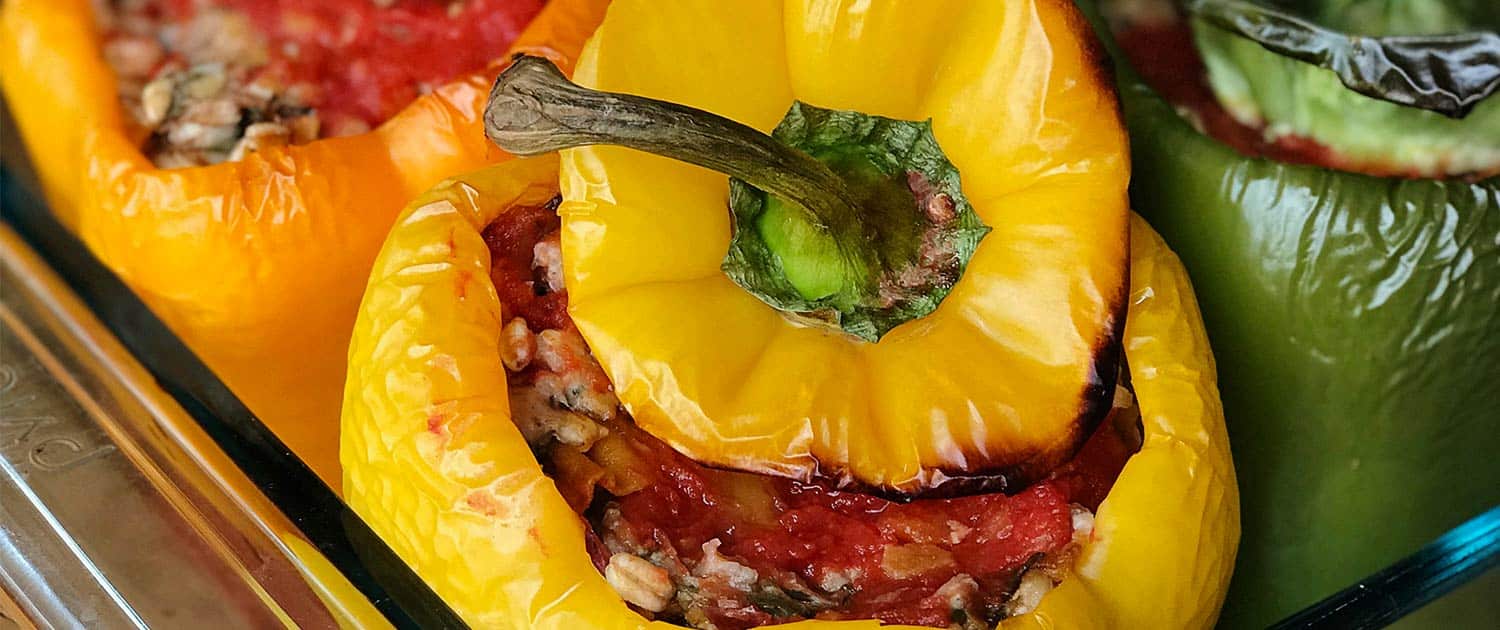
Rice also appears in dolmeh, stuffed vegetables or grape leaves filled with combinations of rice, herbs, spices and sometimes meat. Recipes vary widely by region and household.
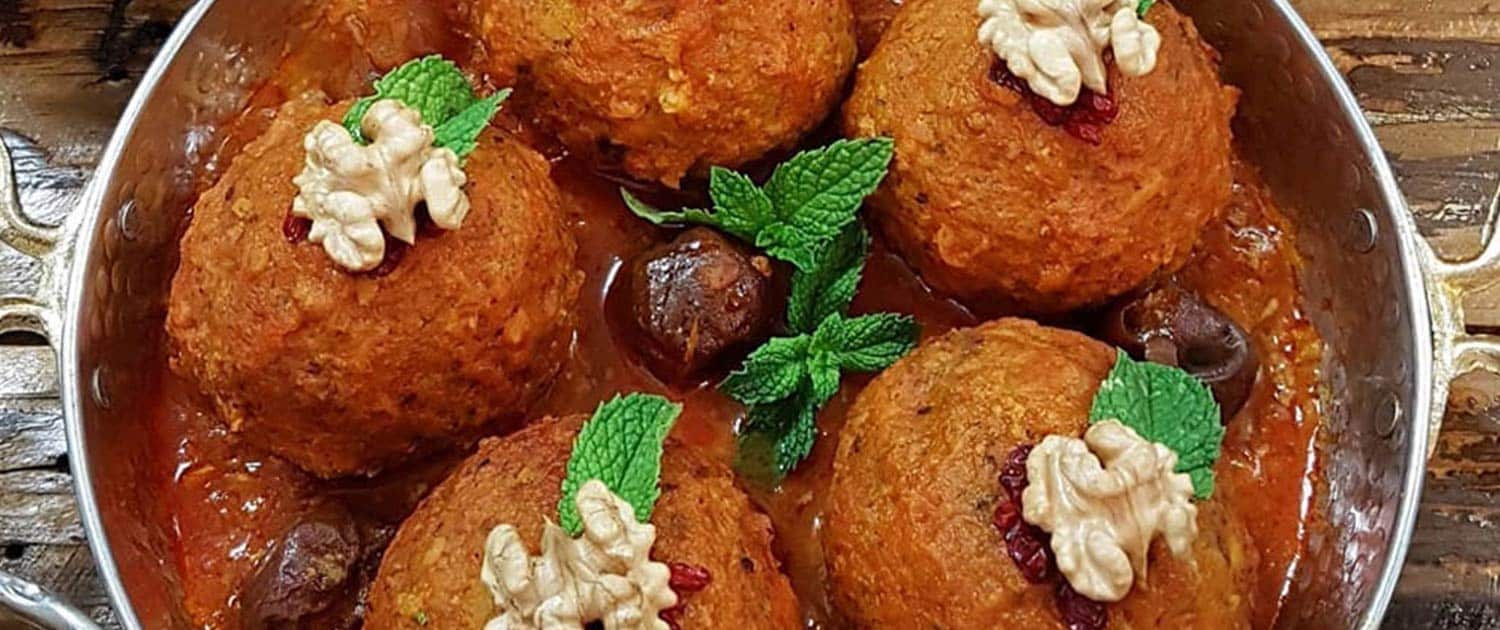
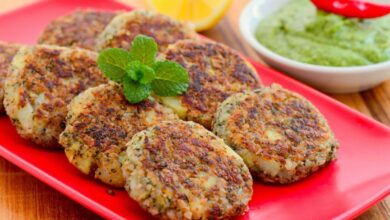
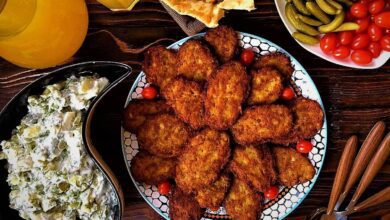
Regional versions of kufteh, seasoned meatballs, may contain rice, pulses and herbs. These dishes show how one staple ingredient connects everyday home cooking with festive meals.
Read More
Sources: Rice cultivation in Iran and Rice in Iranian cooking, Encyclopaedia Iranica.

Hi. I enjoyed reading your article. I was looking for the roots of different styles of cooking rice in Iran, meaning Kateh and Abkeshi. Do you know the roots or history of Abkeshi style?