Planning a trip from Indonesia to Iran requires more than choosing a route. Entry rules, security conditions, payment options and transport services can change quickly. This guide explains the practical questions Indonesian passport holders should check before booking, alongside the cultural highlights that make Iran distinctive.
Contents
Travel advice and safety for Indonesian visitors
Important travel advisory: In a statement reported on 12 January 2026, Indonesia’s Ministry of Foreign Affairs advised Indonesians to postpone travel to Iran until security conditions improved. A report of that official statement also urged Indonesian citizens in Iran to avoid demonstrations and large gatherings and stay in contact with the Indonesian Embassy in Tehran. A further 23 February 2026 update reported that Indonesia’s heightened security preparedness for Iran remained in place. Travellers should check for more recent official updates, as conditions may have changed since these reports.
Check the latest Indonesian foreign ministry and embassy notices, airline operations and your insurer’s coverage before committing to travel. Do not rely on older statements describing Iran as universally safe or guaranteeing unrestricted access.
Official update: Indonesia’s Ministry of Foreign Affairs Safe Travel portal lists an advisory dated 1 March 2026 about the situation in Iran and the wider Middle East. Read that notice and any newer alerts directly on the official portal before planning travel. Indonesian citizens can also use the portal to register overseas travel.
Iran visa and entry rules for Indonesian passport holders
Do not assume that a visa on arrival is available at every airport or that any previously advertised visa-free period still applies. Entry conditions depend on passport type, visit purpose, length of stay and current government rules. Check the Iranian Ministry of Foreign Affairs e-visa portal and confirm requirements directly with the relevant Iranian embassy or consulate before departure. Airlines may require documentation before boarding.
If a visa authorisation or embassy appointment is necessary, allow time for processing. Neither approval nor processing time can be guaranteed. For general background, see our visa-on-arrival explainer, but use official sources for the final decision.
People, culture and local experiences
Iran’s historic cities offer bazaars, gardens, museums and opportunities to meet local craftspeople. Travellers who prefer a guide can gain useful context about language, etiquette and the history behind the places they visit. Group travel and private travel each have advantages; neither eliminates travel risks or entry restrictions.

Money, cards and exchange
The official currency is the Iranian rial (IRR); prices are also commonly discussed in tomans, with one toman equal to ten rials. Confirm which unit a quoted price uses before paying.
International Visa and Mastercard payments are generally not dependable in Iran because of banking restrictions. Check current rules for carrying foreign currency and exchanging money, use authorised exchange providers and keep receipts. Do not assume that any particular exchange office, ATM or international bank card will work. For more detail, read our money exchange guide.
Best Hotels in Iran
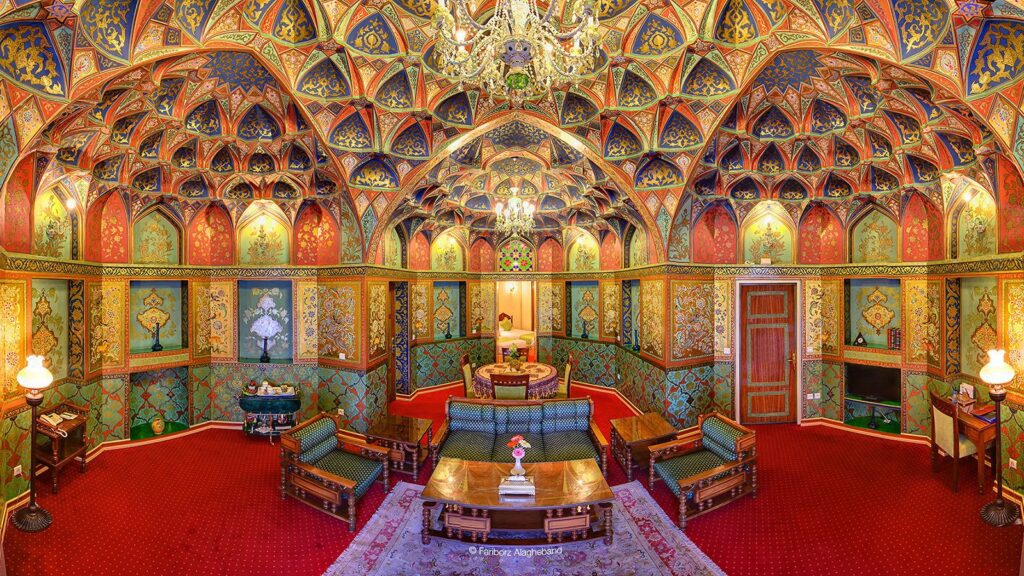
Cities and places to explore when travel conditions permit
A classic cultural itinerary connects Tehran, Isfahan, Yazd and Shiraz, with possible visits to Persepolis and Pasargadae. Distances are substantial, so a well-paced itinerary matters more than trying to see everything in a few days. Confirm that attractions, transport and accommodation are operating before making arrangements.

Weather and the best time of year
Iran spans several climate zones. Spring and autumn are often comfortable for cultural sightseeing in central cities, while summer heat can be severe in desert regions and winter brings snow to higher elevations. Weather varies by destination and altitude; review local forecasts rather than assuming one season suits the whole country.
Mountain activities, including visits to ski areas near Tehran, require additional checks on road access, weather and operational status. See our Dizin ski resort guide for background.

Food, dress and cultural etiquette
Halal food is widely available in Iran, but travellers with specific dietary requirements should confirm ingredients and preparation with each provider. Prayer facilities and opening hours vary by venue; do not assume every public place has separate prayer rooms.
Public dress rules apply to visitors, including requirements for women to cover their hair and wear appropriate clothing. Enforcement and regulations can change. Review current local guidance and our Iran dress code guide before departure.
Mobile connectivity and essential preparations
Ask your Indonesian mobile operator whether roaming is available in Iran and what it costs. A local SIM may be an option, but registration, coverage, pricing and internet access can change. Read our SIM card guide and verify the latest requirements with the provider.
Before any future trip, check your passport validity, current entry rules, government advice, medical and travel insurance exclusions, transport schedules, cash arrangements and a reliable way to contact family. For broader planning information, visit the Iran travel guide.

Related Iran travel planning guides