10 Most Beautiful Waterfalls in Iran: A Guide for Nature Lovers
Iran's Must-Visit Waterfalls


Iran’s waterfalls reveal the country’s varied terrain, from the green forests near the Caspian Sea to the steep valleys of the Zagros Mountains. This photo-led guide introduces ten notable waterfalls in Iran, with location notes and practical context for nature-focused travelers.
Conditions vary considerably by season. Water flow, trail access and road safety may change after rain, snowmelt or dry spells, so treat these descriptions as an introduction rather than a real-time access report.
Explore the galleries below to compare landscapes and plan a route that fits your interests. Before including a waterfall in an Iran itinerary, confirm local access and any official travel restrictions.
Contents
1. Margoon Waterfall
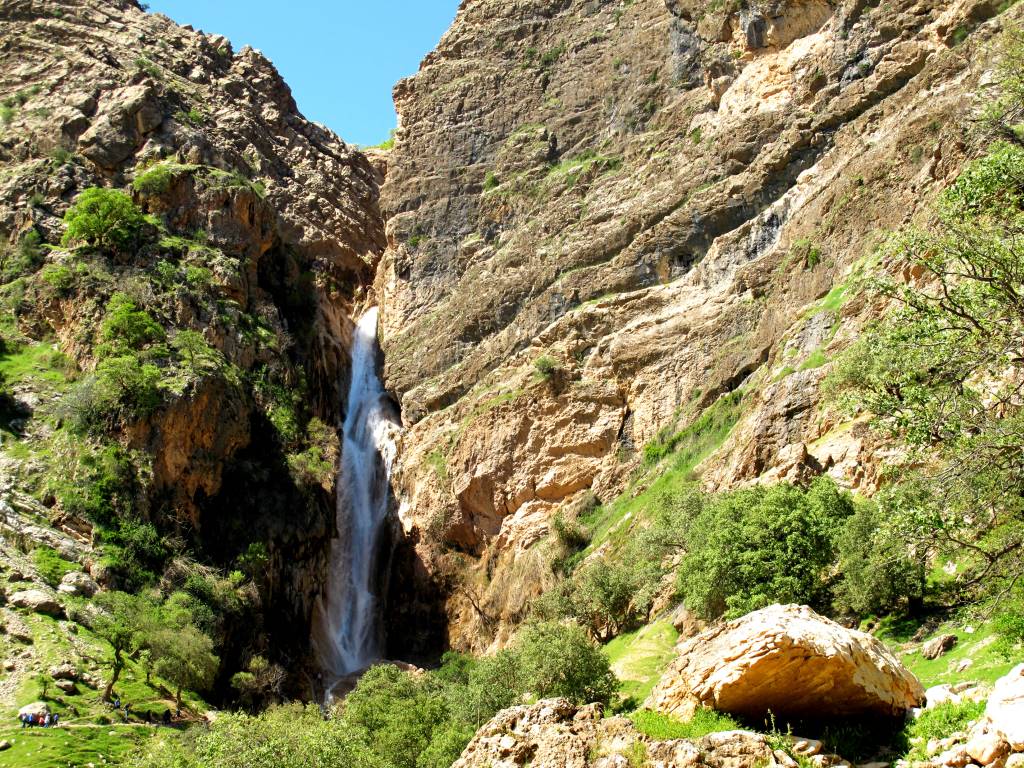
Margoon Waterfall lies in Sepidan County, Fars Province, in a mountainous area that can be combined with a wider trip through Shiraz and its surroundings. The waterfall’s broad curtain of water and green setting make it a distinctive landscape stop.
Mountain weather and road conditions can affect access to Margoon. For additional landscape ideas, see our overview of Iran’s wild and scenic places; check individual site information rather than relying on a ranking.


2. Laton Waterfall
Laton Waterfall is near Lavandavil in Astara County, Gilan Province. It is frequently described as one of Iran’s tallest waterfalls and stands within a forested mountain landscape.
Reaching Laton generally involves a substantial hike over uneven terrain. Allow time for the return journey, check trail and weather conditions, and use a knowledgeable local guide when needed.


3. Bisheh Waterfall
Bisheh Waterfall, in Lorestan Province, is among the best-known cascades in the Zagros region. The surrounding hills and rail corridor give the area a distinctive setting.
The waterfall is near Bisheh railway station, but transport schedules and the final walking route should be checked in advance. Paths near the water can be slippery, especially when the flow is strong.


4. Yakhi Waterfall
Yakhi Waterfall is associated with the high southern slopes of Mount Damavand. Its icy formations make it very different from the forest waterfalls elsewhere in this guide.
Yakhi means ‘icy’ in Persian. Conditions at this altitude are highly seasonal and potentially hazardous; the area is suitable only for properly equipped visitors with appropriate mountain experience and up-to-date local guidance.


APPLY ONLINE
Iran Tourist visa
5. Shirabad Waterfall
The Shirabad waterfalls lie in a forested part of Golestan Province. A series of cascades and pools makes this a popular nature destination, although the route and access conditions can vary.
Visitors can explore the lower cascades along forest paths, but should not assume that pools are safe for swimming. Depth, currents and submerged obstacles may be difficult to judge, and wet rocks can be slippery.


6. Asiab Kharabeh Waterfall

Asiab Kharabeh, meaning ‘ruined watermill’, is a waterfall area near Jolfa in East Azerbaijan Province. Its name refers to the remains of a mill associated with the site.
Water spills across a rocky, green setting, creating a different visual character from the high mountain cascades. Check road access and any local site restrictions before setting out.
7. Shevy Waterfall
Shevi Waterfall, also known as Tale Zang, lies in the Zagros Mountains in Khuzestan Province. The approach can involve a demanding journey, so confirm the trailhead and transport connections locally.
The broad cascade drops into a rugged valley landscape. Allow adequate time for hiking and avoid approaching the falling water or cliff edges without reliable local safety guidance.


8. Nozhian Waterfall
Nozhian Waterfall is a prominent waterfall in Lorestan Province, set among the mountainous landscapes of the Zagros. Its appearance changes with seasonal water flow.
The surrounding trails can be uneven and may require a longer walk than expected. Carry water, wear suitable footwear and confirm the route with local sources before leaving.


Best Hotels in Iran
9. Kaboud-val Waterfall


Kaboudval Waterfall, near Aliabad-e Katul in Golestan Province, is especially known for its moss-covered rocks and lush forest surroundings.
A forest walking route leads toward the waterfall. Distances and trail conditions depend on the chosen access point, and wet surfaces can be slippery even in mild weather.
10. Ganjnameh Waterfall


Ganjnameh, near Hamedan, is known for two Achaemenid royal inscriptions carved into rock. A nearby waterfall makes it possible to combine a historical stop with a short nature visit.
The Ganjnameh Waterfall lies in the Alvand mountain area near the inscriptions. Its flow varies seasonally; confirm access and take care on steps and wet pathways.
Final Word
These ten waterfalls illustrate the variety of Iran’s mountain and forest landscapes. Each has a different setting, and the best time to visit depends on local weather, water levels and trail conditions.
Plan conservatively, respect protected habitats and check current official travel advice before departure. For broader itinerary ideas, explore SURFIRAN and OrientTrips. Never enter unfamiliar pools or fast-flowing water without authoritative local safety information.
Read More


